翻译:
What are the future trends of AI (artificial intelligence) in the field of technological innovation?
1. Future trends of AI (Artificial Intelligence) in the field of technological innovation: Artificial General Intelligence (AGI)
Current AI (artificial intelligence) systems are mostly weak AI designed for specific tasks. In the future, researchers will work to develop general artificial intelligence, an intelligent system that can handle a variety of tasks like a human. AGI will have a wider range of knowledge and a greater ability to learn, with the flexibility to switch between different fields and tasks. While there are huge challenges to achieving AGI, with the continuous advancement of technology, such as more powerful algorithms, more data, and better hardware support, the prospect of AGI is still worth looking forward to.
2. Future development trend of AI (Artificial intelligence) in the field of technological innovation: hybrid artificial intelligence
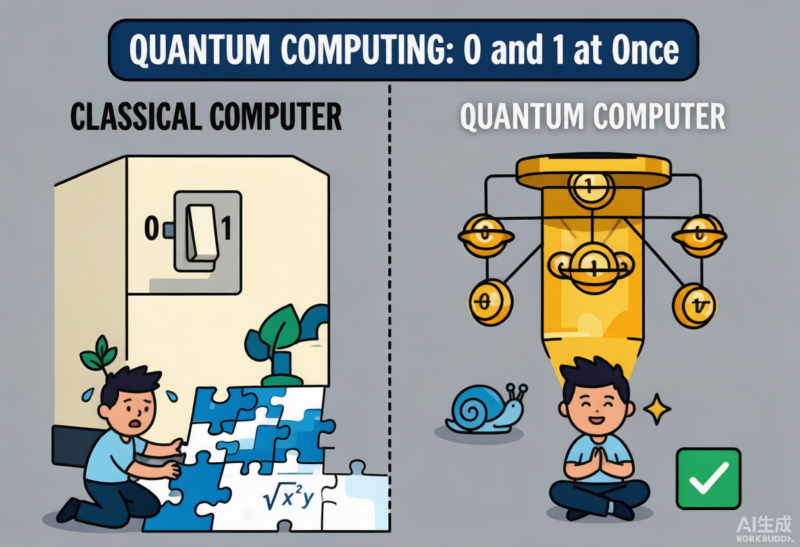
Future AI (artificial intelligence) systems may combine multiple technologies to form hybrid AI. For example, the combination of symbolic reasoning and neural network can not only use the learning ability of neural network to process a large amount of data, but also carry out logical analysis and interpretation through symbolic reasoning. This hybrid approach is expected to solve the current problems with interpretability and knowledge representation in AI (artificial intelligence) systems. In addition, the integration of quantum computing and AI (artificial intelligence) will also be an important development direction, and the unique nature of quantum computing may bring entirely new algorithms and models to AI (artificial intelligence), further improving the performance of AI (artificial intelligence).
3. Future development trend of AI in the field of technological innovation: Edge AI (Artificial Intelligence)
With the growth of the Internet of Things (IoT), edge computing is becoming increasingly important. Edge AI (artificial intelligence) refers to the deployment of AI (artificial intelligence) algorithms and models on edge devices (such as sensors, smartphones, smart home devices, etc.) rather than relying on cloud servers. Edge AI (artificial intelligence) can reduce the latency of data transmission, improve response speed, and in some privacy-sensitive scenarios, better protect data privacy. For example, in smart home systems, smart cameras can run AI (artificial intelligence) algorithms on local devices for abnormal behavior detection without the need to upload video data to the cloud.