一、制造业的三大变革新趋势
1、制造业组织结构变革大趋势:供应链高效协同
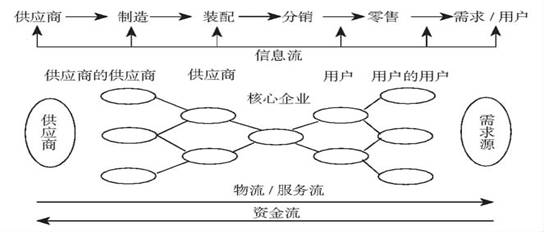
供应链变革:传统制造业供应链重点在于网链的连接,供应链是以物流、信息流、资金流、三流合一做为纽带,互相连接起来的功能性网链结构;目前供应链正在进入大变革时代,在智慧物流与智能制造的支撑下,现代制造业供应链的变革方向是供应链、产业链、物流链融合和一体化,重点在于高效协同。
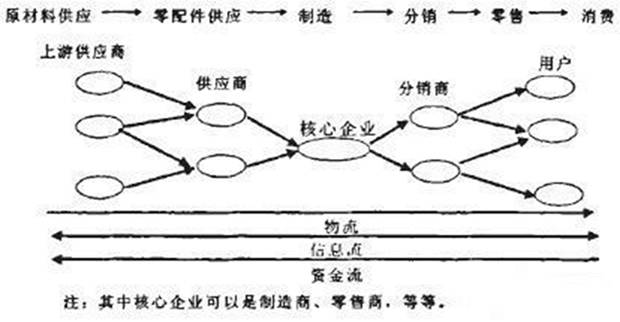
基于制造业供应链创新与变革趋势, 2017年国务院办公厅发布了《关于积极推进供应链创新与应用的指导意见》文件,重新定义了供应链,指出:供应链是以客户需求为导向,以提高质量和效率为目标,以整合资源为手段,实现产品设计、采购、生产、销售、服务等全过程高效协同的组织形态。
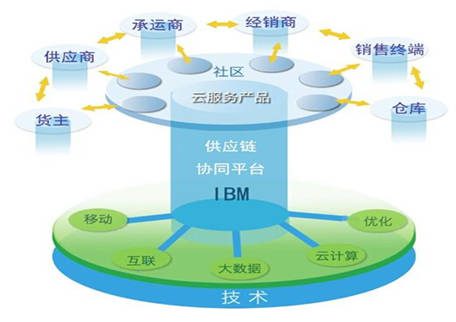
供应链新特征:随着信息技术的发展,目前供应链一是已发展到与互联网、物联网深度融合的智慧供应链新阶段;二是智慧物流高效融入了供应链,是供应链组织形态高效协同的基础;三是呈现出了产业链供应链全面融合的新趋势。数字化转型网www.szhzxw.cn
2、制造业的技术变革大趋势:智能制造与工业4.0
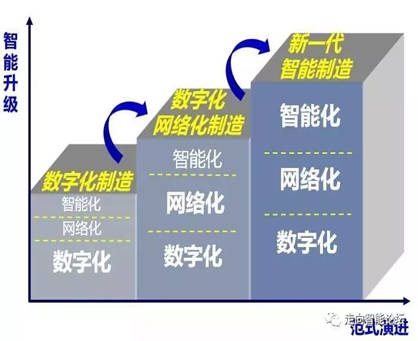
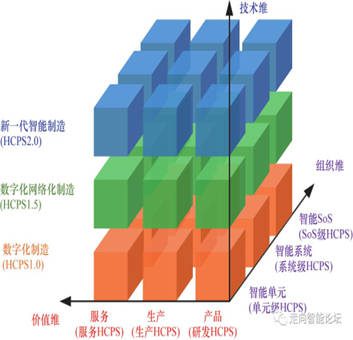
技术变革主线:目前,全球制造业技术变革主线是智能化变革,中国智能制造2025的技术路径是中国科学家提出的新一代智能制造理论,该理论是中国工程院重大课题,近百名院士参与讨论与课题调研,中国工程院原院长周济院士亲自发布,提出了中国智能制造的发展路径:数字化制造–数字化+网络化制造–数字化+网络化+智能化(新一代智能制造)。数字化数字化转型网www.szhzxw.cn转型网(www.szhzxw.cn)
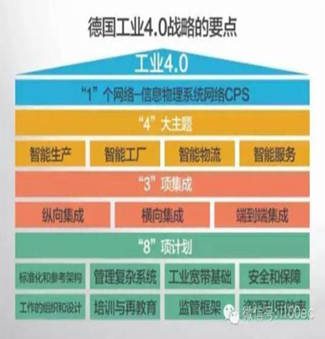
德国制造业智能化变革路径是工业4.0,其基础理论是CPS(信息物理系统)。美国制造业智能化变革路径以工业互联网为核心。世界各工业大国都基于自身国情提出了自己的制造业技术变革新理论。
3、制造业流程变革大趋势:交付与服务成为核心
变革路径:制造业传统流程以生产制造为核心,以采购与销售为两个基本点;现在的制造业,随着互联网+、物联网、智慧物流、数字新商贸的高速发展,产业链、供应链、物流链出现全面融合,生产制造与消费者短链直连,让制造业从过去以生产制造为核心向以产品交付为核心转变,产品交付前为前市场,交付后为后市场,前市场与后市场全链一体化形成产品全寿命周期。数字化转型网(www.szhzxw.cn)
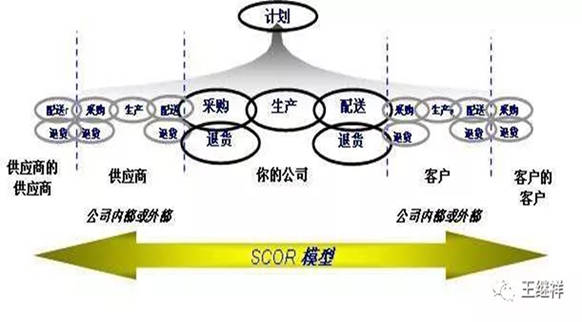
变革特征:制造业服务化成为新趋势,“务联网”(服务互联网)推动后市场创新,按需定产与柔性制造成为新趋势;智慧物流成为制造业重要支撑,物流服务能力成为底盘支撑。

二、智能制造与智慧物流的发展路径分析
信息化:能够减少不确定性的一切要素都是信息,将这些要素符号化、数据化,便于传播沟通即为信息化。其中最主要的是通过数据化实现,往往靠人完成,如人工录入数据,人工传递信息等等;
数字化:数字化与信息化的重要区别:数据源头非人工负责,二是自动化采集;最主要的数据采集手段就是利用物联网感知技术,实现感知(采集)-呈现-分析同时完成。这就是数字化的本质,也因此产生了大数据。数字化转型网(www.szhzxw.cn)
大数据:数字化带来海量数据,对海量数据存储、运算与处理的技术就是大数据。大数据的计算、分析和运用都不是智能化,还是数字化,因为最后的依赖数据分析结果做出决策的还是人,至少大部分场景下还是人,而不是机器。
智能化:数字化与智能化的区别在于最终决策谁来做?能够实现状态感知、实时分析、科学决策、精准执行的闭环,机器做决策并执行,才实现了智能化;
数智化:是指通过数字化实现智能化。即数字智能化、智能数字化、数智融合最后实现智慧化;
智慧化:制造大系统具有智能“涌现性”,既有“智”的能力,也有“慧”的能力,可以实现自我学习与智能提升。数字化转型网(www.szhzxw.cn)
三、现代制造业物流创新发展的五大新理念
1、单元化物流
单元化是物流数字化起点:要实现数字化,首先要单元化,数据感知首先是对单元货物的感知,单元货物编码相当于数字世界身份证。
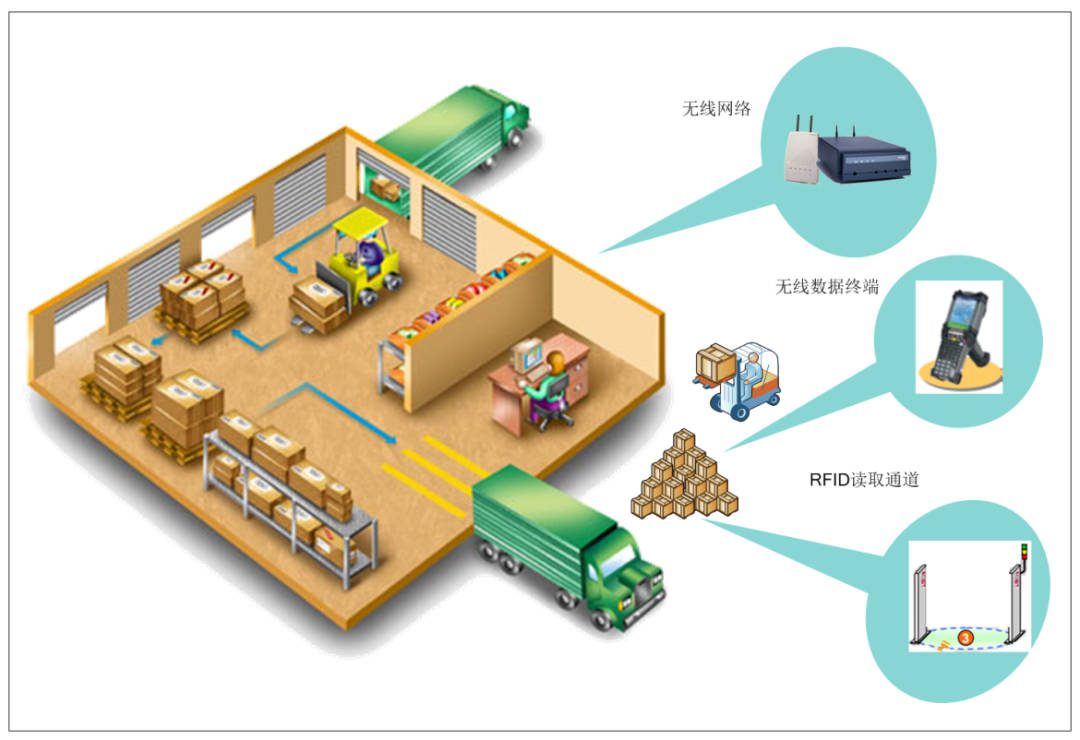
单元标准化是提升物流效率起点:纷繁复杂的“物”整合成标准规范的单元,可以实现高效率的分、合、搬、运、存,实现仓储、搬运、装卸、堆码、运输便捷与高效率。
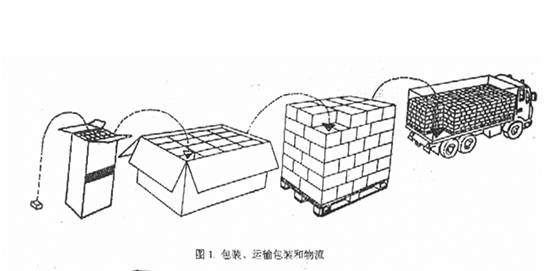
单元化物流推动制造业物流创新:将物流系统中的物品由发货地整合为规格化、标准化的货物单元,并且保持货物最基本单元的状态一直送达最终受货点,货物单元是物流各个环节的作业单元,这样的物流就是单元化物流。物流基础单元可以是集装单元,也可以是包装单元。单元化物流贯穿供应链全过程,发展路径是标准化。集装箱改变了世界,托盘让物流现代化,单元化物流推动智慧物流创新等
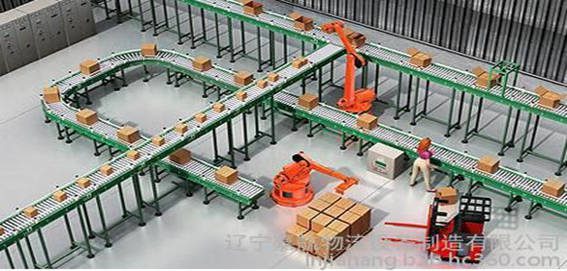
2、物流先行理念:为物流设计(DFL)
制造业先行物流理念:兵马未动,粮草先行,先行物流理念是推动制造业物流创新发展的新理念。其中让物流前置,从产品设计开始,让智慧物流融入产业链与供应链,可提升全链路物流效率,这就是物流先行理念的体现。数字化转型网(www.szhzxw.cn)
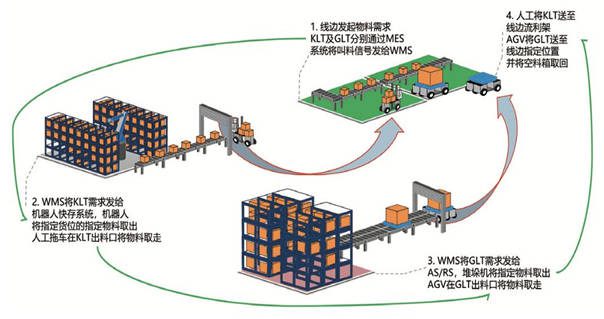
为物流设计DFL创新理念,要求生产流程规划从线边物流运筹优化开始,以物流优化为宗旨设计生产制造流程,这也是工业设施系统规划Richard Muther的物流先行思想。老先生1982年来中国播下物流种子,最早把物流引入中国;从设计开始,智慧物流融入产业链与供应链,全链路实现物流友好,可从源头大幅降低物流成本。
什么是DFL:DFL(Design For Logistics)为物流设计指的是将物流起点前置,从产品设计开始就考虑产品在制造、销售、仓储、配送、组装、加工等过程中对物流友好,提前考虑到让产品的规格尺寸与产品的包装便于运输、存储、配送、装卸、搬运、堆码和信息感知或数据采集,从而推动物流全链路成本降低,提高供应链系统竞争力。数字化转型网(www.szhzxw.cn)
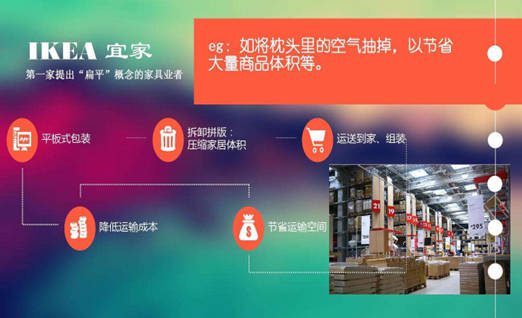
智慧供应链需要DFL:供应链与物流,贯穿原材料供应、生产制造、产品销售、仓储运输、物流配送、直至到消费者手中全部过程,对应着采购物流、线边物流、销售物流、商贸物流、电商物流、快递快运等流程,如果产品设计的奇形怪状,产品包装不标准规范,不仅物流数字化不好实现,在物流过程中物流堆码、装卸、组合、搬运、配送都会带来巨大困难,会带来物流效率低下和成本高企。所以数智化供应链创新,需要DFL理念,从产品设计开始就为物流而设计!
DFL核心要素:核心思想是标准化,体现在产品尺寸规格设计、组合安装设计、单元化包装设计等方面,重点体现在单元化包装设计、产品模块化组合设计方面,目的是实现产品堆码存放与运输包装整齐划一和标准规范,从而极大提升物流作业效率与信息化水平。
3、共享物流新理念
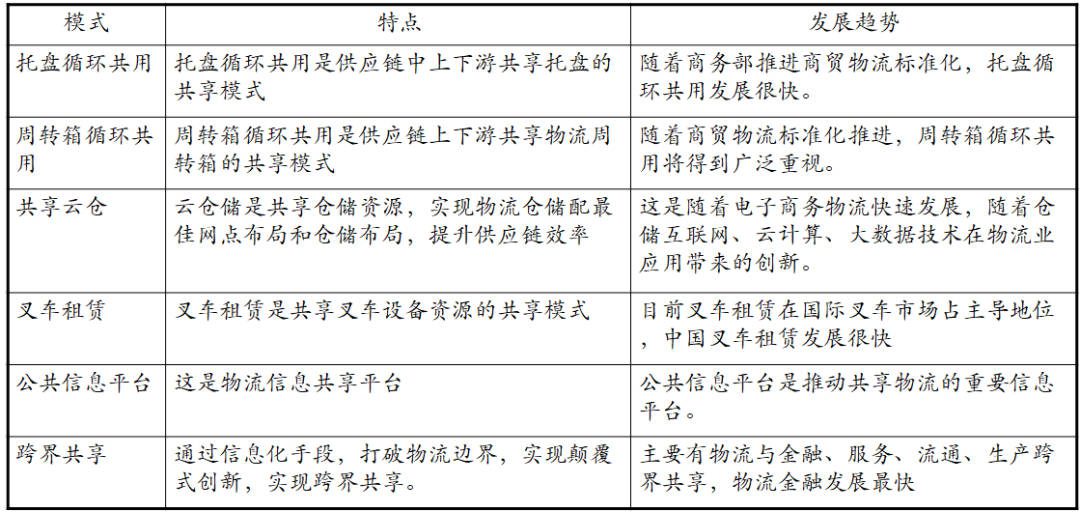
智慧物流时代物流资源具有网络化、标准化、信息化体征,为协调共享打下了基础。推进共享物流可以为制造业物流带来很多颠覆性创新,大幅度降低物流成本,实现节能减排,创造绿色物流新模式。
关于共享物流定义,我认为:共享物流就是指通过共享物流资源实现优化配置,从而提高物流资源使用效率,降低物流成本,推动物流系统变革的物流模式。数字化转型网(www.szhzxw.cn)
共享物流的本质是共享物流资源,可以共享的物流资源主要有:物流信息资源、技术与产品资源、搬运设备资源、仓储设施资源、货物运输资源、终端配送资源、物流人力资源等等。共享方式有:租赁、交换、共享、回收、循环使用等等;
共享物流创新模式很多,具体如下:
4、融合创新思维
全产业链配套:产业链集聚是中国制造业的优势,全产业链就地配套,制造业两头在外变成只有产品销售一头在外,可极大地缩短供应链,降低物流成本,自然也带来智慧物流创新与变革;
全流程融合:从产品设计开始,大力推进DFL(为物流设计)理念,让产品形状、尺寸规格、产品包装对物流友好;大力推进先行物流,以提升物料搬运效率为目标改造优化线边物流;推动产业链供应链协同提升供应链韧性,都是制造业智慧物流融合创新的发展路径。数字化转型网(www.szhzxw.cn)
全渠道融合:制造业产品销售由传统批发为主向批发、平台电商、企业直销电商等全渠道变革,自然带来物流全渠道智慧变革,企业物流中心也要适应全渠道变革。
物流外包与融合:物流外包融入生产流程,推进供应商管理库存,推进JIT准时配送,推进制造业与快递业融合,借鉴电商智慧物流成果推进制造业物流变革等。
5、软件定义物流
互联网的核心价值是连接,通过连接来传达软件指令;机器人与自动化核心价值是执行,而硬件执行需要智慧的指令;大数据的本质是资源,但需要软件的分析才能形成科学决策;云计算只是软件的计算模式。只有软件才是实现互联网核心价值的重要使能技术。
智慧物流创新越来越以软件为基础。智慧物流大脑建立在软件基础之上,智慧物流信息网络建立在软件之上,智慧物流技术装备越来越软硬一体,越来越柔性化,智慧物流创新发展呈现软件定义物流大趋势。软件定义的本质:硬件资源虚拟化,管理控制可编程
软件定义物流指的是通过单元化和数字化实现实体货物资源虚拟化;通过作业单元模块化和数字化实现技术装备资源虚拟化,进一步实现软件对虚拟化的硬件资源进行更开放、灵活、智能的管理与调度,实现软件定义物流。 数字化转型网(www.szhzxw.cn)
软件定义物流是制造业物流柔性化、自动化、智慧化发展的基础。
翻译:
First, the three new trends in the manufacturing industry
1. The general trend of organizational structure change in manufacturing industry: efficient coordination of supply chain
Supply chain reform: The traditional manufacturing supply chain focuses on the connection of the network chain. The supply chain is a functional network chain structure connected by logistics, information flow, capital flow and the integration of the three streams. At present, the supply chain is entering the era of great change, under the support of intelligent logistics and intelligent manufacturing, the direction of change of modern manufacturing supply chain is the integration and integration of supply chain, industrial chain and logistics chain, with the focus on efficient collaboration.
Based on the manufacturing supply chain innovation and change trend, in 2017, The General Office of the State Council issued the “Guidance on Actively Promoting Supply Chain Innovation and Application” document, redefining the supply chain, pointing out: Supply chain is oriented by customer demand, aims to improve quality and efficiency, and takes resource integration as a means to achieve efficient coordination of the whole process of product design, procurement, production, sales and service.
New features of supply chain: With the development of information technology, the current supply chain has developed to a new stage of intelligent supply chain deeply integrated with the Internet and the Internet of Things; Second, intelligent logistics is effectively integrated into the supply chain, which is the basis of efficient coordination of supply chain organization; Third, it shows a new trend of full integration of industrial chain and supply chain.
2。 The big trend of technological change in manufacturing: intelligent manufacturing and Industry 4.0
Main line of technological change: At present, the main line of global manufacturing technology change is intelligent change, China’s intelligent manufacturing 2025 technology path is a new generation of intelligent manufacturing theory proposed by Chinese scientists, the theory is a major topic of the Chinese Academy of Engineering, nearly 100 academicians participate in the discussion and research, the former president of the Chinese Academy of Engineering Academician Zhou Ji personally released, put forward the development path of China’s intelligent manufacturing: Digital manufacturing – digital + networked manufacturing – digital + networked + intelligent (a new generation of intelligent manufacturing).数字化转型网(www.szhzxw.cn)
The intelligent reform path of German manufacturing industry is Industry 4.0, and its basic theory is CPS (information physical system). The path of intelligent change in the United States manufacturing industry takes the industrial Internet as the core. All the industrial powers in the world have put forward their own new theories of manufacturing technology change based on their own national conditions.
3. Manufacturing process change trend: delivery and service become the core
Change path: The traditional process of manufacturing industry takes manufacturing as the core, and procurement and sales as the two basic points; In today’s manufacturing industry, with the rapid development of Internet +, Internet of Things, smart logistics, and digital new business, the industrial chain, supply chain, and logistics chain are fully integrated, and the production and manufacturing are directly connected to the short chain of consumers, so that the manufacturing industry has changed from production and manufacturing as the core to product delivery as the core, and the pre-delivery of products is the pre-market, and the post-delivery is the post-market. The full chain integration of the front market and the back market forms the whole life cycle of the product.
Characteristics of change: manufacturing service has become a new trend, “business networking” (service Internet) promotes post-market innovation, on-demand production and flexible manufacturing has become a new trend; Intelligent logistics has become an important support for manufacturing, and logistics service capabilities have become chassis support.数字化转型网(www.szhzxw.cn)
Second, analysis of the development path of intelligent manufacturing and intelligent logistics
Informationization: All elements that can reduce uncertainty are information, and symbolizing and digitization of these elements to facilitate communication is informationization. The most important one is realized through data, which is often completed by people, such as manual data entry, manual information transmission and so on;
Digitalization: The important difference between digitalization and informatization: the data source is not manually responsible, and the second is automatic collection; The most important means of data acquisition is to use the perception technology of the Internet of Things to realize the simultaneous completion of perception (acquisition) – presentation – analysis. This is the nature of digitization, and hence big Data.
Big data: Digitalization brings massive data, and the technology for storing, computing and processing massive data is big data. The calculation, analysis and application of big data are not intelligent, or digital, because the final rely on data analysis results to make decisions or people, at least in most scenarios or people, rather than machines.
Intelligence: The difference between digitalization and intelligence is who makes the final decision? It can realize the closed-loop of state perception, real-time analysis, scientific decision-making, and accurate execution, and only when the machine makes decisions and executes, can it realize intelligence;
Number intelligence: means to realize intelligence through digitalization. That is, digital intelligence, intelligent digitalization, data intelligence integration and finally realize intelligence;
Intelligent: Manufacturing large systems with intelligent “emergence”, both “wisdom” ability, but also “wisdom” ability, can achieve self-learning and intelligence improvement.
Third, five new ideas for the innovation and development of modern manufacturing logistics
1. Unitized logistics
Unitization is the starting point of logistics digitization: to realize digitalization, it is necessary to be unitized first, and data perception is first of all the perception of unit goods, and the unit cargo code is equivalent to the digital world ID card.数字化转型网(www.szhzxw.cn)
Unit standardization is the starting point for improving logistics efficiency: complex “things” are integrated into standard and standardized units, which can achieve efficient division, combination, moving, transportation, storage, warehousing, handling, loading and unloading, stacking, convenient and efficient transportation.
Unit logistics promotes manufacturing logistics innovation: the goods in the logistics system are integrated from the place of shipment into a standardized, standardized cargo unit, and maintain the state of the most basic unit of goods has been delivered to the final point of delivery, cargo unit is the operation unit of each link of logistics, such logistics is unit logistics. The basic logistics unit can be a container unit or a packaging unit. Unitized logistics runs through the whole process of supply chain, and the development path is standardization. Containers have changed the world, pallets have modernized logistics, and unitized logistics has promoted smart logistics innovation
2. Logistics first concept: Design for Logistics (DFL)
Manufacturing logistics concept: the army has not moved, food and grass first, the concept of logistics is a new concept to promote the innovation and development of manufacturing logistics. Among them, let the logistics front, starting from the product design, let the smart logistics into the industrial chain and supply chain, can improve the full link logistics efficiency, which is the embodiment of the logistics first concept.
The innovative concept of DFL for logistics design requires production process planning to start from the optimization of line logistics operations, and to design production and manufacturing processes for the purpose of logistics optimization, which is also the logistics pioneer idea of industrial facility system planning Richard Muther. Mr. Li came to China in 1982 to sow the seeds of logistics, the first to introduce logistics to China; Starting from the design, smart logistics is integrated into the industrial chain and supply chain, and the full link realizes logistics friendliness, which can greatly reduce logistics costs from the source.
What is DFL: DFL (Design For Logistics) refers to the logistics starting point, from the beginning of product design to consider products in the process of manufacturing, sales, warehousing, distribution, assembly, processing and other logistics friendly. In advance, the specifications and dimensions of the product and the packaging of the product are easy to transport, storage, distribution, loading and unloading, handling, stacking and information perception or data collection, so as to reduce the cost of the logistics full link and improve the competitiveness of the supply chain system.
Smart supply chain requires DFL:
Supply chain and logistics, through the supply of raw materials, manufacturing, product sales, warehousing and transportation, logistics distribution, until the hands of consumers in the whole process, corresponding to procurement logistics, line logistics, sales logistics, business logistics, e-commerce logistics, express express and other processes, if the product design is strange, product packaging is not standard, not only logistics digitalization is not easy to achieve, In the logistics process, logistics stacking, loading and unloading, combination, handling and distribution will bring great difficulties, which will bring low logistics efficiency and high costs. Therefore, digital intelligent supply chain innovation requires DFL concept, which is designed for logistics from the beginning of product design!
DFL core elements: the core idea is standardization, reflected in product size specification design, combined installation design, unit packaging design, etc., mainly reflected in unit packaging design, product modular combination design, the purpose is to achieve product stacking storage and transportation packaging neat and uniform and standard specifications, so as to greatly improve the efficiency of logistics operations and information level.数字化转型网(www.szhzxw.cn)
3. New concept of shared logistics
In the era of intelligent logistics, logistics resources are networked, standardized and informationized, which lays a foundation for coordination and sharing. The promotion of shared logistics can bring many disruptive innovations to manufacturing logistics, greatly reduce logistics costs, achieve energy conservation and emission reduction, and create a new model of green logistics.
As for the definition of shared logistics, I think: shared logistics refers to the logistics model that realizes the optimal allocation of logistics resources by sharing logistics resources, thereby improving the efficiency of the use of logistics resources, reducing logistics costs, and promoting the reform of logistics systems.
The essence of shared logistics is to share logistics resources. The main logistics resources that can be shared are: logistics information resources, technology and product resources, handling equipment resources, storage facilities resources, cargo transportation resources, terminal distribution resources, logistics human resources and so on. Sharing methods include: leasing, exchange, sharing, recycling, recycling, etc.
There are many shared logistics innovation models, as follows:
4. Integrate innovative thinking
The whole industry chain supporting: the industrial chain gathering is the advantage of China’s manufacturing industry. The whole industry chain supporting the local, the manufacturing industry has become only one product sales outside. Which can greatly shorten the supply chain, reduce logistics costs, and naturally bring smart logistics innovation and change;
Whole process integration: Starting from product design, vigorously promote DFL (for logistics design) concept. So that product shape, size specifications, product packaging logistics friendly; Vigorously promote the advance logistics. In order to improve the efficiency of material handling as the goal to optimize the line logistics. Promoting industrial chain and supply chain coordination to enhance supply chain resilience is the development path of intelligent logistics integration and innovation in the manufacturing industry.
Omnichannel integration: manufacturing product sales from the traditional wholesale to wholesale, platform e-commerce, enterprise direct sales e-commerce and other omnichannel changes, naturally bring logistics omnichannel wisdom changes, enterprise logistics centers should also adapt to omnichannel changes.数字化转型网(www.szhzxw.cn)
Logistics outsourcing and integration: logistics outsourcing into the production process, promote supplier management inventory, promote JIT delivery, promote the integration of manufacturing and express industry, learn from the smart logistics results of e-commerce to promote the logistics reform of manufacturing industry.
5. Software defined logistics
The core value of Internet is connection, through which software instructions are conveyed. The core value of robotics and automation is execution, and hardware execution requires intelligent instructions. The essence of big data is resources, but it needs software analysis to form scientific decisions. Cloud computing is just a computing model for software. Only software is an important enabling technology to realize the core values of the Internet.
Smart logistics innovation is increasingly software-based. Smart logistics brain is built on the basis of software. Smart logistics information network is built on the basis of software. Smart logistics technology and equipment are becoming more and more soft and flexible. And smart logistics innovation and development show the general trend of software-defined logistics. Software-defined essence: virtualization of hardware resources, programmable management control
Software-defined logistics refers to the virtualization of physical goods resources through unitization and digitization. Through the modularization and digitalization of the operation unit, the virtualization of technical equipment resources is realized. And the software is further realized to carry out more open, flexible and intelligent management and scheduling of virtualized hardware resources. And realize software-defined logistics.
Software defined logistics is the basis for the flexible, automated and intelligent development of manufacturing logistics.
本文由数字化转型网(www.szhzxw.cn)转载而成,来源:王继祥;编辑/翻译:数字化转型网宁檬树。

免责声明: 本网站(http://www.szhzxw.cn/)内容主要来自原创、合作媒体供稿和第三方投稿,凡在本网站出现的信息,均仅供参考。本网站将尽力确保所提供信息的准确性及可靠性,但不保证有关资料的准确性及可靠性,读者在使用前请进一步核实,并对任何自主决定的行为负责。本网站对有关资料所引致的错误、不确或遗漏,概不负任何法律责任。
本网站刊载的所有内容(包括但不仅限文字、图片、LOGO、音频、视频、软件、程序等) 版权归原作者所有。任何单位或个人认为本网站中的内容可能涉嫌侵犯其知识产权或存在不实内容时,请及时通知本站,予以删除。