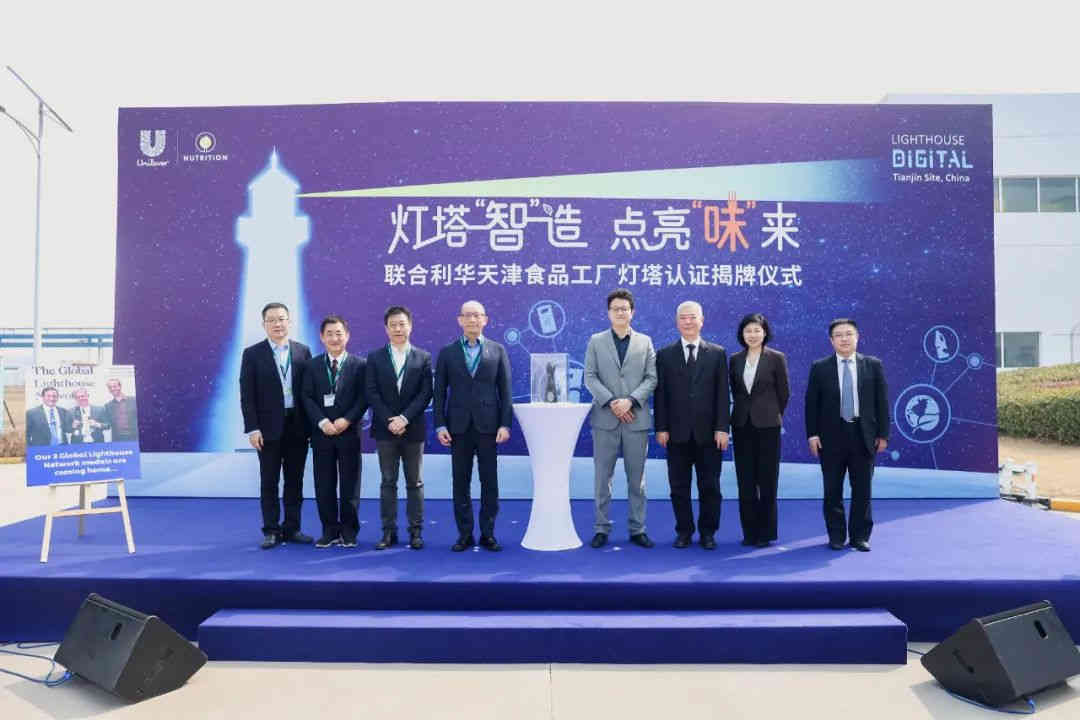
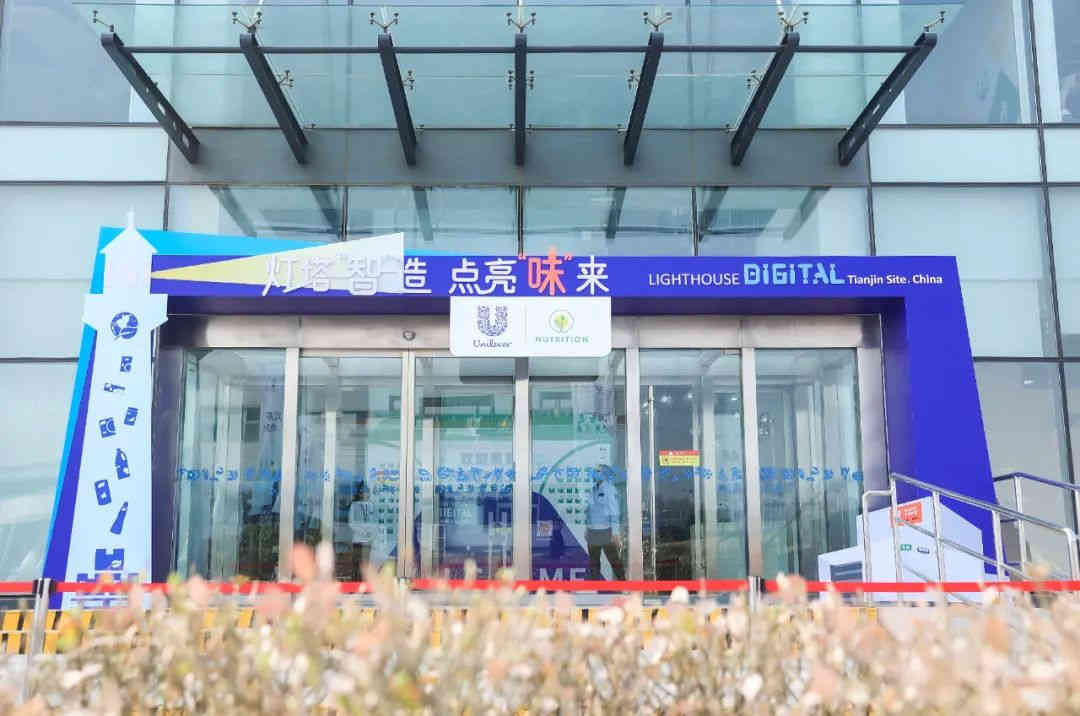
3月21日,联合利华天津食品工业园举行“灯塔工厂”授牌亮灯仪式。这是继合肥工业园、太仓冰淇淋工厂之后,联合利华在中国第三座荣获灯塔认证殊荣的工厂,也是全球调味品行业的第一座。
联合利华饮食策划全球执行总裁陈意星、联合利华食品营养北亚区总裁张海涛、中国调味品协会常务副会长兼秘书长白燕、中国疾病预防控制中心营养与健康所所长丁钢强等嘉宾悉数到场,与现场嘉宾、特邀媒体共同见证属于联合利华、以及中国调味品行业的荣耀时刻。数字化转型网www.szhzxw.cn
Foodaily随后探访了全智能化的生产车间,专访联合利华食品营养北亚区总裁张海涛,并参加了围绕“餐饮行业数字化转型”话题的圆桌讨论。数字化转型网www.szhzxw.cn
在近距离感受灯塔工厂的高效能、了解工厂建设过程中的挑战与考验,以及聆听联合利华高管们对灯塔工厂赋能餐饮未来业务的期待之后,Foodaily不禁感叹:食品工业数字化浪潮的迅疾之势,不可阻挡。
联合利华天津食品工厂的数字化革新之路,是否可以成为其他食品企业的范本?面对汹涌澎湃的新消费,面对大众饮食诉求的快速演变,以灯塔工厂为代表的生产端转型升级,能否助力食品行业,特别是餐饮行业迈向新的境界?数字化转型网www.szhzxw.cn
一、工业4.0浪潮中砥砺9年,终点亮灯塔之光
据了解,联合利华天津食品工厂建于2014年,2015年9月正式投产。以生产“家乐”牌鸡精、鸡粉以及“好乐门”牌沙拉酱而成为联合利华北亚区的重要供应基地。数字化转型网www.szhzxw.cn
彼时,正值中德两国开展工业4.0合作,融合可持续、智能化理念的新一代工业生产模式正在国内迅速升温。因此,在天津食品工厂规划之时,就已将可再生能源、水污染处理、零填埋等要素体现在设计方案中。及至投产之时,成为联合利华在全球使用新技术最多、最现代化的工厂。
2022年4月,联合利华投资5100万元,在天津食品工厂内新建调味酱生产线。产线采用世界先进的制造技术和数字化制造系统,在产品质量、客户服务、端到端价值流效率、环保和可持续发展方面均属国内领先水平。当年10月建成投产时,天津食品工厂不仅拥有固体、半固体和液体调味料的完整产能,成为联合利华在北亚区最大的综合型调味品生产基地,而且已经实现了整体数字化的升级。
今年1月13日,经过严格评定后的联合利华天津食品工厂,入围世界经济论坛最新一期全球灯塔工厂名单。
依托AI赋能,天津灯塔工厂实现了高度自动化的“黑灯生产”,黑灯工厂劳动生产率提升96%。占地15.4万平方米的工厂,所有用电均为绿电,有效减少17%的碳排放。而在订单执行与客户管理上,灯塔工厂也显现出强大优势——订单交付时间缩短40%,客户投诉量降低62%,客户数量增加一倍。
联合利华北亚区食品营养供应链负责人吴巍将灯塔工厂的供应链特色总结成三大亮点:1、企业的大数据终端为目标客户提供最佳个性化方案,适应快速迭代的市场需求;2、人工智能赋能端到端供应链,优化订单执行和分配平台,提高交付并优化库存;3、供应链全流程可追溯,消除安全隐患,保障健康品质。
灯塔工厂呈现出的魅力固然令人欣喜,但奔赴灯塔的路途,实际上也充满了挑战。
第一个挑战来自如何让能源更绿。灯塔工厂作为先进制造模式的集合体,必然要在能源使用上体现出绿色理念。联合利华天津灯塔工厂使用园区内的光伏发电板与风车,实现100%清洁能源供给。2021年,工厂用电并入国家电网并获得绿色认证。在蒸汽使用上,联合利华与天津当地热能企业紧密合作,将一部分传统上用煤、天然气制取的蒸汽改为生物法制备(秸秆、木屑等),有效降低蒸汽能的碳排放。到2023年底,天津工厂有望实现零碳目标。数字化转型网www.szhzxw.cn
第二个挑战则是如何与上下游客户无缝衔接。灯塔工厂不止是对机器设备数字化的改造,铺设智能系统,而是需要从机器互联,到工厂/产线间互联,再到公司内各业务部门的互联,最后到跟企业上下游的顺畅连接,这才能实现“端到端”的智能管理。数字化转型网www.szhzxw.cn
在客户端,天津灯塔工厂借助量身定制的7*24小时数字化销售系统,让客户实时掌握库存情况,发出更加精准快速的需求。而工厂也能实时掌握零售端进货量、产品售价、销售反馈信息,从中分析出市场偏好,帮助工厂调整产品开发和生产计划。
对于供应端,天津灯塔工厂通过不断沟通,与供应商对齐认知;在软硬件升级上给予帮助,通过供货效率的提升、成本的降低,让供应商释放转型动力。数字化转型网www.szhzxw.cn
二、数智盘中餐,灯塔与浪潮:餐饮工业如何加速数字化转型?
2003年4月,大众点评网诞生。不仅为中国人的本地生活消费——尤其是餐饮消费——创造了一种信息更对等透明、运营效率更高的业务方式,而且也由于大数据平台对消费评价与偏好的海量积累,而成为中国餐饮行业探索数字技术的肇始。
过去数年,得益于互联网平台的大力推动,加之消费市场波折反复,餐饮企业纷纷寻求更灵活高效的经营模式,中国餐饮行业的数字化浪潮,在堂食、外卖等业态上刮得风生水起。各种数字化管理工具的运用,打破了餐饮企业在时间和空间上的限制,帮助经营效率、成本控制、顾客体验等维度有了质的提升。
与C端餐企聚焦门店管理、私域运营等诉求所不同,餐饮加工制造端的数字化转型之路更具挑战性。以调味品为例:2020年,该行业市场集中度CR5仅为19%,是日常消费品中最分散的子行业。大量中小企业脱胎于传统手工作坊,或者地产地销的合作社、副食品工厂,受到规模体量和资金制约,绝大多数产线的工业化水平较低,难以应对快速变化的市场。数字化转型网www.szhzxw.cn
而在消费端,国民对于餐饮食品的需求愈加多样化,兼顾美味、健康与便捷成为最基础的膳食诉求。预制菜、复合调味品市场持续升温,推动餐饮类制造企业加大产能。中国调味品协会去年发布的《行稳致远 进而有为——新时代下的调味品行业》报告指出:2019年下半年至2021年,全国规模以上调味品企业中,有12家投资新建或扩建产能,平均投资额度达到10亿元级别。
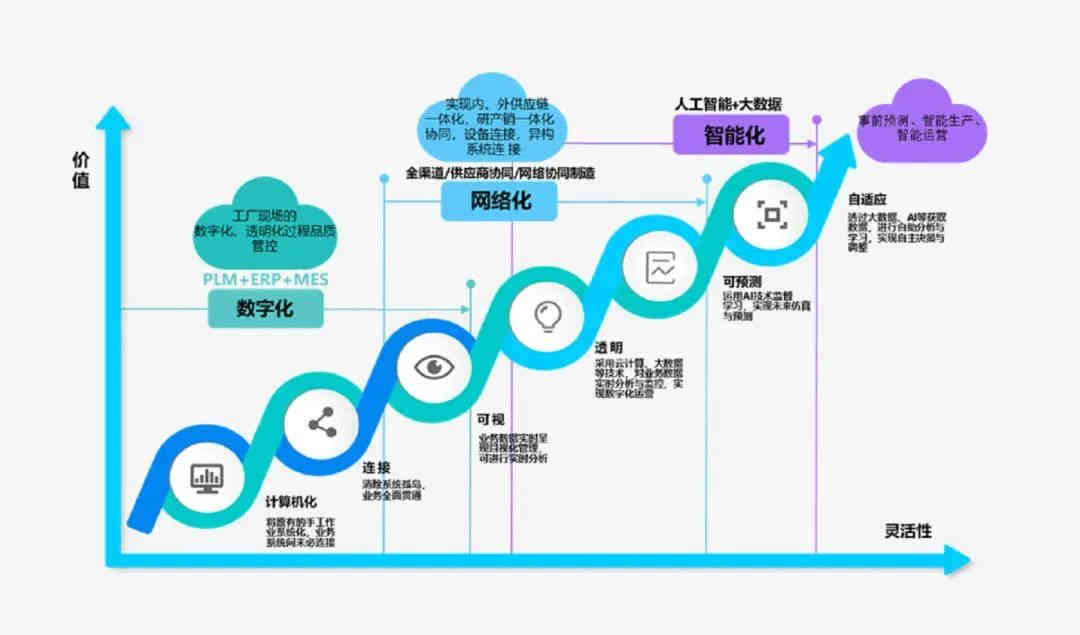
餐饮工业产能的提升,必然要求对生产效率、品质管理、成本控制,以及制造业所肩负的可持续社会使命有更高要求。此外,疫情期间制造业普遍面临的用工紧张问题,让餐饮企业更加意识到智能化生产的重要性。Foodaily了解到,联合利华天津食品工厂就是在疫情第一年,开始谋划产线的数字化升级——向灯塔工厂迈进。数字化转型网www.szhzxw.cn
餐饮加工厂在产业链中居于核心地位,对它的技术升级无疑将带动产业链整体发展。从早期中央厨房工厂里大规模应用自动化预处理、蒸煮加工与清洗设备,到针对连续化生产、依托物联网(IoT)和机器人技术的全自动产线,再到如今遍地开花的食品灯塔工厂,餐饮制造的数字化正在快速迭代进化。大量标杆工厂的落地为餐饮企业提供了数字升级的思路。数字化转型网www.szhzxw.cn
采访中,联合利华食品营养北亚区总裁张海涛表示:天津灯塔工厂在建设过程中,参考了联合利华其他灯塔工厂在流程整合、企业能力建设上的宝贵经验。但由于食品行业间的差异,以及具体的业务诉求,使得很多软件、硬件设计,以及运营模式上的改造又具有独特性。
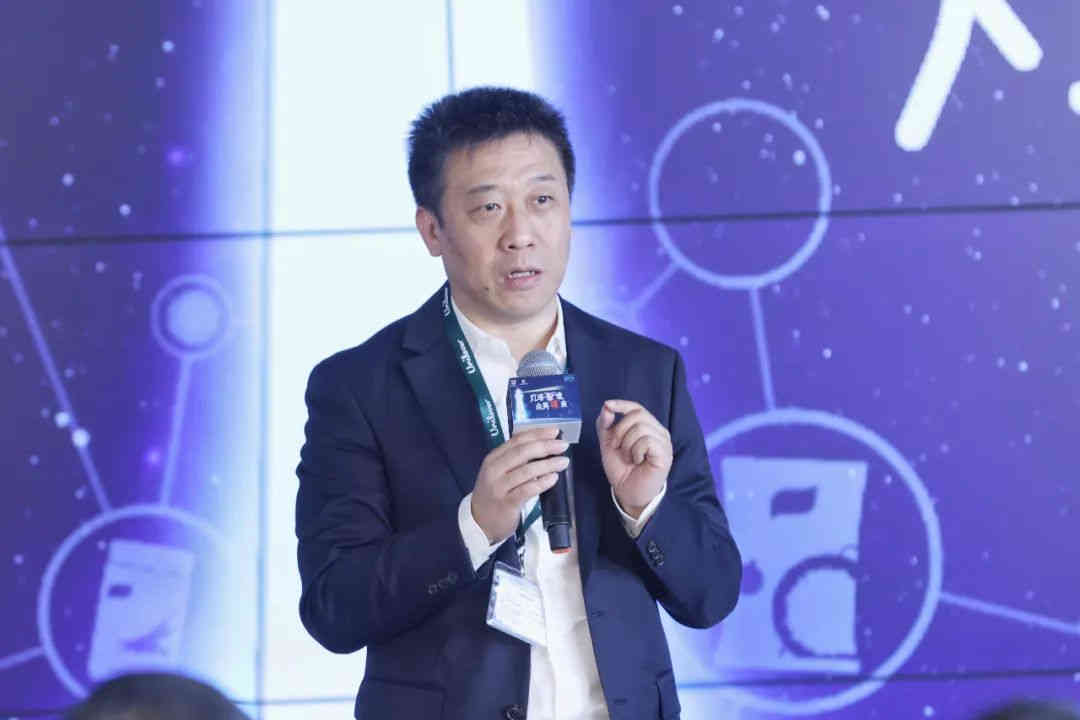
不止是建设灯塔工厂,众多餐饮加工企业也在探索适合自身的数字化模式。从水产行业规模最大、标准最高的智能工厂,到有效解决在线检测、预测及优化控制难题的酱油生产线,再到实现自动投料炒料的MES智能化调味品操作系统,餐饮加工企业在数字化改造上的不懈努力,正在为行业发展注入勃勃生机。而不断革新的餐饮消费趋势,则为数字化改造升级指出未来方向。数字化转型网www.szhzxw.cn
在活动当日举办的“餐饮行业数字化转型”圆桌讨论上,Foodaily认为,高度智能型的餐饮生产端,还应该在“柔性”能力上更进一步:1、在普遍追求健康的饮食趋势下,能否结合新的膳食指南、不同人群的日常功能诉求,实现对产品配方的科学、精准与快速优化;2、对众多细分产品,能否针对不同场景下对外观、包装形式、规格的个性化需求,完成差异化生产。数字化转型网www.szhzxw.cn
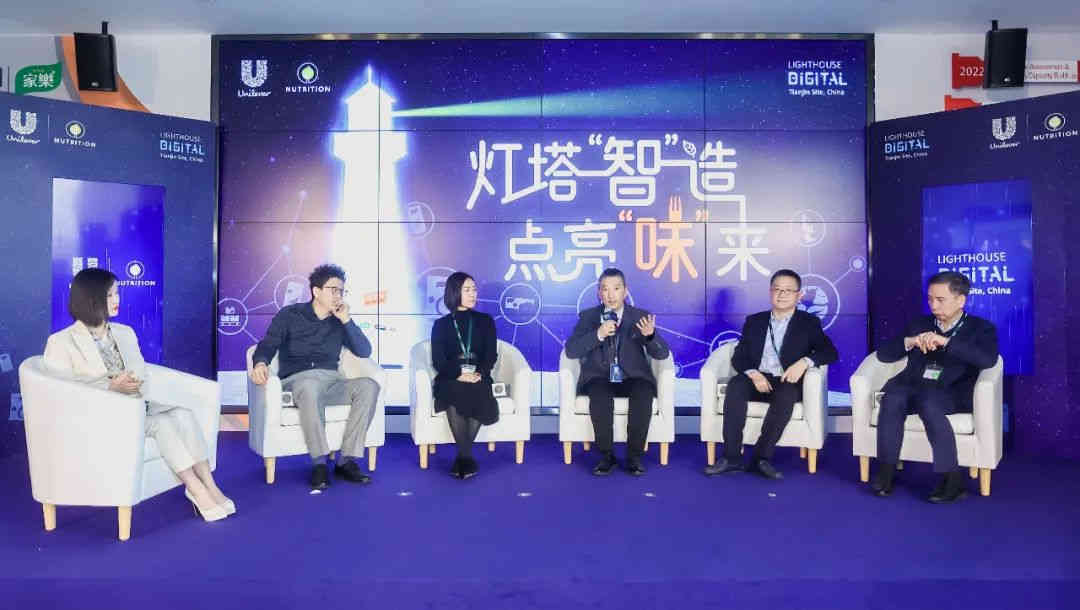
除了不断打磨“柔性”生产能力,餐饮制造的数字化推进还面临“人”和“数据”的挑战:如何改变参与人员的数字化思维意识,调动主观能动性;如何判断和挖掘大数据里潜藏的价值,服务于未来,服务于客户?
对这些问题进行深入思考与实践,将让中国餐饮工业的数字化转型更加平稳、务实。
三、灯塔之光,点亮食品强国梦想
今天的灯塔,就是明天的标准。——很多公司高管在谈及灯塔工厂的示范作用时,往往会这样表达。从联合利华天津食品工厂所展现出的高安全、高效率、低排放来看,灯塔工厂已经勾勒出食品产业面对未来的想象空间。数字化转型网www.szhzxw.cn
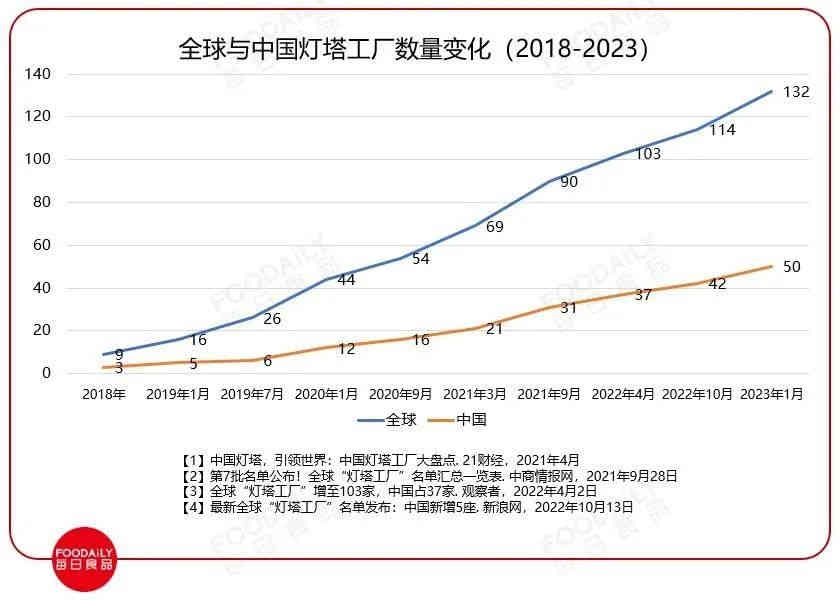
Foodaily查询到,截止今年1月,全球灯塔工厂已公布10批,总数达132家。而中国灯塔工厂,从2018年首次评选时3家上榜,到今天50家共同撑起“中国智造”的靓丽风景,所展现出的工业科技发展速度与大国气魄,令人自豪!数字化转型网www.szhzxw.cn
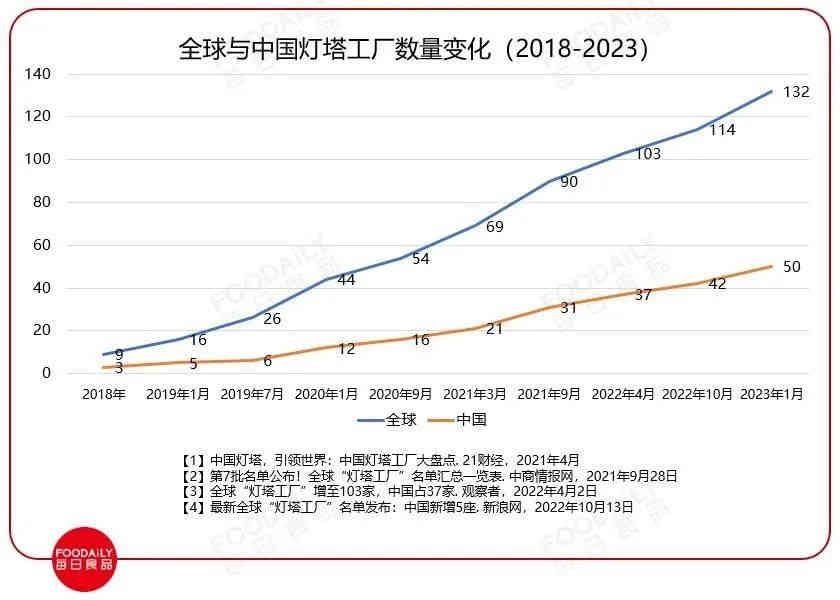
在50家落地中国的灯塔工厂里,食品工厂共有四家,分别是青岛啤酒青岛工厂、联合利华太仓食品生产基地、联合利华天津食品工厂、亿滋食品(苏州)有限公司。四家工厂涉及不同类型的食品品类,一起贡献了食品行业加快数字化转型的宝贵经验。数字化转型网www.szhzxw.cn
事实上,灯塔工厂的示范效应,正在让越来越多的人意识到:推动工业数字化、智能化进程,对中国经济稳步、高效增长意义重大。
2021 年底,《“十四五”智能制造发展规划》颁布。对于规模以上制造业企业的数字化提出2个关键节点:一是到2025年,70%的规模企业基本实现数字化网络化;二是到2035年,全面普及数字化网络化,重点行业骨干企业基本实现智能化。
由此关联到全国8100多家(数据来源:中商情报网,2020年)规模以上食品制造企业,数字化改造的路线图与任务的艰巨性已清晰可见。数字化转型网www.szhzxw.cn
而对于数量更多的中小企业,数字化改造也已经提上日程。
今年的政府工作报告就明确提到:要加快传统产业和中小企业数字化转型,着力提升高端化、智能化、绿色化水平。全国人大代表、盐津铺子食品股份有限公司董事长张学武在两会上建议:通过工信部智能制造项目、科技部重大专项,引导国内食品头部企业加速向智能制造和数字化转型,成长为食品领域的“灯塔工厂”,为中小企业提供转型示范和服务。此外,还需要强化食品数字化基础设施建设,打造公用云服务平台,并以平台为依托,推动食品产业集群化,培育数字化生态。
无论是规模企业,还是中小企业,都将在数字化改造中重获新生。这对于正在加速迈向制造强国的中国来说,是必须经历的过程。数字化转型网www.szhzxw.cn
海通证券不久前发布的研究报告指出,2021年,中国制造业增加值规模已占全球的30%,其中食品饮料烟酒占25.9%,称得上名副其实的食品制造大国。
然而,以机械设备、精密零部件为代表,我们在高端制造领域的薄弱则成为从“大国”迈向“强国”急需解决的问题。灯塔工厂引领的行业数字化升级,正是中国追赶“高端差距”的现实选择。
从这个意义上看,灯塔,今天照亮的是一座座完成数字化升级的食品工厂;明天,将点亮我们食品强国的宏伟梦想!数字化转型网www.szhzxw.cn
参考资料:
1、 面对经济逆风,18家“灯塔工厂”展示如何通过在生产网络中推广先进技术来提升绿色生产力. 世界经济论坛,2023年01月13日
2、 洞察2021:中国调味品行业竞争格局及市场份额. 前瞻产业研究院,2021年10月
3、 2022年调味品行业走势需重点关注六个变化. 中国调味品协会,2022年1月12日
4、 大变局下,数字化将深度改造餐饮业. 红餐网,2022年3月15日
5、 国联水产智能化新工厂投产. 中国证券报,2019年9月26日
6、 加加食品数字化转型提速. 中华工商时报,2022年9月21日
7、 用科技重新定义美味,天味食品智慧工厂建成投产. 天味食品官网,2022年7月7日
8、 中国灯塔,引领世界:中国灯塔工厂大盘点. 21财经,2021年4月
9、 人民的代表 | 张学武:打造食品“灯塔工厂” 加速智能化数字化转型. 红网,2023年3月2日
10、 从全球价值链看中国制造业优劣势——现代化产业体系研究系列3. 海通证券,2023年3月15日
翻译:
On March 21, Unilever Tianjin Food Industrial Park held the “Lighthouse factory” lighting ceremony. After Hefei Industrial Park and Taicang Ice Cream Factory, this is the third Unilever factory in China to win the Lighthouse certification award, and the first in the global condiment industry.
Mr. Chen Yixing, Executive President of Unilever Food Planning, Mr. Zhang Haitao, President of Unilever Food Nutrition North Asia, Mr. Bai Yan, Executive Vice President and Secretary General of China Condiment Association, Mr. Ding Gang Qiang, Director of Nutrition and Health Institute of China Center for Disease Control and Prevention, and other guests were present to witness the glory moment of Unilever and China’s condiment industry together with guests and invited media.
Foodaily then visited the fully intelligent production plant, interviewed Haitao Zhang, president of Unilever Food Nutrition North Asia. And participated in a roundtable discussion on the topic of “digital transformation of the catering industry.”数字化转型网www.szhzxw.cn
After experiencing the high efficiency of the Lighthouse factory up close, understanding the challenges and tests in the construction process of the factory, and listening to the expectations of Unilever executives on the Lighthouse factory to enable the future business of catering, Foodaily can not help but sigh: The rapid trend of digitalization of the food industry is unstoppable.
Could Unilever’s path to digital innovation at its Tianjin food factory be a model for other food companies? In the face of surging new consumption and the rapid evolution of public dietary demands, can the transformation and upgrading of the production end represented by Lighthouse Factory help the food industry, especially the catering industry, to a new realm?
The wave of Industry 4.0 for 9 years, the end of the lighthouse light
It is understood that the Unilever Tianjin food factory was built in 2014 and officially put into operation in September 2015. With the production of “KNORr” brand chicken essence, chicken powder and “Haolemen” brand salad dressing. It has become an important supply base for United Lee in North Asia.
At that time, when China and Germany carried out Industry 4.0 cooperation. The new generation of industrial production mode integrating sustainable and intelligent concepts was rapidly heating up in China. Therefore, when the Tianjin food factory was planned, elements such as renewable energy, water pollution treatment. And zero landfill were reflected in the design scheme. By the time it went into production, it was Unilever’s most technologically advanced and modern factory in the world.
In April 2022, Unilever invested 51 million yuan to build a new sauce production line in its Tianjin food factory. Production line adopts the world’s advanced manufacturing technology and digital manufacturing system, in product quality, customer service, end-to-end value stream efficiency, environmental protection and sustainable development are the leading level in China. When it was completed and put into operation in October of that year. The Tianjin Food Factory not only had the complete production capacity of solid, semi-solid and liquid seasonings. But also became Unilever’s largest comprehensive condiment production base in North Asia. And had achieved the overall digital upgrade.数字化转型网www.szhzxw.cn
On January 13 this year, after strict evaluation, Unilever Tianjin Food factory was shortlisted in the latest edition of the World Economic Forum’s list of global lighthouse factories.
Relying on AI empowerment, Tianjin Lighthouse Factory has achieved highly automated “black light production”, and the labor productivity of the black light factory has increased by 96%. Covering an area of 154,000 square meters, all electricity is green, effectively reducing carbon emissions by 17%. In terms of order execution and customer management. The Lighthouse factory also showed strong advantages – order delivery time was reduced by 40%, customer complaints were reduced by 62%, and the number of customers was doubled.数字化转型网www.szhzxw.cn
Wu Wei, head of the food and nutrition supply chain in North China Region of United Li, summarized the supply chain characteristics of Lighthouse Factory into three highlights: 1. The enterprise’s big data terminal provides the best personalized plan for target customers and ADAPTS to the rapidly iterative market demand; 2. 2. Ai enables end-to-end supply chains, optimizes order execution and distribution platforms, improves delivery and optimizes inventory. 3, the whole process of the supply chain can be traced to eliminate safety risks and ensure health quality.
Although the charm of the lighthouse factory is gratifying, the journey to the lighthouse is actually full of challenges.
The first challenge is how to make energy greener. As a collection of advanced manufacturing mode, lighthouse factory must show green concept in energy use. Unilever’s Tianjin Lighthouse plant uses photovoltaic panels and windmills in the park to achieve 100% clean energy supply. In 2021, the plant’s electricity consumption will be integrated into the National grid and obtained green certification. In terms of steam use, Unilever has worked closely with local thermal energy enterprises in Tianjin to convert part of the steam traditionally made from coal and natural gas to biological process (straw, wood chips, etc.), effectively reducing the carbon emissions of steam energy. By the end of 2023, the Tianjin plant is expected to achieve zero carbon.数字化转型网www.szhzxw.cn
The second challenge is how to seamlessly connect with upstream and downstream customers. The lighthouse factory is not only a digital transformation of machinery and equipment, laying intelligent systems, but also needs to be connected from the machine, to the interconnection between the factory/production line, to the interconnection of various business departments within the company, and finally to the smooth connection with the upstream and downstream of the enterprise, which can achieve “end-to-end” intelligent management.数字化转型网www.szhzxw.cn
On the client side, Tianjin Lighthouse Factory uses a tailor-made 7*24 hours digital sales system to allow customers to grasp the inventory situation in real time and issue more accurate and rapid needs. The factory can also grasp the retail purchase quantity, product price, and sales feedback information in real time, from which market preferences can be analyzed to help the factory adjust product development and production plans.
For the supply side, Tianjin Lighthouse Factory aligns its understanding with suppliers through constant communication. Provide help in hardware and software upgrade, improve supply efficiency and reduce costs, so that suppliers can release transformation power.
Suzhi Food, Lighthouse and Wave: How can the catering industry accelerate digital transformation?数字化转型网www.szhzxw.cn
In April 2003, Dianping was born. It not only creates a business mode with more equal and transparent information and higher operational efficiency for the local living consumption of Chinese people, especially catering consumption, but also becomes the beginning of the exploration of digital technology in China’s catering industry due to the massive accumulation of consumption evaluation and preference on the big data platform.
In the past few years, thanks to the strong promotion of the Internet platform, coupled with the twists and turns of the consumer market, catering enterprises have sought a more flexible and efficient business model, the digital wave of China’s catering industry, in the sit-down food, take-out and other formats of the wind. The use of various digital management tools has broken the limitations of catering enterprises in time and space. And helped improve the dimensions of operation efficiency, cost control, and customer experience.数字化转型网www.szhzxw.cn
Unlike C-end restaurant companies that focus on store management and private sector operations, the digital transformation of catering processing and manufacturing is more challenging. Take condiments as an example: in 2020, the industry’s market concentration CR5 is only 19%, making it the most fragmented sub-industry among daily consumer goods. A large number of small and medium-sized enterprises are born out of traditional manual workshops, or local cooperatives and non-staple food factories, which are restricted by scale, size and capital, and the industrialization level of the vast majority of production lines is low, which is difficult to cope with the rapidly changing market.
At the consumer end, the national demand for catering food is more and more diversified, and taking into account delicious, healthy and convenient has become the most basic dietary demands.
The market for prepared dishes and compound condiments continues to heat up, promoting catering manufacturing enterprises to increase production capacity. The China Condiment Association released a report last year titled “Stable and Promising – Condiment Industry in the New Era”, which pointed out that from the second half of 2019 to 2021, 12 condiment enterprises above designated size in the country invested in new or expanded production capacity, with an average investment limit of 1 billion yuan.
The improvement of the capacity of the catering industry will inevitably require higher requirements for production efficiency, quality management, cost control, and the sustainable social mission of the manufacturing industry. In addition, the shortage of labor faced by the manufacturing industry during the epidemic has made catering enterprises more aware of the importance of intelligent production. Foodaily learned that in the first year of the epidemic, Unilever’s Tianjin food factory began to plan the digital upgrade of its production line – moving toward a lighthouse factory.
Catering processing plants in the industrial chain in the core position. Its technological upgrading will undoubtedly drive the overall development of the industrial chain. From the large-scale application of automated pretreatment, cooking and cleaning equipment in early central kitchen factories, to fully automated production lines for continuous production, relying on the Internet of Things (IoT) and robotics, to today’s ubiquitous food beacon factories. The digitization of food manufacturing is evolving rapidly. The landing of a large number of benchmark factories provides catering enterprises with ideas for digital upgrading.数字化转型网www.szhzxw.cn
In an interview, Zhang Haitao, president of North Asia Region of Unilever Food Nutrition, said:
In the construction process of Tianjin Lighthouse factory, the valuable experience of other Unilever lighthouse factories in process integration and enterprise capacity building was referred to. However, due to the differences between the food industry and the specific business demands, many software, hardware design, and operational model transformation are unique.
Not only is the construction of lighthouse factories, many catering processing companies are also exploring their own digital model. From the intelligent factory with the largest scale and the highest standard in the aquatic industry, to the soy sauce production line that effectively solves the problems of online detection, prediction and optimization control, to the MES intelligent condiment operating system that realizes automatic feeding and stir-frying, the unremitting efforts of catering processing enterprises in the digital transformation are injecting vitality into the development of the industry. The continuous innovation of food and beverage consumption trends points out the future direction for digital transformation and upgrading.数字化转型网www.szhzxw.cn
At the roundtable discussion on “Digital Transformation of the Catering Industry” held on the day of the event. Foodaily believes that the highly intelligent catering production side should also go further in “flexible” capabilities: 1. Under the general trend of pursuing healthy diet, can we combine the new dietary guidelines and the daily functional demands of different people to achieve scientific, accurate and rapid optimization of product formula? 2. For many subdivided products, can we complete differentiated production according to the individual needs of appearance, packaging form and specifications in different scenarios?数字化转型网www.szhzxw.cn
In addition to constantly polishing the “flexible” production capacity, the digital promotion of catering manufacturing also faces the challenges of “people” and “data” :
how to change the digital thinking consciousness of participants and mobilize subjective initiative. How to judge and tap the hidden value in big data, serve the future and serve customers?
In-depth thinking and practice on these issues will make the digital transformation of China’s catering industry more stable and pragmatic.
The lighthouse light, light up the dream of food power
Today’s beacon is tomorrow’s standard. — This is what many company executives often say when they talk about the exemplary role of the lighthouse factory. From the perspective of the high safety, high efficiency and low emissions demonstrated by Unilever’s Tianjin food factory, the Lighthouse factory has outlined the imaginary space for the food industry to face the future.
Foodaily found that as of January this year, the global lighthouse factory has announced 10 batches, a total of 132. China Lighthouse factory, from the first selection in 2018, 3 listed, to today 50 jointly held up the beautiful scenery of “China’s wisdom”, showing the speed of industrial science and technology development and great power of courage, proud!数字化转型网www.szhzxw.cn
Among the 50 lighting tower factories in China, there are four food factories, namely Tsingtao Beer Qingdao Factory, Unilever Taicang Food production base, Unilever Tianjin Food Factory, and Mondelez Foods (Suzhou) Co., LTD. The four factories cover different types of food categories and together contribute valuable experience in accelerating digital transformation in the food industry.
In fact, the demonstration effect of the lighthouse factory is making more and more people realize that promoting the process of industrial digitalization and intelligence is of great significance to the steady and efficient growth of China’s economy.
At the end of 2021, the “14th Five-Year Plan for Intelligent Manufacturing Development” was promulgated.
For the digitization of manufacturing enterprises above designated size, two key nodes are proposed:. First, by 2025, 70% of large-scale enterprises will basically realize digital networking. Second, by 2035, digital networking will be fully popularized, and key enterprises in key industries will basically realize intelligence.数字化转型网www.szhzxw.cn
This is linked to more than 8,100 food manufacturing enterprises above designated size in the country (data source:. China Business Information Network, 2020), and the roadmap of digital transformation and the arduousness of the task are clearly visible.
For a larger number of small and medium-sized enterprises, digital transformation has also been put on the agenda.
This year’s government work report clearly mentioned that it is necessary to accelerate the digital transformation of traditional industries and small and medium-sized enterprises. And strive to improve the level of high-end, intelligent and green. Zhang Xuewu, deputy to the National People’s Congress and chairman of Yanjin Shop Food Co., LTD., suggested at the two sessions: Through the intelligent manufacturing project of the Ministry of Industry and Information Technology, major projects of the Ministry of Science and Technology, guide domestic food head enterprises to accelerate the transformation to intelligent manufacturing and digital transformation, grow into a “lighthouse factory” in the food field. And provide transformation demonstration and services for small and medium-sized enterprises. In addition, it is also necessary to strengthen the construction of food digital infrastructure, build a public cloud service platform. And rely on the platform to promote the clustering of the food industry and cultivate digital ecology.数字化转型网www.szhzxw.cn
Both large enterprises and small and medium-sized enterprises will be reborn in the digital transformation.
This is a necessary process for China, which is accelerating toward becoming a manufacturing power.
Haitong Securities recently released a research report pointed out that in 2021. China’s manufacturing value added scale has accounted for 30% of the world, of which food and beverage tobacco and alcohol accounted for 25.9%, worthy of the name of the food manufacturing power.
However, represented by machinery and equipment and precision parts. Our weakness in the field of high-end manufacturing has become an urgent problem to be solved from a “big country” to a “strong country”. The digitalization upgrade of the industry led by the lighthouse factory is the realistic choice for China to catch up with the “high-end gap”.数字化转型网www.szhzxw.cn
In this sense, the lighthouse today illuminates food factories that have completed digital upgrades. Tomorrow, will light up our food power of the grand dream!
本文由数字化转型网(www.szhzxw.cn)转载而成,来源于Foodaily每日食品;编辑/翻译:数字化转型网宁檬树。

免责声明: 本网站(http://www.szhzxw.cn/)内容主要来自原创、合作媒体供稿和第三方投稿,凡在本网站出现的信息,均仅供参考。本网站将尽力确保所提供信息的准确性及可靠性,但不保证有关资料的准确性及可靠性,读者在使用前请进一步核实,并对任何自主决定的行为负责。本网站对有关资料所引致的错误、不确或遗漏,概不负任何法律责任。
本网站刊载的所有内容(包括但不仅限文字、图片、LOGO、音频、视频、软件、程序等) 版权归原作者所有。任何单位或个人认为本网站中的内容可能涉嫌侵犯其知识产权或存在不实内容时,请及时通知本站,予以删除。