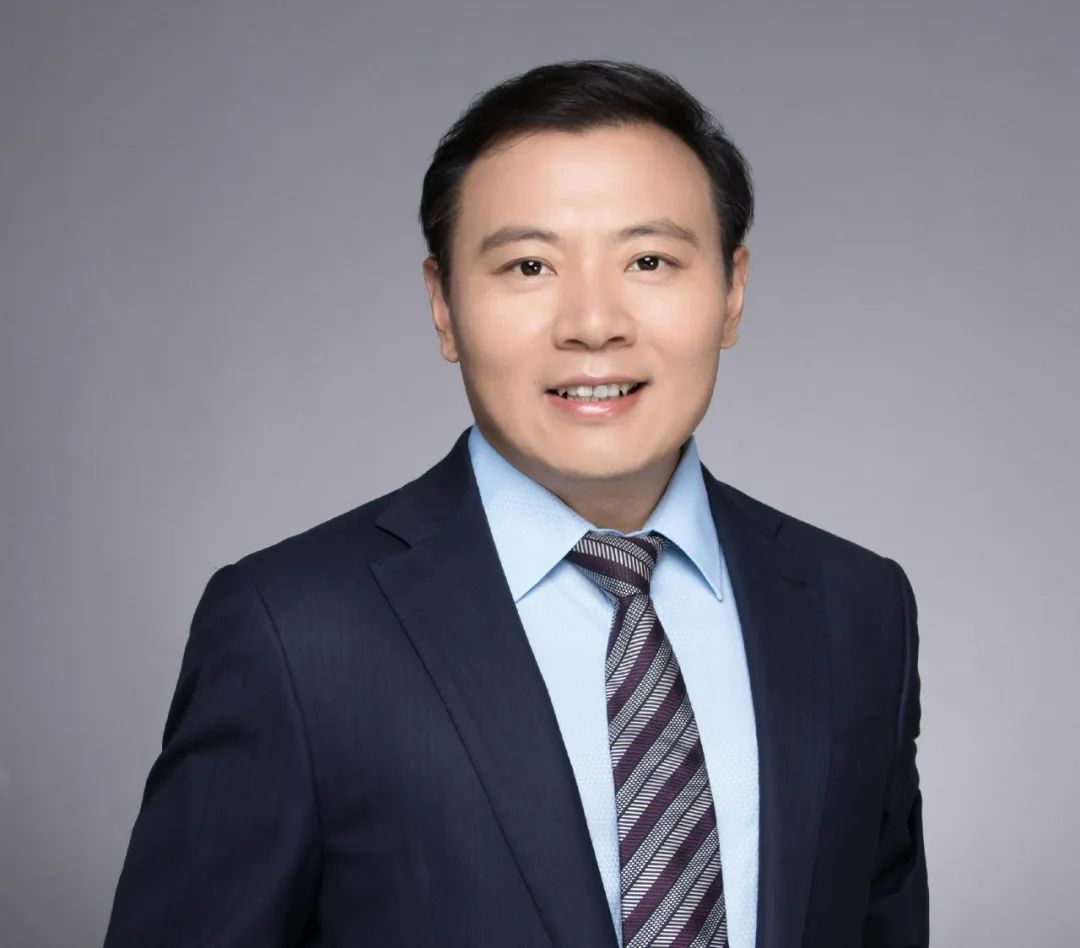
任泽平,经济学界的风云人物之一。
作为一名经济学家,他曾数次预测股市、房地产,并提出不少观点。不管是早些年的“5000点不是梦”,还是前几年的“中国房地产长期看人口,中期看土地,短期看金融”,亦或是近年来的“当下不投新能源,就如20年前不买房”,他的言论总是踩中时代情绪,引发大众探讨。
作为年轻一代学者,他对记者表示,希望用知识推动社会的进步,做有责任、有温度、有情怀的研究。
在当前的形势下,任泽平对全球和中国经济有何看法?他对城市发展和房地产困境提出了哪些意见?带着诸多问题,记者在农历新年到来前,与任泽平展开了以下对话。
一、2024年财政和货币政策仍有较大空间,关键是提振信心
Q:你一直呼吁“全力拼经济”,对2024年有没有一些政策建议以提振经济?
任泽平:去年也好,今年也好,我们面临的主要问题还是需求不足,那么在需求不足的情况下,我认为经济学讲得是非常清楚的,就是扩大需求。
我们的财政政策、货币政策,空间都很大。
比如财政政策。未来这几年我们要大搞新基建。因为我们要发展新能源、数字经济、人工智能高端制造,这些都需要国家在新型基础设施建设投入“重兵”。中国强大的基础设施成就了中国制造。未来中国的新基建,就要抓住新能源革命的机遇,人工智能革命的机遇,数字经济的机遇,高端制造的机遇。人工智能背后就是我们的大数据中心,我们的算力,我们的服务器,我们的存储,这些都是大国重器。
第二,向生育人群发消费券。现在比较先进的生育理念是让生育成本在不同的主体之间进行分担,是降低生育、养育、教育成本。我们谈到民族复兴,中华民族的伟大崛起,最终是要靠人干。低生育率的根本原因就是生育成本太高,我们应该在生育补贴、女性就业权益的保障(方面推出相关政策)。只要这些政策能够落地,中国生育率是能够提升的。对生育人群定向进行补贴,短期有利于扩大需求,长期有利于整个社会活力的提升。
再比如货币政策,我觉得空间也很大。因为现在的物价已经负增长了,企业的实际融资成本是上升的,怎么办?那就得降息。降息一个很重要的作用就是降低我们企业和地方债务的负担。不仅(要)降贷款利率,还要降存量的利率,留得青山在不怕没柴烧,大家轻装上阵了,债务负担下降了,就肯定会去消费,企业也愿意投资。 数字化转型网(www.szhzxw.cn)
还有就是房地产调控。现在房地产大开发时代已经落幕,这时候应该把此前过紧的房地产政策予以松绑。因为房地产还关系到土地财政,为什么现在地方财政压力大?根本原因就是占地方可支配财力56%的土地财政压力大。地方没有土地财政,搞基建的“弹药”就没有了,这是一个循环。
第四,要提振民营经济的信心。我们要给企业家安全感和稳定的预期,还有提振民营经济的相关政策。
Q:基于这些趋势,还有你对这些领域的一些判断,你觉得2024年中国经济发展的关键是什么?
任泽平:我觉得关键就是提升信心。比如股市,我们经常讲股市是货币的晴雨表、经济的晴雨表,但我认为,股市是信心的晴雨表。企业家为什么投资?就是因为对未来有信心才会投资,因为投资就是投未来,有一定的周期才能获得回报,如果对未来没有信心,企业家是不会做投资的,所以2024年最重要的事,我认为就是提振信心,提振企业家的信心,提振居民消费者的信心。
其次,就是提振外资的信心,要让这些外国的企业家增强对中国经济发展前景光明的信心。但怎么提振信心?根本上就是我们说的要“全力拼经济”,同时通过一些制度和机制,为大家提供一个安全稳定的预期,让大家安居乐业,让大家积极地去做长远的投资。
二、解决房地产问题要“人地挂钩”,土地财政亟待转型
Q:你提到现在房地产大开发时代已经落幕了,如何解决这种土地财政跟地方债务的问题?
任泽平:其实中国房地产大开发时代落幕,一个很重要的原因就是1962年至1976年这波婴儿潮人口(红利退散)。我讲过一个观点,“房地产长期看人口、中期看土地、短期看金融”。过去20年的中国房地产虽然有短周期的波动,但整体向上,因为人口周期是向上的。未来20年中国房地产也只有一个周期,那就是调整和分化。
调整即消化此前的高库存、高杠杆、高房价,分化就是人口流入的20%的城市还有机会,人口流出的70%的中国绝大部分城市房地产投资机会已经没有了。所以这就是我们说的,房地产大开发时代落幕。但是因为土地财政和它紧密关联,我们有60多个行业、大约几千万人就业都跟房地产有关,(所以)行业怎么办?我认为有几个点比较关键: 数字化转型网(www.szhzxw.cn)
第一,一定要软着陆,避免硬着陆。冰冻三尺非一日之寒,不要急于一时把它解决,不要主动去刺破泡沫,要慢慢地化解。打个比方,10年内房价不涨,10年以后房价不就不高了吗?所以房价暴涨不好,暴跌影响也很大,就业、烂尾楼、银行的不良贷款都会受到影响,一定要平稳健康发展,一定要软着陆。
第二,人地挂钩。中国房地产走到今天还有解,现在最大问题是人地错配,一二线城市为什么高房价?三四线城市为什么高库存?就是因为人口往一二线城市流入,但不给他供地,(导致)那个地方人都跑了。所以中国房地产未来10年的平稳健康发展在技术上是有解的,但是根本上要解决我们认识问题。
第三,土地财政转型。我觉得这里有几个方面:
一是国家现在提出的,要过紧日子。
二是股权财政(转型),就是政府要成为服务型政府。哈尔滨和淄博为什么火爆?根本就是服务性政府的胜利,如果地方卖不动地了,要靠什么吸引企业、吸引游客?这时候服务型政府就变得越来越重要。哈尔滨也好,淄博也好,就是服务型政府的溢价,大家是投票投出来的。
三是要进行一些财税体制的改革。中国现代财税体制的基础是1992年分税制,分税制是把大量的事权下移,财权上收,然后再通过默许地方政府进行城市经营和土地财政来弥补这个缺口。现在土地财政已经难以为继,中央要适当上收一部分事权,同时下放一部分的财权。在一些成熟的市场经济国家,消费税、个人所得税,还有房地产税(我们现在还没有开征),这些其实都是地方税。房地产税和个人所得税能把人吸引来,说明政府做得好。地方的税种有利于激励地方变成一个服务型政府,税不简单是个收入,还是一个激励机制,它是对地方政府行为的一个激励和导向,所以我们税制也要进行调整,包括事权的上收。
我觉得通过这一系列的调整,就能够化解我们现在土地财政转型的问题,在技术上都是有解的。
Q:你之前提出“三招可救当前地产”,这三招施行起来面临着哪些困难?全面取消限购后,一二线城市市场会不会过热?房地产出清以后,行业以后会呈现什么样的特征?
任泽平:中国房地产现在的主要问题不是防过热,是防过冷。那么我认为,如果全面放松限购,中国房地产不会出现过热问题,原因非常清楚: 数字化转型网(www.szhzxw.cn)
第一,我们的经济增速换挡了。
第二,这些年我们并没有出现货币的超发。
第三,人口往城市的流入也是放缓的。最近三五年,北京的净增人口基本停滞了。最重要的预期改变了,以前大家觉得买房子就能涨,要赶紧“上车”,现在这个预期在改变。所以我觉得不用担心放松限购,房价会出现报复性反弹,这个认知是不符合现在实际情况的。现在房地产主要的问题不是防过热,是防过冷,是防止硬着陆,要力促房地产的软着陆。
我们要对形势有充分的预估。一方面,我们要搞“三大工程”,要搞保障房租赁房,这是国家提出的战略。另一方面,放松限购、组建住房银行、尽快推动一些企业的并购重组,支持优秀企业去并购。还有一定要加大保交楼的力度,一定要通过一些方法(去解决),比如我们提出的组建住房银行,国家把开发商手里的库存收了用来作为保障性租房,企业也救活了,地方财政也解决了,烂尾的问题也解决了。还有就是降息,首套房存量房贷利率下调是善政,未来可以考虑降低二套房的存量房贷利率,降低居民的利息支出负担,然后通过降准降低银行的负债成本。
三、政府要转型为服务型政府,城市建设应顺应人口迁移规律
Q:现在很多城市都会因为意外的网红流量火起来,你对这种城市发展现象怎么看?
任泽平:我觉得是个好事,要为这些城市鼓掌。以前地方政府想着怎么把自己的城市经营好,把地卖好,招商引资。未来是什么?就是要为当地居民、外来游客服务好。所以这时候,服务型现代政府就变得特别重要,城市经营者的角色要发生变化。
无论是淄博也好,哈尔滨也好,大家觉得这个地方很有人情味,很有服务理念,很有安全感。烧烤这个东西在哪都能吃,但大家就是愿意为了淄博这种服务型政府买单。哈尔滨的旅游经济也不是一天两天了,过去10年、20年都有,但是为什么今天火爆了?是因为哈尔滨政府的理念为大家所认可,他们也在不断地进步。
Q:当前都市圈还有哪些发展潜能?低能级城市都该如何发展?
任泽平:我觉得中国都市圈城市群的发展,最终是要尊重经济规律。
我们研究过几十个经济体人口迁移的规律,城市化基本分为两个阶段。第一阶段,城镇化率在60%之前,人从农村到城市,一二三四五六线城市人口都是增加的。第二阶段,城镇化率超过60%,人是都市圈城市群化的。大家向往更先进的文明,因为这里更有活力,更有效率,更能为年轻人带来梦想。所以尽管现在日本老龄化非常严重,但日本的年轻人仍源源不断往东京迁移。中国需要做的很简单,就是顺应这样一个规律。 数字化转型网(www.szhzxw.cn)
2023年中国城镇化率估计会突破66%,2022年是65.22%,一旦人往都市圈城市群迁移,就要给他供地,要改善基础设施,要建医院、学校。我们过去因为对这个问题认识不够,在西部低能级城市建了很多学校,现在都荒废了。所以医院、学校用地的指标,要尽快顺应都市圈城市群人口流入的趋势。东北要做现代化农业,把人口自然地往南方迁移以后,我们的现代化农业、规模化农业就做起来了。所以发展的目的是什么?国家讲得非常清楚,就是以人为本。
Q:人口老龄化对中国经济有什么影响?
任泽平:中国老龄化的速度和规模是前所未有的,这既是挑战也是机遇。老龄化加速到来,意味着大健康产业一定是巨大的赛道。生物制药、健康医美、保健等领域,养老基础设施建设,护工行业,都会迎来大发展。
Q:你和梁建章等专家发起创立了育娲人口,发布了《中国育儿补贴报告》《中国婚姻家庭报告》《中国生育成本》《中国人口预测》等很有影响的报告,初心是什么?未来有什么想法?
任泽平:初心很简单。比如吴敬琏、厉以宁、林毅夫老师,他们这一代学者的使命,我认为是进行市场经济的启蒙。好的市场经济,坏的市场经济,市场经济与计划经济有什么不同?那么我们这一代学者,算是中青年这一代,我认为,一方面是继续普及市场经济的一些基本常识。另一方面,是对于时代所提出的命题,比如房地产问题、人口问题,给出我们这一代学者的解答。
学者要用知识推动社会的进步,做有温度、有情怀、有专业、有责任的研究,这是我们当时发起育娲人口的一个初衷,也是我创立泽平宏观的初衷。
四、企业机遇在专业大模型,要加速新能源革命
Q:现在各行各业都在搞人工智能,很多媒体也在讲未来是AI时代,比如新能源汽车领域的智能化趋势等,科技的进步的确带来巨大的机会,但是企业怎么去抓住?
任泽平:我觉得每个企业、每个人,到最后都是时代的产物,顺势而为是最大的智慧。我们现在面临两大技术革命,新能源革命和人工智能革命。其中人工智能革命,对我们的影响是巨大的。类似于十几年前的移动互联网,它会改写所有行业以及每个人。
其实我们现在已经活在人工智能技术革命所影响的每个领域之下,比如现在很多人刷的短视频,都是算法推荐的。人工智能是不断迭代的,那么企业如何抓住机遇?现在大家都开始去卷通用大模型,我觉得是有问题的。通用大模型一般人根本搞不了,大部分人的机遇是专业大模型,基于通用大模型做应用开发,这对绝大部分企业来说都是机遇。 数字化转型网(www.szhzxw.cn)
Q:你说过“当下不投新能源,就像20年前不买房一样”,但是很多人会觉得新能源现在也是在走房地产的老路,也是在野蛮生长,怎么看待这个问题?
任泽平:我觉得产业的发展,市场的规律,就是个“野孩子”。没有哪个产业是通过规划出来的,尤其是技术革命,所以(有这个想法)无可厚非。但是产业自身也在迭代。最早新能源汽车、锂电、光伏风电这些行业起来的时候,大家看不懂。现在储能、智能驾驶、激光雷达、车载芯片,还有智能驾驶系统背后的大模型,也处在看不懂的阶段。所以新能源的革命还远远没有结束。
未来我觉得中国新能源有三大忧虑,同时也是三大机会:
第一,美国推出了通胀法案,欧洲制定了2035年的燃油车禁售表,这意味着我们出口的过程中,锂电新能源汽车成本会上升,所以中国要加速新能源的到来。
第二,如果到了智能驾驶的时代,我们会有两个短板:芯片和软件。人工智能的芯片一定是先进芯片,还有智能驾驶系统的大模型基于软件技术开发。开发中国自己的智能驾驶系统,我觉得非常关键。不然一旦智能驾驶时代到来,我们要么被“卡脖子”,要么出不了国门。
第三,储能是中国巨大的机会。中国缺油少气,但中国有大量的沙漠,有广阔的海岸线,这是为风电、光伏等绿电发展提供重大的机遇。但是我们现在的储能,劣币驱逐良币。很多储能不能用或者效率低,又或者技术落后。只要我们采取更加市场化,更加公开透明的措施,同时有一些战略的提前谋划,中国是有希望抓住第三次能源革命,并且成为新能源革命这个牌桌上主要的玩家。

翻译:
Ren Zeping: Current economic situation and countermeasures
Ren Zeping, one of the most influential figures in the economic circle.
As an economist, he has predicted the stock market and real estate several times, and put forward many opinions. Whether it is “5,000 points is not a dream” in the early years, or “China’s real estate long-term population, mid-term land, short-term finance” in the previous years, or “do not invest in new energy now, just as you did not buy a house 20 years ago” in recent years, his remarks always step on the mood of The Times, triggering public discussion. 数字化转型网(www.szhzxw.cn)
As a young generation of scholars, he told reporters that he hopes to promote the progress of society with knowledge, and do research with responsibility, temperature and feelings.
Under the current situation, what is Ren Zeping’s view on the global and Chinese economy? What does he say about urban development and real estate woes? With many questions, before the arrival of the Lunar New Year, the reporter and Ren Zeping launched the following dialogue.
First, there is still room for fiscal and monetary policies in 2024, and the key is to boost confidence
Q: You’ve been calling for an “all-out economy.” Do you have any policy proposals for 2024 to boost the economy?
Ren Zeping: No matter last year or this year, the main problem we face is still insufficient demand, so in the case of insufficient demand, I think economics is very clear, that is, to expand demand.
We have plenty of room in our fiscal and monetary policies.
Consider fiscal policy. We’re going to build a lot of new infrastructure in the next few years. Because we want to develop new energy, digital economy, artificial intelligence high-end manufacturing, these require the state to invest in new infrastructure construction “heavy troops.” China’s strong infrastructure makes it possible to make things in China. In the future, China’s new infrastructure must seize the opportunity of the new energy revolution, the opportunity of the artificial intelligence revolution, the opportunity of the digital economy, and the opportunity of high-end manufacturing. Behind the artificial intelligence is our big data center, our computing power, our servers, our storage, these are great powers.
Second, to give birth to the population of consumption vouchers. At present, the more advanced fertility concept is to share the cost of fertility among different subjects, and reduce the cost of fertility, parenting and education. We talk about national rejuvenation, the great rise of the Chinese nation, ultimately depends on people. The root cause of the low fertility rate is that the cost of childbirth is too high, and we should introduce relevant policies in maternity subsidies and protection of women’s employment rights. As long as these policies can be implemented, China’s fertility rate can be increased. Targeted subsidies for childbearing groups are conducive to expanding demand in the short term and improving the vitality of the whole society in the long term.
Taking monetary policy as another example, I think there is also plenty of room. Because now the price of goods has been negative growth, the real financing cost of enterprises is rising, how to do? Then you have to cut interest rates. A very important role of interest rate cuts is to reduce the burden of corporate and local debt. Not only will the interest rate on loans be cut, but also the interest rate on stocks will be cut, so that the green mountains are not afraid to run out of wood. When people pack light and the debt burden falls, they will certainly consume and enterprises will be willing to invest.
Then there is the real estate regulation. Now that the era of large-scale real estate development has come to an end, it is time to loosen the previous overly tight real estate policy. Because real estate is also related to land finance, why are local finances under great pressure now? The root cause is the financial pressure on land, which accounts for 56% of local governments’ disposable resources. There is no land finance in the local area, and the “ammunition” for homosexual construction is gone, which is a cycle.
Fourth, we need to boost confidence in the private sector. We need to give entrepreneurs a sense of security and stable expectations, as well as relevant policies to boost the private economy.
Q: Based on these trends and some of your judgments in these areas, what do you think will be the key to China’s economic development in 2024?
Ren Zeping: I think the key is to boost confidence. For example, the stock market, we often say that the stock market is a barometer of the currency, a barometer of the economy, but I think the stock market is a barometer of confidence. Why do entrepreneurs invest? It is because they have confidence in the future that they will invest, because investment is to invest in the future, there is a certain cycle to get returns, if there is no confidence in the future, entrepreneurs will not make investments, so the most important thing in 2024, I think, is to boost confidence, boost the confidence of entrepreneurs, boost the confidence of consumers.
Second, we need to boost the confidence of foreign investors, so that these foreign entrepreneurs can have more confidence in the bright prospects of China’s economic development. But how to boost confidence? At the same time, through some systems and mechanisms, we will provide people with a safe and stable expectation, so that they can live and work in peace and contentment, and so that they can actively make long-term investments.
Second, to solve the real estate problem to “link people to land”, land finance urgently needs to be transformed
Q: You mentioned that now that the era of large-scale real estate development has come to an end, how to solve the problem of land finance and local debts?
Ren Zeping: In fact, a very important reason for the end of China’s real estate development era is the wave of baby boomers from 1962 to 1976 (dividend withdrawal). I once said that “real estate depends on population in the long term, land in the medium term, and finance in the short term.” China’s real estate in the past 20 years, although there are short-term fluctuations, but the overall upward, because the population cycle is upward. In the next 20 years, China’s real estate has only one cycle, that is, adjustment and differentiation. 数字化转型网(www.szhzxw.cn)
The adjustment is to digest the previous high inventory, high leverage, and high housing prices, and the differentiation is that the 20% of the cities with the population inflow still have opportunities, and the majority of the cities with the 70% of the population outflow have no real estate investment opportunities. So this is what we call the end of the era of real estate development. But because land finance is closely related to it, we have more than 60 industries and about tens of millions of people employed are related to real estate, (so) what about the industry? I think there are a few key points:
First, we must make a soft landing and avoid a hard landing. Rome was not built in a day, don’t rush to solve it, don’t take the initiative to puncture the bubble, to slowly dissolve. For example, if the house price does not rise in 10 years, the house price will not be high after 10 years, right? Therefore, the skyrocketing housing prices are not good, and the plummeting impact is also great, and employment, rotten buildings, and non-performing loans of banks will be affected. We must develop steadily and healthily, and we must make a soft landing.
Second, the link between people and land. China’s real estate has come to today there is still a solution, now the biggest problem is the mismatch between people and land, why the first and second tier cities high housing prices? Why are third – and fourth-tier cities in high inventory? It is because the population flows into the first and second tier cities, but they do not provide land for them, [resulting in] the people in that place have fled. Therefore, the steady and healthy development of China’s real estate in the next 10 years is technically understandable, but fundamentally we need to solve the problem of understanding. 数字化转型网(www.szhzxw.cn)
Third, land finance transformation. I think there are several aspects:
First, the country is now proposing to live a tight life.
The second is equity finance (transformation), that is, the government should become a service-oriented government. Why are Harbin and Zibo hot? It is a victory for the service-oriented government. If the local land cannot be sold, what can we rely on to attract businesses and tourists? This is where service-oriented government becomes more and more important. Whether it is Harbin or Zibo, it is the premium of service-oriented government, and everyone voted for it.
Third, we need to reform the fiscal and taxation systems. The basis of China’s modern fiscal and tax system is the 1992 tax sharing system, which transfers a large amount of power down and collects financial power up, and then makes up the gap by acquiescing in urban management and land finance by local governments. Now that land finance is no longer sustainable, the central government should appropriately take over some of its administrative powers and delegate some of its financial powers to lower levels. In some mature market economies, consumption tax, personal income tax, and real estate tax (which we have not yet introduced) are actually local taxes. The fact that real estate taxes and personal income taxes can attract people shows that the government is doing well. Local taxes are conducive to encouraging local governments to become a service-oriented government. Tax is not simply an income, but also an incentive mechanism. It is an incentive and guidance for local governments to act.
I think that through this series of adjustments, we can solve the problem of our current land financial transformation, which is technically solvable.
Q: You proposed “three measures to save the current real estate” before, what are the difficulties faced in implementing these three measures? Will the market in first – and second-tier cities overheat after the full cancellation of purchase restrictions? After the real estate is cleared, what characteristics will the industry show in the future?
Ren Zeping: The main problem of China’s real estate is not to prevent overheating, but to prevent too cold. So I don’t think there will be an overheating problem in Chinese real estate if purchase restrictions are fully relaxed, for very clear reasons:
First, our economic growth has shifted.
Second, there has been no overissue of currency in recent years.
Third, the flow of people into cities has also slowed. In the last three to five years, Beijing’s net population growth has basically stalled. The most important expectation has changed, in the past, everyone thought that buying a house can rise, and we should hurry to “get on the car”, and now this expectation is changing. Therefore, I think there is no need to worry about loosening purchase restrictions, and housing prices will rebound in retaliation, which is not in line with the actual situation. Now the main problem of real estate is not to prevent overheating, is to prevent too cold, is to prevent a hard landing, to promote a soft landing of real estate. 数字化转型网(www.szhzxw.cn)
We should have a good estimate of the situation. On the one hand, we need to carry out the “three major projects”, and we need to develop affordable housing rental housing, which is a strategy proposed by the state. On the other hand, relax purchase restrictions, set up housing banks, promote the merger and reorganization of some enterprises as soon as possible, and support excellent enterprises to mergers and acquisitions. We must also increase the efforts to guarantee the delivery of housing, and we must pass some methods, such as the establishment of a housing bank, the state has collected the inventory in the hands of developers and used it as affordable rental housing, enterprises have been saved, local finance has been solved, and the problem of rotten ends has been solved. There is the interest rate cut, the first housing stock mortgage interest rate reduction is good governance, the future can consider reducing the stock mortgage interest rate of second homes, reduce the interest expense burden of residents, and then reduce the bank’s debt cost by lowering the reserve ratio.
Third, to transform the government into a service-oriented government, urban construction should conform to the law of population migration
Q: Nowadays, many cities will become popular due to unexpected online celebrity traffic. What do you think about this phenomenon of urban development?
Ren Zeping: I think it’s a good thing. Applaud these cities. In the past, local governments thought about how to run their own cities well, sell land well, and attract investment. What is the future? It is to serve local residents and foreign tourists well. Therefore, at this time, service-oriented modern government becomes particularly important, and the role of city operators should change.
Whether it is Zibo or Harbin, we feel that this place is very human, very service concept, and very safe. Barbecue can be eaten anywhere, but people are willing to pay for Zibo’s service-oriented government. Harbin’s tourism economy is not a day or two days, the past 10 years, 20 years have, but why today’s hot? Because the ideas of the Harbin government are accepted by everyone, and they are constantly improving.
Q: What is the development potential of the current metropolitan area? How should low-energy cities develop?
Ren Zeping: I think the development of urban agglomerations in China ultimately needs to respect economic laws. 数字化转型网(www.szhzxw.cn)
We have studied the patterns of population migration in dozens of economies, and there are basically two stages of urbanization. In the first stage, before the urbanization rate is 60%, people will move from rural to urban areas, and the population of first-tier cities will increase. In the second stage, the urbanization rate is more than 60%, and the people are urban agglomerations. People yearn for a more advanced civilization, because it is more dynamic, more efficient, and more capable of bringing dreams to young people. So even though Japan is now very old, young Japanese are still migrating to Tokyo. What China needs to do is simply to follow this rule.
China’s urbanization rate is estimated to exceed 66% in 2023, and 65.22% in 2022. Once people move to urban agglomerations, they need to provide land for them, improve infrastructure, and build hospitals and schools. In the past, because we did not know enough about this problem, we built many schools in lower-level cities in the west, and now they are abandoned. Therefore, the indicators of hospital and school land use should conform to the trend of population inflow in urban agglomerations as soon as possible. The Northeast should develop modern agriculture, and after the natural migration of the population to the south, our modern agriculture and large-scale agriculture will be carried out. So what is the purpose of development? The State has made it very clear that it puts people first.
Q: What is the impact of an aging population on China’s economy?
Ren Zeping: The speed and scale of China’s aging is unprecedented, which is both a challenge and an opportunity. The accelerated arrival of aging means that the big health industry must be a huge track. Biopharmaceuticals, health care, health care and other fields, elderly care infrastructure construction, nursing industry, will usher in great development.
Q: You and Liang Jianzhang and other experts initiated the founding of Yuwa Population, and released the “China Childcare Subsidy Report”, “China Marriage and Family Report”, “China birth Cost”, “China Population forecast” and other influential reports. What is your original intention? Any ideas for the future?
Ren Zeping: The original intention is very simple. For example, teachers Wu Jinglian, Li Yining and Lin Yifu, the mission of their generation of scholars, I think, is to carry out the enlightenment of market economy. Good market economy, bad market economy, what is the difference between market economy and planned economy? So our generation of scholars, the young and middle-aged generation, I think, on the one hand, continue to popularize some basic knowledge of the market economy. On the other hand, it is to give our generation of scholars answers to the propositions raised by The Times, such as real estate problems and population problems.
Scholars should use knowledge to promote the progress of society, and do research with temperature, feelings, professionalism and responsibility, which was one of the original intentions of our launch of Yuwa population at that time, and it was also the original intention of my founding of Zeping Macro.
Fourth, enterprise opportunities in the professional large model, to accelerate the new energy revolution
Q: Now all walks of life are engaged in artificial intelligence, many media are also talking about the future is the era of AI, such as the intelligent trend in the field of new energy vehicles, the progress of science and technology does bring huge opportunities, but how to seize?
Ren Zeping: I think every enterprise, every person, in the end is the product of The Times, taking advantage of the trend is the greatest wisdom. We are now facing two major technological revolutions, the new energy revolution and the artificial intelligence revolution. Among them, the artificial intelligence revolution has a huge impact on us. Similar to the mobile Internet a decade ago, it will revolutionize all industries and everyone. 数字化转型网(www.szhzxw.cn)
In fact, we are already living in every field affected by the artificial intelligence technology revolution, such as the short videos that many people brush now, are recommended by the algorithm. Ai is constantly iterating, so how can enterprises seize the opportunity? Now everyone is starting to roll the universal large model, I think there is a problem. General large model ordinary people simply can not get, most people’s opportunity is a professional large model, based on the general large model to do application development, which is an opportunity for most enterprises.
Q: You said that “not investing in new energy now, just like not buying a house 20 years ago”, but many people will think that new energy is now also walking the old road of real estate, but also in the wild growth, how to view this problem?
Ren Zeping: I think the development of the industry, the law of the market, is a “wild child”. No industry is ever planned out, especially a technological revolution, so there’s nothing wrong with that. But the industry itself is also iterating. When the first new energy vehicles, lithium batteries, photovoltaic wind power industries came up, we did not understand. Now energy storage, intelligent driving, lidar, car chips, and the large model behind the intelligent driving system are also in the stage of not understanding. So the new energy revolution is far from over.
In the future, I think China’s new energy has three major concerns, but also three major opportunities:
First, the United States has launched an inflation bill, and Europe has formulated a ban on the sale of fuel vehicles in 2035, which means that in the process of our export, the cost of lithium electric new energy vehicles will rise, so China must accelerate the arrival of new energy.
Second, if we come to the era of intelligent driving, we will have two shortcomings: chips and software. The chips of artificial intelligence must be advanced chips, and the large models of intelligent driving systems are developed based on software technology. I think developing China’s own intelligent driving system is very critical. Otherwise, once the era of intelligent driving arrives, we will either be “stuck” or we will not be able to leave the country. 数字化转型网(www.szhzxw.cn)
Third, energy storage is a huge opportunity for China. China lacks oil and gas, but China has a large number of deserts and a vast coastline, which provides major opportunities for the development of green electricity such as wind power and photovoltaic. But with our current energy storage, bad money drives out good money. A lot of energy storage cannot be used or is inefficient, or the technology is backward. As long as we adopt more market-oriented, more open and transparent measures, and have some strategic planning ahead, China is hopeful of seizing the third energy revolution and becoming a major player at the new energy revolution table.
本文由数字化转型网(www.szhzxw.cn)转载而成,来源于新浪蜂鸟,作者江舟舟;编辑/翻译:数字化转型网宁檬树。
免责声明: 本网站(http://www.szhzxw.cn/)内容主要来自原创、合作媒体供稿和第三方投稿,凡在本网站出现的信息,均仅供参考。本网站将尽力确保所提供信息的准确性及可靠性,但不保证有关资料的准确性及可靠性,读者在使用前请进一步核实,并对任何自主决定的行为负责。本网站对有关资料所引致的错误、不确或遗漏,概不负任何法律责任。
本网站刊载的所有内容(包括但不仅限文字、图片、LOGO、音频、视频、软件、程序等) 版权归原作者所有。任何单位或个人认为本网站中的内容可能涉嫌侵犯其知识产权或存在不实内容时,请及时通知本站,予以删除。