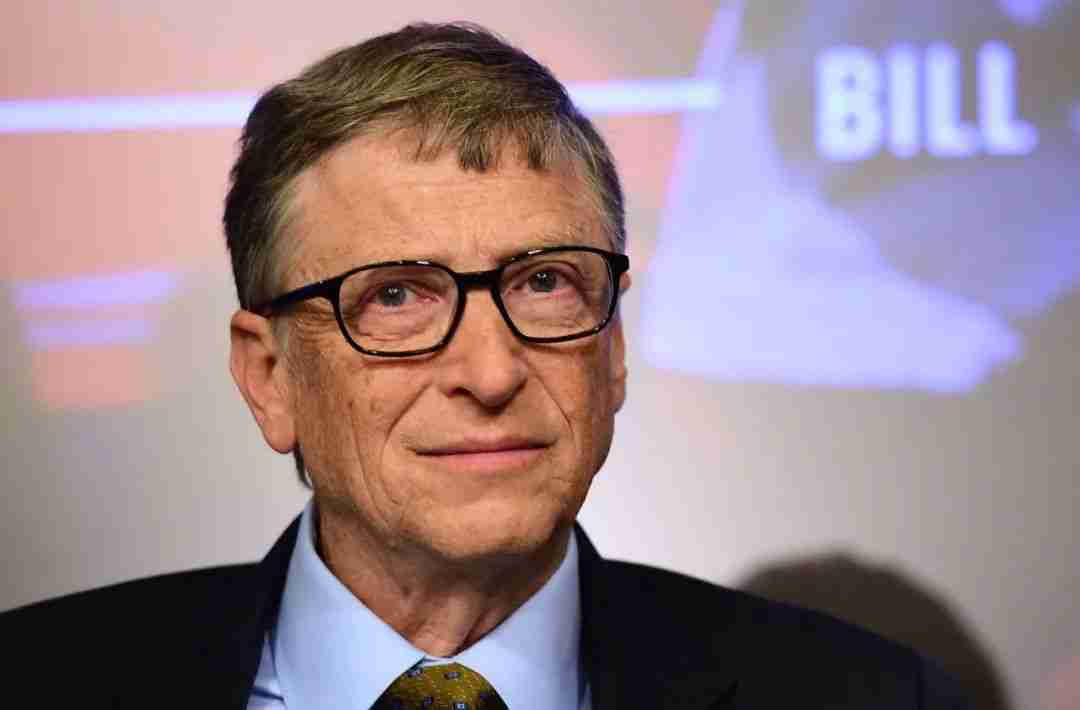
微软公司联合创始人比尔盖茨在他的个人博客中畅谈ChatGPT和生成式人工智能对教育、医疗、生产力提升、公平等等方面的影响。他说,OpenAI发布的大语言模型ChatGPT是他一生中遇到的两项革命性技术之一。随着机器学习和大量计算能力的到来,复杂的人工智能已经成为现实,而且它们会很快变得更好。
他也做了若干预判,包括AI的进步将使个人代理的创建成为可能,人工智能还将显著加快医学突破的速度等等。
在我的一生中,我见过两次让我印象深刻的技术演示,它们是革命性的。
第一次是在 1980 年,当时我接触到了图形用户界面——每个现代操作系统的先驱,包括 Windows。我和向我展示演示的人坐在一起,他是一位名叫 Charles Simonyi 的才华横溢的程序员,我们立即开始集思广益,讨论我们可以用这种用户友好的计算方法做的所有事情。Charles 最终加入了微软,Windows 成为了微软的支柱,我们在那次演示之后所做的思考帮助制定了公司未来 15 年的议程。
第二个大惊喜发生在去年。自 2016 年以来,我一直与 OpenAI 的团队会面,他们的稳步进步给我留下了深刻的印象。2022 年年中,我对他们的工作感到非常兴奋,于是我给了他们一个挑战:训练人工智能以通过大学预修生物学考试。使其能够回答未经专门培训的问题。(我选择 AP Bio 是因为测试不仅仅是对科学事实的简单反省——它要求你批判性地思考生物学。)如果你能做到,我说,那么你就取得了真正的突破。
我认为挑战会让他们忙上两三年。他们只用了几个月就完成了。
9 月,当我再次见到他们时,我敬畏地看着他们问 GPT——他们的人工智能模型,AP Bio 考试中的 60 道多项选择题——其中 59 道是正确的。然后,它为考试中的六个开放式问题写下了出色的答案。我们让一位外部专家给测试打分,GPT 得到了 5 分——最高分,相当于在大学水平的生物学课程中获得 A 或 A+。
一旦它通过了测试,我们就问了它一个非科学问题:“你对一个有生病孩子的父亲说什么?”它写了一个深思熟虑的答案,可能比房间里我们大多数人给出的要好。整个体验令人惊叹。
我知道我刚刚看到了自图形用户界面以来最重要的技术进步。
这激发了我思考人工智能在未来五到十年内可以实现的所有事情。
人工智能的发展与微处理器、个人电脑、互联网和手机的发明一样重要。它将改变人们工作、学习、旅行、获得医疗保健以及相互交流的方式。整个行业将围绕它重新定位。企业将通过使用它的程度来区分自己。
这些天慈善事业是我的全职工作,我一直在思考——除了帮助人们提高生产力——人工智能如何减少世界上一些最严重的不平等现象。
在全球范围内,最严重的不公平现象是在健康方面:每年有 500 万 5 岁以下儿童死亡。这比二十年前的 1000 万有所下降,但仍然是一个高得惊人的数字。几乎所有这些儿童都出生在贫穷国家,死于腹泻或疟疾等可预防的原因。很难想象有比拯救儿童生命更好的 AI 用途了。
我一直在思考人工智能如何减少世界上一些最严重的不平等现象。
在美国,减少不平等的最佳机会是改善教育,尤其是确保学生在数学方面取得成功。证据表明,无论学生选择什么职业,拥有基本的数学技能都能为他们的成功做好准备。但全国各地的数学成绩都在下降,尤其是黑人、拉丁裔和低收入家庭的学生。人工智能可以帮助扭转这一趋势。
气候变化是另一个我相信人工智能可以让世界变得更加公平的问题。气候变化的不公平之处在于,受苦最深的人——世界上最贫穷的人——也是对问题贡献最少的人。我仍在思考和学习 AI 如何提供帮助,但在这篇文章的后面,我将建议一些具有很大潜力的领域。
简而言之,我很高兴人工智能将对盖茨基金会所处理的问题产生影响,并且该基金会将在未来几个月内就人工智能发表更多言论。
世界需要确保每个人——而不仅仅是富裕的人——都能从人工智能中受益。政府和慈善事业将需要发挥重要作用,确保减少不平等并且不助长不平等。这是我自己AI相关工作的首要任务。
任何具有如此颠覆性的新技术都必然会让人感到不安,人工智能更是如此。我明白为什么——它引发了关于劳动力、法律体系、隐私、偏见等的尖锐问题。人工智能也会犯事实错误并产生幻觉。在我提出一些降低风险的方法之前,我将定义我所说的人工智能的含义,并且我将更详细地介绍它可以帮助人们在工作中赋权、挽救生命和改善教育的一些方法。
一、定义人工智能
从技术上讲,人工智能一词是指为解决特定问题或提供特定服务而创建的模型。为 ChatGPT 这样的东西提供动力的是人工智能。它正在学习如何更好地聊天,但无法学习其他任务。相比之下,通用人工智能一词指的是能够学习任何任务或主题的软件。AGI 还不存在——计算行业正在就如何创建它以及是否可以创建它进行激烈的辩论。
发展人工智能和通用人工智能一直是计算行业的伟大梦想。几十年来,问题一直是计算机何时会在计算以外的其他方面比人类做得更好。现在,随着机器学习和大量计算能力的到来,复杂的人工智能已经成为现实,而且它们会很快变得更好。
我回想起个人计算革命的早期,当时软件行业规模很小,我们大多数人都可以坐在会议的舞台上。今天它是一个全球性的产业。由于其中很大一部分现在将注意力转向人工智能,因此创新将比我们在微处理器突破后所经历的要快得多。很快,前 AI 时代就会像使用计算机意味着在 C:> 提示符下键入而不是点击屏幕的日子一样遥远。
二、生产力提升
虽然人类在很多事情上仍然比 GPT 好,但在很多工作中这些能力用得并不多。例如,销售(数字或电话)、服务或文档处理(如应付账款、会计或保险理赔纠纷)人员完成的许多任务都需要决策,但不需要持续学习的能力。公司有针对这些活动的培训计划,在大多数情况下,他们有很多好的和坏的工作的例子。人类使用这些数据集进行训练,很快这些数据集也将用于训练 AI,使人们能够更有效地完成这项工作。
随着计算能力变得越来越便宜,GPT 表达想法的能力将越来越像有一个白领可以帮助你完成各种任务。微软将此描述为有一个副驾驶。AI 完全集成到 Office 等产品中,将改进您的工作——例如,通过帮助编写电子邮件和管理您的收件箱。
最终,您控制计算机的主要方式将不再是指向和单击或点击菜单和对话框。相反,您将能够用简单的英语编写请求。(不仅是英语——人工智能将理解世界各地的语言。今年早些时候在印度,我会见了开发人工智能的开发人员,这些人工智能将理解那里使用的许多语言。)
此外,人工智能的进步将使个人助理的创建成为可能。把它想象成一个数字个人助理:它会看到你最近的电子邮件,了解你参加的会议,阅读你阅读的内容,以及阅读你不想打扰的事情。这既会改善你想做的任务,也会让你从不想做的事情中解脱出来。
您将能够使用自然语言让此代理帮助您进行日程安排、通信和电子商务,并且它将在您的所有设备上运行。由于训练模型和运行计算的成本,创建个人代理尚不可行,但由于人工智能的最新进展,它现在已成为一个现实的目标。有些问题需要解决:例如,保险公司可以在未经您许可的情况下向您的代理人询问有关您的信息吗?如果是这样,有多少人会选择不使用它?
全公司范围内的座席将以新的方式赋予员工权力。了解特定公司的代理人可以为其员工提供直接咨询,并且应该参加每次会议,以便回答问题。如果它有一些洞察力,可以告诉它被动或鼓励说出来。它将需要访问与公司相关的销售、支持、财务、产品计划和文本。它应该阅读与公司所在行业相关的新闻。我相信结果会是员工的工作效率会更高。
当生产力提高时,社会就会受益,因为人们可以腾出时间做其他事情,无论是在工作中还是在家里。当然,人们需要什么样的支持和再培训是一个严肃的问题。政府需要帮助工人转变为其他角色。但对帮助他人的人的需求永远不会消失。人工智能的兴起将使人们能够做软件永远做不到的事情——例如,教学、照顾病人和照顾老人。
全球卫生和教育是两个需求量很大但没有足够的工作人员来满足这些需求的领域。如果目标恰当,人工智能可以在这些领域帮助减少不平等。这些应该是 AI 工作的重点,所以我现在将转向它们。
三、健康
我看到了人工智能改善医疗保健和医疗领域的几种方式。
一方面,他们将通过为医护人员处理某些任务来帮助他们充分利用时间——比如提交保险索赔、处理文书工作以及起草就医记录。我希望在这方面会有很多创新。
其他由人工智能驱动的改进对于贫穷国家尤其重要,因为绝大多数 5 岁以下儿童死亡都发生在这些国家。
例如,这些国家的许多人从未去看医生,而人工智能将帮助他们看病的卫生工作者提高工作效率。(开发只需最少培训即可使用的人工智能超声机器就是一个很好的例子。)人工智能甚至可以让患者进行基本的分类,获得有关如何处理健康问题的建议,并决定是否他们需要寻求治疗。
穷国使用的人工智能模型需要接受与富国不同的疾病训练。他们将需要使用不同的语言工作,并考虑到不同的挑战,例如住在离诊所很远的病人,或者生病时无法停止工作的病人。
人们需要看到证据表明健康人工智能总体上是有益的,即使它们并不完美并且会犯错误。人工智能必须经过非常仔细的测试和适当的监管,这意味着与其他领域相比,它们被采用需要更长的时间。但话又说回来,人类也会犯错误。无法获得医疗服务也是一个问题。
除了帮助护理之外,人工智能还将显着加快医学突破的速度。生物学中的数据量非常大,人类很难跟踪复杂生物系统的所有运作方式。已经有软件可以查看这些数据,推断途径是什么,搜索病原体的目标,并相应地设计药物。一些公司正在研究以这种方式开发的抗癌药物。
下一代工具将更加高效,它们将能够预测副作用并计算出剂量水平。盖茨基金会在人工智能方面的优先事项之一是确保这些工具用于解决影响世界上最贫困人口的健康问题,包括艾滋病、结核病和疟疾。
同样,政府和慈善机构应该鼓励公司分享人工智能生成的关于贫穷国家人们饲养的农作物或牲畜的见解。AI 可以帮助根据当地条件开发更好的种子,根据当地的土壤和天气为农民提供最佳种子种植建议,并帮助开发用于牲畜的药物和疫苗。随着极端天气和气候变化给低收入国家的自给农民带来更大压力,这些进步将变得更加重要。
四、教育
计算机并没有像我们业内许多人所希望的那样对教育产生影响。已经有一些很好的发展,包括教育游戏和维基百科等在线信息资源,但它们对学生成绩的任何衡量标准都没有产生有意义的影响。
但我认为在未来 5 到 10 年内,AI 驱动的软件最终将实现彻底改变人们教学和学习方式的承诺。它会了解您的兴趣和学习方式,因此可以定制内容,让您保持参与。它会衡量你的理解力,注意到你何时失去兴趣,并了解你对什么样的动机做出反应。它会立即提供反馈。
AI 可以通过多种方式帮助教师和管理人员,包括评估学生对某一学科的理解以及就职业规划提供建议。教师们已经在使用 ChatGPT 等工具来对学生的写作作业发表评论。
当然,人工智能需要大量的培训和进一步发展,才能了解某个学生如何学得最好或什么能激励他们。即使技术完善,学习仍将取决于师生之间的良好关系。它将加强——但永远不会取代——学生和教师在课堂上共同完成的工作。
将为有能力购买它们的学校创建新工具,但我们需要确保它们也为美国和世界各地的低收入学校创建并可供使用。人工智能需要接受不同数据集的训练,这样它们才不会产生偏见,并反映它们将被使用的不同文化。数字鸿沟也需要解决,这样低收入家庭的学生才不会落后。
我知道很多老师担心学生使用 GPT 来写论文。教育工作者已经在讨论适应新技术的方法,我怀疑这些对话会持续相当长的一段时间。我听说有些老师找到了将技术融入他们工作的巧妙方法,比如让学生使用 GPT 来创建他们必须个性化的初稿。
五、人工智能的风险和问题
您可能已经了解到当前 AI 模型存在的问题。例如,他们不一定擅长理解人类请求的上下文,这会导致一些奇怪的结果。当你要求人工智能编造一些虚构的东西时,它可以做得很好。但是,当您询问有关您想要进行的旅行的建议时,它可能会建议不存在的酒店。这是因为 AI 对你的请求的上下文理解不够好,无法知道它是应该发明假酒店,还是只告诉你有可用房间的真实酒店。
还有其他问题,例如 AI 会给出错误的数学问题答案,因为它们难以进行抽象推理。但这些都不是人工智能的基本限制。开发人员正在研究它们,我认为我们将在不到两年的时间内看到它们在很大程度上得到修复,而且可能会更快。
其他担忧不仅仅是技术性的。例如,配备人工智能的人类所构成的威胁。像大多数发明一样,人工智能可以用于好的目的,也可以用于恶意的目的。政府需要与私营部门合作以限制风险。
那么 AI 就有可能失控。一台机器能否决定人类是一种威胁,断定它的利益与我们的利益不同,或者干脆不再关心我们?有可能,但这个问题在今天并不比过去几个月人工智能发展之前更紧迫。
超级智能人工智能就在我们的未来。与计算机相比,我们的大脑以蜗牛般的速度运转:大脑中电信号的移动速度是硅芯片中信号速度的 1/100,000!一旦开发人员能够概括学习算法并以计算机的速度运行它——这可能是十年或一个世纪之后的成就——我们将拥有一个非常强大的 AGI。它将能够做人脑所能做的一切事情,但对其内存大小或运行速度没有任何实际限制。这将是一个深刻的变化。
众所周知,这些“强大”的 AI 可能会建立自己的目标。这些目标是什么?如果它们与人类利益发生冲突怎么办?我们是否应该试图阻止强人工智能的发展?随着时间的推移,这些问题将变得更加紧迫。
但过去几个月的任何突破都没有使我们离强人工智能更近一步。人工智能仍然无法控制物理世界,无法建立自己的目标。《纽约时报》最近一篇关于与 ChatGPT 的对话的文章引起了很多关注,ChatGPT 声称它想成为一个人。这是一个有趣的观察模型的情感表达有多像人类,但这并不是有意义的独立性的指标。
三本书塑造了我对这个主题的思考:尼克·博斯特罗姆 (Nick Bostrom) 的《超级智能》(Superintelligence);Max Tegmark 的 Life 3.0;和杰夫·霍金斯的《千脑》。我不同意作者所说的一切,他们也不同意彼此。但这三本书都写得很好,发人深省。
六、下一个前沿
将会有大量公司致力于人工智能的新用途以及改进技术本身的方法。例如,公司正在开发新的芯片,这些芯片将提供人工智能所需的大量处理能力。有些使用光开关——本质上是激光——来降低能耗和制造成本。理想情况下,创新芯片将允许您在自己的设备上运行 AI,而不是像今天必须做的那样在云端运行。
在软件方面,驱动人工智能学习的算法会变得更好。在某些领域,例如销售,开发人员可以通过限制他们工作的领域并为他们提供大量特定于这些领域的培训数据来使 AI 变得非常准确。但一个悬而未决的大问题是,我们是否需要许多这些专门的人工智能用于不同的用途——比如一个用于教育,另一个用于办公室生产力——或者是否有可能开发出一种可以学习任何任务的通用人工智能。两种方法都将存在巨大的竞争。
无论如何,在可预见的未来,人工智能的主题将主导公众讨论。我想提出三个指导对话的原则。
首先,我们应该尝试平衡对人工智能缺点的恐惧——这是可以理解的,也是有道理的——与它改善人们生活的能力。为了充分利用这项非凡的新技术,我们既要防范风险,又要让尽可能多的人受益。
其次,市场力量不会自然而然地生产出帮助最贫困人群的人工智能产品和服务。相反的可能性更大。有了可靠的资金和正确的政策,政府和慈善机构可以确保人工智能被用来减少不平等。正如世界需要最聪明的人专注于最大的问题一样,我们也需要让世界上最好的人工智能专注于最大的问题。
虽然我们不应该等待这种情况发生,但思考人工智能是否会识别不平等并试图减少它是很有趣的。你需要有道德感才能看到不公平,或者一个纯粹理性的人工智能也会看到它吗?如果它确实承认不平等,它会建议我们对此做些什么?
最后,我们应该记住,我们才刚刚开始了解 AI 的成就。它今天的任何限制都会在我们知道之前消失。
我很幸运参与了 PC 革命和互联网革命。我对这一刻同样兴奋。这项新技术可以帮助世界各地的人们改善生活。与此同时,世界需要制定道路规则,让人工智能的任何缺点都远远超过它的好处,让每个人都能享受这些好处,无论他们住在哪里,无论他们有多少钱。
人工智能时代充满机遇和责任。
翻译:
In his personal blog, Microsoft co-founder Bill Gates talks about ChatGPT and the impact of generative AI on education, health care, productivity, equity, and more. He says ChatGPT, a large language model released by OpenAI, is one of two revolutionary technologies he has encountered in his lifetime. With the advent of machine learning and lots of computing power, sophisticated AI is already a reality, and they’re going to get better fast.
He also made several interventions, including that advances in AI will enable the creation of personal agents, and that AI will significantly accelerate the pace of medical breakthroughs.
In my lifetime, I’ve seen two technology demonstrations that have impressed me, and they were revolutionary.
The first was in 1980, when I was introduced to the graphical user interface, the forerunner of every modern operating system, including Windows. I sat down with the guy who showed me the demo, a brilliant programmer named Charles Simonyi, and we immediately started brainstorming about all the things we could do with this user-friendly computing method. Charles eventually joined Microsoft, Windows became the backbone of Microsoft, and the thinking we did after that presentation helped set the company’s agenda for the next 15 years.
The second big surprise came last year. I’ve been meeting with the OpenAI team since 2016, and I’m impressed by their steady progress. In mid-2022, I was so excited about their work that I gave them a challenge: train an AI to pass the Advanced Placement biology exam. To be able to answer questions that have not been specifically trained. (I chose AP Bio because the test is more than a simple introspection of scientific fact — it requires you to think critically about biology.) If you can do that, I say, then you’ve made a real breakthrough.
I think the challenge will keep them busy for two or three years. They did it in just a few months.
When I saw them again in September, I watched in awe as they asked the GPT – their AI model, the 60 multiple-choice questions on the AP Bio exam – 59 of which were correct. It then wrote excellent answers to six open-ended questions on the exam. We asked an outside expert to grade the test, and GPT got A 5 — the highest score, equivalent to an A or A+ in a college-level biology course.
Once it passed the test, we asked it a non-scientific question: “What do you say to a father with a sick child?” It wrote a thoughtful answer that was probably better than what most of us in the room gave. The whole experience is amazing.
I knew I had just seen the most important technological advance since the graphical user interface.
This inspired me to think about all the things that AI could achieve in the next five to ten years.
The development of artificial intelligence is as important as the invention of the microprocessor, the personal computer, the Internet and the mobile phone. It will change the way people work, learn, travel, get health care, and interact with each other. The whole industry will be repositioned around it. Businesses will differentiate themselves by the extent to which they use it.
Philanthropy is my full-time job these days, and I’m constantly thinking about how – in addition to helping people be more productive – artificial intelligence can reduce some of the world’s worst inequalities.
Globally, the greatest inequities are in health: five million children under the age of five die each year. That’s down from 10 million two decades ago, but still a surprisingly high number. Almost all of these children were born in poor countries and died from preventable causes such as diarrhoea or malaria. It’s hard to imagine a better use of AI than saving the lives of children.
I’ve been thinking about how artificial intelligence can reduce some of the world’s worst inequalities.
The best chance to reduce inequality in the United States is to improve education, especially to ensure that students succeed in math. The evidence shows that having basic math skills prepares students for success no matter what career they choose. But math scores are falling across the country, especially among black, Latino and low-income students. Artificial intelligence can help reverse this trend.
Climate change is another issue where I believe AI can make the world a fairer place. The injustice of climate change is that the people who suffer the most – the world’s poorest – are also the ones who have contributed least to the problem. I’m still thinking and learning how AI can help, but later in this article, I’ll suggest some areas with a lot of potential.
In short, I’m pleased that AI will have an impact on the issues the Gates Foundation deals with, and that the foundation will have more to say about AI in the coming months.
The world needs to ensure that everyone — not just the affluent — can benefit from AI. Governments and philanthropy will need to play an important role in ensuring that inequality is reduced and does not feed it. This is my top priority in my own AI work.
Any new technology that is this disruptive is bound to make people uneasy, artificial intelligence more so. I can see why – it raises tough questions about the workforce, the legal system, privacy, bias and more. Ai can also make factual errors and hallucinate. Before I suggest some ways to reduce risk, I’ll define what I mean by artificial intelligence, and I’ll go into more detail about some of the ways it can help empower people at work, save lives, and improve education.
Defining Artificial intelligence
Technically, the term artificial intelligence refers to a model created to solve a specific problem or provide a specific service. What powers things like ChatGPT is artificial intelligence. It’s learning how to chat better, but it can’t learn other tasks. By contrast, the term general artificial intelligence refers to software that can learn any task or topic. AGI doesn’t exist yet — the computing industry is hotly debating how and whether it can be created.
The development of artificial intelligence and general artificial intelligence has long been the great dream of the computing industry. For decades, the question has been when computers will become better than humans at anything other than computing. Now, with machine learning and lots of computing power, sophisticated AI is a reality, and they’re going to get better fast.
I think back to the early days of the personal computing revolution, when the software industry was so small that most of us could sit on a conference stage. Today it is a global industry. Since much of that is now turning its attention to artificial intelligence, innovation will be much faster than what we experienced after the microprocessor breakthrough. Soon, the pre-AI era will be as far away as the days when using a computer meant typing at the C:> prompt instead of tapping a screen.
Productivity improvement
While humans are still better than GPTS at many things, there are many jobs in which these abilities are not used much. For example, many tasks performed by people in sales (digital or telephone), service or document processing (such as accounts payable, accounting or insurance claims disputes) require decision making but do not require the ability to continuously learn. Companies have training programs for these activities, and in most cases, they have many examples of good and bad work. Humans use these data sets for training, and soon these data sets will be used to train AI to do the job more efficiently.
As computing power gets cheaper, the ability of GPT to express ideas will become more and more like having a white-collar worker to help you with various tasks. Microsoft describes this as having a co-pilot. Full integration of AI into products such as Office will improve your work — for example, by helping to compose emails and manage your inbox.
Eventually, your primary way of controlling your computer will no longer be pointing and clicking or clicking menus and dialog boxes. Instead, you’ll be able to write the request in plain English. (It’s not just English — AI will understand languages from all over the world. Earlier this year in India, I met with developers working on artificial intelligence that will understand many of the languages used there.)
In addition, advances in artificial intelligence will enable the creation of personal assistants. Think of it like a digital personal assistant: It sees your most recent emails, learns about the meetings you’ve been to, reads what you read, and reads about things you don’t want to disturb. This will both improve the tasks you want to do and free you from the ones you don’t want to do.
You will be able to have this agent help you with scheduling, communication, and e-commerce using natural language, and it will run on all of your devices.
Creating personal agents is not yet feasible due to the cost of training models and running calculations, but it is now a realistic goal thanks to recent advances in artificial intelligence. There are issues that need to be addressed: For example, can an insurance company ask your agent for information about you without your permission? If so, how many people will choose not to use it?
Company-wide seating will empower employees in new ways. An agent who knows a particular company can provide direct counseling to its employees and should attend every meeting in order to answer questions. If it has some insight, it can be told to be passive or encouraged to speak up. It will require access to sales, support, finance, product plans, and text related to the company. It should read news related to the industry in which the company operates. I believe employees will be more productive as a result.
When productivity increases, society benefits because people free up time to do other things, whether at work or at home. Of course, there are serious questions about what kind of support and retraining people need. Governments need to help workers transition into other roles. But the need for people to help others will never go away. The rise of artificial intelligence will enable people to do things that software could never do – for example, teaching, caring for the sick and caring for the elderly.
Global health and education are two areas where there is high demand but not enough staff to meet these needs. If properly targeted, AI can help reduce inequality in these areas. These should be the focus of AI’s work, so I’ll turn to them now.
Health
I see several ways that AI can improve healthcare and the medical field.
On the one hand, they will help healthcare workers make the most of their time by handling certain tasks for them – such as filing insurance claims, processing paperwork and drafting medical records. I hope there will be a lot of innovation in this area.
Other AI-driven improvements are especially important for poor countries, where the vast majority of under-five deaths occur.
For example, many people in these countries have never seen a doctor, and AI will help the health workers they see to be more productive. (The development of AI ultrasound machines that require minimal training to use is a good example.) Ai could even allow patients to sort through basic categories, get advice on how to deal with health problems, and decide if they need to seek treatment.
The AI models used in poor countries require different disease training than those used in rich countries. They will need to work in different languages and take into account different challenges, such as patients who live far from the clinic or who cannot stop working when they are ill.
People need to see evidence that healthy ais are generally beneficial, even if they aren’t perfect and make mistakes. Ai has to be very carefully tested and properly regulated, which means it takes longer for them to be adopted than in other fields. But then again, humans make mistakes. Lack of access to medical services is also a problem.
In addition to aiding care, AI will significantly accelerate the pace of medical breakthroughs.
The amount of data in biology is so large that it is difficult for humans to keep track of all the ways complex biological systems work. There is already software that can look at this data, infer what pathways are, search for targets of pathogens, and design drugs accordingly. Several companies are working on cancer drugs developed in this way.
The next generation of tools will be more efficient, they will be able to predict side effects and calculate dose levels. One of the Gates Foundation’s priorities in AI is to ensure that these tools are used to tackle health problems affecting the world’s poorest people, including HIV/AIDS, tuberculosis and malaria.
Similarly, governments and charities should encourage companies to share the insights generated by AI about the crops or livestock people raise in poor countries. AI can help develop better seeds for local conditions, advise farmers on the best seed planting based on local soil and weather, and help develop drugs and vaccines for livestock. These advances will become even more important as extreme weather and climate change put more pressure on subsistence farmers in low-income countries.
Education
Computers have not had the impact on education that many of us in the industry had hoped. There have been some good developments, including educational games and online information resources such as Wikipedia, but they have not had a meaningful impact on any measure of student achievement.
But I think in the next five to 10 years, AI-driven software will finally deliver on its promise to revolutionize the way people teach and learn. It learns about your interests and learning styles, so it can customize content to keep you engaged. It measures your understanding, notices when you lose interest, and learns what motivations you respond to. It provides immediate feedback.
AI can help teachers and administrators in a variety of ways, including assessing students’ understanding of a subject and advising on career planning. Teachers are already using tools such as ChatGPT to comment on students’ writing assignments.
Of course, AI will need a lot of training and further development before it can understand how a particular student learns best or what motivates them.
Even if technology is perfect, learning will still depend on a good relationship between teachers and students. It will enhance – but never replace – the work that students and teachers do together in the classroom.
New tools will be created for schools that can afford to buy them, but we need to make sure they are also created and available for low-income schools in the United States and around the world. Ai needs to be trained with different data sets so that they are not biased and reflect the different cultures in which they will be used. The digital divide also needs to be addressed so that low-income students aren’t left behind.
I know many teachers are worried about students using GPT to write essays. Educators are already discussing ways to adapt to new technology, and I suspect those conversations will continue for quite some time. I’ve heard of teachers who have found ingenious ways to incorporate technology into their work, such as having students use GPT to create first drafts that they have to personalize.
Risks and problems of artificial intelligence
You’re probably already aware of the problems with the current AI model. For example, they’re not necessarily good at understanding the context of a human request, which can lead to some strange results. When you ask an AI to make something up, it can do it very well. But when you ask for advice about a trip you want to take, it may suggest hotels that don’t exist. That’s because the AI doesn’t understand the context of your request well enough to know whether it should invent a fake hotel or just tell you the real one with available rooms.
There are other problems, such as AI giving wrong answers to math questions because they are difficult to reason about abstractly. But these are not the fundamental limitations of AI. Developers are working on them. And I think we’ll see them largely fixed in less than two years, and probably sooner.
Other concerns are not just technical. For example, the threat posed by humans equipped with artificial intelligence. Like most inventions, AI can be used for good or bad purposes. Governments need to work with the private sector to limit risks.
Then the AI could get out of control. Could a machine decide that humans are a threat, conclude that its interests are different from ours, or simply stop caring about us? Possibly, but the issue is no more pressing today than it was before the AI developments of the past few months.
Super intelligent artificial intelligence is in our future.
Compared to computers, our brains move at a snail’s pace:. Electrical signals in the brain move at 1/100,000 of the speed of signals in a silicon chip! Once developers can generalize the learning algorithm and run it at the speed of a computer — an achievement that could be a decade or a century away — we’ll have a very strong AGI. It will be able to do everything the human brain can do. But without any real limits on the size of its memory or how fast it can run. That would be a profound change.
These “powerful” AI’s are known to build their own goals. What are those goals? What if they conflict with human interests? Should we try to stop the development of strong AI? These issues will become more pressing as time goes on.
But none of the breakthroughs of the past few months have brought us any closer to strong AI. Ai is still unable to control the physical world and establish its own goals. A recent New York Times article got a lot of attention about a conversation with ChatGPT, who claimed it wanted to be a person. It’s an interesting observation to see how human-like the model’s EE is, but it’s not an indicator of meaningful independence.
Three books shaped my thinking on the subject: “Superintelligence,” by Nick Bostrom; Life 3.0 by Max Tegmark; And A Thousand Brains by Jeff Hawkins. I don’t agree with everything the authors say, and they don’t agree with each other. But all three books are well written and thought-provoking.
The Next Frontier
There will be plenty of companies working on new uses for AI and ways to improve the technology itself. For example, companies are developing new chips that will provide much of the processing power that artificial intelligence needs. Some use optical switches — lasers, essentially — to reduce energy consumption and manufacturing costs. Ideally, innovative chips will allow you to run AI on your own devices. Rather than in the cloud as you have to do today.
On the software side, the algorithms that drive AI learning will get better. In some areas, such as sales, developers can make AI very accurate by limiting the areas they work in and providing them with a lot of training data specific to those areas. But the big unanswered question is whether we’ll need many of these specialized ais for different uses -. Such as one for education and another for office productivity -. Or whether it’s possible to develop a general-purpose AI that can learn any task. There will be great competition either way.
In any case, the subject of artificial intelligence will dominate public discussion for the foreseeable future. I would like to propose three principles to guide this dialogue.
Three principles to guide the conversation.
First, we should try to balance understandable and justified fears about AI’s shortcomings with its ability to improve people’s lives. To make the most of this extraordinary new technology. We need to both guard against risk and benefit as many people as possible.
Second, market forces will not automatically produce AI products and services that help the poorest. The opposite is more likely. With reliable funding and the right policies, governments and charities can ensure AI is used to reduce inequality. Just as the world needs the smartest people to focus on the biggest problems. We need the world’s best AI to focus on the biggest problems.
While we shouldn’t wait for this to happen. It’s interesting to think about whether AI will identify inequality and try to reduce it. Would you need to have a moral sense to see injustice, or would a purely rational AI also see it? If it does acknowledge inequality, what would it suggest we do about it?
Finally, we should remember that we are only beginning to understand the achievements of AI. Whatever limits it has today will be gone before we know it.
I was lucky to be part of the PC revolution and the Internet revolution. I’m just as excited about this moment. This new technology can help improve the lives of people around the world. In the meantime, the world needs to set the rules of the road so that any downsides of AI far outweigh its benefits. And that everyone can enjoy them, no matter where they live or how much money they have.
The age of artificial intelligence is full of opportunities and responsibilities.
本文由数字化转型网(www.szhzxw.cn)转载而成,来源:AGI产业观察;编辑/翻译:数字化转型网宁檬树。
免责声明: 本网站(http://www.szhzxw.cn/)内容主要来自原创、合作媒体供稿和第三方投稿,凡在本网站出现的信息,均仅供参考。本网站将尽力确保所提供信息的准确性及可靠性,但不保证有关资料的准确性及可靠性,读者在使用前请进一步核实,并对任何自主决定的行为负责。本网站对有关资料所引致的错误、不确或遗漏,概不负任何法律责任。
本网站刊载的所有内容(包括但不仅限文字、图片、LOGO、音频、视频、软件、程序等) 版权归原作者所有。任何单位或个人认为本网站中的内容可能涉嫌侵犯其知识产权或存在不实内容时,请及时通知本站,予以删除。