操作符模式是把 Kubernetes 集群里的运维动作封装成可复用的自定义资源与控制器模式,核心是让运维逻辑成为集群内的一等对象,能力包括自定义资源定义、控制器调谐与声明式操作接口。它解决的是脚本化管理易失步、运维知识无法沉淀的问题,并不解决底层集群本身的安全加固问题。
操作符模式的核心是声明式运维,它可以帮助企业实现以下目标:
让运维动作有统一的描述形式。数据库、中间件与应用的生命周期管理都通过同一种资源声明表达。操作符以自定义资源形式声明期望状态,用户写的是期望值而不是一长串命令,执行细节由控制器负责。
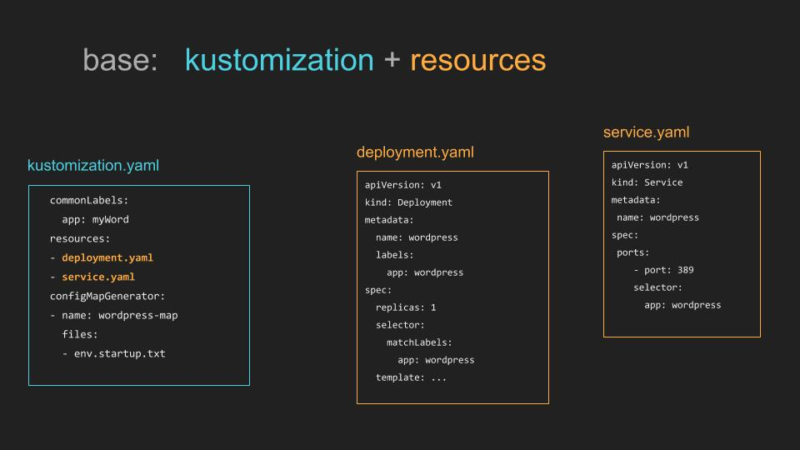
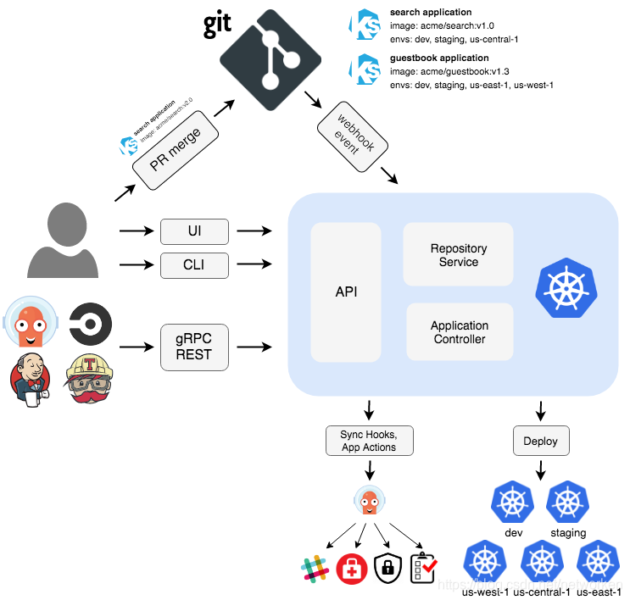
让状态由控制器持续收敛。操作符对比实际状态与期望状态并自动执行修正,人工不再需要持续盯守。同一个操作符可以用于不同集群,差异通过参数或覆盖文件体现,避免为每个环境单独维护一套脚本。
让运维经验变成可分发的资产。封装好的操作符可以被其他团队复用,能力不再依赖个人脚本。
让升级与变更可预测。版本变更通过操作符版本控制,变更内容与回退路径都能被审阅。
总之,操作符模式可以帮助企业实现集群运维从脚本化执行到声明式管理的转变,降低运维复杂度与人为失误概率,让高频运维动作沉淀为可复用资产,提升多集群与多环境的一致性与变更安全性。
翻译
The Operator pattern is the pattern of encapsulating operational actions in a Kubernetes cluster as reusable custom resources and controllers. Its core is making operational logic a first-class object inside the cluster, with capabilities covering custom resource definitions, controller reconciliation and declarative operational interfaces. It solves the problems of imperative scripts drifting out of sync and of operational knowledge not being preserved, but it does not solve the security hardening problems of the underlying cluster itself.
At the heart of the Operator pattern is declarative operations, which can help companies achieve the following:
Give operational actions a uniform form of description. Lifecycle management for databases, middleware and applications is all expressed through the same kind of resource declaration.
Let state converge continuously through controllers. Operators compare actual and desired state and correct automatically, so people no longer need to watch continuously.
Turn operational experience into a distributable asset. Packaged operators can be reused by other teams, and capability no longer depends on individual scripts.
Make upgrades and changes predictable. Version changes are controlled through operator versions, so both the change and its rollback path can be reviewed.
In short, the Operator pattern can help enterprises shift cluster operations from imperative scripts to declarative management, lower operational complexity and the probability of human error, preserve frequent operational actions as reusable assets, and improve consistency and change safety across multiple clusters and environments.