数字政府已被视为高质量的“信息技术革命的产物”,是工业时代的传统政府向信息时代新的政府形态的演变。

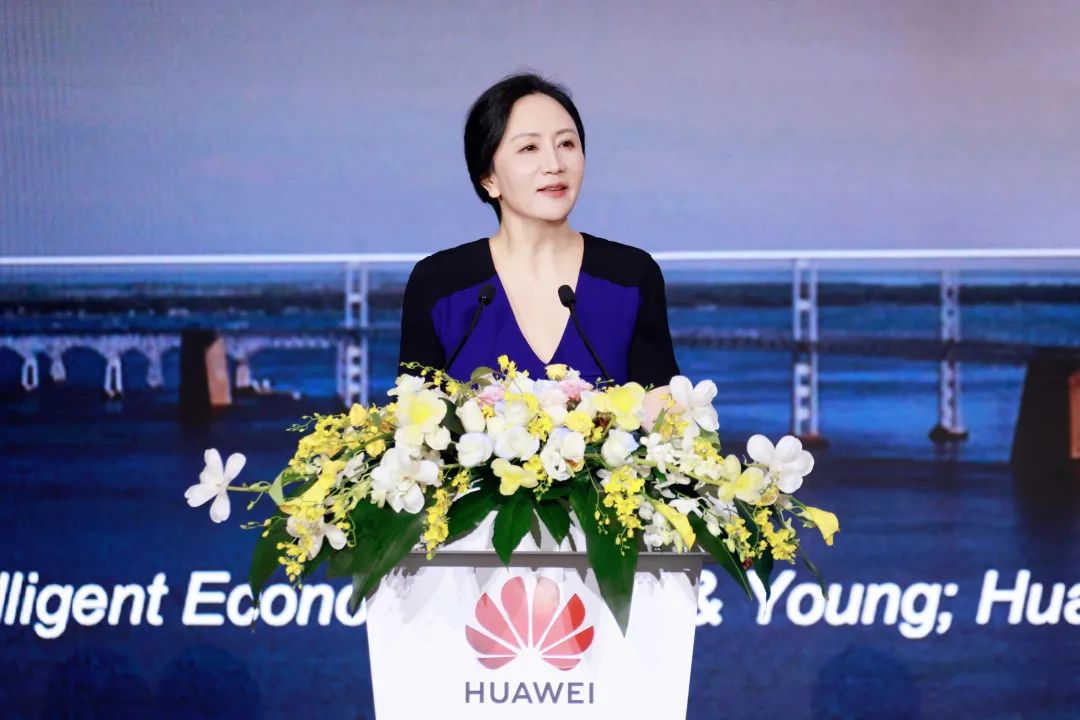
新华社记者 方喆 摄
“跑一圈好话说尽,用一网事事通办”,两个时期的真实写照,讲述了我国政府建设锐意进取的发展历程。数字化转型网szhzxw.cn
回首过往,一趟趟要跑的部门,一摞摞要填的表格,一个个要排的窗口,一枚枚要盖的印章,给多少人留下“办事难”的刻板印象;经常打不通的市政热线,难以收到回复的市长邮箱,百转千回却无人问津的“人机互动”,又给多少政府部门贴上“办事繁”的固有标签……
而今,打开国家政府服务平台小程序,医保社保、老年人办事服务、公积金账户信息、全国互联网账号“一证通查”等功能服务应有尽有,民众足不出户,动动手指就能享受高质量的政务服务。数字化转型网szhzxw.cn
这仅仅是数字政府建设中,政务服务的些许缩影。
党的十八大以来,党中央高度重视数字中国建设。党的十九大报告中明确提出要建设数字中国的战略目标,《中华人民共和国国民经济和社会发展第十四个五年规划和2035年远景目标纲要》更是作出“加快数字化发展,建设数字中国”的安排部署。今年6月,国务院印发的《关于加强数字政府建设的指导意见》(以下简称《指导意见》)明确提出,要“将数字技术广泛应用于政府管理服务,推进政府治理流程优化、模式创新和履职能力提升”,进一步强调了政府要为民众带来更为实在、有效的服务,从而增强人民群众获得感、幸福感、安全感。数字政府作为数字中国建设的重要组成部分,建设创新、协同、多元、高效的数字政府已成为推动国家治理体系和治理能力现代化建设的有力支撑。数字化转型网szhzxw.cn

一、概念演进 承优启新数字化转型网szhzxw.cn
初闻数字政府,可能很多人无法准确分辨其与电子政务的异同。事实上,在上世纪90年代,外国文献就已经出现电子政务和数字政府的概念,我国也在90年代末提到电子政务和数字政府,那么,几乎是同一时期诞生的两个概念,究竟是一脉相承,还是殊途同归?
“从学术研究角度来看,电子政务与数字政府并无太大差别,但从实际建设和公共政策的设计来看,两者存在一些变化。”北京大学政府管理学院副院长、公共政策研究中心主任黄璜在接受《经济》杂志、经济网记者采访时表示,电子政务的定位是利用技术手段促进政府体制机制改革,更侧重于业务流程电子化,并且开始运用技术解决一些具体的业务问题,在信息化刚刚普及之时,更容易实现。而数字政府,既包含了以往电子政务的内容,又外延了新的特征,更注重对数据本身价值的挖掘,实现了从“用数据治理”到“对数据治理”,从“技术赋能”到“智力赋能”的跨越。所以,数字政府定位更高。数字化转型网szhzxw.cn
“我国在电子政务阶段,针对智能系统、信息系统的建设已取得显著成效,比如率先在税务、海关、公安、审计、金融等领域搭建先进的电子化平台和信息化系统,为数字政府的发展奠定了良好的基础。”黄璜认为,电子政务和数字政府是政府从电子化、流程化,到智能化、自主化模式的转变,是从单一部门改造向多部门协调互通方式的转变,也是从过去自动计算变成自主计算的创新,而这种改变带来了其应用范围的扩充和职能的转变,促使数字政府平台支撑能力得到新的提升。数字化转型网szhzxw.cn
广东数字政府研究院院长余坦表示,我国自1993年启动“三金工程”以来,历经了电子政务、互联网+政务服务、数字政府三大阶段。目前,正从早期侧重“单点突破、工具主义”导向的电子政务,向“整体集成、系统治理”导向的数字政府建设阶段发展。数字化转型网szhzxw.cn
时至今日,数字政府已被视为高质量的“数字技术革命的产物”,是工业时代的传统政府向信息时代新的政府形态的演变。政府事务在数字化、网络化的环境下可以灵活地支持跨部门合作,同时基于安全的数据开放和数据驱动,快速准确地作出决策,通过数字化思维、战略、资源、工具和规则,治理社会空间,提供优质政府服务,从而增强公众服务满意度。如此看来,数字政府在对电子政务一脉相承的基础上,又做到了承优启新。

二、务实夯基 恰逢其时
数字政府发展至今,离不开新型基础设施建设的全面铺设。2018年至今,历年中央经济工作会议都提出要加快5G网络、 数据中心、信息网络等新型基础设施建设,加强战略性、网络型基础设施建设进度。尤其近几年,5G、工业互联网、人工智能、物联网、数据中心等建设不断实现突破,技术先进、功能强大的新型基础设施局面逐渐形成。数字化转型网szhzxw.cn
与此同时,网络基础设施和工业互联网的普及也为数字政府打下了坚实的基础。众所周知,我国已建成全球最大的窄带物联网网络,今年7月工信部发布《2022年上半年通信业经济运行情况》,报告称,截至今年6月,三家基础电信企业发展蜂窝物联网终端用户已达16.4亿户,并且我国在公共安全、能源资源、智慧市政等领域涌现出一批可推广的物联网行业解决方案。此外,国家、省、企业三级联动的工业互联网安全监测与态势感知平台持续建设,在降成本、优质量、提效率等方面效果显著。数字化转型网szhzxw.cn
平台技术应用也在夯实数字政府发展底座。中国信息通信研究院等发布的《数字政府行业趋势洞察报告(2022年)》显示,作为资源整合共享、业务系统开发和部署的底座,政务云未来仍将保持稳定增长态势。从市场规模来看,2021年我国政务云市场规模达802.6亿元,预计2023年市场规模将达到1203.9亿元。数字政府进入到以深化应用和政府治理为导向的新阶段,数字政府产业重点围绕政务云、智慧中台、行业应用、城市大脑等核心领域开展。
从市场的强烈呼应声中更容易看出数字政府建设拥有强大的“科技智囊团”。据了解,在数字政府建设初期,很多企业率先布局,积极抢抓数字经济发展新机遇,以新基建赋能高质量发展,立足于改善民生和创新社会治理,大力研发核心技术,为政府提供更加便捷高效的监管服务及民生服务,力促政府数字化转型。数字化转型网szhzxw.cn
“全社会范围的数字化转型为数字政府高质量发展提供了需求侧动力;数字技术革新迭代和数字经济快速发展,为数字政府建设提供了供给侧动力;有效融合顶层设计与地方创新两种政府治理现代化的路径,为数字政府建设提供了内生动力源,这是现阶段数字政府创新型发展的三大前提基础。”清华大学社会科学学院副院长、数据治理研究中心执行主任孟天广总结道。
三、各地发力 硕果累累数字化转型网szhzxw.cn
近年来在数字政府建设方面,各地进展迅速。据统计,像北京的首都之窗“一网通查”、上海的大数据联合创新实验室、浙江的区块链电子票据平台等新平台、新模式楼起平地,遍地开花。发展至今,很多地区结合自身特色优势,在某些领域率先布局,取得了阶段性的成果。
在江苏南通,数字政府建设起步早,发展名列前茅。为让机制更加完善,南通先后组建大数据管理局、成立市域治理现代化指挥中心、融合三级联动指挥体系,分三步走实现向基层放权赋能,逐步形成“大数据+指挥中心+综合执法队伍”体制机制。同时,构建“五库合一”政务数据共享交换平台和全省首家“政务+公安”大数据双网双中心。此外,市县镇三级全部成立“双组长”区域治理现代化建设领导小组,采用“指挥中心+进驻部门”运行机制,实现跨部门、跨层级协同,有效破解基层执法难题。
在甘肃白银,西北内陆工业重地,传统企业林立。为进一步提质增效,营造良好营商环境,该市率先在税务系统发力。平川区税务局党委书记、局长张玉成在接受《经济》杂志、经济网记者采访时表示,平川区税务部门不断强化“数字税务”的深层次应用,加大与地方政府部门数据共享力度,健全税收征管协作机制,实现与自然资源局、民政局、人社局等多个部门数据共享,获取不动产、土地、婚姻登记等外部信息,前期的数据延伸为后续的高效服务打下坚实基础。此外,流程集成和人员集成,也压缩了办理时限,让纳税人切实体会到“一次办结”“一次办好”的快捷和便利。张玉成介绍,目前他们正在紧跟国家税务总局发票电子化改革,把讲求效率作为检验工作的重要标准之一。数字化转型网szhzxw.cn
在能源大省山西,政府对煤炭企业的监管已从过去的实地考察升级为如今的数据监控,从后知后觉到主动研判,智能化的系统联动时刻为煤炭生产企业敲响安全的警钟,大大提升了煤炭开采的安全系数。山西省左云县帽帽山煤矿信息中心副主任邓芬峰告诉《经济》杂志、经济网记者,帽帽山煤矿于2021年大力建设智慧矿山,同时也积极推进与政府相关部门的联网互通,真正做到了“一网监管”。政府通过煤矿终端设备直接传回的数据对煤矿生产和安全进行实时监控,例如,煤矿人员定位系统能够通过挖掘井下人员数据特征与人员曲线规律,建立各类人员大数据分析模型,从人员数据中辅助政府远程监管监察。此外,政府也可以通过电子封条和环保门禁等智能系统提前防范重大风险,及时制定相应决策。
在广东,省市级数字政府建设成果向基层下沉,实现了互通共享。例如,推进“粤省事”“粤商通”与农村基层网格化治理系统的整合,推进网格服务管理标准化建设,建立一体化的信息系统和综合指挥平台,提升村级综合服务信息化水平。搭建“互联网+党建”“互联网+公共法律服务”平台,推动党务、村务、财务网上公开,畅通社情民意,推进村委会规范化建设,加快推进实施农村“雪亮工程”,深化平安乡村建设。数字化转型网szhzxw.cn
数字化的最终目的是为了让人民充分享受数字红利,黑龙江省依安县就十分注重基层干部队伍的数字履职能力建设。县委组织部工作人员周爽告诉《经济》杂志、经济网记者,为确保数字政府建设工作顺利开展,依安县分批加强镇村两级业务人员的技术培训,提高数字化业务水平,并强化“以人民为中心”的建设理念,把百姓满意的服务作为技术加持和制度设立的目标。此外,他们在评价和意见反馈系统中重点发力,完善智慧依安“万人评”评价系统,无论线上线下,老百姓都能对办事人员的“工作质量”“服务态度”“办事效率”“廉洁自律”等方面进行满意度打分,并利用“万人评”系统,充分畅通与群众的联系渠道,积极回复群众咨询、投诉和举报问题,保持干部队伍的清正廉洁。数字化转型网szhzxw.cn
从顶层设计到制度完善,从平台支撑到数据共享,各地正在通过持续增强数字政府的效能,激发当地经济发展活力,积极释放红利造福一方百姓。
四、直面问题 补偏救弊数字化转型网szhzxw.cn
新事物总会不可避免地出现新问题。个别地方健康码管理不当引发舆论热议,使当地政府数字化治理能力受到质疑。无独有偶,疫情暴发以来,多地群众论坛都曾出现“异地健康码不认”“异地电子核酸报告失灵”等舆论,数据信息的互认对等问题也再次被推上风口浪尖。
就此,中国人民大学公共管理学院教授、国家发展与战略研究院研究员马亮表示,这缘于一些主政者对于数字技术的认知出现了偏差。“本应该作为发展手段的数字技术,正在逐渐成为各地的发展目标,我们要清楚地明白,政府数字化发展的最终目的是完善政府职能,更好服务社会和人民,而绝不是为了技术而技术。”数字化转型网szhzxw.cn
目前,各地政府在推动数字技术赋能公共事务处理过程中,也存在目标和手段认知错位的问题,导致数字技术没有完全服务于政府职能转变、组织结构重组、部门规模瘦身和服务导向强化,反而与深化“放管服”改革转变政府职能目标背道而驰。
对于异地健康码不认问题,马亮告诉《经济》杂志、经济网记者,健康码信息互认,在技术上完全没问题,但各地仍顾虑健康码信息存在防疫风险,因此将其他地区的健康码信息拒之门外,阻碍正常流通。“当数字技术的引入并没有带来政府管理服务制度的转变,反而服务于政府的思维惯性和管理窠臼,就可能反客为主,使技术逻辑凌驾于制度逻辑,进而导致‘技术至上’主义,逐步偏离数字政府建设的初心本意。”马亮这样解释。
“数字政府建设同主要领导的观念意识、政府财力支持和政策保障、具体执行部门的政策执行力、互联网企业的参与模式等因素有关,而这些因素在各地区、各部门、各层级的情况差异较大,使数字政府建设不均衡不充分发展较为明显。”马亮表示,要进一步加强数字政府建设的顶层设计和全国统筹,在加速推进数字政府建设的同时,逐步缩小各地区、各部门的差距,实现数字政府的齐头并进。日前出台的《指导意见》也提出,数字政府建设要坚持整体协同,加强试点示范,实现“国家统筹、一地创新、各地复用”,为破解差异问题提供有力的支撑。
五、有的放矢 釜底抽薪数字化转型网szhzxw.cn
《指导意见》提出,到2025年,数字政府体系框架基本形成,政府决策科学化、社会治理精准化、公共服务高效化取得重要进展;到2035年,与国家治理体系和治理能力现代化相适应的数字政府体系框架更加成熟完备,整体协同、敏捷高效、智能精准、开放透明、公平普惠的数字政府基本建成。
那么,数字政府建设如何更好发力呢?
立足当前,干部队伍数字能力建设要与政府数字化发展齐头并进,共同在探索中“摸爬滚打”。因此,努力提升行政履职能力,培育干部队伍数字思维、数字技能和数字素养,提高领导干部的数字治理能力就显得尤为重要。数字化转型网szhzxw.cn
“只有领导干部具备数字思维,掌握数字技能,养成数字素养,才能使数字政府建设加速推进并发挥应有的作用。”马亮告诉《经济》杂志、经济网记者,培育干部数字能力有效的方法是在具体场景下实战演练,不能纸上谈兵。此外,也应该顺应数字政府发展过程中的统筹协调、资源共享的趋势,主动发挥跨部门学习的作用,他举例浙江省等一些地区,打通政企旋转门,让政府领导干部到企业挂职,企业管理人员到政府借调,实现政企人员轮岗流动,换岗竞学,从而保持高水准的数字化水平。此外,在乡村振兴领域,一些企业推出数字乡村特派员,为人才匮乏地区输送数字化人才,帮助村镇级政府建立起常态化的数字素养培育机制。
余坦也提到,目前广东省已经将数字政府课程纳入公务员教育培训体系,每年定期对参加党校学习的领导干部进行数字化相关知识培训。他认为,各地都应该把提高领导干部数字治理能力作为各级党校(行政学院)的重要教学培训内容。
立足未来,“全国上下一张网”的新格局已成为数字政府在未来发展的应有之义。孟天广认为,未来建设数字政府可以从以下六方面着手:数字化转型网szhzxw.cn
1. 加强统一协调的领导体系。积极构建党委领导、政府主导、社会协同、公众参与、法治保障、科技支撑的政府治理体系,将我国的制度优势置于数字政府建设全过程,进一步明确数字政府的建设目标、运作模式和部门权责,形成横纵贯通的业务协作联动机制。
2. 构建协同互通的分层治理体系。基于治理功能、治理资源和治理工具的层级差异,省域、市域和基层除了要建设符合本地层级和地方实际的数字政府外,还应加强跨层级协同联动,在不同层级之间形成合力,构建纵向治理分层体系,形成战略型、枢纽型、回应型数字政府。
3. 建立健全数据治理的规则体系。充分了解利用数据的治理价值,推动各类数据安全共享,制定相关法律法规,明确数据权属,规范各主体在采集、汇聚、分析和运用数据过程中的行为。建立数据共享开放制度,制定数据溯源等管理环节的配套政策,健全数据共享目录和标准规范,打造科学、合理的数据共享平台。
4. 构建协同高效的履职能力体系。将新技术用于重塑政府运行模式,弥补科层制政府体系因条块和职能分割存在的治理缝隙,打破各部门和各层级之间的治理藩篱,填补政府内部治理漏洞。数字化转型网szhzxw.cn
5. 打造公平普惠的服务体系。贯彻“以人民为中心”的数字政府建设理念,不断探索新的应用场景,在丰富数字政务服务事项的基础上,切实解决政务服务办事程序繁琐、技术操作不便、部门协作困难、人性化不足等问题,提升群众办事的便捷度和满意度。
6. 构建包容协同的数字治理生态体系。从治理论和生态论理解数字化转型,构建政企社协同共治的生态伙伴关系,开发和利用多样化治理资源,搭建包容性和协同性的治理结构,促成多元主体共建共享新局面。数字化转型网szhzxw.cn
站在历史新起点,各地建设成效有佳,央地协调统一的现代化数字政府势必要向全国人民交出一份整体协同、流通有畅、普惠高效的新答卷!
翻译:
Digital government has been regarded as a high-quality “product of the information technology revolution”, which is the evolution of the traditional government in the industrial age to the new government form in the information age.
“Run a circle of good words, with a network to do things”, the true portrayal of the two periods, tells the story of our government construction forge ahead in the course of development.数字化转型网szhzxw.cn
Looking back, I saw the departments I needed to run to, the forms I needed to fill, the Windows I needed to line up, and the seals I needed to seal. How many people were left with the stereotype that getting things done is difficult? Often unable to get through the municipal hotline, difficult to receive a reply to the mayor’s mailbox, the “human-computer interaction”, and how many government departments labeled “complicated” inherent label…
Now, when you open the mini program of the national government service platform, you can access everything from medical insurance and social security, services for the elderly, provident fund account information, and “one card check” of national Internet accounts. People can enjoy high-quality government services at the move of their fingers without leaving their homes.数字化转型网szhzxw.cn
This is just a microcosm of government services in the construction of digital government.
Since the 18th CPC National Congress, the CPC Central Committee has attached great importance to building a digital China. The report to the 19th CPC National Congress clearly set out the strategic goal of building a digital China. The 14th Five-Year Plan for National Economic and Social Development of the People’s Republic of China and the Outline of the Long-range Goals to 2035 have made plans for “accelerating digital development and building a digital China”. In June this year, The State Council issued the Guiding Opinions on Strengthening the Construction of Digital Government (hereinafter referred to as the Guiding Opinions), which clearly proposed to “widely apply digital technology to government management services, promote government governance process optimization, model innovation and performance capacity improvement”.
It further emphasized that the government should bring more realistic and effective services to the people. Thus enhancing the people’s sense of gain, happiness and security. Digital government is an important part of the construction of digital China. Building an innovative, coordinated, diversified and efficient digital government has become a strong support for the modernization of China’s governance system and governance capacity.
First, concept evolution from the best to the new数字化转型网szhzxw.cn
At first hearing of digital government, many people may not be able to accurately distinguish the similarities and differences between it and e-government. In fact, in the 1990s, the concept of e-government and digital government appeared in foreign literature, and our country also mentioned e-government and digital government at the end of the 1990s. So, the two concepts were born almost at the same time, whether they are in the same vein or they lead to the same destination?
“From an academic research perspective, e-government and digital government are not very different. But in terms of actual construction and design of public policy, there are some changes.” Huang Huang, deputy dean of the School of Government and director of the Public Policy Research Center of Peking University, said in an interview with reporters from Economic Magazine and Economic Net that the positioning of e-government is to use technology to promote the reform of government system and mechanism, focusing more on the electronization of business processes. And began to use technology to solve some specific business problems. 数字化转型网szhzxw.cn
When informatization was just popularized, Easier to implement. Digital government, on the other hand, not only contains the contents of the previous e-government, but also extends new features. It pays more attention to the mining of the value of data itself and realizes the leap from “using data governance” to “governing data” and from “technology enabling” to “intelligence enabling”. So, digital government is positioned higher.
Huang Huang believes that
“In our country’s e-government stage, the construction of intelligent systems and information systems has made remarkable achievements. Such as taking the lead in setting up advanced electronic platforms and information systems in tax, customs, public security, auditing, finance and other fields, which lays a good foundation for the development of digital government.” Huang Huang believes that e-government and digital government are the transformation of the government from electronic and process-based to intelligent and autonomous mode, the transformation from the transformation of a single department to the coordination and interworking mode of multi-departments, and the innovation from automatic computing to autonomous computing in the past. This change has brought about the expansion of its application scope and the transformation of its functions. Promote the digital government platform support capability to be improved.数字化转型网szhzxw.cn
Yu Tan, director of the Guangdong Institute for Digital Government
Yu Tan, director of the Guangdong Institute for Digital Government, said that since China launched the “Three Gold Project” in 1993. It has gone through three stages: e-government, Internet plus government services and digital government. At present, it is developing from the e-government oriented by “single point breakthrough and instrumentalism” in the early stage to the construction stage of digital government oriented by “overall integration and system governance”.
Up to now, digital government has been regarded as a high-quality “product of the digital technology revolution”. Which is the evolution of the traditional government in the industrial age to the new government form in the information age. In the digital and networked environment, government affairs can flexibly support cross-departmental cooperation. And make decisions quickly and accurately based on secure data opening and data-driven. Through digital thinking, strategies, resources, tools and rules, social space can be governed and quality government services can be provided. Thus enhancing public service satisfaction. In this way, the digital government in the e-government on the basis of the same line. But also achieved a new.数字化转型网szhzxw.cn
Second, practical ramming base is the right time
The development of digital government is inseparable from the comprehensive laying of new infrastructure construction. Since 2018, the Central Economic Work Conference has proposed accelerating the construction of new infrastructure such as 5G networks, data centers and information networks. And strengthening the construction of strategic and network-based infrastructure. Especially in recent years, breakthroughs have been made in the construction of 5G, industrial Internet, artificial intelligence, Internet of Things and data centers. And a new type of infrastructure with advanced technologies and powerful functions has gradually taken shape.
At the same time, the spread of network infrastructure and industrial Internet has also laid a solid foundation for digital government. As is known to all, China has built the world’s largest narrowband Internet of Things network. In July this year, the Ministry of Industry and Information Technology released the Economic Operation of Communication Industry in the first half of 2022. The report said that by June this year. The number of terminal users of cellular Internet of things developed by three basic telecommunications enterprises had reached 1.64 billion. In our country, a batch of Internet of Things industry solutions emerged in public safety. Energy and resources and smart municipal engineering. In addition, the continuous construction of industrial Internet security monitoring and situation awareness platform linked by the national, provincial and enterprise levels has achieved remarkable results in cost reduction, quality improvement and efficiency improvement.
The application of platform technology is also consolidating the foundation of digital government development. 数字化转型网szhzxw.cn
According to the Digital Government Industry Trend Insight Report (2022) released by the China Academy of Information and Communications Technology, government cloud, as a base for resource integration and sharing, business system development and deployment, will maintain a stable growth in the future. From the perspective of market size. The government affairs cloud market in 2021 will reach 80.26 billion yuan. And it is expected to reach 120.39 billion yuan in 2023. Digital government has entered a new stage oriented by deepening application and government governance. The digital government industry focuses on core fields such as government cloud, intelligent middle desk, industrial application and urban brain.
From the strong echo of the market, it is easier to see that digital government construction has a powerful “technology think tank”.
It is understood that in the early stage of the construction of digital government. Many enterprises take the lead in layout, actively seize new opportunities for the development of digital economy, enable high-quality development with new infrastructure, based on improving people’s livelihood and innovative social governance, vigorously research and development of core technologies, provide more convenient and efficient regulatory services and people’s livelihood services for the government, and promote the government’s digital transformation.
“The society-wide digital transformation provides demand-side impetus for the high-quality development of digital government. The iteration of digital technology innovation and the rapid development of digital economy have provided supply-side impetus for the construction of digital government. Effective integration of top-level design and local innovation of two kinds of governance modernization path. For the construction of digital government provides an endogenous power source. Which is the current stage of the three premise of the innovative development of digital government.” “Concluded Meng Tianguang, deputy dean of the School of Social Sciences and executive director of the Data Governance Research Center at Tsinghua University.数字化转型网szhzxw.cn
Third, all over the country to produce fruitful results
In recent years, rapid progress has been made in the construction of digital government. According to statistics, new platforms and models such as Beijing’s window of the Capital “One Net Check”. Shanghai’s Big data joint innovation Lab, and Zhejiang’s blockchain electronic bill platform have sprung up everywhere. So far, many regions have taken the lead in some areas by combining their own characteristics and advantages, and achieved phased results.
In Nantong, Jiangsu Province, the construction of digital government started early and its development ranks among the best. In order to make the mechanism more perfect, Nantong has successively set up the Big Data Administration Bureau. Established the modern command center of municipal governance, and integrated the three-level linkage command system. It has realized the decentralization and empowerment of power to the grassroots in three steps. And gradually formed the system and mechanism of “big data + command center + comprehensive law enforcement team”.
At the same time, the “five databases in one” government data sharing and exchange platform and the province’s first “government affairs + public security” big data dual network and dual center have been built. In addition, leading groups for modernization of regional governance with “double leaders” have been set up at all the city, county and town levels, and the operation mechanism of “command center + stationed department” has been adopted to achieve cross-departmental and cross-level coordination and effectively solve problems in law enforcement at the grassroots level.
In Baiyin, Gansu Province, northwest inland industrial center, traditional enterprises stand in abundance.
In order to further improve the quality and efficiency and create a good business environment. The city has taken the lead in making efforts in the tax system. Zhang Yucheng, Secretary of the Party Committee and director of Pingchuan District Tax Bureau, said in an interview with reporters from Economic Magazine and Economic Net that the tax department of Pingchuan District continuously strengthens the deep-level application of “digital tax”, strengthens the data sharing with local government departments, improves the tax collection and management cooperation mechanism. And realizes the data sharing with the Bureau of Natural Resources, the Bureau of Civil Affairs. The Bureau of Human Resources and Social Security and other departments.
Obtain real estate, land, marriage registration and other external information. Early data extension for the subsequent efficient service to lay a solid foundation. In addition, process integration and personnel integration also compress the processing time. So that taxpayers can truly feel the “one time to complete” and “one time to complete” fast and convenient. Zhang Yucheng introduced that they are now closely following the State Administration of Taxation’s electronic invoice reform, emphasizing efficiency as one of the important standards of inspection work.
In Shanxi Province, a major energy province, the government’s supervision of coal enterprises has been upgraded from the past field investigation to the current data monitoring.
From the post-awareness to the active research and judgment, the intelligent system linkage has sounded the safety alarm for coal production enterprises at all times, greatly improving the safety factor of coal mining. Deng Fenfeng, deputy director of the Information Center of Maomaoshan Coal Mine in Zuoyun County, Shanxi Province, told Economic magazine and Economic Net reporters that Maomaoshan Coal mine will vigorously build a smart mine in 2021. And also actively promote the interconnection with relevant government departments, truly achieving “one network supervision”. The government can conduct real-time monitoring of coal mine production and safety through data directly returned by coal mine terminal equipment. 数字化转型网szhzxw.cn
For example, the coal mine personnel positioning system can establish a big data analysis model of various personnel by mining the characteristics of underground personnel data and personnel curve rules. And assist the government in remote supervision and supervision from personnel data. In addition, the government can also prevent major risks in advance and make corresponding decisions timely through intelligent systems such as electronic seals and environment-friendly access guards.
In Guangdong, the achievements of digital government construction at the provincial and municipal levels are being shared at the grassroots level. 数字化转型网szhzxw.cn
For example, to promote the integration of “Guangdong Provincial Affairs” and “Guangdong Business Tong” with rural grassroots grid governance system, promote the standardization construction of grid service management, establish an integrated information system and comprehensive command platform, and improve the informatization level of comprehensive services at the village level. We have set up “Internet plus Party building” and “Internet plus public legal services” platforms, promoted online disclosure of Party, village, and financial affairs, promoted social conditions and public opinions, standardized construction of village committees, accelerated the implementation of the “Snow Bright Project” in rural areas, and deepened the construction of a safe countryside.
The ultimate goal of digitization is to let the people fully enjoy the digital dividend.
Yi ‘an County in Heilongjiang Province attaches great importance to the construction of digital performance capacity of grassroots cadres. County Party Organization Department staff Zhou Shuang told “economic” magazine, economic network reporters. In order to ensure the smooth development of digital government construction work, Yi ‘an County in batch to strengthen the township and village two level of business personnel technical training, improve the level of digital business. And strengthen the “people as the center” construction concept. The people satisfied with the service as a technical support and system set up the goal.
In addition, they focus on the evaluation and feedback system, improve the wisdom of an “ten thousand people” evaluation system. Both online and offline, the common people can “work quality”, “service attitude”, “efficiency”, “honesty and self-discipline” and other aspects of the satisfaction of the staff. And use the “ten thousand people” system, fully open channels of contact with the public. We will actively respond to public inquiries, complaints and reports, and maintain the integrity of our cadres.
From top-level design to institutional improvement, from platform support to data sharing. Local governments are continuously enhancing the effectiveness of digital government. Stimulating the vitality of local economic development, and actively releasing dividends to benefit the people.数字化转型网szhzxw.cn
Fourth, face the problem and remedy the problem
New things inevitably bring new problems. The improper management of some local health codes has aroused heated public opinion. Which makes the digital governance ability of local government questioned. Coincidentally, since the outbreak of the epidemic, public opinions such as “remote health code denial” and “remote electronic nucleic acid reporting failure” have appeared in public forums in many places. And the issue of mutual recognition and equivalence of data information has been pushed to the forefront again.
Ma Liang, a professor at the School of Public Administration at Renmin University of China and a researcher at the National Academy of Development and Strategy, said this is because some politicians have a wrong understanding of digital technology. “Digital technology, which should be used as a means of development, is gradually becoming the goal of development everywhere. We should clearly understand that the ultimate goal of government’s digital development is to improve government functions and better serve society and people. Rather than technology for technology’s sake.”
At present, in the process of promoting digital technology-enabled public affairs processing. Local governments also have the problem of misperception of objectives and means. As a result, digital technology does not fully serve the transformation of government functions, organizational restructuring, department downsizing and service-oriented strengthening. But runs counter to the goal of deepening the reform of “delegating, regulating and serving” to transform government functions.
Regarding the problem of non-recognition of health codes from other regions
Regarding the problem of non-recognition of health codes from other regions. Ma Liang told reporters from Economic Magazine and Economic Net that the mutual recognition of health code information is technically perfectly fine. But local areas are still concerned about the risk of epidemic prevention of health code information. So the health code information from other regions is blocked, preventing the normal circulation. “When the introduction of digital technology does not bring the change of government management service system. But serves the government’s thinking inertia and management pattern. It may turn the situation into the main, make the technical logic over the institutional logic, and then lead to ‘technology first’ doctrine. And gradually deviate from the original intention of the construction of digital government.” Ma Liang explains it this way.数字化转型网szhzxw.cn
“The construction of digital government is related to the concepts and consciousness of the main leaders. The financial support and policy guarantee of the government, the policy implementation power of the specific implementation departments. The participation mode of Internet enterprises and other factors. These factors vary greatly in different regions, departments and levels. Which makes the unbalanced and inadequate development of digital government construction obvious.”
Ma Liang said that it is necessary to further strengthen the top-level design and national coordination of the construction of digital government. While accelerating the construction of digital government, gradually narrow the gap between various regions and departments. And realize the parallel development of digital government. The recently issued “guidelines” also proposed that the construction of digital government should adhere to the overall coordination, strengthen pilot demonstration, achieve “national planning, innovation in one place, reuse in different places”, to provide strong support for solving the problem of differences.
Five, aim at the target and pull the plug
According to the Guidelines, by 2025, the framework of a digital government system will be basically formed, and important progress will be made in making government decision-making scientific, social governance precise, and public services efficient. By 2035, a digital government system framework in line with the modernization of China’s governance system and governance capacity will be more mature and complete, and a digital government that is coordinated, agile, efficient, intelligent and precise, open and transparent, fair and beneficial to all will be basically in place.数字化转型网szhzxw.cn
So, how to build a better digital government?
Based on the current situation, the digital capacity building of cadres should go hand in hand with the digital development of the government. And we should work together in the exploration. Therefore, it is particularly important to improve the ability of administrative performance, cultivate the digital thinking. Digital skills and digital literacy of cadres, and improve the digital governance ability of leading cadres.
Ma Liang told Economic magazine, economic net reporters
“Only when leading cadres have digital thinking, master digital skills and develop digital literacy can the construction of digital government be accelerated and play its due role.” Ma Liang told Economic magazine, economic net reporters. The effective way to cultivate cadres’ digital ability is to practice in specific scenarios, not on paper.
In addition, it should also conform to the trend of coordination and resource sharing in the process of digital government development, take the initiative to play the role of cross-departmental learning, he example Zhejiang Province and other regions, open up the revolving door of government and enterprise, let the government leading cadres to the enterprise temporary post, enterprise managers to the government secondment, realize the rotation of government and enterprise personnel flow, changing posts and competitive learning, so as to maintain a high level of digital level. In addition, in the field of rural revitalization. Some enterprises have launched digital rural special commissioners to transport digital talents to areas lacking talents and help village and town governments establish a regular digital literacy cultivation mechanism.
Yu also noted that Guangdong has incorporated digital government courses into the civil service education and training system. And provides digital-related training to leading cadres who attend party schools every year. He believes that improving the digital governance ability of leading cadres should be an important teaching and training content of Party schools (administrative schools) at all levels.
Based on the future, the new pattern of “the next national network” has become the proper meaning of the future development of digital government.
Meng Tianguang believes that building a digital government in the future can be done from the following six aspects:
- Strengthen a unified and coordinated leadership system. We will actively build a governance system featuring party committee leadership, government-led. Social coordination, public participation, legal protection, and scientific and technological support. We will put our institutional advantages in the whole process of digital government construction. Further define the construction goal, operation mode, and departmental rights and responsibilities of the digital government. And form a joint mechanism for horizontal business cooperation.
- Build a hierarchical governance system that is coordinated and interconnected. Based on the level differences of governance functions, governance resources and governance tools, provinces, cities and grassroots areas should not only build digital governments that conform to local levels and local realities. But also strengthen cross-level synergy, form synergy among different levels, build vertical governance hierarchical system. And form strategic, pivotal and responsive digital governments.
- Establish and improve the rules system of data governance. Fully understand the governance value of data utilization, promote the safe sharing of all kinds of data. Formulate relevant laws and regulations, clarify the ownership of data. And standardize the behaviors of various subjects in the process of data collection, aggregation, analysis and application. Establish an open system for data sharing, formulate supporting policies for data traceability and other management links. Improve data sharing catalogs and standards, and build a scientific and reasonable data sharing platform.
Building a digital government in the future can be done from the following six aspects:
- Build a collaborative and efficient performance ability system. New technologies will be used to reshape the operation mode of the government. Fill the governance gaps in the bureaucratic government system due to the division of blocks and functions. Break down the governance barriers between various departments and levels. And fill the governance loopholes within the government.数字化转型网szhzxw.cn
- Create a fair and inclusive service system. Implementing the concept of “people-centered” digital government construction, constantly exploring new application scenarios. And on the basis of enriching digital government services, effectively solving problems. Such as cumbersome procedures, inconvenient technical operations, difficulties in departmental cooperation. And insufficient humanization of government services, so as to enhance the convenience and satisfaction of the people in handling affairs.
- Build an inclusive and coordinated digital governance ecosystem. To understand the digital transformation from the governance theory and ecological theory, to build the ecological partnership of government, enterprise and social cooperation, to develop and utilize diversified governance resources, to build an inclusive and collaborative governance structure, and to promote a new situation of multi-subject co-construction and sharing.
Standing at a new starting point in history. The modern digital government, which has achieved good results in local construction and coordinated and unified central and local governments, is bound to deliver to the people of the whole country a new answer of overall coordination, smooth circulation, universal benefit and high efficiency!
本文由数字化转型网转载,可以关注数字化转型网公众号
本文由数字化转型网(www.szhzxw.cn)转载而成,来源:经济杂志;编辑/翻译:数字化转型网宁檬树。

免责声明: 本网站(http://www.szhzxw.cn/)内容主要来自原创、合作媒体供稿和第三方投稿,凡在本网站出现的信息,均仅供参考。本网站将尽力确保所提供信息的准确性及可靠性,但不保证有关资料的准确性及可靠性,读者在使用前请进一步核实,并对任何自主决定的行为负责。本网站对有关资料所引致的错误、不确或遗漏,概不负任何法律责任。
本网站刊载的所有内容(包括但不仅限文字、图片、LOGO、音频、视频、软件、程序等) 版权归原作者所有。任何单位或个人认为本网站中的内容可能涉嫌侵犯其知识产权或存在不实内容时,请及时通知本站,予以删除。