科技创新可以帮助世界加速进步并应对当下最严峻的挑战,而实现这一目标需要集合全球智慧、经验与专长。盖茨基金会正与中国伙伴携手,为建设一个人人都有机会过上健康而富有成效生活的未来贡献力量。
本文系比尔∙盖茨为全球健康药物研发中心6月15日举办的特别活动准备的演讲稿
感谢主持人的介绍,也感谢大家参加这次活动。盖茨基金会致力于在全球范围内推动科研创新,改善人们的生活。我们与全球健康药物研发中心(以下简称“GHDDI”)的合作便是其中很重要的一项工作。
我尤其要向今天在座的创新者、学生和青年科研人员表示欢迎。疟疾、结核病和被忽视的热带病等疾病严重影响着世界上最贫困的人口,但这些疾病往往不受医药企业重视。也正因如此,每当我畅想未来,想到你们如果能充分利用科技的力量去寻找解决方案,克服这些世界上最大的健康难题,想到你们由此可能创造的巨大影响,我都备感振奋。
距我上次来中国已有四年之久,世界已发生巨变。与2019年相比,如今很多人对未来都更加缺乏信心。在过去四年里,全球经历了新冠疫情、传染病卷土重来、气候变化影响加剧以及部分地区的饥荒等等。应对这些挑战变得前所未有的紧迫。中国在减少贫困和改善全民健康方面取得了巨大的成就。我希望看到中国在帮助全球,尤其是非洲国家应对这些挑战方面发挥更大的作用。
尽管困难重重,但我依然保持乐观,原因有两点:
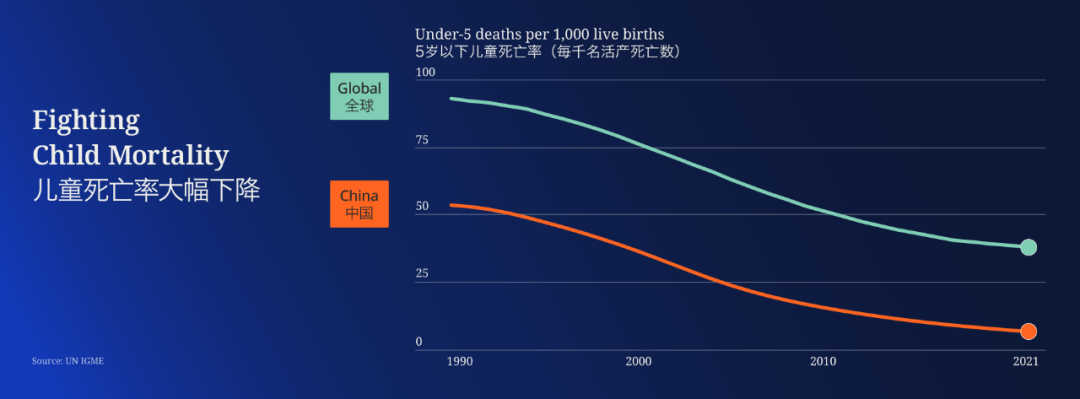
首先,如果我们回望过去的几十年,而不仅仅是几年,你会发现这样一个规律:在全世界都把健康公平作为首要任务后,我们取得了令人惊叹的进展。我最喜欢举的例子是儿童死亡率的下降,因为我想不到有任何事比拯救儿童生命更加重要。
1990年,全球有近十分之一的儿童活不到五岁,他们大多生活在中低收入国家,且大多数死于可预防的传染性疾病。现在,仅仅过了一代人的时间,儿童死亡率就已经显著下降到二十五分之一,相当于每年有超过750万儿童的生命被拯救。
在同一时期的中国,儿童死亡人数更是下降了高达94%。简言之,历史已经表明,当我们设定远大的目标并为之全力以赴时,这些目标是可以实现的。
让我保持乐观的另外一个原因是,科学技术在解决难题方面展现出了前所未有的潜力。mRNA疫苗技术使预防结核病和疟疾等疾病的疫苗成为可能。为了抗击这些疾病,我们需要更新、更好的预防工具。正如我曾经说过的,我坚信包括人工智能在内的技术进步将在卫生保健和教育等领域带来快速突破,使更多人能够获得拯救生命的工具和更好的发展机会。气候技术的创新——无论是更清洁的发电和储能方式,还是更环保的钢筋和水泥——将有望在确保人们获得充足且可负担的清洁能源的同时,推动全球减排目标的实现。
除此以外,还有更多的创新成果将帮助我们应对当下的挑战。
世界从未像现在这样如此紧密地联结在一起。以气候为例,富裕国家几百年来的发展方式导致气候发生变化,但目前受到伤害最大的却是生活在低收入国家的人们,尽管他们对气候变化的“贡献”最小。这些低收入国家中还有很多在经历粮食危机,但造成这场危机的却是一场远在千里之外的欧洲的战争。
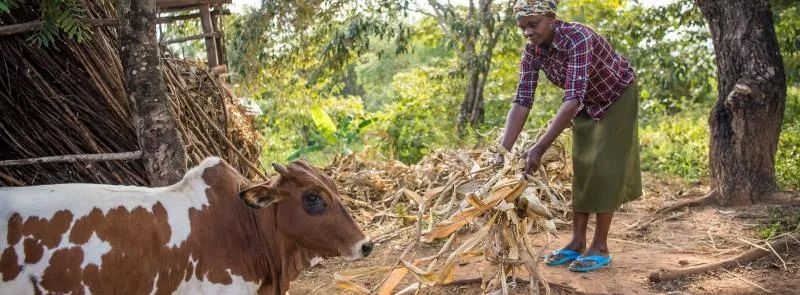
因此我一直在问自己,我们如何才能利用科学和创新的力量为进步提供加速度?
答案是每个人都要参与其中。为了解决人类面临的日益复杂的挑战,为了未来人人都能过上健康而富有成效的生活,我们必须汇聚全球范围内的专长。这意味着,在应对气候变化的同时满足人类的发展需求,二者都需要创新,都需要发挥人类的聪明才智。
政府、学术、商业和慈善组织等社会各界都必须参与其中,这些挑战才有可能得到解决。
这些部门各有所长。科学家们会有新的发现,而企业往往能将这些发现转化为实际可用的产品和服务;通过制定相应的政策,政府可以确保这些解决方案惠及每一个人;慈善机构则可以在市场机制失灵时推动创新,将不同类型的机构汇聚到一起,共同造福大众。当这些不同的部门通力合作时,我们就能取得1+1>2的效果。
中国的创新者在这些全球合作中能够发挥重要作用。中国在健康、农业、营养和减贫等方面拥有宝贵的成功经验可以分享。中国也聚集了大量人才。无论是在实验室、初创企业还是高等学府,与在座许多人一样的年轻人正在努力寻找面向未来的解决方案,比如治疗结核病和疟疾等古老疾病的创新药物、 用于推广高度定制化的卫生保健服务和教育的数字化模型、气候智慧型杂交水稻等适应恶劣天气的粮食作物,以及能够改善生活质量但不会加剧气候变化的技术,包括电力传输、农业和建筑材料领域的创新等等。
在接下来的时间里,我想谈一谈在我看来世界有望取得进步的两大领域:卫生和农业。
正如GHDDI的各位同仁所了解的,盖茨基金会的一项重要使命是在全球范围内消除疟疾。目前世界上每分钟都有一个儿童死于疟疾,但即便是如此骇人的数字也不足以说明疟疾的严重性,因为每年还有约2.5亿人因疟疾而身患重病。
目前绝大多数疟疾病例都发生在非洲,但上世纪五十年代的情况并非如此。当时,中国每年至少有3000万疟疾病例,并有30多万人因此死亡。但是,得益于中国科学家取得的重大科研突破,中国的疟疾病例和死亡人数开始稳步下降。屠呦呦便是其中之一,她的开创性工作为世界带来了抗疟新药,如今仍然是全球治疗疟疾的主要药物。她本人也因此获得了诺贝尔奖。2010年,中国启动了《中国消除疟疾行动计划》。2017年,中国首次实现了零本土疟疾感染病例,并最终在2021年获得世界卫生组织颁发的无疟疾认证。
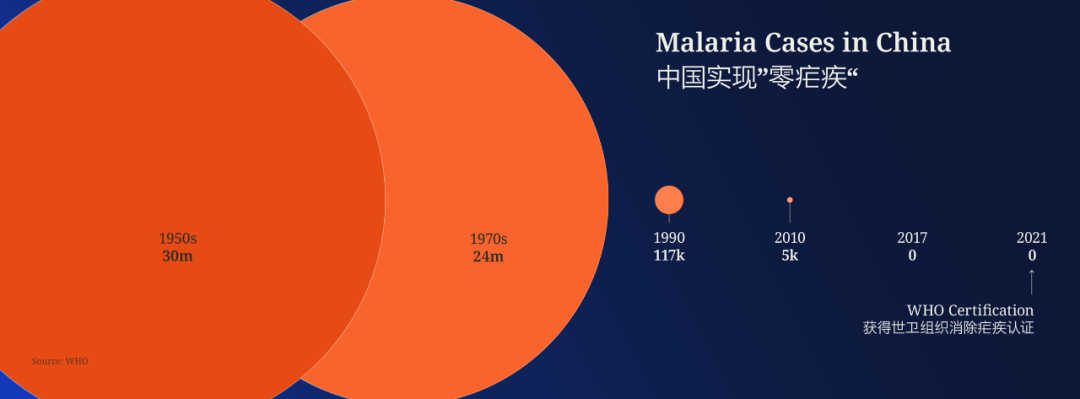
这是一项了不起的成就。但是,中国科学家并没有止步于此,他们正在基于这一成功经验开发新一代的解决方案,助力全球根除疟疾。
GHDDI 正在开展的突破性工作就是一个很好的例证。尤其令人激动的是GHDDI与疟疾药品事业会(Medicines for Malaria Venture)和疟疾药物加速器(Malaria Drug Accelerator)两家国际组织合作开发的一款临床前候选疟疾药物。
虽然仍处在实验室研究阶段,但这一候选药物已经在三个方面显示出不同寻常的前景。
首先,导致疟疾的寄生虫对现在很多药物都产生了抗药性,这意味着药物不再像过去那样有效,但这一候选药物似乎是“不可抗的”,因此有望在很长一段时间内持续有效。
其次,目前的治疗方案要求患者坚持服药三天,但很多人不能完成整个疗程,而新的候选药可能只需一剂就能治愈疟疾。
再次,它似乎不仅可以治疗疟疾,而且还能从一开始就预防感染。
在候选药物投入实际使用之前,我们还有很长的路要走,但是我们预计它在未来几年内将进入人体临床试验阶段。
令我感到兴奋的不仅仅是这一款候选药物。GHDDI与国际上的结核病研发组织也建立了重要合作,并开始产生令人激动的成果。GHDDI发现了一系列能与现有结核病药物产生协同作用的新型化合物,这意味着结核病的治疗疗程有可能大幅缩短,从标准的四到六个月缩短为仅需一到两个月。如果这些药物通过临床测试,将显著减少疾病传播,并降低疾病负担。

而真正让我兴奋的,是世界各地正在开展的全球健康前沿研发工作所能产生的聚合效应。创新者们越关注世界面临的最大挑战,就有越多的人能有机会健康成长。
GHDDI专注于抗击疾病,而中国还有很多杰出的研究人员正在努力攻克影响人们生活质量的其他关键问题,比如帮助农民适应气候变化,并让世界上每个人都能吃饱饭。
袁隆平的成就一直深深吸引着我,他培育出了世界上第一个杂交水稻品种,不仅改变了中国的农业和经济,还帮助养活了众多的人口。受他的工作启发,全球最重要的农业研究平台——国际农业研究磋商组织(CGIAR)在水稻研究上投入了更多资金。袁隆平还培训了来自50多个国家的3000多名水稻科学家,让他们把经验带回自己的国家。数十亿人因此得以生存和发展,很难想象还有什么创新能与之媲美。
如今,世界需要新一代的水稻品种。盖茨基金会一直在支持中国科学家培育能够经受恶劣天气考验(比如2014年菲律宾的台风)而茁壮生长的杂交水稻。巴基斯坦最近也开始种植新品种,产量提高了三分之一以上。
但由于各种原因,新水稻品种在非洲国家没能实现同样的普及。因此,基金会支持了中国和西非水稻科学家开展合作,不仅培育适应当地条件的新品种,还与当地伙伴合作,确保农民能够获得这些新品种,从而适应日益恶化的气候条件。目前在一些西非国家开展的试点项目表明,当地的粮食可以实现高达50%的增产。
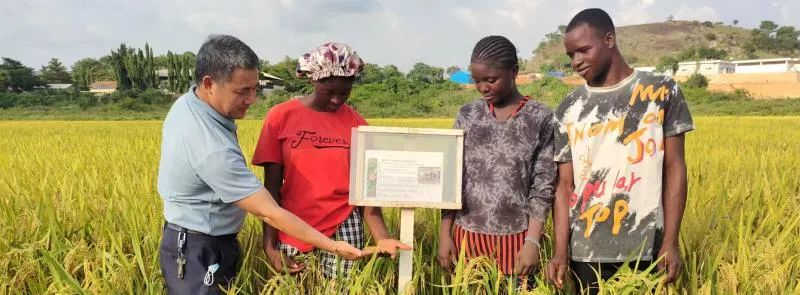
这个例子再次突显了伙伴关系的重要性。如果没有中国团队和他们在水稻育种方面的丰富经验和专业知识,这个项目不会成功。而如果没有非洲团队以及他们对当地农民和粮食体系的了解,这同样也行不通。这样的合作模式值得在世界各地推广。
这仅仅是两个让我感触很深的例子。而除此以外,盖茨基金会正在与中国的伙伴们合作解决许多其他重要的问题,例如根除脊髓灰质炎,诊断、预防和治疗艾滋病和结核病,以及开发价格低廉、可持续的新一代环境卫生技术。
我希望你们听到这里时能够变得更加乐观,也希望大家都能积极思考自己能从哪些事情入手、与谁合作,从而催生新的解决方案,以应对世界面临的最迫切的挑战。
我期待看到GHDDI、中国和世界各地的创新者在未来为推动全球进步做出贡献。
翻译:
Scientific and technological innovation can help the world accelerate progress and address today’s greatest challenges, and achieving this will require a global pool of wisdom, experience and expertise. The Gates Foundation is working with partners in China to help build a future where everyone has the opportunity to live healthy and productive lives.
This is a speech prepared by Bill Gates for a special event hosted by the Center for Global Health Drug Discovery on June 15
Thank you for your introduction and thank you all for participating in this event. The Gates Foundation is committed to advancing scientific innovation and improving people’s lives around the world. Our collaboration with the Global Health Drug Discovery Center (GHDDI) is an important part of this work.
I especially want to welcome the innovators, students and young researchers who are here today. Diseases such as malaria, tuberculosis and neglected tropical diseases, which disproportionately affect the world’s poorest people, are often ignored by the pharmaceutical industry. And that’s why when I think about the future, I’m excited about the impact you can have if you harness the power of technology to find solutions to some of the world’s biggest health challenges.
It has been four years since I was last in China, and the world has changed a lot. Many people are less confident about the future today than they were in 2019. In the past four years, the world has experienced COVID-19, the resurgence of infectious diseases, the intensifying effects of climate change, and famine in some regions. Addressing these challenges has never been more urgent. China has made great achievements in reducing poverty and improving the health of its people. I would like to see China play a bigger role in helping countries around the world, especially in Africa, meet these challenges.
Despite these difficulties, I remain optimistic for two reasons:
First, if we look back over the past decades, not just a few years, you’ll see this pattern: After the world made health equity a top priority, we made amazing progress. My favorite example is the decline in child mortality, because I can’t think of anything more important than saving children’s lives.
In 1990, nearly one in 10 children worldwide died before their fifth birthday, mostly in low – and middle-income countries, and most died from preventable infectious diseases. Now, just a generation later, child mortality has dropped dramatically to one in 25, which equates to more than 7.5 million child lives saved each year.
During the same period in China, the number of child deaths dropped by 94 percent. In short, history has shown that when we set big goals and commit ourselves to them, they can be achieved.
The under-five mortality rate has declined significantly since 1990.
Another reason for my optimism is the unprecedented potential of science and technology to solve difficult problems.
mRNA vaccine technology makes possible vaccines against diseases such as tuberculosis and malaria. To fight these diseases, we need newer and better prevention tools. As I have said before, I firmly believe that technological advances, including artificial intelligence, will lead to rapid breakthroughs in areas such as health care and education, giving more people access to life-saving tools and better opportunities for development. Innovations in climate technology – whether cleaner forms of power generation and storage, or more environmentally friendly steel and cement – will hopefully drive global emissions reduction targets while ensuring access to adequate and affordable clean energy.
In addition, there are many more innovations that will help us meet today’s challenges.
The world has never been more connected. In the case of climate change, the way rich countries have developed for centuries has caused climate change, but it is people living in low-income countries who are currently being hurt the most, even though they have contributed the least to climate change. Many of these low-income countries are still experiencing a food crisis, but that crisis was caused by a war thousands of miles away in Europe.
Smallholder farmers in Kenya are feeding drought-resistant corn stalks to cattle.
So I keep asking myself, how can we harness the power of science and innovation to provide acceleration for progress?
The answer is that everyone has to be involved. In order to solve the increasingly complex challenges facing humanity, and in order for everyone to live healthy and productive lives in the future, we must bring together global expertise. This means that addressing climate change while meeting human development needs requires both innovation and human ingenuity.
All sectors of society – government, academia, business and philanthropic organisations – must be involved if these challenges are to be solved.
Each of these departments has its own strengths. Scientists make new discoveries, and companies often turn those discoveries into practical products and services. By putting policies in place, governments can ensure that these solutions reach everyone; Charities can drive innovation when market mechanisms fail, bringing different types of institutions together for the common good. When these different departments work together, we can achieve a 1+1 > 2 effect.
Chinese innovators have an important role to play in these global collaborations. China has valuable success stories to share in health, agriculture, nutrition and poverty reduction. China also gathers a lot of talent. Whether in laboratories, start-ups, or institutions of higher learning, young people like many in this room are working to find future-proof solutions, such as innovative medicines to treat ancient diseases like tuberculosis and malaria, digital models to promote highly customized health care services and education, climate-smart hybrid rice and other food crops that are resilient to severe weather. And technologies that improve quality of life without exacerbating climate change, including innovations in power transmission, agriculture, and building materials.
In the next few minutes, I want to talk about two areas where I think the world can make progress: health and agriculture.
As GHDDI colleagues know, an important mission of the Gates Foundation is to eliminate malaria worldwide. Malaria kills a child every minute, but even that number is not enough to capture the severity of the disease, which also makes an estimated 250 million people seriously ill every year.
The vast majority of malaria cases now occur in Africa, but that was not the case in the 1950s. At the time, there were at least 30 million cases of malaria in China each year, and more than 300,000 deaths. However, thanks to major scientific breakthroughs made by Chinese scientists, the number of malaria cases and deaths in China began to steadily decline. One of them was Tu Youyou, whose pioneering work led to new antimalarial drugs that are still the mainstay of the global treatment of malaria. She won a Nobel Prize for her work. In 2010, China launched the China Malaria Elimination Action Plan. In 2017, China achieved zero indigenous malaria infections for the first time, and it will finally be certified malaria-free by the World Health Organization in 2021.
China is certified by the World Health Organization to eliminate malaria in 2021
This is a remarkable achievement. However, Chinese scientists are not stopping there, and they are developing a new generation of solutions based on this successful experience to help eradicate malaria worldwide.
The ground-breaking work being done at GHDDI is a good example. Particularly exciting is a preclinical Malaria Drug candidate developed by GHDDI in collaboration with two international organizations, the Medicines for Malaria Venture and the Malaria Drug Accelerator.
Although still in the laboratory, the drug candidate has shown unusual promise in three ways.
First, the parasite that causes malaria has developed resistance to many of today’s drugs, which means that the drugs are no longer as effective as they used to be, but this drug candidate appears to be “irresistible” and therefore expected to continue to be effective for a long time.
Second, current treatment regiments require patients to stick to their pills for three days. But many fail to complete the full course, and new drug candidates may cure malaria with just one dose.
Again, it appears to not only treat malaria, but also prevent infection in the first place.
We still have a long way to go before the drug candidate can be put into practical use. But we expect it to enter human clinical trials in the next few years.
It’s not just this drug candidate that I’m excited about. GHDDI has also established important collaborations with international TB research and development organizations, which are beginning to produce exciting results. GHDDI has identified a series of novel compounds that work synergistically with existing TB drugs, which means that TB treatment has the potential to be dramatically shortened from the standard four to six months to just one to two months. If these drugs pass clinical testing, they will significantly reduce disease transmission and reduce the burden of disease.
GHDDI scientists at work in Beijing, China
What really excites me is the converging effect of cutting-edge research and development in global health that is taking place around the world.
The more innovators focus on the world’s biggest challenges, the more people will have a chance to grow healthy.
While GHDDI is focused on fighting disease, there are many outstanding researchers in China who are working on other critical issues affecting people’s quality of life. Such as helping farmers adapt to climate change and feeding everyone in the world.
I have always been fascinated by the achievements of Yuan Longping, who developed the world’s first hybrid rice variety. Which not only changed China’s agriculture and economy, but also helped feed its vast population. Inspired by his work, the Consultative Group on International Agricultural Research (CGIAR). The world’s foremost agricultural research platform, has invested more in rice research. Yuan Longping has also trained more than 3,000 rice scientists from more than 50 countries to bring their experience back to their countries. Billions of people have survived and thrived as a result, and it is hard to imagine a comparable innovation.
Now, the world needs a new generation of rice varieties.
The Gates Foundation has been supporting Chinese scientists to develop hybrid rice that can survive severe weather. Such as the 2014 typhoon in the Philippines. Pakistan has also recently started planting new varieties, increasing yields by more than a third.
But for various reasons, new rice varieties have not achieved the same popularity in African countries. Therefore, the Foundation has supported Chinese and West African rice scientists to work together not only to breed new varieties adapted to local conditions. But also to work with local partners to ensure that these varieties are available to farmers to adapt to worsening climatic conditions. Current pilot projects in some West African countries have shown that local food production can increase by up to 50%.
A demonstration planting site of the project by Chinese experts and local farmers in Abuja, Nigeria
This example once again highlights the importance of partnership.
This project would not have been successful without the Chinese team and their extensive experience and expertise in rice breeding. Nor would it have been possible without the African teams and their knowledge of local farmers and food systems. This model of cooperation is worth spreading around the world.
These are just two examples that really struck me. In addition, the Gates Foundation is working with partners in China to solve many other important problems. Such as polio eradication; the diagnosis, prevention and treatment of HIV/AIDS and tuberculosis. And the development of a new generation of affordable and sustainable sanitation technologies.
I hope that when you hear this, you will be more optimistic. And I hope that you will all think positively about what you can do and who you can work with to generate new solutions to the world’s most pressing challenges.
I look forward to seeing innovators from GHDDI, China and around the world contribute to driving global progress in the future.”
本文由数字化转型网(www.szhzxw.cn)转载而成,来源于盖茨基金会;编辑/翻译:数字化转型网宁檬树。

免责声明: 本网站(http://www.szhzxw.cn/)内容主要来自原创、合作媒体供稿和第三方投稿,凡在本网站出现的信息,均仅供参考。本网站将尽力确保所提供信息的准确性及可靠性,但不保证有关资料的准确性及可靠性,读者在使用前请进一步核实,并对任何自主决定的行为负责。本网站对有关资料所引致的错误、不确或遗漏,概不负任何法律责任。
本网站刊载的所有内容(包括但不仅限文字、图片、LOGO、音频、视频、软件、程序等) 版权归原作者所有。任何单位或个人认为本网站中的内容可能涉嫌侵犯其知识产权或存在不实内容时,请及时通知本站,予以删除。