
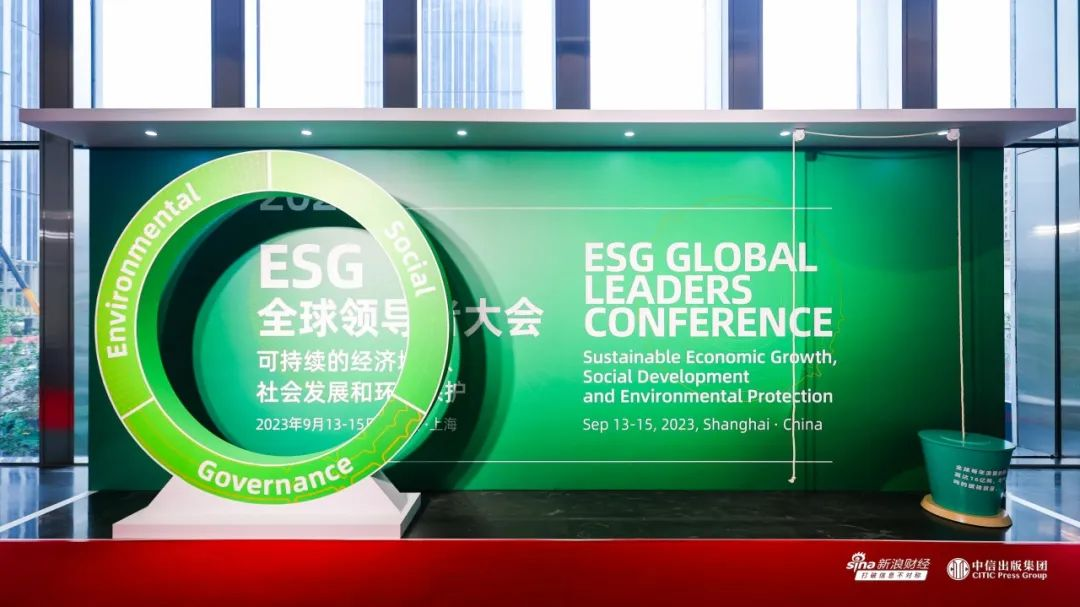
9月13日,德勤中国主席蒋颖应邀出席2023 ESG全球领导者大会并发表主旨演讲。本届大会为首次线下举办,以“可持续的经济增长、社会发展和环境保护”为主题,由新浪财经、中信出版集团主办,上海市经济和信息化委员会、上海市黄浦区人民政府特别支持。大会邀请了7位诺贝尔奖获得者、20多位顶级专家学者代表、20多位知名企业家代表、20多位国际性的机构组织代表等重量级嘉宾参会,共同解读联合国2030年可持续发展议程进展、全球ESG发展趋势、中国可持续发展愿景和双碳战略中的关键问题。

蒋颖在题为“公正转型,企业以人为本的价值重塑”的主旨演讲中表示,德勤作为全球领先的专业服务机构,持续关注环境、社会、员工的可持续发展问题。她特别强调,公正转型(Just Transition)是德勤倡导的ESG理念,为推动中国实现全面绿色低碳转型的高质量发展目标,助力打造世界一流企业,企业决策者需要站在全球市场、社会需求和政府政策的战略高度,充分关注和考量就业、民生、社会平等议题。
以下为演讲全文:
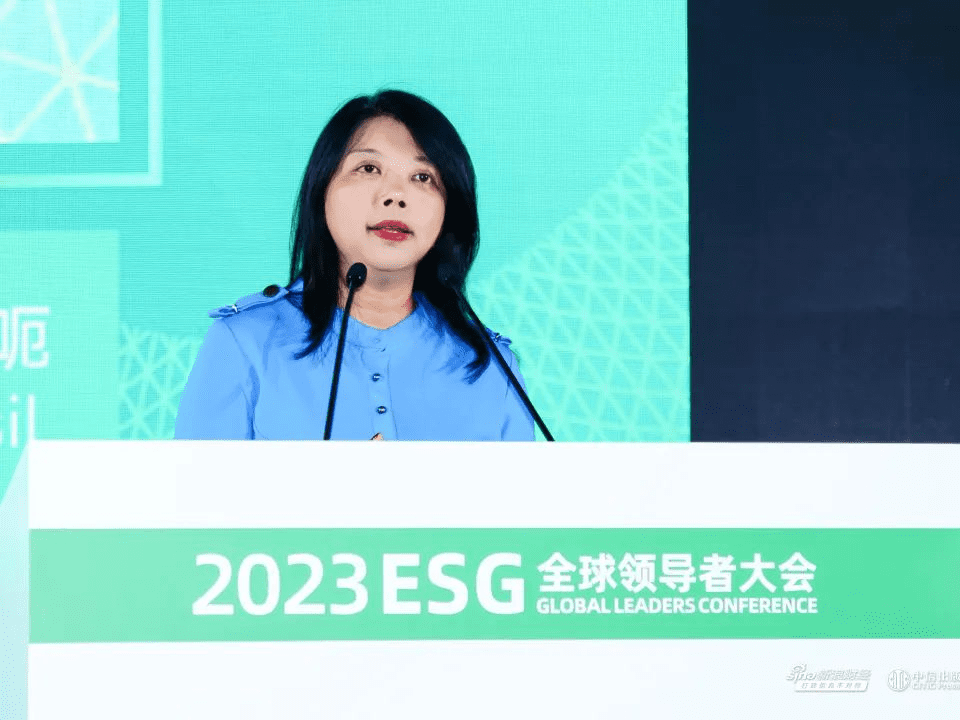
感谢新浪财经再次举办这一盛大的“全球ESG领导人峰会”。很高兴从上一届线上的“云会面”,转到线下实地见面,真实地感受这个变革时代的脉动。这种全球面对面的交流格外珍贵,我期待与社会各界领袖共同探讨,期盼本次峰会产出更多有影响力的成果。数字化转型网www.szhzxw.cn
今天我想和大家探讨的主题是“公正转型,企业以人为本的价值重塑”。
一、为什么公正转型如此重要?
当前全球市场、社会需求和政府政策都在推动全面绿色低碳转型。由于气候治理加速,已然引发不同区域、不同行业以及就业市场的不公平现象。因此,关乎就业、民生和社会平等的“公正转型”概念得到广泛的关注。
然而,一些已经开展气候转型的企业,主要聚焦解决转型对其业务的影响,以及如何重构运营活动、战略和价值链,较少考虑对就业与失业、员工技能的冲击、对脆弱社群和民众收入和生活的影响,企业对公正转型的认识和重视程度不够。
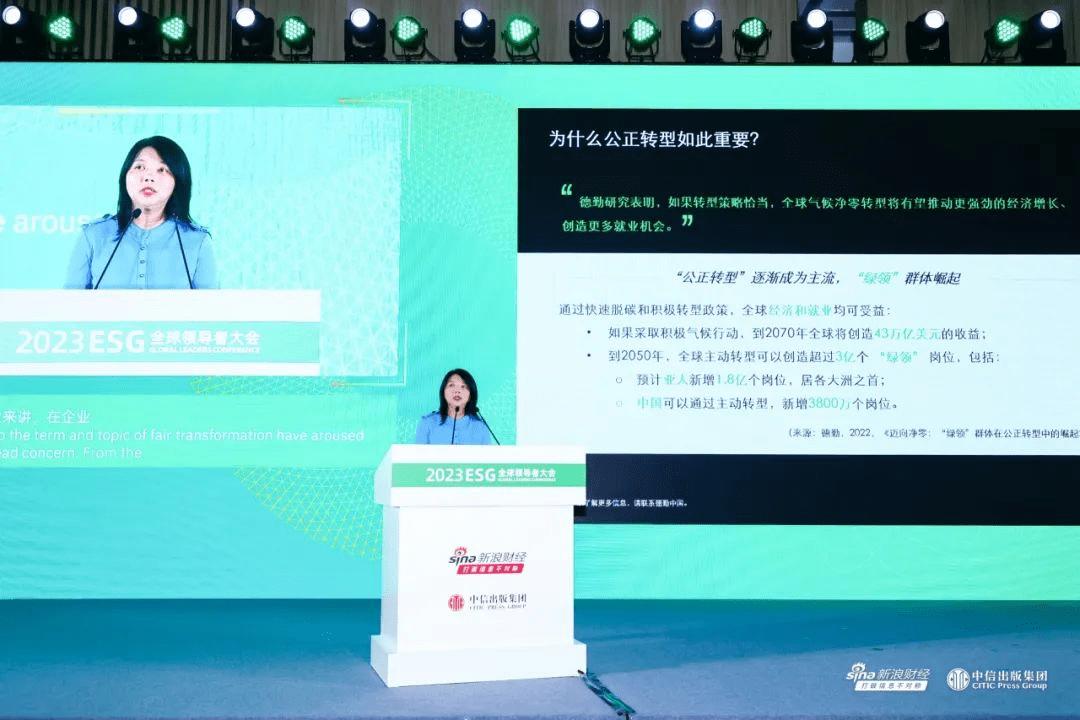
德勤基于自主开发的D.Climate模型,搭建了“就业脆弱性指数”,探讨经济体如何在气候转型中化危为机,推进劳动力转型。研究表明,如果转型策略恰当,全球气候净零转型将有望推动更强劲的经济增长、创造更多就业机会。数字化转型网www.szhzxw.cn
德勤模型显示,如果采取积极气候行动,到2070年全球将创造43万亿美元的收益;
到2050年,全球主动转型可以创造超过3亿个新增就业机会,也被称之为“绿领”岗位,其中:
- 预计亚太新增1.8亿个岗位,居各大洲之首;
- 中国可以通过主动转型,新增3800万个岗位。
二、公正转型应作为企业战略的核心部分
作为企业,每个与气候有关的决策,都深深影响着员工、客户和社区。例如,能源转型是气候治理的首要任务,在依赖化石能源开采的地区,可能面临广泛的失业、经济衰退和社区资源匮乏等问题。如果决策不当,可能会面临社会的反弹,阻碍业务策略。那么,怎样确保我们的决策公平公正呢?我想答案是“公正转型”,即通过倡导转型过程中的公正和公平,最大化社会和经济效益,同时通过与潜在受影响群体的沟通、保护利益相关方权益免受损害等方式来减少风险。简而言之,公正转型意味着既考虑“环境”又关心“人”的经济转型。
企业管理层需要做出最有益于公司的决策,包括如何最大化其价值。“五大资本”模型列示了企业运营所用的五种“资本”,即“财务”“生产”“人力”“社会”和“自然”资本。
其中,财务资本和生产资本是传统衡量商业绩效的主要指标。随着气候风险和生物多样性风险的增加,自然资本也越来越引起全球企业的关注。人力资本和社会资本则与“人”息息相关。“五大资本”模型有助于企业更好地理解在更广泛的环境和社会议题背景下的财务可持续性。数字化转型网www.szhzxw.cn
三、公正转型中的关键利益相关方
公正转型强调以“人”为核心,其五大关键利益相关方包括员工、社区、政府、投资者和价值链中的关键参与者。
如果利益相关方觉得从转型中受益较少,他们可能会动员反对气候行动,甚至采取一些极端行为,增加企业未能实现气候目标的风险。与五大利益相关群体的提前沟通和接触,并对于经济的稳定和成功转型至关重要,包括:
- 在员工层面,提升员工创造长效价值的技能;
- 在社区层面,企业运营获得社会许可和支持至关重要;
- 在政府层面,将政府作为企业成功转型的关键合作方;
- 在供应链层面,供应商和客户对企业运营至关重要;数字化转型网www.szhzxw.cn
- 在投资者层面,是提供资金、助力企业成功转型的关键推动方。
四、公正转型助力打造世界一流企业
尽管宏观环境存在高度不确定性,但不论从国家的期望,还是中国企业的动力来看,中国企业走向国际、争取成为世界一流企业的脚步是坚定的。
从中国政府选取的28家创建世界一流示范企业来看,他们不仅具有强大的企业综合实力,同时也展现了广泛的社会影响力和显著的全球竞争力。而公正转型将从这三个维度出发,助力更多企业打造为世界一流企业。
首先,在增强企业的综合实力方面,公正转型不仅可以吸引和留住人才,促进关键技术进步和创新,还可带来更多的融资机会。我给大家分享一个近期的案例:就在2023年8月,中国邮政储蓄银行按照《G20转型金融框架》在山西成功发放了全国首笔公正转型贷款,贷款金额为1亿元,贷款中的部分资金将在公司低碳转型发展中用于提升员工专业技能和就业能力,从而实现公正转型i。国际社会目前也已有多个国家设立公正转型基金。
其次,在提高社会影响力方面,公正转型不仅提高了企业在社会中的积极影响,还帮助企业建立了更强的品牌忠诚度和社会信任。数字化转型网www.szhzxw.cn
最后,在提升全球竞争力方面,公正转型使企业能够更好地适应各种市场和文化,更容易吸引全球合作伙伴和资源,从而形成独特的竞争优势。
五、如何通过公正转型实现价值重塑?
在追求公正转型的道路上,如何确保企业价值的重塑并成功地适应这一变革呢?以下四个关键视角,或许可以给企业董事会和高级管理层提供一些指导:
一是保持必要的转型速度:一方面,企业在快速变革过程中,公正转型需要我们谨慎决策,以防止行动的草率和潜在的管理失误;另一方面,为把握机遇,企业也必须保持敏捷且果断,这也依赖于董事会的有力支持和监督。
二是注重提升社会与商业价值:企业需紧密关注政治和社会趋势,例如:监测和管理利益相关方对企业决策的反对或抵触的风险,预判气候转型可能给价值链带来的影响、机遇和不平等,从中构建企业的竞争优势,加强公司的商业和社会价值。数字化转型网www.szhzxw.cn
三是注重社会可持续性:企业需强化对财务、生产、人力、社会和自然五类资本的认知,其中社会与人力资本的可持续性包括支持社区发展项目、为员工提供持续教育机会等,是创造长效价值、推进公平转型的核心。
四是拥有外向型视角:公正转型要求企业、行业、区域和政府共享一致的目标,企业应从内向型视角转为外向型视角,例如通过参加行业论坛、与利益相关方对话、倡导政策变革等方式,与各方建立合作。
翻译:
Jiang Ying, Chairman of Deloitte China, delivered a keynote speech at the 2023 ESG Global Leadership Conference
On September 13, Jiang Ying, President of Deloitte China, was invited to attend the 2023 ESG Global Leadership Conference and delivered a keynote speech. This is the first offline conference, with the theme of “Sustainable Economic growth, Social development and environmental protection”, organized by Sina Finance and CITIC Publishing Group, with special support from Shanghai Economic and Information Technology Commission and Shanghai Huangpu District People’s Government. The conference invited seven Nobel Prize winners, more than 20 representatives of top experts and scholars, more than 20 representatives of well-known entrepreneurs, more than 20 representatives of international organizations and organizations to attend the heavyweight guests, jointly interpret the progress of the United Nations 2030 Agenda for Sustainable development, the global ESG development trend, China’s sustainable development vision and the key issues in the two-carbon strategy.数字化转型网www.szhzxw.cn
In the keynote speech entitled “Just Transformation, People-oriented Value Reconstruction of Enterprises”, Jiang Ying said that Deloitte, as a leading global professional service organization, continues to pay attention to the sustainable development of the environment, society and employees. In particular, she stressed that Just Transition is an ESG concept advocated by Deloitte. In order to promote China’s high-quality development goal of comprehensive green and low-carbon transformation and help build world-class enterprises, corporate decision-makers need to stand on the strategic height of the global market, social needs and government policies. We will give full attention to and consider issues related to employment, people’s livelihood and social equality.
The following is the full text of the speech:
Thank you to Sina Finance for hosting this grand “Global ESG Leaders Summit” again. I am very happy to move from the online “cloud meeting” to the offline field meeting, and truly feel the pulse of this era of change. This kind of global face-to-face exchange is particularly valuable, and I look forward to discussing it with leaders from all walks of life, and I hope that this summit will produce more influential outcomes.
The theme I want to discuss with you today is “Just transformation, people-oriented value reconstruction of enterprises”.数字化转型网www.szhzxw.cn
Why is a just transition so important?
At present, the global market, social needs and government policies are promoting a comprehensive green and low-carbon transition. The acceleration of climate governance has led to inequalities in different regions, industries, and job markets. Therefore, the concept of “just transformation”, which is related to employment, people’s livelihood and social equality, has received wide attention.
However, some companies that have embarked on climate transformation have focused on addressing the impact of the transition on their business and how to restructure their operations, strategies, and value chains, with less consideration given to the impact on jobs and unemployment, the impact on employee skills, and the impact on the incomes and lives of vulnerable communities and people.
Based on its self-developed D.C. limate model, Deloitte has built an “Employment Vulnerability Index” to explore how economies can turn crises into opportunities and promote labor transformation in the face of climate transition. Research shows that, with the right strategies, the global net-zero climate transition has the potential to drive stronger economic growth and create more jobs.
The Deloitte model shows that if aggressive climate action is taken, the global benefits will be $43 trillion by 2070;
By 2050, global proactive transformation could create more than 300 million new jobs, also known as “green collar” jobs, including:数字化转型网www.szhzxw.cn
The Asia-Pacific region is expected to create 180 million new jobs, more than any other continent.
China could create 38 million new jobs through proactive transformation.
A just transformation should be a core part of corporate strategy
As a business, every climate-related decision has a profound impact on employees, customers and communities. For example, the energy transition is a top priority for climate governance, and regions that rely on fossil energy extraction may face widespread unemployment, economic decline, and poor community resources. If you make bad decisions, you may face a social backlash and hinder your business strategy. So how do we make sure our decisions are fair and just? I think the answer is “just transformation”, which means maximizing social and economic benefits by advocating for justice and equity in the transformation process, while reducing risks by communicating with potentially affected groups and protecting stakeholders from harm. In short, a just transformation means an economic transformation that takes into account both the “environment” and the “people.”
Business management needs to make decisions that are best for the company, including how to maximize its value. The “Five capital” model lists five kinds of “capital” used in the operation of enterprises, namely “financial”, “production”, “human”, “social” and “natural” capital.
Among them, financial capital and productive capital are the traditional main indicators to measure business performance. As climate risks and biodiversity risks increase, natural capital is also a growing concern for businesses around the world. Human capital and social capital are closely related to “people”. The “Big Five” model helps companies better understand financial sustainability in the context of broader environmental and social issues.
Key stakeholders in a just transition
Transformation for Justice emphasizes “people” at its core, with five key stakeholders including employees, communities, governments, investors and key players in the value chain.
If stakeholders feel they have less to gain from the transition, they may mobilize against climate action or even take extreme actions that increase the risk of companies failing to meet their climate goals. Early communication and engagement with five major stakeholder groups, which are essential for the stability and successful transformation of the economy, include:数字化转型网www.szhzxw.cn
At the employee level, enhance the skills of employees to create long-term value;
At the community level, it is essential that businesses have social permission and support to operate;
At the government level, the government is the key partner for the successful transformation of enterprises;
At the supply chain level, suppliers and customers are crucial to business operations.
At the investor level, it is a key enabler to provide capital and help enterprises successfully transform.
Fair transformation helps build world-class enterprises
Although there is a high degree of uncertainty in the macro environment, no matter from the expectations of the country, or the motivation of Chinese enterprises, the pace of Chinese enterprises to go international and strive to become world-class enterprises is firm.
Judging from the 28 world-class demonstration enterprises selected by the Chinese government, they not only have a strong comprehensive strength of enterprises, but also show a wide range of social influence and significant global competitiveness. The just transformation will start from these three dimensions and help more enterprises to become world-class enterprises.数字化转型网www.szhzxw.cn
First, in terms of enhancing the overall strength of enterprises, just transformation can not only attract and retain talent, promote key technological progress and innovation, but also bring more financing opportunities. Let me share with you a recent case: In August 2023, the Postal Savings Bank of China successfully issued the country’s first just transition loan in Shanxi in accordance with the G20 Transition Financial Framework, with a loan amount of 100 million yuan. Part of the loan funds will be used to enhance the professional skills and employability of employees in the company’s low-carbon transition development, so as to achieve just transition i. At present, the international community has set up a just transition fund in many countries.
Secondly, in terms of enhancing social influence, just transformation not only improves the positive impact of enterprises in society, but also helps enterprises to build stronger brand loyalty and social trust.
Finally, in terms of enhancing global competitiveness, just transformation enables enterprises to better adapt to various markets and cultures, and more easily attract global partners and resources, thus forming a unique competitive advantage.数字化转型网www.szhzxw.cn
How to achieve value reconstruction through just transformation?
In the pursuit of a just transformation. How do you ensure that the value of the enterprise is restored and successfully adapted to this change? Here are four key perspectives that may provide some guidance to corporate boards and senior management:
First, to maintain the necessary transformation speed: on the one hand, in the process of rapid change. Just transformation requires us to make prudent decisions to prevent hasty actions and potential management errors. On the other hand, in order to seize opportunities, companies must also remain agile and decisive. Which also relies on the strong support and oversight of the board.
The second is to focus on enhancing social and business value: companies need to pay close attention to political and social trends, such as monitoring and managing the risk of stakeholder opposition or resistance to corporate decisions, anticipating the impact, opportunities and inequalities that climate transition may bring to the value chain to build competitive advantage and enhance business and social value.数字化转型网www.szhzxw.cn
Third, focus on social sustainability: enterprises need to strengthen the awareness of financial, production, human, social and natural capital, among which social and human capital sustainability includes supporting community development projects, providing continuous education opportunities for employees, etc., which is the core of creating long-term value and promoting fair transformation.
The fourth is to have an outward-looking perspective: Just transformation requires companies, industries, regions, and governments to share the same goals, and companies should shift from an inward-looking perspective to an outward-looking one. For example by participating in industry forums, engaging in dialogue with stakeholders, and advocating for policy change.
本文由数字化转型网(www.szhzxw.cn)转载而成,来源于德勤Deloitte;编辑/翻译:数字化转型网宁檬树。

免责声明: 本网站(http://www.szhzxw.cn/)内容主要来自原创、合作媒体供稿和第三方投稿,凡在本网站出现的信息,均仅供参考。本网站将尽力确保所提供信息的准确性及可靠性,但不保证有关资料的准确性及可靠性,读者在使用前请进一步核实,并对任何自主决定的行为负责。本网站对有关资料所引致的错误、不确或遗漏,概不负任何法律责任。
本网站刊载的所有内容(包括但不仅限文字、图片、LOGO、音频、视频、软件、程序等) 版权归原作者所有。任何单位或个人认为本网站中的内容可能涉嫌侵犯其知识产权或存在不实内容时,请及时通知本站,予以删除。