作为住宅房地产电子商务平台Opendoor的首席技术官,Raji Subramanian领导技术和产品开发的各个方面,并拥有敬业的团队,以确保为客户提供值得信赖的流程。在这里,CIO Communities的执行董事Lee Rennick与她谈论了客户痴迷,问题识别以及工作与前进。
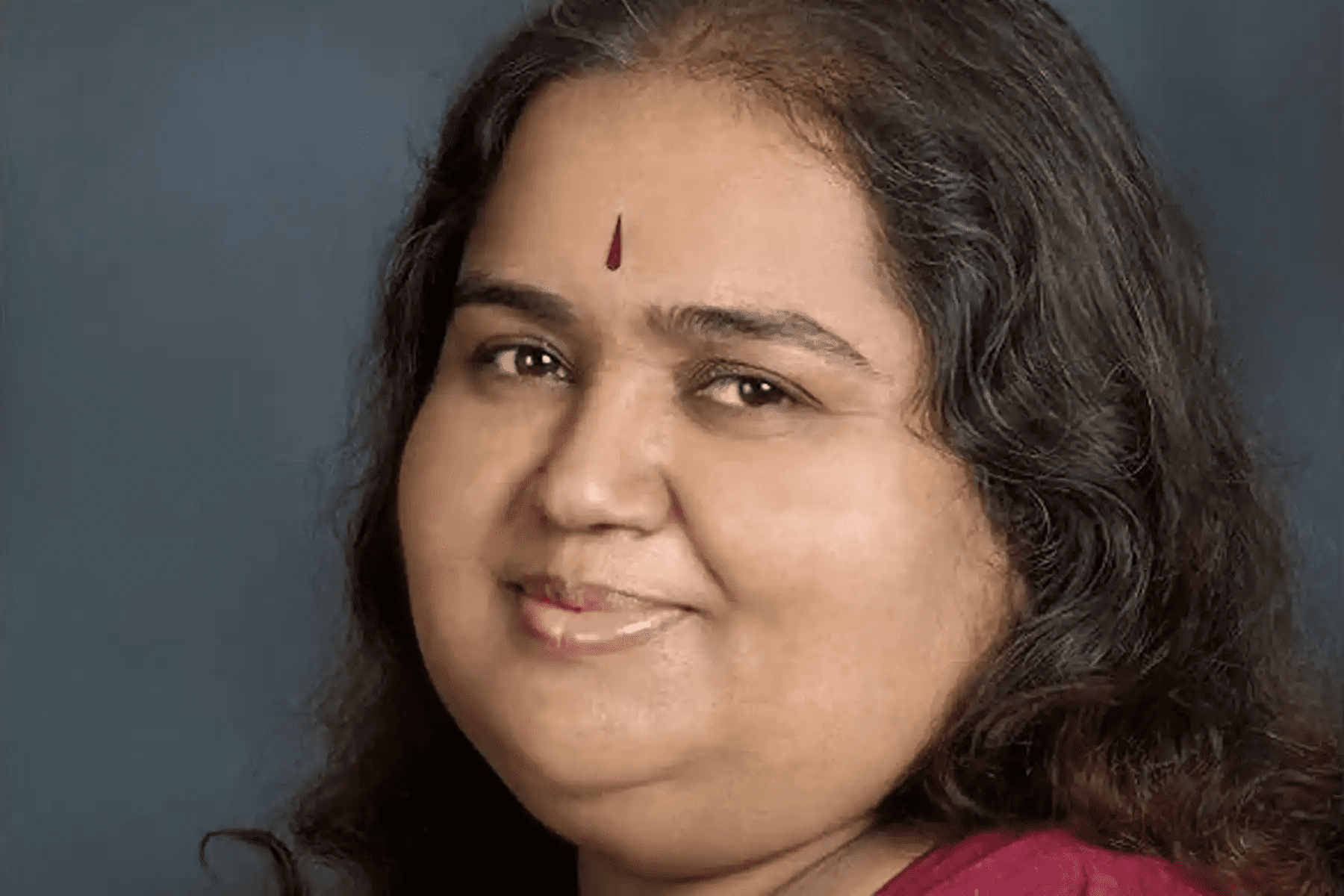
Raji Subramanian在一些最知名的品牌和公司拥有数十年的职业生涯,在旧金山的Opendoor工作了近三年。这家著名的住宅房地产数字平台成立于 2014 年,在过去几年中面临着测试挑战,包括因大流行、房地产市场收紧和抵押贷款利率上升而受到打击的交易,但作为首席技术官,Subramanian 知道如何消除所有干扰,以激励团队为客户提供服务。
“如果你看看我们的卖家,我们让出售房屋的整个过程变得无忧无虑,我们关注客户的需求:一个简单而值得信赖的流程,”她说。当你查看客户旅程时,许多公司都说他们痴迷于客户,但你通过查看影响客户体验的输入指标而不是输出指标将其带入 DNA。因为如果您开始查看影响客户体验的输出指标,那就太晚了。你正在从后视镜里看着顾客。
这种能够清楚地了解客户需求的能力源于实践和架构的结合,这些实践和架构推动了她所谓的卓越工程。
“当我开始在Opendoor担任首席技术官时,我和我的领导团队所做的一件关键事情就是为技术组织提出三大愿景,”她说。“整个公司都有一个更大的愿景,但技术所扮演的角色首先是设计卓越。二是如何为平台提供动力,三是如何投资创新。如果您深入研究每个方面,卓越工程是基础。没有它,你无法完成其他两个。
一、创造客户和商业价值
我的整个旅程都是围绕数字化转型和构建创新产品展开的。这两点都非常贴近我的心。我是亚马逊市场和亚马逊网络服务的先驱成员之一,并有助于建立许多基础和产品,从而发展这两项业务。我有很多单线程领导角色,但就领导而言,始终如一的都是做重要的事情——换句话说,创造客户和商业价值,归根结底是从客户开始和结束,然后从客户那里回来。如果你这样做,那么你正在做重要的事情。
二、没有什么能阻止你解决任何你认为重要且真正重要的问题
作为领导者,尽管困难重重,但取得成功非常重要。我认为对于领导者来说,成为思想家和问题解决者以找出道路非常重要。这并不意味着你总是这样做,但你必须多次弄清楚。有时,这也可能意味着您正在重新配置路径本身,以及查看您认为应该实现的结果,如果您可以克服困难取得成功。然后,它将带您经历一个非常不同的领导之旅。这并不意味着一路上没有失败,但你会找到克服它们的方法。我父母在印度长大时与我分享的一件事是,只要你准备好面对后果,你可以做任何你想做的事情。作为领导者,我与大家分享这一点。技能是,如果你准备好了,你就不会害怕后果,你知道事情有后果是可以的。然后,没有什么能阻止你解决任何你认为重要且真正重要的问题。
三、始于客户,终于客户
如果您查看Opendoor的旅程和我们的运营原则,我们最关心的一件事就是客户至上。这一切都始于客户,也终于客户。这是基础。如果你做不到这一点,那么其他一切都不重要。我们有两种翻译方式。首先是从客户那里工作。当您从客户那里回来工作时,您首先要向客户提供的好处的结果是什么,然后返回并将其中的点连接到将解决该问题的产品和解决方案。然后,它归结为明确的问题识别,即您正在为客户解决的问题,然后您继续执行整个战略和路线图。这就是为什么向后工作比向前工作非常强大。
四、董事会的多样性需要转移最高管理层的多样性
如果你看看整个多元化对话,就会发现很多书尾讨论一直在进行。一方面,每家公司都有专注于多元化的团队,到目前为止,我们知道多元化对公司的成功至关重要。我们在书挡中有很多举措,因此在董事会层面,多样性正在增加。我一直深入参与其中,甚至在组织层面,我们已经创建了足够的论坛,让员工聚集在一起,拥有成功的支持网络和基础。但我们需要将各个层面的点连接起来。因此,董事会的多样性需要转移最高管理层的多样性。我对此做了很多研究,我们查看了数据,虽然多样性受到了如此多的公众思考和媒体关注,但如果你把它放在董事会多样性的层次上,没有必要转化为最高管理层的角色。这一点至关重要,因为公司的日常管理由最高管理层和更下面的高管负责。它需要从两个书挡开始进入,以便您连接点。
五、重新构想新技术的工作方式
自 AI 和 ML 诞生以来,我们一直是它的先驱,并用它来彻底改变房地产行业——特别是在全国范围内如何为房屋定价方面,因此它是一种非常定制的产品,客户个性化。更值得注意的是锚定创新,以改变和重塑一个非常传统的行业。我看到公司通常在其业务中沿着三种不同的旅程运营:发明、实施和优化。发明家使用技术来尝试新的想法,尝试新的价值主张并追求它。一旦您找到适合市场的产品,您就可以扩大规模、建立基础并实施生产线。然后,当您的业务达到一定的成熟度时,您可以进行优化。我对领导者的指导是,新技术领域进来创造颠覆的手段。因此,很容易沾沾自喜并安顿在机具和优化区域。但现在是重新审视愿景、战略和路线图的时候了。这不是增量重置,而是根本重置。因此,我觉得公司需要重新构想他们的工作方式,无论是改变客户体验,提供工作和生产力,还是在颠覆任何行业的同时变得运营卓越。我会沿着生产力和卓越来看待它,改变客户体验,颠覆房地产,然后回到绘图板再次重塑。这样做的公司将蓬勃发展。
英文原文:
Building elite teams to map out the business and customer journey
As the CTO at Opendoor, the e-commerce platform for residential real estate, Raji Subramanian leads all aspects of technology and product development, with engaged teams in place to ensure a trusted process for customers. Here, Lee Rennick, executive director of CIO Communities, speaks with her about customer obsession, problem identification, and working back versus working forward.
With a career that spans decades across some of the most recognized brands and companies, Raji Subramanian has been making her mark at San Fransisco-based Opendoor for nearly three years. The prominent digital platform for residential real estate, founded in 2014, has faced testing challenges over the past few years including transactions taking a hit due to the pandemic, a tightening housing market and increasing mortgage rates, but as CTO, Subramanian knows how to cut through all the distractions to galvanize teams to deliver for customers.
“If you look at our sellers, we made the entire process of selling their homes anxiety free, and we tuned in to what the customer needed: a simple and trusted process,” she says.
“When you look at the customer journey, many companies say they’re customer obsessed, but you bring that into the DNA by looking at the input metrics that impact the customer experience, not the output metric. Because if you start looking at output metrics that impact the customer experience, it’s too late. You’re looking at the customer in the rearview mirror.”
What enables this ability to have clarity about what customers need stems from a combination of practices and architectures put in place that drives what she calls engineering for excellence.
“When I started as CTO at Opendoor, one of the key things my leadership team and I did was come up with three pillars of vision for the technology organization,” she says. “There’s a larger vision for the entire company, but the role technology plays is first to engineer excellence. The second is how to power the platform, and the third is how to invest in innovation. If you dig deeper into each, engineering for excellence is the foundation. Without it, you can’t do the other two.”
CIO Leadership Live Canada’s Rennick recently spoke with Subramanian about building diverse tech teams, a grounded approach to fulfil enterprise goals, and how gen AI and ML tools enhance productivity. Watch the full video below for more insights.
On career consistency
My entire journey has been around digital transformation and building innovative products. Both of those are very close to my heart. I was one of the pioneering members of Amazon marketplace and Amazon Web Services, and was instrumental building a lot of those foundations and products that grew both those businesses. I had a lot of single threaded leadership roles, but the constant throughout in terms of leadership has always been about doing stuff that matters — in other words, creating customer and business value, which comes down to starting and ending from the customer and then working back from that. If you do that, then you’re doing stuff that matters.
On navigating success:
As a leader, it’s important to deliver success despite the odds. I think it’s very important for a leader to be a thinker and problem solver to figure out the path. It doesn’t mean you always do, but you have to figure it out more times than not. Sometimes that also might mean you’re reconfiguring the path itself, as well as looking at the outcomes you think you should achieve If you can deliver success despite the odds.
Then it takes you through a very different leadership journey. It doesn’t mean there are no failures along the way, but you find a way to overcome them. One thing my parents shared with me growing up in India is you can do anything you want as long as you’re prepared to face the consequences. And as a leader, I share that with everyone. The skill is if you’re prepared, you don’t fear consequences and you know it’s okay for things to have consequences. Then there’s nothing stopping you from working on any problem you think is important and really matters.
On customer obsession:
If you look at the Opendoor journey and our operating principles, one of the things we care most about is customer obsession. It all starts and ends with the customer. That’s the foundation. If you can’t do that, then nothing else matters. And there are two ways how we translate that. The first is working back from the customer. When you work back from the customer, you start with what the outcome of the benefit you want to deliver to the customer is, and then return and connect the dots from that to the products and solutions that will solve that problem. Then it comes down to clear problem identification as to what you’re solving for the customer, and then you thread your entire strategy and roadmap to go ahead. That’s why working back is very powerful versus working forward.
On diversity:
If you look at the entire diversity conversation, a lot of bookending discussions have been going on. On the one end, every company has groups focused on diversity and by now, we know diversity is essential to the success of the company. We have a lot of initiatives fostering across the bookends, so at the board level, diversity is increasing.
I’ve been deeply involved with it, and even at the organizational level, we’ve created enough forums for employees to come together and have that support network and foundation to succeed. But we need to connect the dots across all levels. So diversity of the board needs to transfer the diversity of the C-suite. I’ve done a lot of research on it and we’ve looked at the data, and while diversity has received so much public thinking and media attention, if you take it one level down board diversity, no needs translate to C-suite roles. That’s critical because the day-to-day management of the company sits with an executive in the C-suite and further down. It needs to start coming in from both bookends so you connect the dots.
On early AI adoption:
We’ve been a pioneer of gen AI and ML since its inception, and have used it to revolutionize the real estate industry — specifically, in terms of how you price homes nationwide, so it’s a very bespoke sort of a product that customers personalize. What’s more remarkable is anchoring innovation to transform and reinvent a very traditional industry.
I see companies typically operate along three different sort of journeys in their business: invent, implement, and optimize. Inventors use techniques to try out new ideas and experiment with new value propositions and go after it. Once you find product market fit, you scale, build foundations and implement production lines.
Then as your business reaches a certain level of maturity, you optimize. My guidance to leaders is that areas of new technology come in to create means to disrupt. So it’s easy to get complacent and settled into the implement and the optimized zones. But this is a time to reset and rethink the vision, the strategy and the roadmap. It’s not an incremental reset, it’s a fundamental reset. So I feel companies need to reimagine how they’re going do things, whether it’s transforming the customer experience, delivering work and productivity, or becoming operationally excellent while disrupting any industry. I would look at it along productivity and excellence, transform the customer experience, disrupt real estate, and then go back to the drawing board to reinvent again. Companies that do this will thrive.
本文由数字化转型网(www.szhzxw.cn)转载而成,来源:数智化转型网;编辑/翻译:数字化转型网默然。

免责声明: 本网站(http://www.szhzxw.cn/)内容主要来自原创、合作媒体供稿和第三方投稿,凡在本网站出现的信息,均仅供参考。本网站将尽力确保所提供信息的准确性及可靠性,但不保证有关资料的准确性及可靠性,读者在使用前请进一步核实,并对任何自主决定的行为负责。本网站对有关资料所引致的错误、不确或遗漏,概不负任何法律责任。
本网站刊载的所有内容(包括但不仅限文字、图片、LOGO、音频、视频、软件、程序等) 版权归原作者所有。任何单位或个人认为本网站中的内容可能涉嫌侵犯其知识产权或存在不实内容时,请及时通知本站,予以删除。