任何时候中国都不能缺少制造业。制造业对我国的重要性,不言而喻,从制造规模来看:2022年,我国制造业增加值占全球比重近30%;我国制造业增加值占GDP比重为27.7%。从制造业领先度来看,截止到目前,全世界一共有132家灯塔工厂*,其中中国有50家,位列世界首位。
但另一方面,越南、印度、墨西哥等国家的制造业崛起,欧美国家的制造业回流,以及高端制造业的局部脱钩,对我国制造业的发展带来深远的挑战。怎么办?
搭建完善的产业链是一方面,推动产业升级是一方面,而强化制造业的创新能力,占据高价值链区域,成为别人离不开、绕不过的制造业「护城河」则更为重要。
作为小国强制造的瑞典,在产业护城河方面做的就很不错。
瑞典人口1055万,诞生过诸多跨国企业、世界500强企业,如ABB电气、斯堪斯卡工程公司、伊莱克斯电器公司、爱立信通讯公司、H&M、宜家家居、SKF集团、沃尔沃汽车……不夸张地说,瑞典是人均跨国企业最多的国家。要知道1个多世纪前,瑞典还是一个贫穷农业国,那它是如何快速转身成为制造业强国,跻身世界发达国家之列的呢?
一、依靠「钢铁」业起家的瑞典
瑞典位于斯堪的纳维亚半岛,64%的国土被森林覆盖,84%的人口居住在只占国土面积1.3%的城市内。
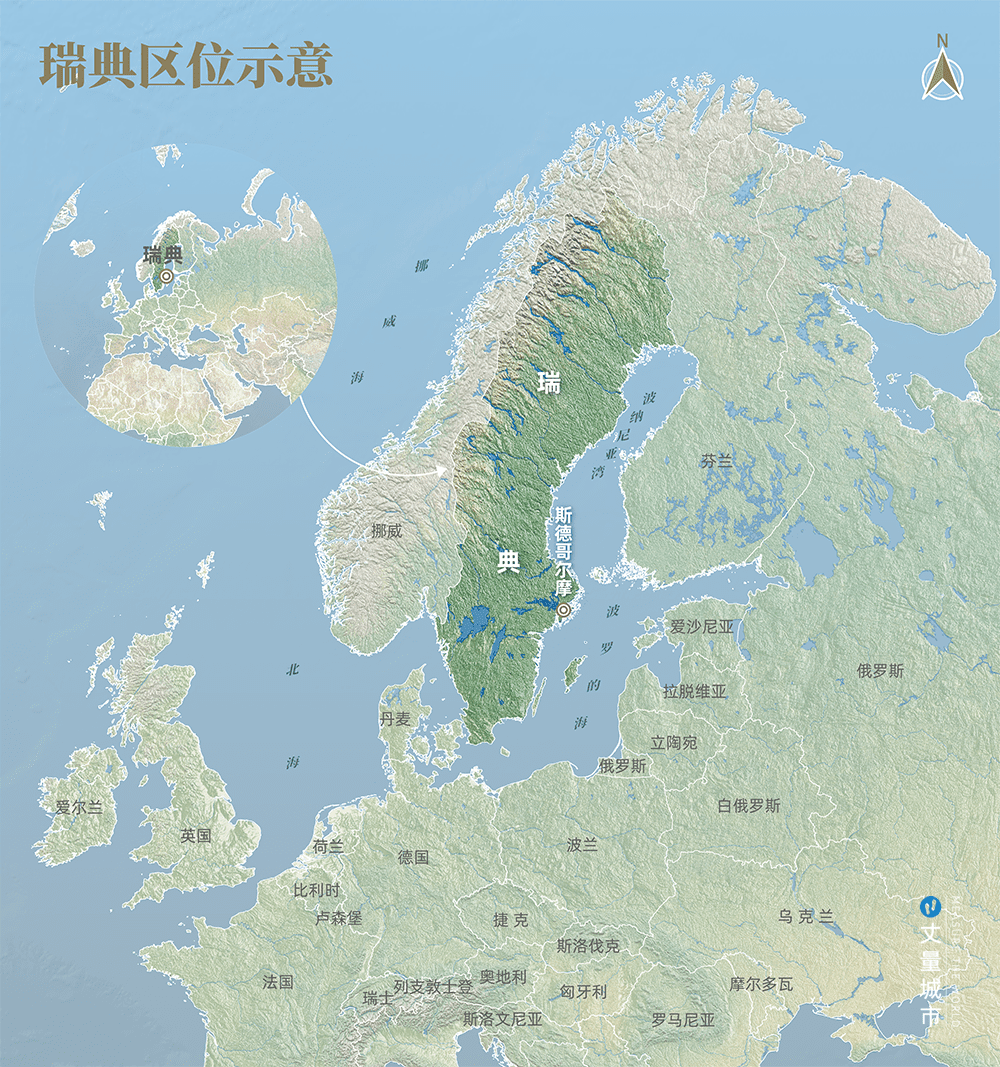
瑞典经济曾经以农业为主,1890年代开始发展制造业,到20世纪中期成为一个高福利国家。1993年-2007年间,瑞典制造业增速比美国高1.5个百分点,比欧洲15国平均水平高2.9个百分点。
瑞典的「发家致富」,与采矿业、钢铁业的发展密不可分。
1、依靠自然资源优势阶段
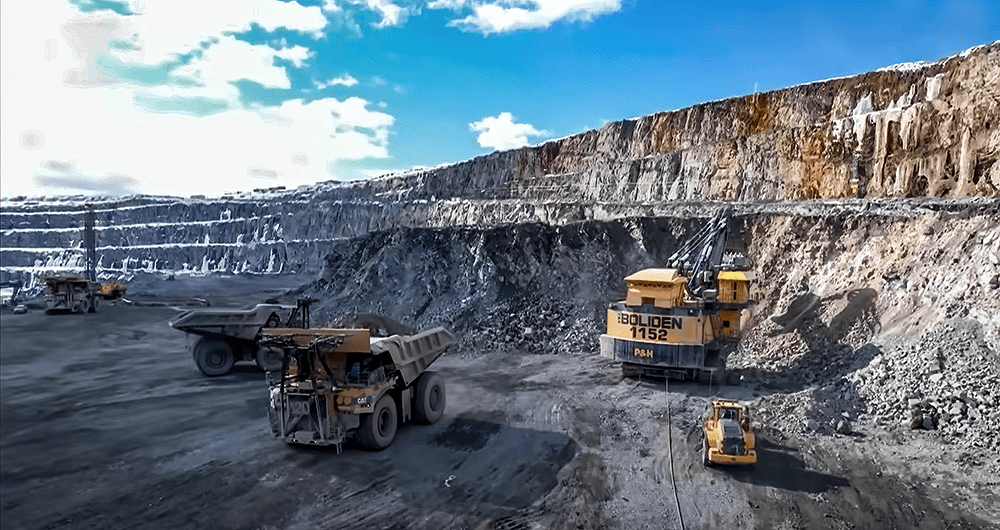
丰富的矿产、广茂的森林、储能大的水利资源,可以说是瑞典造业崛起的资本。其中,瑞典的铁矿石储量达到40亿吨,矿石纯度在60%至70%间。这些资源优势,促进了瑞典工业「鼻祖」冶铁业的发展。

其实早在13世纪,以维京海盗为主角的「维京时代」结束后,瑞典便开始通过铁矿石出口发展贸易,并成为汉萨同盟*的一员。
*汉萨同盟是14—17世纪期间,德国北部城市与北欧各国间形成的商业联盟。
之后,有着「海上马车夫」之称的荷兰,看中了瑞典有矿石、有燃料、有水利资源的优势,希望将矿石转化为利润更高的铸铁。
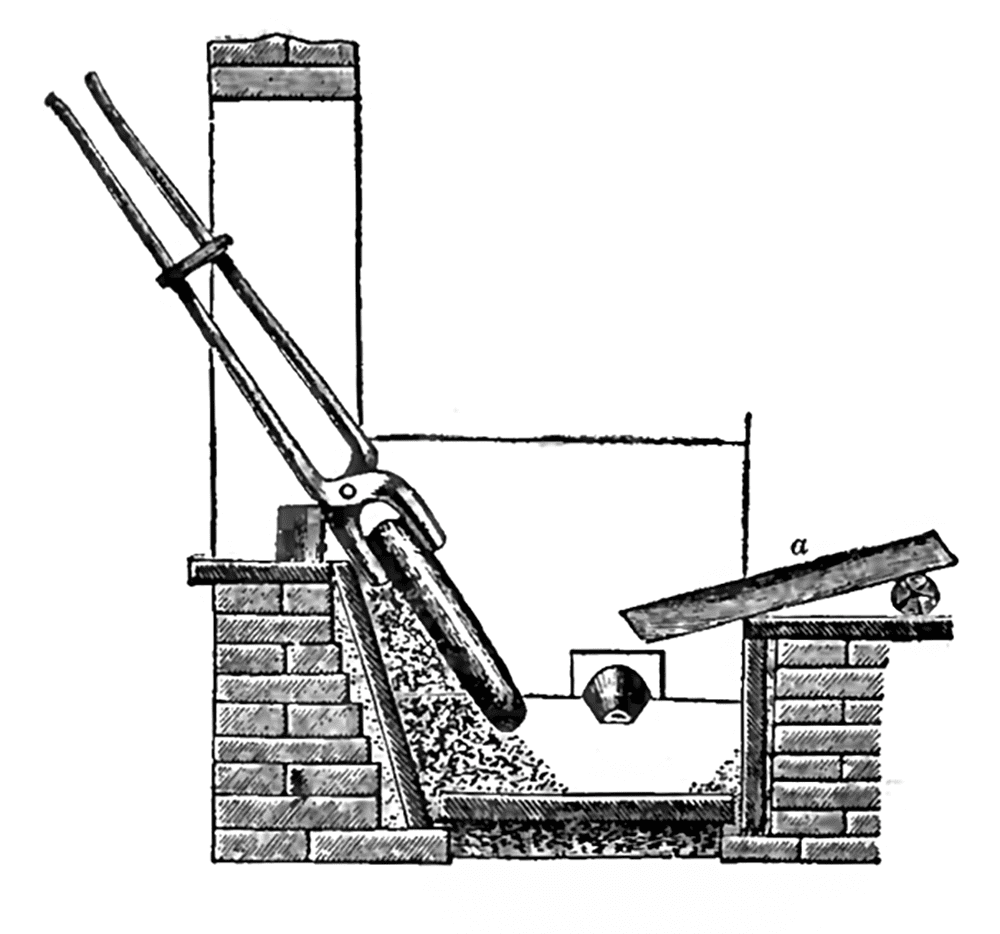
于是,荷兰不但为瑞典带来投资,还带来了欧洲「高级工匠」瓦隆人(日耳曼人的一个分支,擅长冶铁、铁器制造),从而推动瑞典冶铁业快速增长,到1740年,瑞典冶铁出口达到4万吨。
2、提质,拼基础研究阶段
不可否认自然资源的优势,是瑞典很长一段时间内的比较优势,但随着工业革命蒸汽机与煤炭的广泛应用,瑞典的冶铁优势不再。
「不甘心」的瑞典,决心通过提升冶金行业的质量,再次取得竞争优势。提高冶金质量的前提是弄清楚矿石里的成分,精确掌握里面的各种元素,这也就刺激了其化学工业的发展。于是,瑞典涌现出阿尔弗雷德·诺贝尔、卡尔·威廉·舍勒顶、琼斯·雅可比·贝采里乌斯等等一批顶级的化学家,瑞典成为发现化学元素数量第二多的国家(贡献了元素周期表中的19个,仅次于英国的23个)。
19世纪瑞典还改进了炼钢技术——氧气顶吹转炉炼钢,成为当代广泛采用的钢铁冶炼方法,瑞典的钢铁业再次回到巅峰。
二、升级产业:从卖原料到卖产品
到20世纪70年代初,瑞典冶金业可以说发展的顺风顺水,但在1975年至1981年前后,瑞典冶金业再次经历断崖式下降,产能过剩,众多企业倒闭。归其原因,除了两次石油危机带来的欧洲能源转型、低碳发展的大背景外,更主要原因有3点:
一是,矿石优势消失。以往炼钢过程中,需要控制生铁中的硫和磷含量,提升钢材质量,高纯度的铁矿石很具优势。但随着新技术的出现,对矿石的纯度要求有所降低,瑞典原材料优势走低。二是,国际市场需求下降。之前大量进口瑞典钢材的国家,如日本、德国大力发展本国的钢铁冶炼产业,国际钢材市场需求下降。三是,国内市场需求下降。瑞典国内造船业和建筑业的衰退,国内钢材需求量骤减。
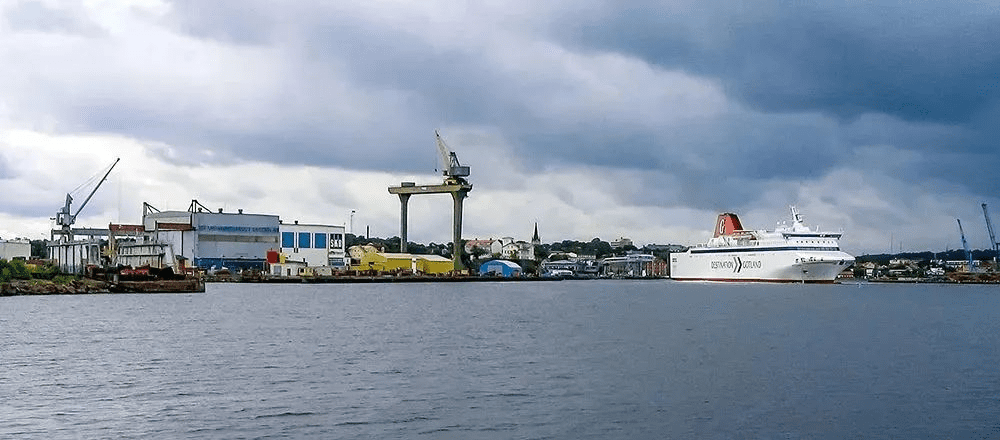
瑞典钢铁业再一次走到抉择的岔路口,是优化老路,还是探索新路?瑞典重新定位了本国产业竞争力——不是卖原料,而是卖产品。
1. 以特种钢为切口,进入全球高端制造业领域
1976年,瑞典商业钢调查委员会提出通过改变粗钢生产,提高钢材质量,抢夺全球利基市场的产业发展方向。瑞典确立通过发展特种钢,进入全球的军工、电力、核电、环保、汽车、航空等行业高端制造领域的战略,占据制造业领域中的高利润环节。
1978年—1984年,瑞典推动钢铁企业合并,其炼钢厂从19世纪的600余家,缩减至2020年的13家,炼钢集中在几个大钢厂中,形成规模优势。例如3家钢厂于1978年合并成立瑞典钢铁集团SSAB,瑞典政府对SSAB投资4亿美元用于转型升级,如今它是瑞典最大的钢铁制造商,主要聚焦于高强度钢生产。

瑞典还通过「一企攻一项」的策略,提高各钢厂产品的差异化,形成「没有一个全能的特殊钢厂,但每个企业都拥有拳头产品」的发展格局。说白了,就是术业有专攻,同类产品向同一家企业集中,降低企业之间的恶性竞争,提高瑞典钢铁产业在国际上的综合实力。
瑞典钢铁行业的主要推动者是钢铁协会(简称JK),除了行业监管,该协会还会制定行业发展计划及研发工作。如今,瑞典钢铁占欧洲钢铁出口量的80%(每年约500万吨)。
(1)行业技术创新推手
钢铁协会拥有600多名研发人员,他们会与各方力量(研究所、高校、企业、用户)进行联合研发,集中攻关,研发经费则来自政府和企业(比例约为4:6)。
钢协制定的行业战略与瑞典的发展方向紧密结合,例如瑞典计划在2045年实现碳中和,钢铁行业作为排碳大户,它的减碳效果,决定着国家目标实现的进度。于是,钢铁协会联合钢铁集团SSAB、矿业公司LKAB、电力公司Vattenfall,一起推动瑞典钢铁行业的脱碳。采用突破性氢能炼铁技术(HYBRIT),通过氢气将铁与氧气分离,最终分解出铁和水,实现零碳排放。
如今瑞典的钢厂,被誉为「全世界最清洁的钢厂」,每年消耗能源约占全国总能源消耗的15%,废气粉尘含量为2㎎/m³,远低于其它发达国家标准(日本100㎎/m³,德国10㎎/m³)。
(2)企业细分,提升产品竞争力
位于钢铁行业下游的企业创新,主要聚焦如何将特种钢与自身的产品结合形成优势,诞生了众多垂直领域的隐形冠军。
例如山特维克是全球矿山机械和合金模具领域的行业巨头,全球一半以上的轮胎、易拉罐等产品的生产过程中,需要用到山特维克生产的合金模具;中国85%以上太阳能面板,在切割环节需要使用山特维克的模具。为保持技术的领先性,山特维克每年在研发投入39亿瑞典克朗,在全球雇佣了约2,600名研究人员,建设50个研发中心,拥有6100项有效专利。
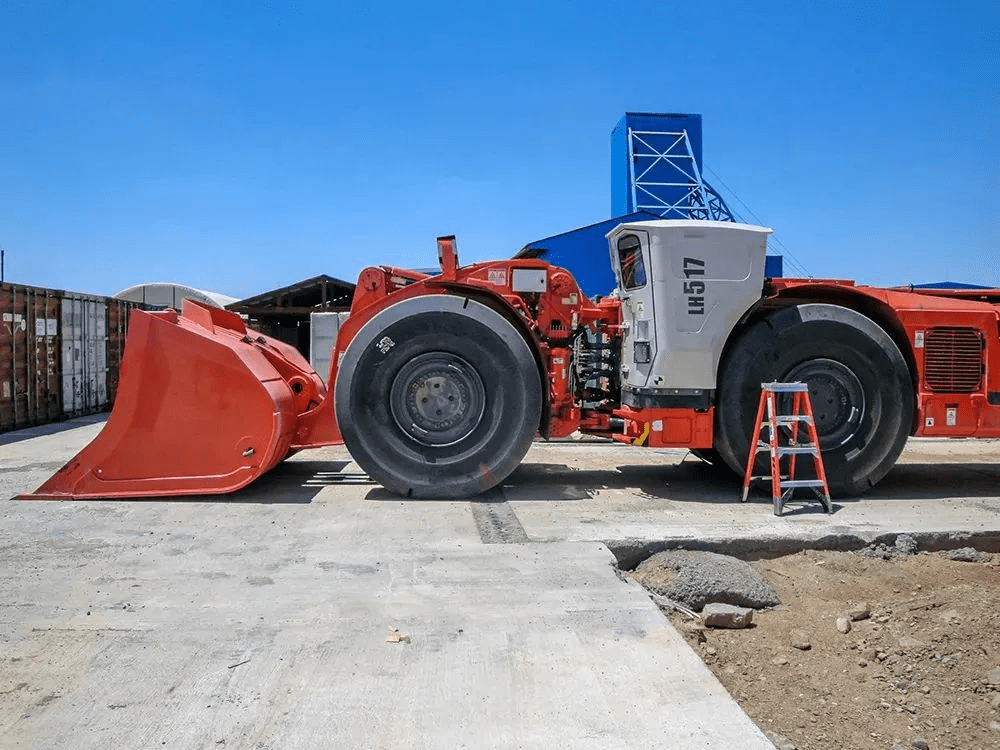
与钢铁行业一样,制造业企业也尽可能的实现差异化竞争,形成互补,从而使瑞典制造进入更多领域。例如轴承制造领域的斯凯孚集团,可以生产从3毫米到1.25米,从机械到电磁、光纤轴承的上万种轴承,广泛用于汽车、航空、铁路、家电等行业。
再比如金属粉末制造企业赫格纳斯,在不断提升原有镍、钴、铁等金属粉末类材料优势的同时,又拓展到陶瓷粉末、软磁复合材料,成为工业3D打印制造环节必不可少的基础材料。
2. 延伸产业链,从一个行业到整个制造业
瑞典经济的经济复杂度指数(ECI)*为1.81,是全球第五大经济复杂度指数国家。这意味着瑞典的各产业之间有着高度的关联度,他们相互支撑,能形成竞争优势和抵御风险的韧性;更意味着,瑞典的产业优势已从钢铁,延伸到更广泛的产业领域。
*经济复杂度指数:通过观察一个国家生产的产品种类来衡量其生产能力的一种方法。经济结构越多样化,产业间的相互依存性越高,经济复杂度越高。
当然,这种从一个行业到整个制造业的发展,还有一个客观因素推动——瑞典复杂地貌,对机械性能的严苛要求。
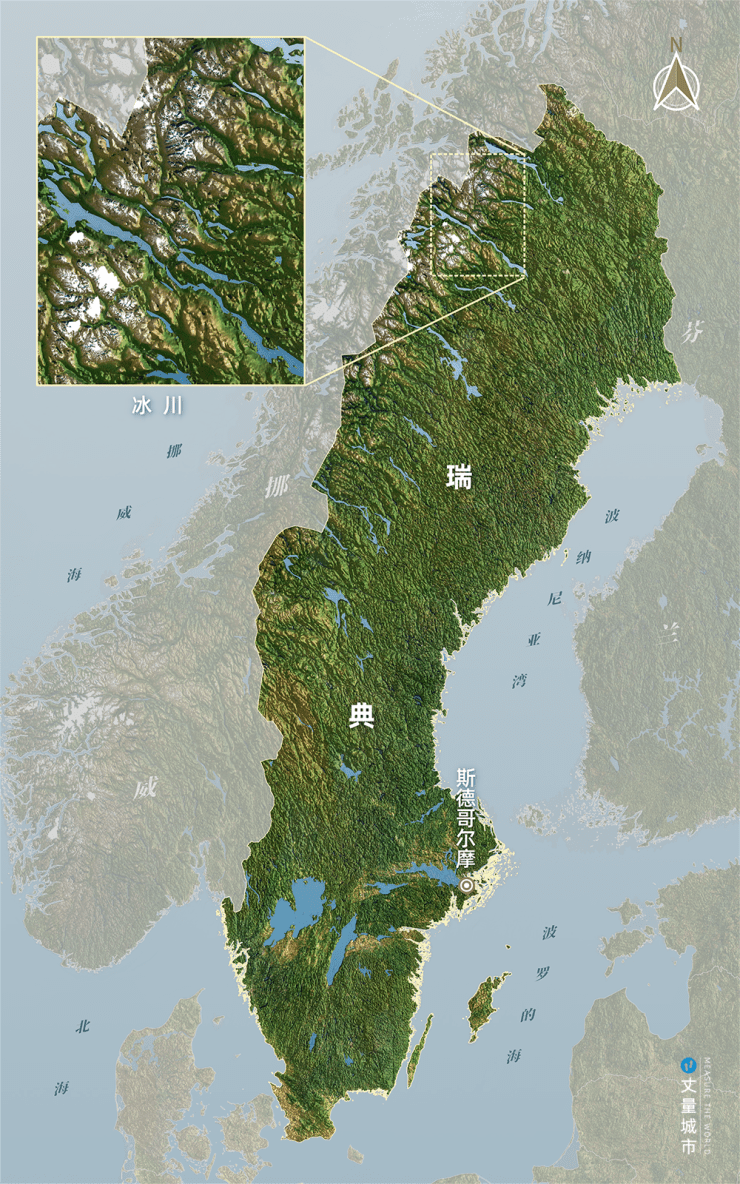
事情是这样的——瑞典除了铁矿还有铜、铝、锌、锰、砷、钛、钡、铋、石英、煤等等矿产资源,但是这些矿藏资源,分布在从温带海洋到极地气候,从平原到山脉再到冰原的多变环境中。
因此,采矿作业及加工需求复杂多变,促使其制造行业向高性能、高品质方向发展,从而造就了3类机械制造业的领先性。
(1)系统化的工程机械
为了应对复杂的采矿环境,瑞典诞生一批系统化、全流程的工程机械企业。
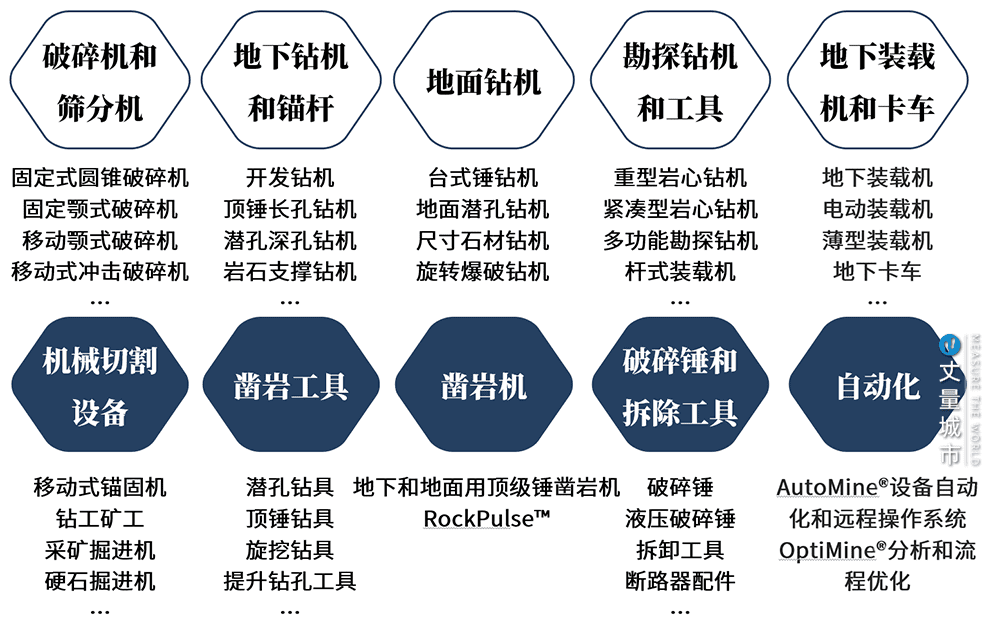
例如前文提到的山特维克集团,能提供采矿、隧道工程的全流程解决方案,从单个特种设备到工程车队定制,再到无人化作业,其自动化系统涵盖了矿山自动化的方方面面。特别是针对地下工程开发的无人驾驶系统,安全运行时间已超过200万小时。
(2)高性能的交通装备
在面对严苛的运输条件,高性能的交通装备是矿业运输行业必不可少的硬指标。
比如重型卡车制造商斯堪尼亚,专注于多变环境下重型卡车、客车的研发生产,2011年,斯堪尼亚斥资4亿克朗建设了欧洲最大、最先进的风洞和气候模拟设施,对工程车辆进行各类极端环境测试模式,提高车辆性能。
(3)「专精特新」的精密制造
在高端制造业迅猛发展的背景下,瑞典的精密加工业诞生了一批「专精特新」企业。例如大型卷板机制造商Ursviken,凭借其将整块钢板折「U」形超大卷板的制造能力,成为各类大型工程设备,船舶制造、潜艇制造必不可少的供应商。
完善的装备制造能力,使瑞典具备了很强的军工制造实力(自给率高达85%到90%),这让瑞典的武器出口名声大噪(2019年,人均武器出口排名全球第3名),因此瑞典也被称为「北欧小国,军火大国」。
小结一下,瑞典的工业再次崛起,是通过特种钢为核心,塑造出上下游联系的经济复杂度。
三、激发创新:打造新产业比较优势
用创新激活经济动力,已成各经济体的共识。
瑞典先后颁布了《研究法案》《创新的瑞典》《研究与创新预算法案》《服务创新战略》等政策、战略,为创新保驾护航。其中生物制药、电子设备、通讯等新兴领域的优势培育是重中之重。在研发投入上,瑞典将GDP的3.5%左右作为研发投入,成为全球研发投入占比最多的国家。当然,企业依然是研发投入主体(占全部投入的70%),而大学则是研发活动的主要执行机构,两者的互动成为创新发展的关键。
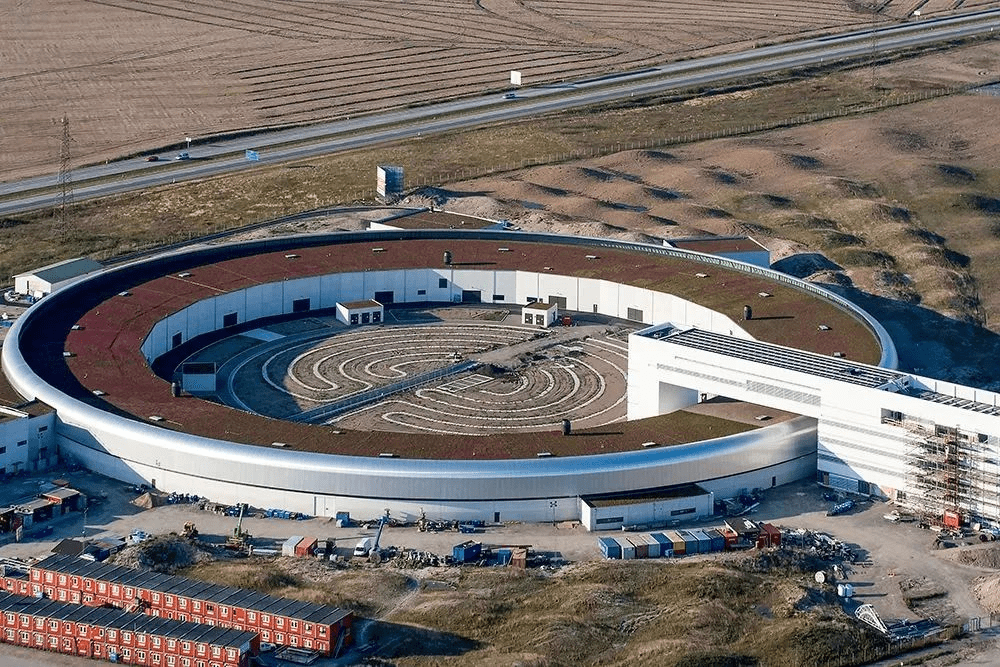
1. 打造研发平台
瑞典国家创新局成立于2001年,隶属于工业、能源与交通部,它的作用是通过资助创新,促进瑞典的可持续增长。创新局具体举措有以下3点:
科技转化的桥梁:将大学和科研机构的基础研究与商业化项目连接在一起,为研究成果的商业化提供资金支持。研究机构的调控人:研究机构由基础研发机构,转变为由政府少量持股、以需求为导向的研发机构。
以市场需求为驱动:从企业和公众需求入手,主动发起研究项目,研发跟着市场需求走。在促进创新与制造业结合上,瑞典创新局与工业和技术发展局共同实施「能力中心」项目——在企业、机构、政府间,建立一种新型的科技咨询与服务组织,促进技术创新。目前,瑞典有超过28个能力中心,这些能力中心的创新,每年为瑞典带来50-111亿克朗的经济收益。
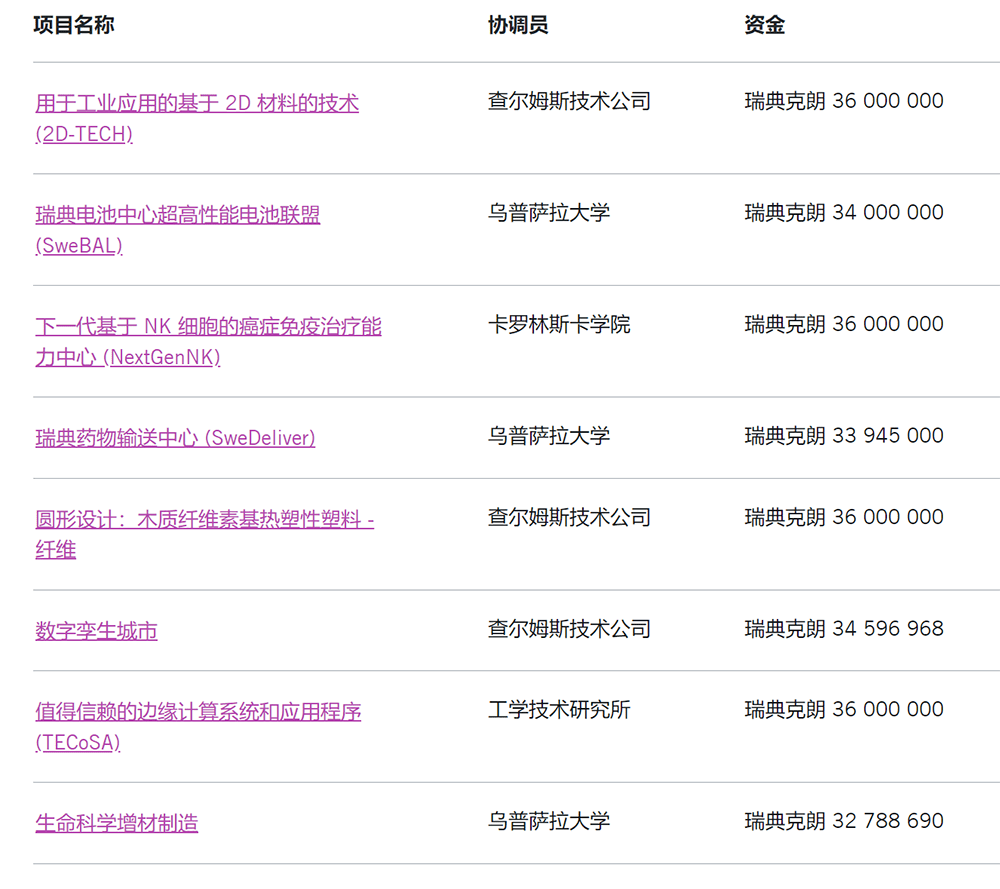
比如,山特维克公司参与布氏无机界面工程中心成立的能力中心,提升了企业研发新材料能力,并将产品研发效率提升了2倍。
还有爱立信与能力中心合作,解决了移动电话与基站之间连接负载的问题;阿斯利康制药与能力中心合作,解决了新型表面活性剂的研究数据不足问题。
2. 从产业园到产业集群
自80年开始,瑞典通过兴建科技园,来带动产业升级。作为配套政策,瑞典将公司所得税由40%降至28%,这让大量国际企业涌入,如今瑞典的科技产业园区已超过30个。
但只有空间的聚集,是无法推动创新的持续性的。因此,瑞典的科技园大多依托大学、研究机构建立,以保障创新的连续性。同时,瑞典采用「三螺旋模式」(政府、企业、学术界在资源、技术、成果等领域多重互助,推动创新经济),加速创新成果的商业化,这让很多园区走在了全球科技创新的前列。
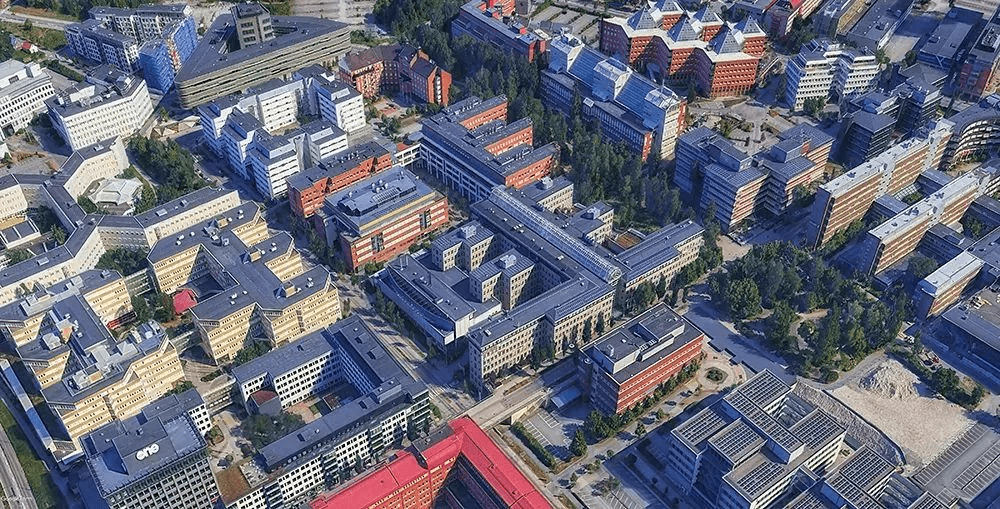
以希斯塔科学城为例,这里是瑞典ICT(信息及通信技术)产业的心脏(从业者3.3万、公司972家)。希斯塔前身只是斯德哥尔摩1970年代开始建设的新城,定位是功能混合的「工业城市」。
不过,当时城市对生态住宅区的需求旺盛,这让希斯塔很快发展为一个花园住宅区,但并没有企业到此。1980年代,在大力发展科技园区的背景下,爱立信、IBM、微软、甲骨文等科技公司入驻配套齐全的新城,希斯塔逐渐成为科技园区。
1990年代,在三螺旋模式的作用下,市政府与企业们成立Electrum基金会,用于在希斯塔建设电子实验室、材料实验室等各类共享实验室,促进科技创新的转化。
为了加强新城的科研实力,斯德哥尔摩大学、皇家工学院将与ICT相关专业的院系搬到这里,还有瑞典计算机科学研究所、瑞典国防研究局等相关国家级研究机构先后入驻,逐渐形成拥有技术研发、硬件生产、知识服务、营销贸易等完整创新产业链的园区。
希斯塔科学城的经验,被引用到近些年越来越火的生命科学领域。马尔默-隆德「药谷」(2007年,瑞典、丹麦联合建设),是瑞典生命科学产业三大产业集群之一,相关企业数量占瑞典全国生命科学企业总数的18%。
瑞典再次同样采用了三螺旋模式,吸引了大量创新服务机构,如投资机构、科研机构、大学、技术转让组织等等,他们共同作用造就了北欧最具创新能力的生命科学产业集群之一。
3. 提前布局制造业未来
在全球化、数字化背景下,以出口为导向的瑞典制造业面临新挑战。2019年,瑞典提出《瑞典制造2030》发展战略,提出「2030年,瑞典有望成为研发与制造高级产品与服务的少数国家之一」的目标;《新型工业化战略》则给出了更为具体的产业发展方向:
工业4.0:工业企业必须进行数字化转型,并充分挖掘数字化的潜力。
可持续生产:更高的资源利用率,以及更加可持续性的生产将为工业部门创造价值、就业,并提高国家综合竞争力。提高工业技能:在地方、地区和全国不同层面,创建技能保障体系,以满足工业领域的需求并推动长远发展。瑞典试验台:瑞典必须保持工业生产研究领域的前沿地位,加强科研机构与工业部门的合作,吸引国际科研人才,并促使高科技企业落户。凭借卓越的创新体系,在2017至2019年欧洲创新指数中,瑞典领先欧洲,位列第一;在2019年全球创新指数中,瑞典名列全球第二。
四、瑞典制造业发展路径的启示
作为小国大制造的瑞典产业发展,经历了从卖资源到买产品,从单一行业到整个制造业,再到创新引领的路程。
瑞典制造业的每一次跨越升级,都为下一个层级的发展奠定了坚实的原料基础、产品基础、技术基础,可以说制造业没有低端的产品,只有低端的技术。当然,作为小国,瑞典的资源投入必然有限,因此聚焦那些附加值更高的先进制造业环节是必然选择。
最后借助《制造繁荣:美国为什么需要制造业复兴》一书中,提出的「产业公地」概念,再次强调制造业对于一个国家重要性——制造业不仅仅表现为简单的产品生产、商品交换,对于经济深层的影响是可能导致创新断层。
*产业公地:指的是某种特定产业发展所需的共有基础,也就是任何工业行业都需要从共同的供应商和人力资源获取「能量」的土壤。
在制造业的很多领域,一些产品发明于美国,但美国企业却难以将其产业化,最终失去产业竞争力。这些产品通过外包至亚洲,掌握关键工艺技术的企业和关键零部件的配套企业也随之迁移。
产业公地衰落,即使有政府的大力扶持也无济于事。

英文翻译:
At no time can China be short of manufacturing. The importance of manufacturing industry to China is self-evident, from the perspective of manufacturing scale: in 2022, China’s manufacturing value added accounts for nearly 30% of the global proportion; China’s manufacturing value added accounted for 27.7% of GDP. From the perspective of manufacturing leadership, up to now, there are 132 lighthouse factories * in the world, of which 50 are in China, ranking first in the world.
On the other hand, the rise of manufacturing in Vietnam, India, Mexico and other countries, the return of manufacturing in Europe and the United States. And the partial decoupling of high-end manufacturing have brought far-reaching challenges to the development of China’s manufacturing industry. What to do?
Building a perfect industrial chain is on the one hand, promoting industrial upgrading is on the other hand, and strengthening the innovation ability of the manufacturing industry, occupying a high value chain region, and becoming a manufacturing “moat” that others cannot do without and cannot bypass is more important.
As a small country with strong manufacturing, Sweden has done very well in terms of industrial moats.
Sweden has a population of 10.55 million, the birth of many multinational enterprises, the world’s top 500 companies, such as ABB Electric, Skanska Engineering company. Electrolux Electric company, Ericsson Communications company, H&M, IKEA, SKF Group, Volvo cars…… It is no exaggeration to say that Sweden is the country with the most multinational companies per capita. Just over a century ago, Sweden was a poor agricultural country . So how did it quickly turn into a manufacturing powerhouse and join the ranks of the world’s developed countries?
First, Sweden, which relies on the “steel” industry
Sweden is located in Scandinavia, 64% of the country is covered by forests. And 84% of the population lives in cities, which occupy only 1.3% of the country’s land area.
Once an agrarian economy, Sweden began to develop manufacturing in the 1890s and became a high-welfare state by the mid-20th century. Between 1993 and 2007, Sweden’s manufacturing growth rate was 1.5 percentage points higher than that of the United States and 2.9 percentage points higher than the average of the 15 European countries.
Sweden’s “wealth” is inseparable from the development of the mining and steel industries.
Rely on natural resource advantage stage
Rich minerals, wide forests. And large water resources can be said to be the capital of the rise of Sweden’s manufacturing industry. Among them, Sweden’s iron ore reserves reach 4 billion tons, ore purity between 60% and 70%. These resource advantages have promoted the development of the iron smelting industry, the “grandfather” of Swedish industry.
In fact, as early as the 13th century, after the end of the Viking Age. Sweden began to develop trade through iron ore exports and became a member of the Hanseatic League *.
The Hanseatic League was a commercial alliance between the cities of northern Germany. And the countries of Northern Europe between the 14th and 17th centuries.
After that, the Netherlands, which is known as the “sea coachman”, took a look at Sweden’s advantages of ore, fuel and water resources, hoping to convert ore into more profitable cast iron.
As a result, the Netherlands not only brought investment to Sweden, but also brought the European “senior craftsmen” Walloons (a branch of the Germanic people, good at iron smelting, iron manufacturing), thus promoting the rapid growth of Sweden’s iron smelting industry, by 1740, Sweden’s iron smelting exports reached 40,000 tons.
Improve the quality, spell the basic research stage
It is undeniable that the advantage of natural resources is Sweden’s comparative advantage for a long time. But with the extensive application of steam engines and coal in the Industrial Revolution. Sweden’s iron smelting advantage is no longer.
An “unreconciled” Sweden is determined to regain its competitive edge by improving the quality of the metallurgical industry. The premise of improving the quality of metallurgy is to figure out the composition of the ore and accurately grasp the various elements inside, which has stimulated the development of its chemical industry. As a result, a number of top chemists such as Alfred Nobel, Carl Wilhelm Schelerding, Jones Jacobi Berzelius and so on emerged from Sweden, and Sweden became the country that discovered the second largest number of chemical elements (contributing 19 of the periodic table, after the United Kingdom’s 23).
In the 19th century, Sweden also improved steelmaking technology – oxygen top-blown converter steelmaking, which has become a widely used steel smelting method in contemporary times. And Sweden’s steel industry has returned to its peak.
Second, upgrade the industry: from selling raw materials to selling products
By the early 1970s, the Swedish metallurgical industry could be said to be developing smoothly, but from 1975 to 1981, the Swedish metallurgical industry once again experienced a cliff decline, overcapacity, and many enterprises went bankrupt. In addition to the background of energy transformation and low-carbon development in Europe brought about by the two oil crises, there are three main reasons:
First, the ore advantage disappeared. In the past steelmaking process, it is necessary to control the sulfur and phosphorus content of pig iron to improve the quality of steel, and high purity iron ore is very advantageous. However, with the emergence of new technologies, the purity requirements for ore have been reduced, and the advantage of Sweden’s raw materials has been reduced. Second, the international market demand is declining. Countries that previously imported a large number of Swedish steel, such as Japan and Germany, vigorously developed their own steel smelting industry, and the international steel market demand declined. Third, demand in the domestic market has fallen. Sweden’s domestic shipbuilding industry and construction recession, domestic steel demand plummeted.
The Swedish steel industry has once again come to a fork in the road of choice. To optimize the old road, or to explore a new road? Sweden has repositioned its industry to compete – not by selling raw materials, but by selling products.
Enter the global high-end manufacturing field with special steel as the incision
In 1976, the Swedish Commercial Steel Investigation Committee proposed to change the production of crude steel, improve the quality of steel. And seize the direction of industrial development of the global niche market. Sweden has established a strategy to enter the high-end manufacturing fields of the global military, electric power, nuclear power, environmental protection, automotive, aviation. And other industries through the development of special steel, and occupy the high-profit links in the manufacturing field.
From 1978 to 1984, Sweden promoted the merger of steel enterprises, and its steel mills were reduced from more than 600 in the 19th century to 13 in 2020, and steel was concentrated in a few large steel mills, forming a scale advantage. For example, three steel mills merged in 1978 to form the Swedish Steel group SSAB, the Swedish government invested $400 million in SSAB for transformation and upgrading, and today it is the largest steel manufacturer in Sweden, mainly focusing on high-strength steel production.
Sweden also through the strategy of “one enterprise attack one” to improve the differentiation of steel products, forming a development pattern of “there is no all-round special steel mill. But each enterprise has a fist product”. To put it bluntly, it is to specialize in the industry, concentrate similar products to the same enterprise, reduce the vicious competition between enterprises. And improve the comprehensive strength of the Swedish steel industry in the world.
The main promoter of the Swedish steel industry is the Steel Association (JK), which, in addition to industry regulation. Also develops industry development plans and research and development work. Today, Swedish steel accounts for 80% of European steel exports (about 5 million tons per year).
Industry technology innovation driver
The Iron and Steel Association has more than 600 research and development personnel. They will conduct joint research and development with various forces (institutes, universities, enterprises, users). And focus on research and development funds from the government and enterprises (the ratio is about 4:6).
The industry strategy developed by the Steel Association is closely integrated with the development direction of Sweden, for example. Sweden plans to achieve carbon neutrality by 2045. And the steel industry as a major carbon emitter, its carbon reduction effect determines the progress of the national goal. The association has joined forces with steel group SSAB, mining company LKAB and power company Vattenfall to decarbonise the Swedish steel industry. The breakthrough hydrogen ironmaking technology (HYBRIT) uses hydrogen to separate iron from oxygen. And ultimately to separate iron and water, achieving zero carbon emissions.
Today, Sweden’s steel mills, known as the “world’s cleanest steel mills”, consume about 15% of the country’s total energy consumption every year, exhaust gas dust content of 2㎎/m³, far lower than other developed countries (Japan 100㎎/m³, Germany 10㎎/m³) standards.
Enterprise segmentation, enhance product competitiveness
The innovation of enterprises located in the downstream of the steel industry mainly focuses on how to combine special steel with their own products to form advantages, giving birth to many hidden champions in vertical fields.
For example, Sandvik is a global mining machinery and alloy mold industry giant, more than half of the world’s tires, cans .And other products in the production process, need to use Sandvik alloy mold production; More than 85% of solar panels in China need to use Sandvik molds in the cutting process. To maintain technological leadership, Sandvik invests SEK 3.9 billion annually in research and development, employs around 2,600 researchers worldwide, builds 50 research and development centers, and holds 6,100 active patents.
As in the steel industry, manufacturing companies also strive to achieve differentiated competition and complement each other, thus allowing Swedish manufacturing to enter more areas. For example, the SKF Group in the field of bearing manufacturing can produce tens of thousands of bearings from 3 mm to 1.25 meters, from mechanical to electromagnetic and optical fiber bearings, which are widely used in automotive, aviation, railway, home appliances and other industries.
Another example is the metal powder manufacturing company Hegnus, which continuously improves the advantages of the original metal powder materials such as nickel, cobalt and iron. And expands to ceramic powder and soft magnetic composite materials, becoming an essential basic material for industrial 3D printing manufacturing.
Extend the industrial chain from one industry to the entire manufacturing industry
Sweden’s economy has an Economic Complexity Index (ECI) * of 1.81, making it the fifth most complex country in the world. This means that Swedish industries are highly interconnected, they support each other, can form a competitive advantage and resilience to risk; It also means that Sweden’s industrial advantages have extended from steel to a wider range of industrial fields.
Economic Complexity Index: A measure of a country’s productive capacity by looking at the kinds of products it produces. The more diversified the economic structure, the higher the interdependence between industries and the higher the economic complexity.
Of course, this development from one industry to the entire manufacturing industry is also driven by an objective factor – Sweden’s complex landscape and strict requirements for mechanical properties.
Here’s the thing — in addition to iron ore, Sweden has mineral resources of copper, aluminum, zinc, manganese, arsenic, titanium, barium, bismuth, quartz, coal, etc.. But these mineral resources are distributed in a variety of environments, from temperate seas to polar climates, from plains to mountains to ice sheets.
Therefore, the complex and changing needs of mining operations and processing have prompted the manufacturing industry to develop in the direction of high performance and high quality, thus creating the leadership of the 3 types of machinery manufacturing industry.
Systematic construction machinery
In order to cope with the complex mining environment, Sweden was born a number of systematic, whole-process construction machinery enterprises.
For example, Sandvik Group, as mentioned above, can provide a full process solution for mining and tunnel engineering, from individual special equipment to engineering fleet customization, to unmanned operations, its automation system covers all aspects of mine automation. In particular, unmanned systems developed for underground engineering have been operating safely for more than 2 million hours.
High-performance traffic equipment
In the face of harsh transportation conditions, high-performance transportation equipment is an indispensable hard indicator for the mining transportation industry.
For example, Scania, a heavy truck manufacturer, focuses on the research. And development and production of heavy trucks and buses in changeable environments. In 2011, Scania invested 400 million kronor to build the largest and most advanced wind tunnel and climate simulation facilities in Europe to carry out various extreme environment test modes for engineering vehicles and improve vehicle performance.
“Special and new” precision manufacturing
In the context of the rapid development of high-end manufacturing. Sweden’s precision processing industry has given birth to a number of “specialized and special new” enterprises. For example, Ursviken, a manufacturer of large plate rolling machines, has become an indispensable supplier of all kinds of large-scale engineering equipment, shipbuilding and submarine manufacturing with its manufacturing capacity of folding the entire steel plate into a “U” -shaped large coil.
Perfect equipment manufacturing capacity, so that Sweden has a strong military manufacturing strength (self-sufficiency rate as high as 85% to 90%), which makes Sweden’s arms exports reputation (in 2019, per capita arms exports ranked third in the world), so Sweden is also known as “Nordic small countries, arms powers.”
To summarize, Swedish industry is rising again, through the special steel as the core, shaping the economic complexity of upstream and downstream links.
Stimulate innovation: Build comparative advantages in new industries
It has become the consensus of all economies to activate economic momentum through innovation.
Sweden has promulgated the “Research Act”, “Innovative Sweden”, “Research and Innovation Budget Act”, “Service innovation Strategy”. And other policies and strategies to protect innovation. Among them, the cultivation of advantages in emerging fields such as biopharmaceutical, electronic equipment and communication is the top priority. In terms of R&D investment, Sweden spends about 3.5% of GDP on R&D, becoming the country with the largest proportion of R&D investment in the world. Of course, the interaction between companies, which still account for 70% of total R&D spending, and universities, which are the main implementer of R&D activities, is the key to innovation development.
Build research and development platform
The Swedish National Innovation Agency was established in 2001 as part of the Ministry of Industry. Energy and Transport and its role is to promote sustainable growth in Sweden by funding innovation. The specific measures of the Innovation Bureau are as follows:
The bridge of scientific and technological transformation: the basic research of universities and scientific research institutions is connected with commercial projects, and the financial support is provided for the commercialization of research results. Regulators of research institutions: Research institutions have changed from basic research and development institutions to demand-oriented research and development institutions with small government ownership.
Driven by market demand: Start with the needs of enterprises and the public. Take the initiative to initiate research projects, and research and development follow the market demand. In order to promote the integration of innovation and manufacturing, the Swedish Innovation Agency and the Industry and Technology Development Agency jointly implement the “Competence Center” project – the establishment of a new type of scientific and technological advisory and service organization among enterprises, institutions and governments to promote technological innovation. Currently, there are more than 28 competency centers in Sweden, and the innovation of these competency centers contributes between 5 and 11.1 billion kronor to the Swedish economy every year.
For example, Sandvik’s participation in the Brinell Inorganic Interface Engineering Center’s competence Center has increased the company’s ability to develop new materials and doubled the efficiency of product development.
Ericsson also worked with the capability Center to solve the problem of connection load between the mobile phone and the base station. Astrazeneca Pharmaceuticals worked with the Competence Center to address the lack of research data on new surfactants.
From industrial park to industrial cluster
Since 1980, Sweden has promoted industrial upgrading by building science and technology parks. As part of the policy, Sweden reduced the corporate tax rate from 40% to 28%, which led to an influx of international companies. And there are now more than 30 technology industrial parks in Sweden.
But only the aggregation of space can not promote the sustainability of innovation. Therefore, most of Sweden’s science parks are based on universities and research institutions to ensure the continuity of innovation. At the same time, Sweden adopts the “triple helix model” (the government, enterprises, academia in the fields of resources, technology, achievements and other multiple mutual assistance to promote the innovation economy), accelerating the commercialization of innovation results, which makes many parks in the forefront of global scientific and technological innovation.
Take Hista Science City, the heart of Sweden’s ICT(information and communication technology) industry (33,000 workers, 972 companies). Hista was originally a new town of Stockholm that began construction in the 1970s . And was positioned as an “industrial city” with mixed functions.
However, at that time, the city’s demand for ecological housing was strong, which led to Hista’s rapid development as a garden residential area.
But no businesses arrived. In the 1980s, under the background of vigorously developing the science. And technology park, Ericsson, IBM, Microsoft, Oracle and other technology companies settled in the fully equipped new city. And Hista gradually became a science and technology park.
In the 1990s, under the role of the triple helix model, the city government and enterprises established the Electrum Foundation for the construction of electronic laboratories, materials laboratories and other shared laboratories in Hista to promote the transformation of scientific and technological innovation.
In order to strengthen the scientific research strength of the new city, Stockholm University and the Royal Institute of Technology will move ICT-related departments here. As well as the Swedish Computer Science Institute, the Swedish Defense Research Agency and other relevant national research institutions have settled in, gradually forming a complete innovation industry chain with technology research and development, hardware production, knowledge services, marketing and trade.
The experience of Cista Science City has been referenced in the life sciences field, which has become increasingly popular in recent years. The Malmo-Lund “Medicine Valley” (jointly built by Sweden and Denmark in 2007) is one of the three major industrial clusters in the Swedish life science industry. And the number of related enterprises accounts for 18% of the total number of life science enterprises in Sweden.
Sweden has again adopted the same triple helix model, attracting a large number of innovative services such as investment agencies, research institutions, universities, technology transfer organizations, etc., which together create one of the most innovative life sciences clusters in the Nordic region.
Layout the future of manufacturing in advance
In the context of globalization and digitalization, the export-oriented Swedish manufacturing industry faces new challenges. In 2019, Sweden proposed the “Made in Sweden 2030” development strategy, proposing that “by 2030. Sweden is expected to become one of the few countries in the development and manufacture of advanced products and services”. The “New Industrialization Strategy” gives a more specific industrial development direction:
Industry 4.0: Industrial enterprises must undertake digital transformation and fully tap the potential of digitalization.
Sustainable production: Higher resource utilization and more sustainable production will create value for the industrial sector, employment and improve the overall competitiveness of the country. Upgrading industrial skills: Create skills support systems at local, regional and national levels to meet the needs of the industrial sector and drive long-term development. Sweden must maintain its position at the forefront of industrial production research, strengthen cooperation between scientific research institutions and the industrial sector, attract international scientific research talents, and promote high-tech enterprises. Thanks to its excellent innovation system, Sweden leads Europe and ranks first in the European Innovation Index 2017-2019. In the 2019 Global Innovation Index, Sweden is ranked second in the world.
Inspiration from the development path of Swedish manufacturing industry
As a small country with a large manufacturing industry, the development of Swedish industry has experienced a journey from selling resources to buying products, from a single industry to the entire manufacturing industry, and then to innovation.
Each leapfrog upgrade of the Swedish manufacturing industry has laid a solid raw material foundation. Product foundation and technology foundation for the development of the next level. It can be said that there are no low-end products in the manufacturing industry, only low-end technology. Of course, as a small country, Sweden’s resource investment is bound to be limited. So focusing on those advanced manufacturing links with higher added value is an inevitable choice.
Finally, with the concept of “industrial Commons” proposed in the book “Manufacturing Prosperity: Why the United States Needs a Manufacturing Renaissance”, the importance of manufacturing for a country is emphasized once again – manufacturing is not only a simple product production and Commodity Exchange, but also a deep impact on the economy that may lead to innovation fault.
Industrial Commons: refers to the common foundation required for the development of a particular industry, that is, any industrial industry needs to obtain “energy” from common suppliers. And human resources.
In many areas of manufacturing, some products were invented in the United States. But American companies are difficult to industrialize them, and eventually lose industrial competitiveness. By outsourcing these products to Asia, companies that master key process technologies and supporting companies with key components are also moving.
Industrial Commons declined, even with strong government support.
本文由数字化转型网(www.szhzxw.cn)转载而成,来源于 数字化老兵;编辑/翻译:数字化转型网小汤圆。

免责声明: 本网站(http://www.szhzxw.cn/)内容主要来自原创、合作媒体供稿和第三方投稿,凡在本网站出现的信息,均仅供参考。本网站将尽力确保所提供信息的准确性及可靠性,但不保证有关资料的准确性及可靠性,读者在使用前请进一步核实,并对任何自主决定的行为负责。本网站对有关资料所引致的错误、不确或遗漏,概不负任何法律责任。
本网站刊载的所有内容(包括但不仅限文字、图片、LOGO、音频、视频、软件、程序等) 版权归原作者所有。任何单位或个人认为本网站中的内容可能涉嫌侵犯其知识产权或存在不实内容时,请及时通知本站,予以删除。