关于人工智能使用受版权保护的材料的方式的最新斗争可能会塑造该行业的未来。
一目了然
- ChatGPT 和 OpenAI 几乎一直处于人工智能关于该技术的承诺及其争议的辩论的核心。
- 2023 年 4 月,《纽约时报》联系了 Microsoft 和 OpenAI,讨论知识产权问题。
- 在《纽约时报》加入竞争之前,许多其他版权所有者对 OpenAI 使用他们的材料来训练其聊天机器人提出了质疑。
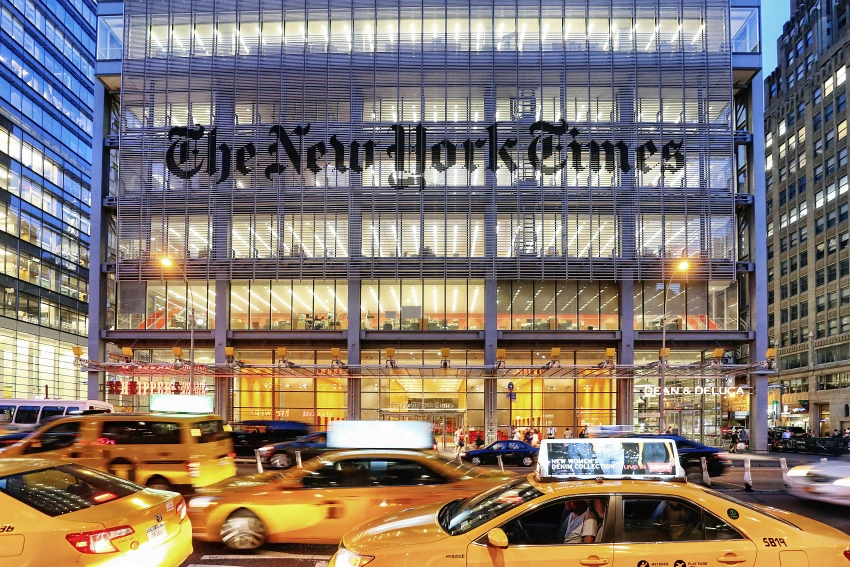
OpenAI 处于几场法律斗争的中心,这些法律斗争的重点是使用受版权保护的材料。2023 年 12 月,《纽约时报》起诉 OpenAI 和 Microsoft;Microsoft在OpenAI上投资了数十亿美元。该诉讼认为,这些公司使用其数百万篇文章来训练与该出版物竞争的聊天机器人(OpenAI的ChatGPT和Microsoft的Copilot)。
“既定的版权法保护我们的新闻和内容。如果Microsoft和OpenAI希望将我们的作品用于商业目的,法律要求他们首先获得我们的许可。他们没有这样做,“根据《纽约时报》的一份电子邮件声明。
虽然这不是第一个挑战人工智能公司训练其大型语言模型(LLM)方式的案例,但它有可能为版权所有者和人工智能公司之间的关系开创先例。 数字化转型网(www.szhzxw.cn)
“《纽约时报》过去一直是重要的言论自由和版权案件的一部分,”华盛顿特区国际隐私专业人员协会(IAPP)董事总经理Cobun Zweifel-Keegan 告诉《信息周刊》。“所以,我认为只是他们参与此案……提高了 OpenAI 在将材料用于生成式 AI 目的时面临的审查类型的赌注。
通过和解或法院裁决,此案需要时间才能得出结论,但它给人工智能系统开发人员及其用户提出了重要问题。首席信息官和其他企业领导者应该考虑什么,因为这个案例和其他案例塑造了人工智能的法律前景?
一、OpenAI 的法律前景
OpenAI 并不是唯一一家面临此类法律挑战的人工智能公司,但在许多方面,其市场领先地位使其成为其新兴行业的代言人。ChatGPT 和 OpenAI 几乎总是关于该技术的承诺及其争议的人工智能辩论的核心。OpenAI面临的诉讼可能预示着整个人工智能行业将发生广泛变化。
2023 年 4 月,《纽约时报》联系了 Microsoft 和 OpenAI,讨论知识产权问题。在提起诉讼之前,该出版物探讨了“……友好解决的可能性,包括商业条款和技术护栏,允许被告和《纽约时报》之间进行互惠互利的价值交换,“根据提交的起诉书。
“很明显,他们只是无法就这个数字达成协议,”Zweifel-Keegan说。
在《纽约时报》加入竞争之前,许多其他版权所有者对 OpenAI 使用他们的材料来训练其聊天机器人提出了质疑。 据《纽约时报》2023 年 9 月报道,十几位主要作者联合起来对 OpenAI 使用他们的书籍训练 ChatGPT 提起诉讼。一个月后,几位非虚构作家对OpenAI和Microsoft提起了集体诉讼,概述了类似的投诉。 数字化转型网(www.szhzxw.cn)
随着人工智能投资和开发继续向前推进,这些诉讼可能会被其他诉讼跟进。“我确实认为,由于OpenAI的估值非常高,利润率非常高,人们有动机对OpenAI提起诉讼,”SaaS安全公司AppOmni的首席AI工程师兼安全研究员Joseph Thacker说。
但解决方案可能会在法庭之外出现。根据《纽约时报》关于其诉讼的文章,OpenAI发言人的一份声明表明,该公司正在与其他出版商合作。2023 年 7 月,美联社报道称,它已达成协议,将其新闻报道档案授权给 OpenAI。
随着知识产权纠纷的增加,人工智能公司可能会选择在将数据投入使用之前购买数据,以避免诉讼。“无论法律是否赶上,这都可能开始成为最佳实践,”Zweifel-Keegan说。
二、诉讼的潜在影响
许多人工智能的支持者认为,挑战和潜在的监管将阻碍创新,但诉讼和新法律可能会出现。《纽约时报》的案件和类似的诉讼表明,版权法可能需要更新,以反映一项新技术的现实,这项新技术将像人工智能一样无处不在。 数字化转型网(www.szhzxw.cn)
“我们只是没有关于如何根据版权法对待训练人工智能系统的法律,”媒体和技术律师兼全方位服务律师事务所Culhane Meadows的合伙人Sekou Campbell说。
过去,新技术推动了版权法的重大修订。“1909年,是收音机。1976年,它是广播电视,“坎贝尔说。
目前,人工智能公司和版权所有者必须利用现有的法规和法院判决来提出自己的论点。
例如,合理使用和变革性使用法律原则可能是人工智能公司对版权诉讼进行辩护的关键。合理使用允许在某些情况下使用受版权保护的作品。美国版权局表示:“变革性使用是指那些增加新内容、具有进一步目的或不同特征的用途,并且不能替代作品的原始用途。
《纽约时报》认为,合理使用和变革性使用不适用。“由于被告的GenAI模型的输出与用于训练它们的输入竞争并密切模仿,因此为此目的复制《纽约时报》的作品是不合理的使用,”该出版物的投诉称。
《纽约时报》的案件或类似的案件可能会进入最高法院。法院的一项重大裁决可能有助于立法者推进版权法的修订。“我认为这个特殊案例可能会给国会提供一些信息,”坎贝尔说。“对于立法者来说,有一个法庭意见是有用的,可以说,’好吧,这是被起诉的问题,对双方都很重要。我们如何在法规中调和它们?
法院对《纽约时报》有利的裁决可能表明,对于想要使用出版商新闻文章的人工智能公司来说,许可是前进的道路。 数字化转型网(www.szhzxw.cn)
“即使法院确实裁定 OpenAI 的某些用途是合理使用,它也可能不适用于每一种用途,”知识产权律师事务所 Grant Attorneys at Law 的管理律师 Kristin Grant 说。“因此,根据这些公司的使用类型,未来可能仍然需要获得许可证。
许可协议已经达成,比如美联社和OpenAI之间的协议。 据《纽约时报》报道,苹果还在积极寻求与新闻出版商达成协议,将他们的材料用于训练生成式人工智能系统。
但是,这些许可协议的成本是多少?《纽约时报》在针对OpenAI和Microsoft的诉讼中寻求“数十亿美元的法定和实际损害赔偿”。据The Information报道,OpenAI已向媒体公司提供每年100万至500万美元的新闻文章许可。 数字化转型网(www.szhzxw.cn)
Zweifel-Keegan说:“我认为我们将开始看到,在制定一个剧本来获得使用受版权保护或其他类型的受保护作品来训练生成式人工智能系统的合法权利方面,这看起来是多么昂贵。
许可可以解决许多版权问题。拥有较小模型的人工智能公司可以很容易地联系版权所有者,以许可训练所需的特定数据,但对于较大的基础LLM来说,该颁发者变得更具粘性。 “你不能许可整个互联网,”坎贝尔指出。
虽然许可可能成为人工智能公司在训练模型时需要考虑的法律现实,但在此期间仍然存在问题。被视为违反版权法的模型会变成什么样子?《纽约时报》的诉讼呼吁销毁“……所有 GPT 或其他包含 Times Works 的 LLM 模型和训练集,“根据投诉。
如果数据被认为使用不当,法院可以要求公司删除或重新训练模型。据 CyberScoop 报道,这种执法工具被称为算法删除或模型删除,自 2019 年以来,联邦贸易委员会 (FTC) 已在五起针对科技公司的案件中使用了该工具。虽然隐私和消费者保护是这些案件的主要焦点,但该工具的使用可能会扩大。
Zweifel-Keegan说:“你可以看到与知识产权诉讼或监管行动中的和解结果相同,这些行动的重点是材料的滥用。 数字化转型网(www.szhzxw.cn)
三、用户注意事项
OpenAI和Microsoft是《纽约时报》诉讼的被告,但此案不仅引发了对人工智能系统输入的质疑,还引发了对其输出的质疑。人工智能系统用户可能面临什么样的法律风险?
“《纽约时报》能够通过非常仔细的提示工程,让系统生成整篇《纽约时报》文章。这表明,当部署时,该系统能够潜在地违反版权规则。这意味着部署者也可能承担责任,“Zweifel-Keegan说。
2023 年 9 月,Microsoft 宣布了其版权承诺。它将为其商业Copilot客户提供知识产权赔偿。OpenAI 还提供 Copyright Shield,这是对 ChatGPT Enterprise 及其开发者平台的版权侵权赔偿。
随着关于人工智能的伦理和使用的争论仍在继续,许多人都认为,开发人员和部署者应对不良结果负责。这种分担责任的承担能否蔓延到知识产权领域?
Zweifel-Keegan说:“如果未来的诉讼也试图触及使用过其他人系统的部署者,这并不奇怪,特别是如果他们没有进行自己的尽职调查,以确保有这些制衡措施。
也许赔偿条款意味着人工智能系统开发人员将承担版权侵权案件产生的法律费用,但用户需要满足这些条款的条款和条件。
赔偿为人工智能系统用户提供了一层保护,使其免受法律风险,但这并不意味着知识产权问题可以安全忽视。 数字化转型网(www.szhzxw.cn)
首席信息官和其他领导者必须考虑其企业对人工智能的用例和潜在风险。是否有适当的流程,或者员工是否主动使用 AI 工具?人工智能模型是否吐出违反版权法的内容?“如果将人工智能生成的内容放入其他受保护的内容中,例如博客文章……它可能会威胁到整个博客文章,“坎贝尔解释道。“从某种意义上说,这是高风险的,因为无论输出是什么,您都可能无法获得保护。
使用剽窃检测器等工具验证内容是否是原创的,可以帮助降低这种风险。“第一件事是确保他们(企业)的内容是原创的,并且在发布内容之前对其进行验证,”AppOmni 的 Thacker 说。

英文原文:
What the NYT Case Against OpenAI, Microsoft Could Mean for AI and Its Users
The latest battle over the way artificial intelligence uses copyrighted material could shape the future of the industry. 数字化转型网(www.szhzxw.cn)
At a Glance
- ChatGPT and OpenAI appear near-constantly at the heart of AI debates over the technology’s promises and its controversies.
- In April 2023, the New York Times reached out to Microsoft and OpenAI to discuss intellectual property issues.
- Many other copyright holders challenged OpenAI’s use of their material to train its chatbot before NYT joined the fray.
OpenAI is at the center of several legal battles focused on the use of copyrighted materials. In December 2023, the New York Times sued OpenAI and Microsoft; Microsoft has billions invested in OpenAI. The lawsuit argues that the companies used millions of its articles to train chatbots (OpenAI’s ChatGPT and Microsoft’s Copilot) that compete with the publication.
“Settled copyright law protects our journalism and content. If Microsoft and OpenAI want to use our work for commercial purposes, the law requires that they first obtain our permission. They have not done so,” according to an emailed statement from The New York Times.
While this is not the first case of this nature to challenge the way AI companies train their large language models (LLMs), it has the potential to set a precedent for the relationship between copyright holders and AI companies. 数字化转型网(www.szhzxw.cn)
“The New York Times has been part of important free speech and copyright cases in the past,” Cobun Zweifel-Keegan, managing director of the International Association of Privacy Professionals (IAPP), Washington, D.C., tells InformationWeek. “And so, I think just their involvement in the case … ups the ante of the types of scrutiny that OpenAI has faced for the use of materials for generative AI purposes.”
It will take time for this case to come to its conclusion either through settlement or a court ruling, but it raises important questions for AI system developers and their users. What should CIOs and other enterprise leaders be thinking about as this case, and others, shape the legal outlook for AI?
1. The Legal Outlook for OpenAI
OpenAI is not the only AI company to face these kinds of legal challenges, but in many ways, its market-leading position has made it the face of its burgeoning industry. ChatGPT and OpenAI are almost always at the heart of AI debates over the technology’s promises and its controversies. The lawsuits OpenAI faces could signal widespread changes for the AI industry as a whole.
In April 2023, the New York Times reached out to Microsoft and OpenAI to discuss intellectual property issues. Before the lawsuit was filed, the publication explored “…the possibility of an amicable resolution, with commercial terms and technological guardrails that would allow a mutually beneficial value exchange between Defendants and The Times,” according to the filed complaint.
“It’s clear that they just couldn’t come to an agreement on the number,” says Zweifel-Keegan.
Many other copyright holders challenged OpenAI’s use of their material to train its chatbot before the New York Times joined the fray. More than a dozen major authors banded together to file a lawsuit against OpenAI over its use of their books to train ChatGPT, the New York Times reported in September 2023. A month later, several nonfiction authors filed a proposed class action lawsuit against OpenAI and Microsoft, outlining similar complaints.
These lawsuits are likely to be followed by others as AI investment and development continues to steam ahead. “I do think that the incentives are there for people to bring lawsuits against OpenAI due to their very high valuation and their very high profit margins,” says Joseph Thacker, principal AI engineer and security researcher at SaaS security company AppOmni.
But solutions may emerge outside of the courtroom. A statement from an OpenAI spokeswoman indicated that the company is working with other publishers, according to the New York Times article on its lawsuit. In July 2023, the Associated Press reported it had made a deal to license its archive of news stories to OpenAI. 数字化转型网(www.szhzxw.cn)
As intellectual property disputes mount, AI companies may opt to purchase data before putting it to work to avoid lawsuits. “That might start to emerge as the best practice, whether or not the law catches up,” says Zweifel-Keegan.
2. The Potential Impact of the Lawsuit
Many proponents of AI argue that challenges and potential regulation will hamper innovation, but lawsuits and new laws are likely to emerge. The New York Times case and similar lawsuits signal that copyright law may need to be updated to reflect the reality of a new technology poised to become as ubiquitous as AI.
“We just don’t have law on how training AI systems should be treated vis-à-vis copyright law,” says Sekou Campbell, a media and technology attorney and partner at full-service law firm Culhane Meadows.
New technology has driven major revisions to copyright law in the past. “In 1909, it was the radio. In 1976, it was broadcast television,” says Campbell.
For now, AI companies and copyright holders have to make their arguments using existing statutes and court decisions. 数字化转型网(www.szhzxw.cn)
For example, the fair use and transformative use legal doctrines could be key to AI companies’ defense against copyright lawsuits. Fair use allows the use of copyrighted work in certain circumstances. “Transformative uses are those that add something new, with a further purpose or different character, and do not substitute for the original use of the work,” according to the US Copyright Office.
The New York Times argues that fair use and transformative use do not apply. “Because the outputs of Defendants’ GenAI models compete with and closely mimic the inputs used to train them, copying Times works for that purpose is not fair use,” according to the publication’s complaint.
It is possible that the New York Times case, or another like it, will make its way to the Supreme Court. And a major court decision could help lawmakers move forward with a revision to copyright law. “I think this particular case may give Congress some information,” says Campbell. “It’s useful for lawmakers to have a court opinion to look at to say, ‘Okay, here are the issues that were litigated and are important to both sides. How do we reconcile them in a statute?’”
A court ruling in favor of The New York Times could indicate that licensing is the path forward for AI companies that want to use publishers’ news articles.
“Even if a court does rule in favor of OpenAI that certain uses are fair use, it might not apply to every single use,” says Kristin Grant, managing attorney of intellectual property law firm Grant Attorneys at Law. “So, there might still be a need at a future date to obtain licenses depending on the type of uses being made by these companies.” 数字化转型网(www.szhzxw.cn)
Licensing deals are already being struck, like the one between AP and OpenAI. Apple is also actively pursuing deals with news publishers to use their material in the training of generative AI systems, according to The New York Times.
But how much will these licensing agreements cost? The New York Times is seeking “billions of dollars in statutory and actual damage” in its lawsuit against OpenAI and Microsoft. The Information reported that OpenAI has made offers to license news articles from media companies ranging from $1 million to $5 million per year. 数字化转型网(www.szhzxw.cn)
“I think we will start to see how expensive that is and what that looks like in terms of building out a playbook for acquiring legal rights to the use of copyrighted or other types of protected works for training generative AI systems,” says Zweifel-Keegan.
Licensing can solve many copyright issues. AI companies with smaller models can easily reach out to copyright holders to license the specific data needed for training, but that issuer becomes stickier for the larger, foundational LLMs. “You can’t license the entire internet,” Campbell points out.
While licensing could become a legal reality for AI companies to consider when training their models, questions remain in the interim. What could become of models deemed to be in violation of copyright laws? The New York Times lawsuit calls for the destruction “…of all GPT or other LLM models and training sets that incorporate Times Works,” according to the complaint.
Courts could require companies to delete or retrain models if the data is deemed to be used inappropriately. This enforcement tool is known as algorithm disgorgement or model deletion, and the Federal Trade Commission (FTC) has used it in five cases against tech companies since 2019, CyberScoop reports. While privacy and consumer protection were largely the focus of these cases, it is possible that the use of this tool could expand. 数字化转型网(www.szhzxw.cn)
“You could see the same sort of outcome happening as a settlement in an IP action or in a regulatory action that’s focused on the misuse of materials,” says Zweifel-Keegan.
3. Considerations for Users
OpenAI and Microsoft are the defendants in the New York Times lawsuit, but the case raises questions about not only AI systems’ input but also their outputs. What kind of legal risk could AI system users face?
“The New York Times was able to get the system, through very careful prompt engineering, to generate entire New York Times articles. That is showing that when deployed, the system is capable of potentially violating copyright rule. That means the deployer could potentially be liable as well,” says Zweifel-Keegan.
In September 2023, Microsoft announced its Copyright Commitment. It will provide intellectual property indemnity to its commercial Copilot customers. OpenAI also offers Copyright Shield, indemnification for copyright infringement that applies to ChatGPT Enterprise and its developer platform.
As debates about the ethics and use of AI continue, many agree that there is responsibility for bad outcomes on the side of the developer and deployer. Could that assumption of shared responsibility spill out into the intellectual property arena? 数字化转型网(www.szhzxw.cn)
“[It] would not be surprising to see future litigation that also tries to reach deployers who have used other people’s systems, especially if they haven’t done their own due diligence to make sure that there are those checks and balances in place,” says Zweifel-Keegan.
Perhaps indemnification clauses will mean that an AI system developer will take on the legal costs resulting from a copyright infringement case, but the user will need to meet the terms and conditions of those clauses. 数字化转型网(www.szhzxw.cn)
Indemnification offers AI system users a layer of protection from legal exposure, but that doesn’t mean intellectual property issues are safe to ignore.
CIOs and other leaders have to consider their enterprises’ use cases for AI and the potential risks. Is there a process in place, or are employees using AI tools on their own initiative? Is an AI model spitting out content that violates copyright law? “If AI-generated content is put into otherwise protected content like a blog post … it threatens potentially the entire blog post,” Campbell explains. “It’s high-risk in the sense that you may not be able to gain protection for whatever the output is.”
本文由数字化转型网(www.szhzxw.cn)转载而成,来源于INFORMATIONWEEK.COM;编辑/翻译:数字化转型网宁檬树。
免责声明: 本网站(http://www.szhzxw.cn/)内容主要来自原创、合作媒体供稿和第三方投稿,凡在本网站出现的信息,均仅供参考。本网站将尽力确保所提供信息的准确性及可靠性,但不保证有关资料的准确性及可靠性,读者在使用前请进一步核实,并对任何自主决定的行为负责。本网站对有关资料所引致的错误、不确或遗漏,概不负任何法律责任。
本网站刊载的所有内容(包括但不仅限文字、图片、LOGO、音频、视频、软件、程序等) 版权归原作者所有。任何单位或个人认为本网站中的内容可能涉嫌侵犯其知识产权或存在不实内容时,请及时通知本站,予以删除。