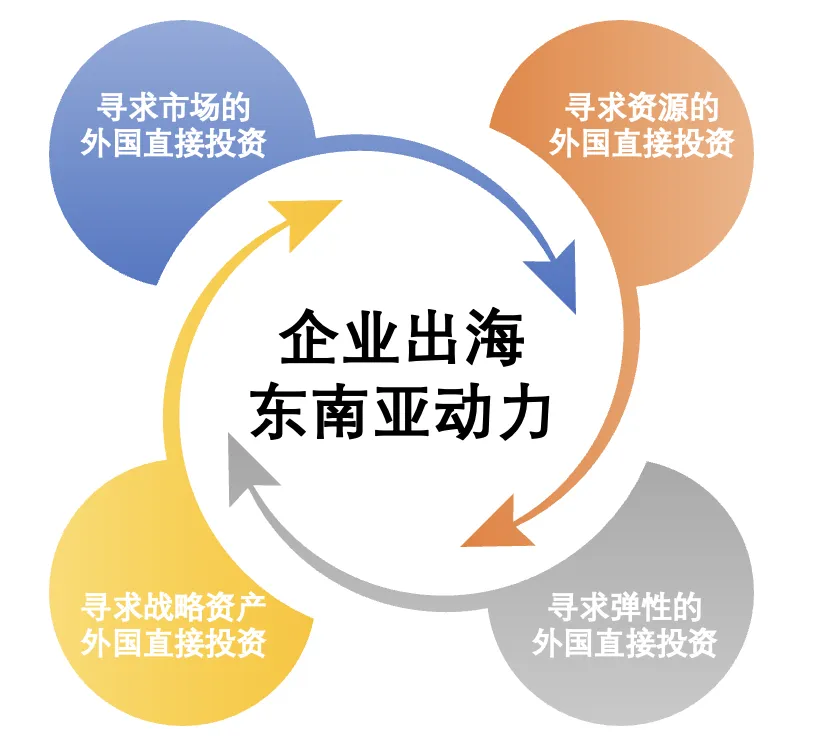
在当前的全球经济环境下,中国企业在“走出去”战略中面临着前所未有的挑战和机遇。通过对2024年一季度的出访和调研,总结了以下几点关键性的挑战、机遇和策略:
挑战一:平衡全球资产配置与海外业务增长
在资金和业务安全日益受到重视的背景下,企业需要在保持海外业务稳定增长的同时,关注资产的全球化配置。这意味着企业需要在维持现有业务的同时,探索新的增长点,确保业务、资产负债、结算和账户的全方位安全。
挑战二:融资渠道的选择
随着美国债券市场的加息周期持续,美元融资成本上升,而人民币融资成本相对稳定。企业应考虑利用国内银行信贷等融资渠道,以降低整体融资成本。同时,对于海外业务,企业应有效管理汇率风险,确保美元贷款的保值和增值。 数字化转型网(www.szhzxw.cn)
挑战三:合规的重要性
无论企业选择全球化的资产配置还是业务拓展,都必须密切关注所在国家的合规性要求。合规不仅是企业国际化的基石,也是避免潜在法律风险的关键。
机遇:东南亚市场的吸引力
目前,东南亚国家,尤其是新加坡、马来西亚、泰国、印尼和越南,对生物医药产业具有强大的产业吸引力:
新加坡政府积极发展生物医药和医学科学产业,为中国制药公司提供相互合作及研发的交流平台;
马来西亚政府鼓励临床试验和新药研发。中国企业可以从众多优惠的投资政策中获益,并有机会参与开发“清真”药品; 数字化转型网(www.szhzxw.cn)
泰国是东盟第二大制药市场,依托活性成分的进口用于药品生产,中国制药公司可以提供活性生物制品出口;
印尼有庞大的华人人口基数,对传统中药产品和保健产品市场需求巨大;
中国作为越南最大的医药原料进口国,原料进口后运送到各个相关工厂进行成品药物的制作和生产。
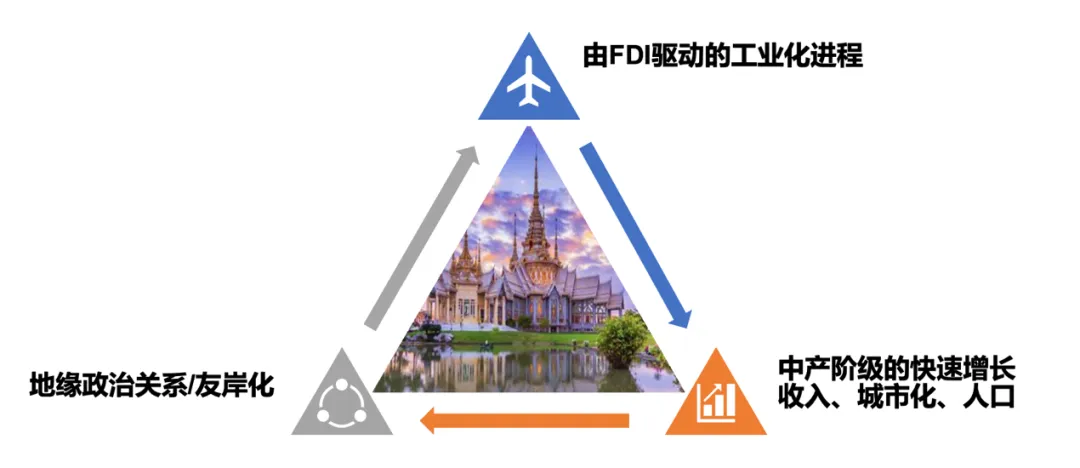
以越南为例,其人口年轻化和快速增长的中产阶级,以及作为供应链中转地的战略位置,都预示着其未来5-10年内将成为全球竞争力强的新兴市场。 数字化转型网(www.szhzxw.cn)
建议:提升产品质量和ESG表现
中国企业在获取海外订单时,应采用发达国家的生产质量标准,如新加坡等,以提升出口竞争力。同时,借助前沿的人工智能完成ESG(环境、社会和治理)的相关标准,将进一步提升企业产品的市场竞争力:
E:最优化减少材料损耗和污染排放,并提高能源利用率
S:减少人力重复劳动和危险工作
G:智能化运营管理系统以提升企业协同能力
2024年一季度总结:
01 中国的供应链整合能力依然领先全球,但需要更灵活的策略来应对地缘政治的影响。
02 企业在海外扩张时,应对目标国家的政商体系保持敬畏,并从中吸取教训。
03 企业应建立长期扎根海外的领导团队,避免短期行为,以实现海外市场的长期稳定发展。华为公司的成功案例表明,通过建设海外客户培训中心等方式,可以有效提升企业在国际市场的形象和竞争力。
综上,尽管挑战重重,但只要中国企业能够灵活应对,把握机遇,就能够在全球化的道路上稳步前行。

翻译:
2024Q1 Summary – Multi-dimensional investigation of enterprises going to sea
In the current global economic environment, Chinese enterprises are facing unprecedented challenges and opportunities in their “going global” strategy. Based on visits and research in the first quarter of 2024, the following key challenges, opportunities and strategies were summarized:
Challenge 1: Balancing global asset allocation with overseas growth
In the context of increasing attention to capital and business security, enterprises need to pay attention to the global allocation of assets while maintaining the steady growth of overseas business. This means that enterprises need to explore new growth points while maintaining existing businesses, and ensure the all-round security of business, assets and liabilities, settlements and accounts.
Challenge two: the choice of financing channels
As the rate hike cycle in the US bond market continues, US dollar funding costs have risen, while RMB funding costs have remained relatively stable. Enterprises should consider using financing channels such as domestic bank credit to reduce overall financing costs. At the same time, for overseas business, enterprises should effectively manage exchange rate risks to ensure the preservation and appreciation of dollar loans. 数字化转型网(www.szhzxw.cn)
Challenge three: The importance of compliance
Whether companies choose global asset allocation or business expansion, they must pay close attention to the compliance requirements of the countries in which they are located. Compliance is not only the cornerstone of an enterprise’s internationalization, but also the key to avoiding potential legal risks.
Opportunity: The attractiveness of the Southeast Asian market
At present, Southeast Asian countries, especially Singapore, Malaysia, Thailand, Indonesia and Vietnam, have a strong industrial attraction for the biomedical industry:
The Singapore government actively develops the biomedical and medical science industries, and provides a platform for mutual cooperation and research and development for Chinese pharmaceutical companies.
The Malaysian government encourages clinical trials and the development of new drugs. Chinese companies can benefit from numerous preferential investment policies and have the opportunity to participate in the development of “halal” drugs; 数字化转型网(www.szhzxw.cn)
Thailand is the second largest pharmaceutical market in ASEAN. Relying on the import of active ingredients for drug production, Chinese pharmaceutical companies can provide active biological products for export.
Indonesia has a large Chinese population base, and the market demand for traditional Chinese medicine products and health products is huge.
As the largest importer of pharmaceutical raw materials from Vietnam, China delivers the raw materials to various related factories for the production and production of finished drugs.
Vietnam, for example, has a young population and a rapidly growing middle class, as well as a strategic location as a transit point for supply chains, which bodes well for its emergence as a globally competitive emerging market in the next 5-10 years. 数字化转型网(www.szhzxw.cn)
Figure: Vietnam’s three core growth factors
Suggestion: Improve product quality and ESG performance
When acquiring overseas orders, Chinese enterprises should adopt the production quality standards of developed countries, such as Singapore, to enhance export competitiveness. At the same time, the use of cutting-edge artificial intelligence to complete ESG (environmental, social and governance) related standards will further enhance the market competitiveness of enterprise products:
E: Optimally reduce material loss and pollution emissions, and improve energy efficiency
S: Reduce repetitive labor and dangerous work
G: Intelligent operation management system to enhance enterprise collaboration
Q1 2024 Summary:
China’s supply chain integration capabilities still lead the world, but more flexible strategies are needed to cope with geopolitical impacts.
When expanding overseas, companies should be in awe of and learn from the political and business systems of target countries. 数字化转型网(www.szhzxw.cn)
03 Enterprises should establish a long-term overseas leadership team, avoid short-term behavior, in order to achieve long-term stable development of overseas markets. The successful case of Huawei shows that the establishment of overseas customer training centers can effectively improve the image and competitiveness of an enterprise in the international market.
To sum up, despite the challenges, as long as Chinese enterprises can respond flexibly and seize opportunities, they will be able to move forward steadily on the road of globalization.
本文由数字化转型网(www.szhzxw.cn)转载而成,来源于VALOR Strategy ,作者VALOR;编辑/翻译:数字化转型网宁檬树。
免责声明: 本网站(http://www.szhzxw.cn/)内容主要来自原创、合作媒体供稿和第三方投稿,凡在本网站出现的信息,均仅供参考。本网站将尽力确保所提供信息的准确性及可靠性,但不保证有关资料的准确性及可靠性,读者在使用前请进一步核实,并对任何自主决定的行为负责。本网站对有关资料所引致的错误、不确或遗漏,概不负任何法律责任。
本网站刊载的所有内容(包括但不仅限文字、图片、LOGO、音频、视频、软件、程序等) 版权归原作者所有。任何单位或个人认为本网站中的内容可能涉嫌侵犯其知识产权或存在不实内容时,请及时通知本站,予以删除。