
腾讯科技向善创新周2023第四日(1月12日),中国社科院新闻与传播研究所助理研究员孙萍发表了演讲,题为《当“所有人”都在“送外卖”:从过渡劳动到永久零工》。
以下为孙萍的演讲全文:
大家好,我是孙萍,一位长期从事数字劳动者研究的学者。在过去的五年间,我一直都在跟踪一群人——这群人就是外卖骑手。数字化转型网www.szhzxw.cn
一、零工劳动正在成为一种常态
我觉得这是一群非常有趣的人,他们穿梭在我们祖国的大街小巷。如果我们去想象一下,你就会觉得他们像夏季傍晚一群一群的候鸟,很快地集合在一起,又可以很快地消失。
但其实,他们中的大部分的人,对我们来讲是不可见的。
在疫情之后,我们发现,他们的人群构成其实也是五花八门的,当然大部分其实是农民工人群 。
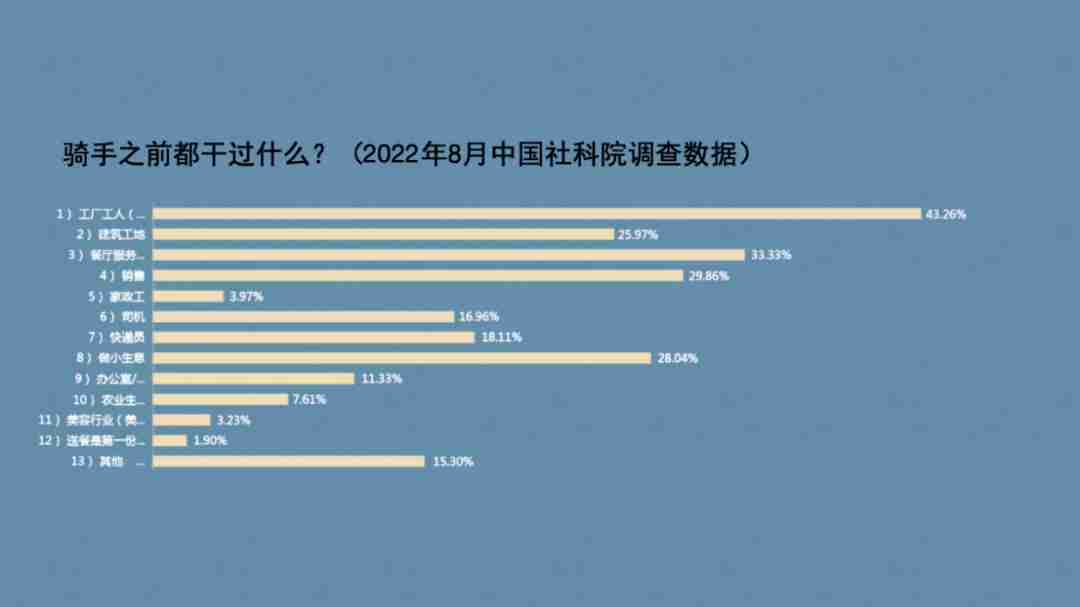
在过去3年里,随着疫情的发展,有很多人加入到外卖骑手当中,比如说小企业主、学生、建筑工人、餐厅服务员,还有装修工人等等。数字化转型网www.szhzxw.cn
我们会发现在全世界,包括中国在内,零工劳动其实正在成为一种常态。截止到目前,中国已经有2亿人口是灵活用工人员。在我们这么大的一个国家,一共只有9亿的劳动人口。所以,这批人已经是非常庞大的一个群体。我们当中每4-5个人之中,就有一个人是靠打零工活着。
这么说的话,这就是一个非常重要而且非常紧迫的问题了。不知道屏幕前的你是否想过,如果有一天找不到工作或者失业了,是否愿意靠打零工活着?或者说,你愿不愿意当一个外卖员呢?
二、我为什么要研究“打零工”的人?
现在大家会发现,越来越多的人加入到打零工的行列。数字化转型网www.szhzxw.cn
这其中有一个非常重要的问题需要我们去思考:打零工,为什么成为了一种常态?以及在零工劳动的过程当中,零工劳动者在多大程度上是被看见的?或者说,他们在多大程度上又是隐身的?
这些年,我一直作为一名观察数字化人群的学者,研究了非常多的数字化的职业人群。包括网约车司机、外卖员、快递员、代驾员、直播和电商的从业人员,以及最新关注的一个人群,是研究数据标记师。这些人有一个共同的特征——他们都是打零工之人,而且他们的工作充满了过渡性和不确定性。
为什么要研究这样一群人呢?对我来讲,有以下几个点:
首先,互联网和平台经济的崛起正在塑造非常多的新型打工人。这样的打工人他们的特点就是零散、多样、临时,同时充满了不确定性。
在我们社会的语境下,我觉得这群人很大程度上是不可见的。但同时,他们的服务对我们的生活来说,产生了非常重要的影响。所以研究他们是非常重要的一个选题。数字化转型网www.szhzxw.cn
第二,我们的一项调查发现,在过去十年间中国的互联网经历了一个蓬勃发展的时期,但有趣的是这样一群新型打工人的话语权却在明显地削弱。换句话说,零工劳动群体其实没有太多的发声渠道。
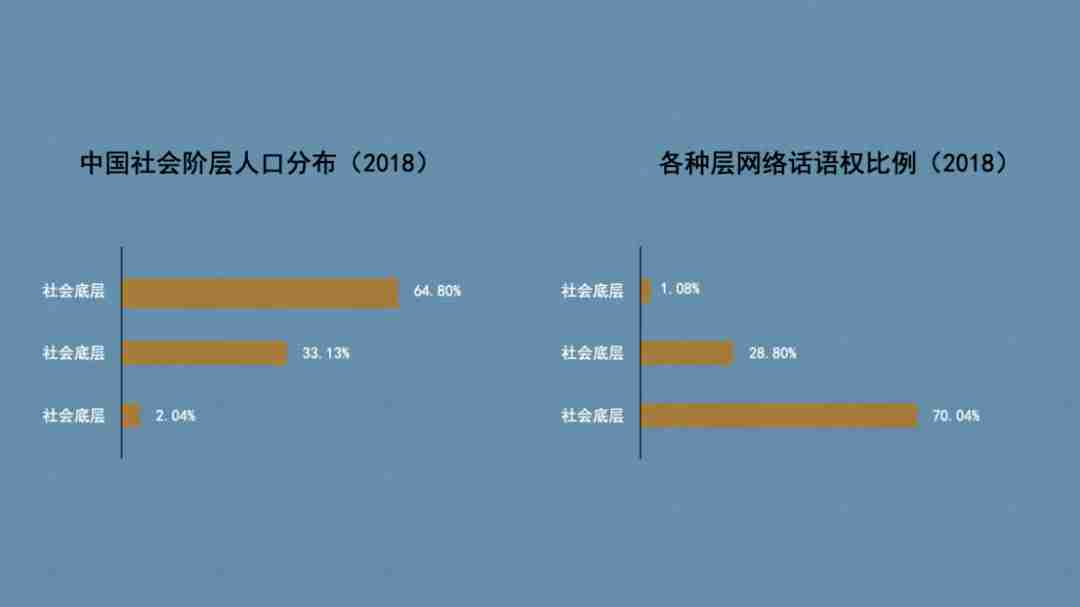
我们的调研发现,在过去的十年间,中国70%以上的底层人口所占有的网络话语权仅为1%。在这样一场消费和文化的狂欢当中,这群人其实是缺席的,这个问题值得我们深思。
在一个共益向善的社会里,我们不能去忽视这些沉默的大多数。因为正是他们的生活感知、他们的劳动,帮助我们组成了这样一个社会。数字化转型网www.szhzxw.cn
社会学家吉登斯有讲,社会结构和个人其实是紧密相关的,社会其实是由个人的行动建立起来的,与此同时它也是个人行动得以实现的桥梁和中介。所以在这个语境下,这群人对于组成我们社会以及让我们看到一个更加完整的社会,其实是更加重要的。
对于我这样的学者来说,研究这样一群打零工的人,看到他们的劳动过程,他们的生活历程,其实也是接触社会的一个过程。我自己对这群人的感知是,他们充满了生活的智慧和街头的智慧,对我来讲这也是一个学习的过程。
三、零工经济的集体性更弱了,取而代之的是“来去自由”
那我们如何认识零工劳动者呢?他们又有什么样的特征呢?接下来,我想从三个方面展开:

第一个是高速的流动性,第二个是数字化,第三个就是性别化。
首先,是高速流动性,这是当下打零工人群非常重要的一个特点。就像我们前边讲到的,比如说外卖行业或者是快递行业,他们的流转性其实是非常强的。
不知道大家有没有关注过,你们小区周边送快递的快递员或者是外卖员,他们更换的频率其实非常高的。我们做过一个调研,在北京的一个外卖站点,一年之内流转或者是离职的骑手能够达到90%。
所以,可以看到这其实是一个过渡劳动的行业,与传统的制造业和工厂企业呈现出非常不一样的特点。
我们知道,在传统的工厂中,流水线上的工人的吃饭、工作、休息其实都是在一起的,大家的这种集体性非常强。数字化转型网www.szhzxw.cn
但是,在现在的这种零工劳动当中,我们会发现劳动者的集体性是非常弱的,同时个人化又很强大。大家之间没有了像以前我们在乡村当中看到的传统关系,或者是一个非常坚固的工友之间的感情。取而代之的是一种来去自由。
为什么这群人流动性会这么强呢?因为,大部分打零工的人群进入到这个行业有非常强的目的性,他们的离开也带有很强的目的性。
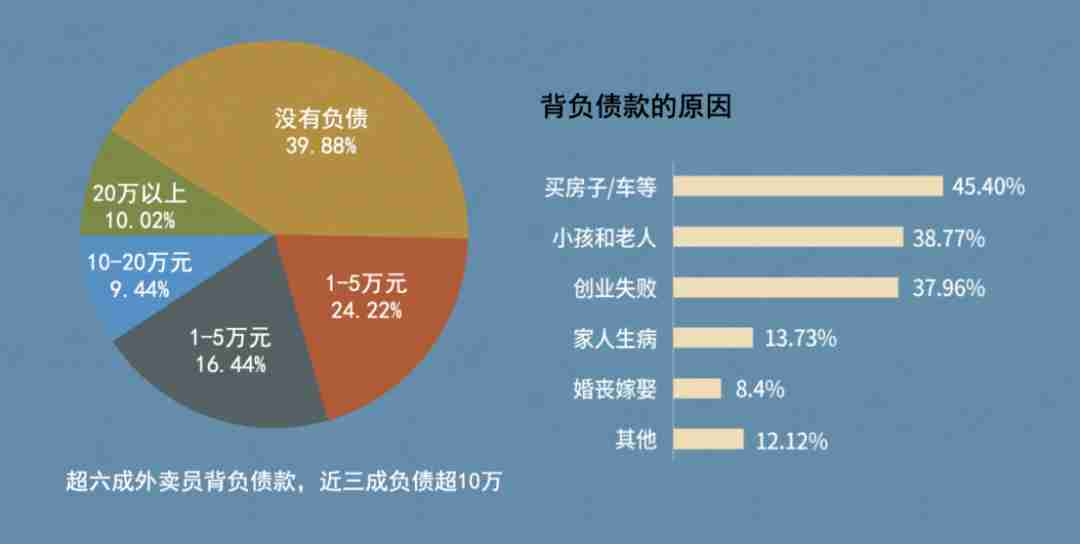
其中,最重要的一个点就是大部分进入到打零工行列中的人都是高负债人群。我们有一项调查,在2022年北京、上海、深圳这三个地方的骑手中,六成以上的骑手都有负债,而且三成以上的骑手的负债达到了10万元以上。
他们的负债都是什么呢?我们也做了一个调查,调查发现主要是房贷、车贷以及最重要的其实是做生意失败。当然也还有赡养老人、抚养小孩的费用。数字化转型网www.szhzxw.cn
所以,当他们背负着这些债款来到大城市,挣钱就成了他们唯一的目的。能够快速挣到钱从而实现初步的累积,来防范各种各样的风险,成为了大部分中国打零工人群的一个特征。
同时,我们在调研当中也发现外卖骑手中间存在着一个负债打工的恶性循环:
当我们问他们将来想要干什么的时候,他们中的大多数都会说“我想开一个餐馆”。因为送餐经历可能影响到了他们,所以他们会觉得餐馆其实是来钱来得比较快的。很多外卖骑手也确实这样去做了,但是开了餐馆之后他会赔钱,赔完钱之后他会负债,负债了怎么办?他会再跑来大城市做外卖骑手。
这个恶性循环链,让我看到了底层物语的残酷性。但是,在当下的语境,很大程度上它就是这样一种现实。
另外一个导致他们高速流动性的原因,是他们的职业风险性比较大,其中最主要的就是交通事故率比较高。
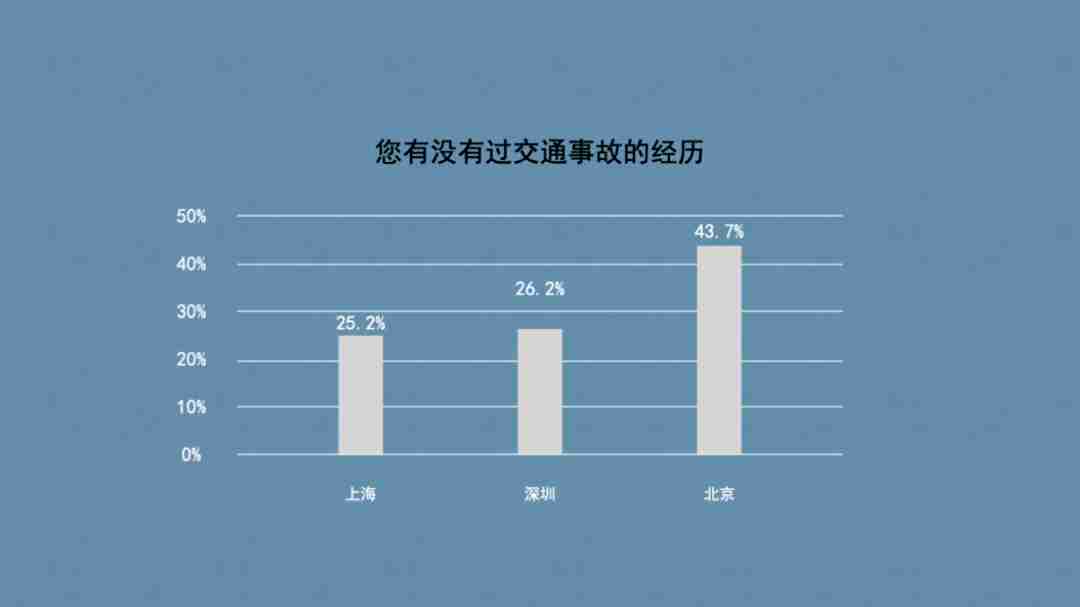
我们的调查显示,2022年,在北京、上海、深圳三个城市的外卖骑手当中,有四成都曾经经历过交通事故。当然,我们把小规模的摔倒剐蹭也都算在其中了。数字化转型网www.szhzxw.cn
与此同时,在疫情之后外卖骑手感染的风险也大大增强了他们的这种职业风险性。
另外,就是慢性病对这群人来讲其实也是一个很大的困扰。比如,不能按时吃饭而出现的胃病或者是说因为骑电动车导致的膝盖的关节炎、风湿,北方骑手在冬天的时候遭遇的皮肤冻伤,南方骑手夏季的晒伤等情况。
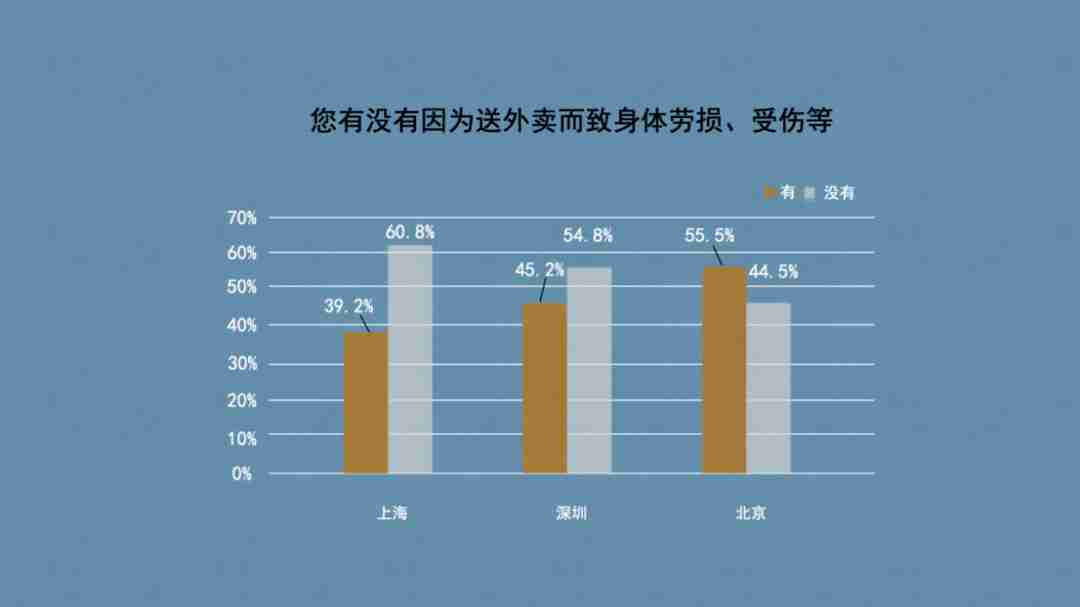
这些其实也都导致了一些打零工的职业,存在非常强的流动性。他们因为想要快速地挣钱进入到这个行业,进来之后一旦获取了基本的收入或资产之后就会快速地离开这个行业。
四、零工劳动具有鲜明的技术中介性,与“劳动数字化”的价值捆绑
零工劳动的第二个特征,其实是数字化。我们会发现像外卖、快递 、家政工,还有网约车、货车的师傅,他们的劳动过程当中有着非常鲜明的技术中介性。
也就是说,他需要一边劳动,一边应付手机当中的App。手机和人的身体之间存在一种深度捆绑,技术已经嵌入到了他们劳动的方方面面。
这里就牵扯到了一个非常有趣的问题——他们的价值是什么?数字化转型网www.szhzxw.cn
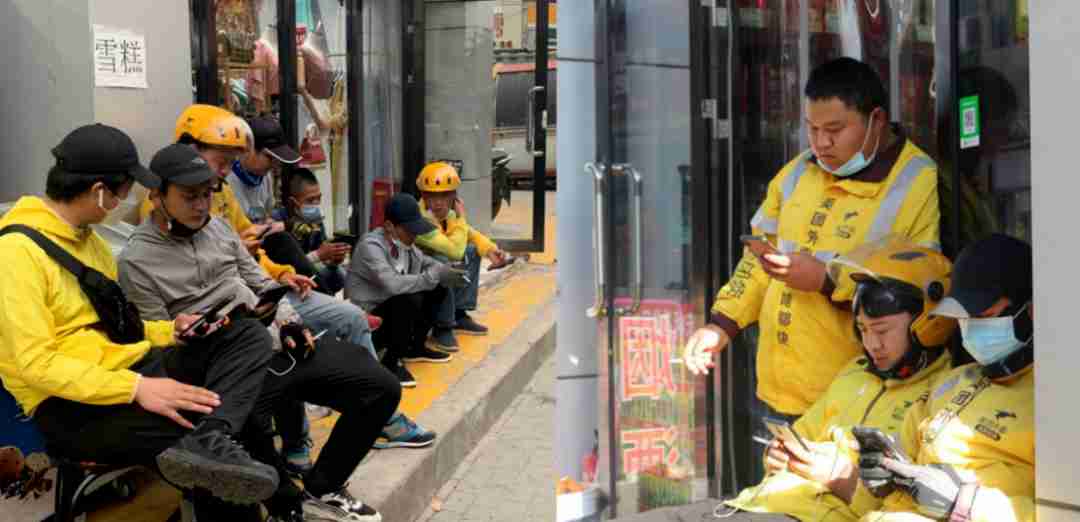
在我们传统的认知当中,会认为打零工者的劳动价值就是完成他们该做的这部分劳动。在劳动的商品化的过程当中。个体劳动者的劳动在市场当中具有了交换价值,个体劳动者通过这样的劳动成果获得自己的工资,以此来谋生或者发展。
但实际上,在数字化的语境下,我们会发现零工劳动者被捆绑上了另外一种价值,那就是劳动的数据化。因为技术与新媒体的存在,很多社会劳动状态其实都变成了生产大数据的基础,这些生产的数据会在后续被进一步地分析、使用、预测。
前些天,我们的国家也出台了一个新的数据管理法案叫做“数据二十条”(《中共中央国务院关于构建数据基础制度更好发挥数据要素作用的意见》)。我们可以看到,无论是政府,企业还是社会,对于数据的认识已经变得越来越深刻。
人和数据之间是怎么进行互动的呢?我给大家举一个简单的例子。
我平日在北京教课,北京良乡有一个大学城,很多学生在课后都会点外卖。我会发现,当有很多的学生去点外卖的时候,周边就出现了非常多送餐的骑手。因为大家不想去门口取餐或者是目的地离着校门口非常远,学生们就会给外卖骑手打电话,让骑手送到自己宿舍旁边的栅栏口附近,这样就可以去栅栏那个地方取餐。
最开始,他们之间经常出现沟通不畅甚至是争吵的情况,因为外卖骑手确实不太清楚到底应该送到哪个栅栏门口,这在地图上是没有被标注出来的。
后来,学校为了方便学生取餐,也开始在学校的栅栏外围做一些标识,这样可以方便同学们快速地找到自己的骑手取到餐。
你可以发现,这就是一个人和机器交互非常有趣的例子。数字化转型网www.szhzxw.cn
我们会发现流动的劳动中,其实出现了非常多系统化的困境,就像《外卖骑手,困在系统里》讲的那样。那么,这个系统是怎么形成的呢?
这是一个由智能算法和数据共同建造的一个加速系统,它在不停地收取外卖骑手的劳动数据。与此同时,围绕着技术系统其实也形成了一整套市场运行逻辑。
在这里,我们会发现现在的零工经济,特别重视消费者的体验至上和效率至上。这样的一种市场化的运行规则,和这样一群流动的人捆绑在了一起。加上零工群体急切想要改善生活,想要快速完成初期资本积累的这样一种需求,就造成了系统性的困境。
五、零工经济中的性别问题
第三个是关于性别的问题。这些年我们会发现越来越多的女性加入到了零工经济的队伍当中。
尤其是在疫情发生之后的一段时间里,我们经济下行压力与就业压力非常大。我们观察到无论是工厂的女工,还是农村的女性以及一些此前的全职主妇,都越来越多地加入到了打零工的人群之中。
对于这样一群人,零工经济有什么样的帮助呢?
首先,我们发现零工经济的存在对于农村的女性带有明显的赋权性,这一点我们必须要承认。通过打零工,她们可以获得一定的经济收入,这些经济收入可以用来补贴家用。零工其实给了她们这样一个机会,能有一个过渡的渠道,从而去实现一定程度上的经济自主。有了经济自主之后,接下来其实就是女性的独立还有话语权也会被争取到。
在采访当中,我们也见到了非常多勇敢的女性,她们勇敢地走上街头成为女外卖员。对于女骑手来说,她们也分为几种类型。
有一些是遇到了突发的家庭变故,而不得不外出打工的;也有是女强人型的,她可以一直跑单,甚至业绩做得都比男性还好;还有一种是因为养家育儿的压力比较大,她会以打零工的形式,来协助整个家庭的生活。
我可以给大家举几个例子,在我们的调查的过程中,我认识的一个女骑手张姐。张姐人到中年和老公离婚,她就开始跑外卖了,因为她迫切地需要实现经济独立。她的梦想就是有一天通过自己跑外卖,能够挣到足够的钱买一辆房车。这样她去看儿子的时候,就可以和儿子一起住在房车上,不用担心支付酒店旅馆的钱。
从张姐的身上,我们其实看到了一位农村的女性,在离婚之后非常朴实的一个愿望。数字化转型网www.szhzxw.cn
第二个例子是项大姐,项大姐是我们北京望京地区一个非常出名的女单王。我们采访的时候她的手腕崴了,正在去医院的路上。回到站点之后,骑手站的站长跟她讲“项大姐要不然你明天就休息吧”,项大姐却说“只要我死不了我就可以继续跑单”。
项大姐的成绩也非常的亮眼,她一直都是整个望京地区的跑单第一名,是一个女强人型的例子。
其实对于大多数的女性来讲,加入到零工经济的这个队伍当中并不容易,尤其是做外卖、快递或者是网约车。
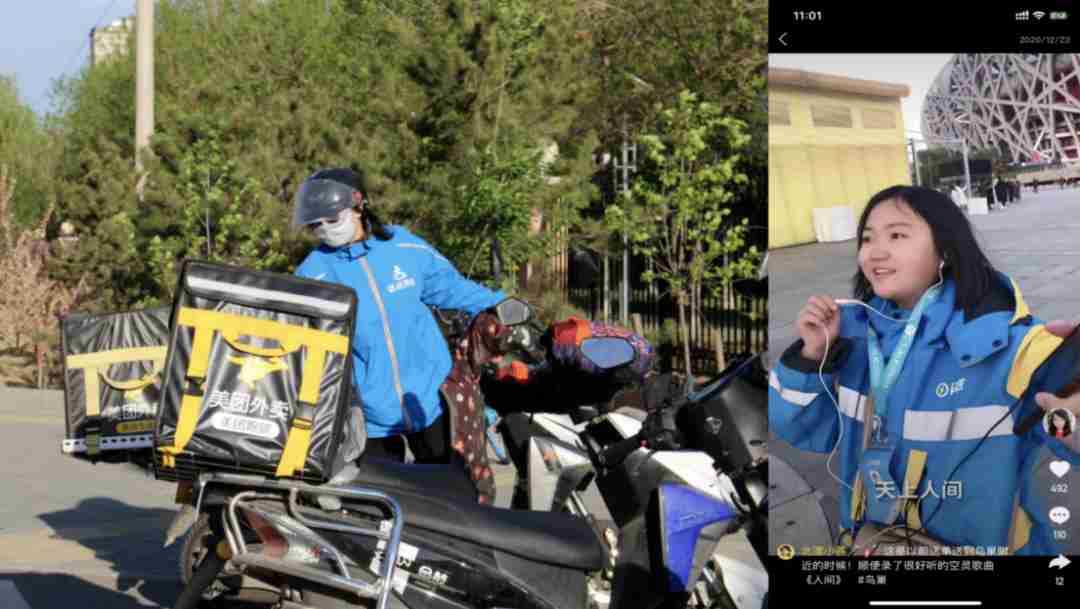
因为这些行业,大部分都需要重体力或者是需要熬夜、加班。除此之外,很多的女性难以融入到以男性为主的这种工作社群。与此同时,她们也特别需要平衡家庭和工作的双重压力,这对她们来讲其实特别的不容易。
当下,我们其实走到了一个十字路口,在这个十字路口上一面是零工经济,另外一面是越来越多的女性就业。所以在我看来,我们其实到了一个需要去关注性别问题的时代。我们需要重新思考性别和社会之间的关系,尤其是在零工经济当中性别权利的重塑呈现出什么样的特点。数字化转型网www.szhzxw.cn
这里包括当越来越多的女性加入到劳动的队伍之后,她们的话语权在发生什么样的变化。以及除了城市中产以外,乡镇的农村的女性的意识又在发生什么样的变化。
我们会发现,同一性别当中其实也是有阶层的。在我们的生活当中,那些中产的,以消费展演为多的女性的活动其实是更多地被看见了。但是这些收入一般的,在底层的,或者是家庭主妇式的劳动或者是生产状态,在很大程度上是不可见的。
但是这一批人,恰恰是零工劳动当中的中坚力量,所以我们特别需要关注这样一群人。而与此同时,性别的出场也让我们看到了劳动更加丰富的面相。
六、我们如何想象劳动,以及如何重建劳动的价值?
回到一开始我问大家的问题:如果有一天你找不到工作了,你是否愿意去跑外卖?或者是说有一天你失业了,你是否会愿意转入到一种不确定的生活当中?愿不愿意做一个打零工的打工人呢?
我觉得对于大多数人来讲,大家担心的可能不是自己是否能胜任这样一份工作,而是这份零工工作所附带的关于身份的认知与阶层的意义。它充满了底层性,带有被污名化的风险,这在我们今天的媒体当中体现得非常的明显。
反观我们这个时代的劳动,我们会发现它的意义正在发生鲜明的变化。其中最主要的一点就是,劳动失去了往日的集体认同和精英主义的光环。
这也跟我们当代人的认知发生了很大的变化是有关系的。比如说有很多人已经意识到自己是一个打工人,给资本打工赚钱其实是劳动的“本质”,无非就是钱多钱少的问题,终归大家都是打工人。
另外一个点就是,在今天的社会当中脑力劳动者和体力劳动者的划分也已经变得十分有限。而且无论是脑力劳动者还是体力劳动者,都已经不太存在精英主义的光环,这种界限变得十分的模糊。
持久的工作变得越来越不可能,过渡性的劳动正在成为一种常态。我们会发现身边出现了非常多的斜杠青年,他们同时会打多份零工来养活自己,而且没有哪一份是一个可以足够持久很长时间的工作。
无论是新生代的农民工群体,还是年轻一代的斜杠青年,大家都不再喜欢工厂,不再喜欢被人指使。大家对于自我掌控感,有着比以往任何一代更加强烈的需求。这样一群年轻人的存在,其实也让我们变得非常的清醒。数字化转型网www.szhzxw.cn
那这些情形的年轻人在干什么呢?
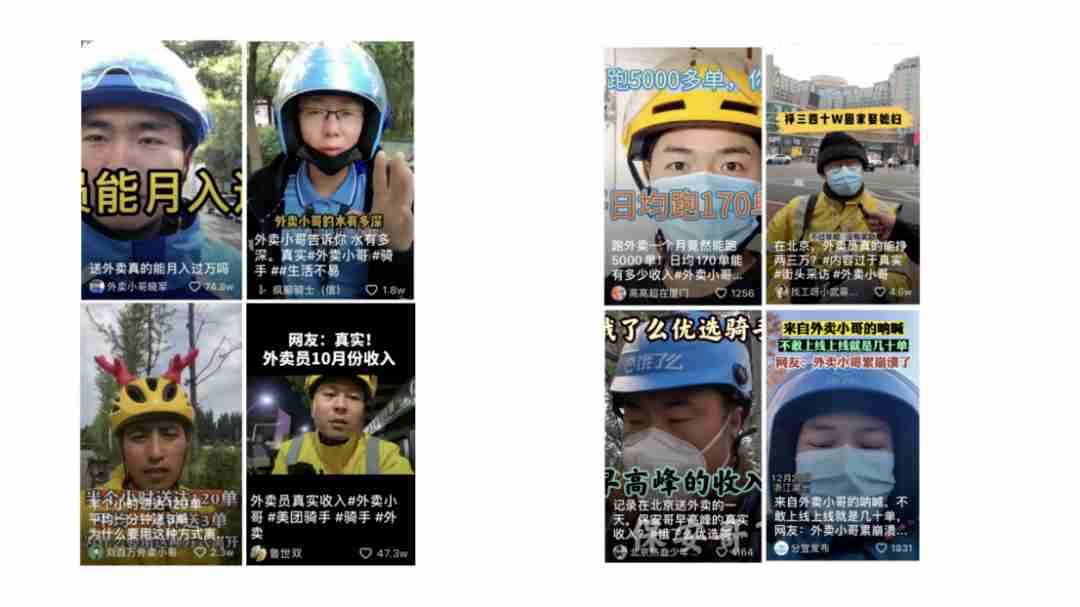
他们除了躺平之外,也在记录,记录自己的工作和劳动。他们通过记录自己的日常生活,来反观整个社会的运作。这时,零工劳动的意义,在某种程度上其实变成了一种集体性的记忆和集体的行为。
我看到了非常多有趣的斜杠青年,他们的生活本身也是非常精彩的。他们会自己选择是否被接入到数字化的系统当中去,以及自己去选择是不是愿意连接这个数字化的系统。
而这对于我们回答“劳动的意义”这样一个问题十分关键。他们决定着我们如何想象劳动,以及如何对劳动的价值进行重建。数字化转型网www.szhzxw.cn
翻译:
Sun Ping, an assistant researcher at the Institute of Journalism and Communication of the Chinese Academy of Social Sciences, delivered a speech titled “When” Everyone “is” Delivering Food “: From Transitional Labor to Permanent Odd Jobs” on the fourth day of Tencent’s Technology for Good Innovation Week 2023 (January 12).
The following is the full text of Sun Ping’s speech:
Hello, everyone. My name is Sun Ping, a scholar who has been engaged in the research of digital workers for a long time. For the past five years, I’ve been following a group of people — delivery riders.
Gig work is becoming the norm
I think this is a very interesting group of people, who are traveling through the streets of our country. If we think about it, they are like a flock of migratory birds on a summer evening, quickly gathering together and quickly disappearing.
But most of them, in fact, are invisible to us.
After the epidemic, we found that their population composition is also diverse, of course, most of them are migrant workers.数字化转型网www.szhzxw.cn
Over the past three years, as the pandemic has progressed, many people have joined the ranks of food delivery riders, such as small business owners, students, construction workers, restaurant servers, and decorators.
We’ll find that around the world, including China, gig work is actually becoming the norm. As of now, 200 million people in China are flexible workers. In a country our size, there are only 900 million working people. So this is a very large group of people. One out of every four or five of us lives on odd jobs.
In that case, it is a very important and urgent problem. I wonder if you ever thought that if one day you can’t find a job or lose your job, would you like to live on odd jobs? Or would you rather be a delivery man?
Why do I study “odd job” people?
Now we will find that more and more people join the ranks of doing odd jobs.
Here’s a very important question to consider: Why did odd jobs become the norm? And to what extent are gig workers visible in the process of gig work? Or, to what extent are they invisible?
Over the years, I have been an academic observing digital populations, and I have studied a lot of digital professional populations. These include ride-hailing drivers, deliverymen, couriers, proxy drivers, livestreaming and e-commerce workers, as well as research data markers. These people have one thing in common — they are odd-job workers, and their jobs are transitional and uncertain.
Why study such a group of people? For me, there are several points:
First, the rise of the Internet and platform economy is creating a very large number of new types of workers. The characteristics of such workers are scattered, diverse, temporary, and full of uncertainty.
In the context of our society, I think this group of people is largely invisible. But at the same time, their service has a very important impact on our lives. So studying them is a very important topic.
Second, our survey found that in the past decade, China’s Internet has experienced a period of vigorous development, but what is interesting is that the voice of this new group of workers has been significantly weakened. In other words, gig workers don’t really have much of a voice.数字化转型网www.szhzxw.cn
Our research shows that over the past decade, the bottom 70 percent of the population in China has had only 1 percent of the voice on the Internet. In such a carnival of consumption and culture, this group of people is actually absent, which is worth thinking about.
In a good society, we cannot afford to ignore the silent majority. For it is their perception of life, their work, that helps us form such a society.
Sociologist Giddens said that social structure is closely related to individuals. Society is actually established by individual actions, and at the same time, it is also the bridge and intermediary for individual actions to be realized. So in this context, this group of people is actually more important to forming our society and allowing us to see a more complete society.
For scholars like me, studying such a group of odd workers and seeing their labor process and life process is also a process of contact with society. My own perception of this group of people is that they are full of life wisdom and street wisdom, and it’s a learning process for me.
The gig economy is less collective, replaced by “freedom to come and go”
So how do we recognize gig workers? What kind of characteristics do they have? Next, I would like to expand on three aspects:数字化转型网www.szhzxw.cn
The first is rapid mobility, the second is digitization, and the third is gendered.
First, there is high mobility, which is a very important characteristic of gig workers today. Just as we mentioned before, for example, take-out industry or express industry, their turnover is actually very strong.
I don’t know if you have paid attention to the delivery men or takeout men around your community, they change the frequency is actually very high. We did a survey in Beijing, a takeout site, within a year, the turnover or turnover of riders can reach 90%.
Therefore, it can be seen that this is actually a transitional labor industry, which presents very different characteristics from traditional manufacturing and factory enterprises.
As we know, in traditional factories, the workers on the assembly line eat, work and rest together. This kind of collectivity is very strong.数字化转型网www.szhzxw.cn
However, in today’s odd jobs, we will find that the collectivity of workers is very weak, while the individuality is very strong. You don’t have the traditional relationship that we used to see in the countryside, or a very strong bond between workmates. Instead there is a freedom to come and go.
Why is this group of people so mobile? That’s because most of the gig workers entered the industry with a very strong purpose, and they leave with a very strong purpose.
One of the most important is that most of the people who enter the odd job market are highly indebted. We have a survey that more than 60 percent of riders in Beijing, Shanghai and Shenzhen in 2022 are in debt, and more than 30 percent of riders have debts of more than 100,000 yuan.
What are their liabilities? We also did a survey, which found that it was mainly mortgage, car loan and most importantly business failure. Then there are the costs of caring for the elderly and children.
So, when they come to the big city with these debts, making money is their only goal. The ability to earn money quickly to achieve initial accumulation, to prevent a variety of risks, has become a feature of most of China’s odd job population.
At the same time, our research also found that there is a vicious cycle of debt employment among takeaway riders:
When we ask them what they want to do in the future, most of them will say “I want to open a restaurant”. Because the delivery experience may have affected them, they may feel that the restaurant is actually getting the money faster. A lot of food delivery riders do this, but after opening the restaurant, he will lose money, after losing money, he will be in debt, what if in debt? He’ll be a delivery rider in the big city again.
This vicious circle chain makes me see the cruelty of the underlying story. But, in the current context, it is largely a reality.
Another reason for their high mobility is that their career risks are relatively high, the most important of which is the relatively high traffic accident rate.
Our survey shows that 40 percent of food delivery riders in Beijing, Shanghai and Shenzhen have experienced traffic accidents in 2022. Of course, we included all the small falls and scratches.
At the same time, the risk of infection among delivery riders in the wake of the pandemic has greatly increased their occupational risk.数字化转型网www.szhzxw.cn
In addition, chronic disease is also a big problem for this group of people. For example, stomach problems caused by not having meals on time, arthritis and rheumatism of knees caused by riding electric bikes, frostbite of skin suffered by northern riders in winter, sunburn of southern riders in summer and so on.
In fact, all these have led to some odd jobs, there is a very strong mobility. They come in because they want to make money quickly, and they come in and they get a basic income or asset and they leave quickly.
Gig labor has distinct technical mediation, and the value of “labor digitization”
The second feature of gig work is actually digital. We will find that the chefs of takeaways, express delivery, domestic workers, as well as online car-hailing and trucking have very distinct technical intermediation in their labor process.
That is to say, he needs to work while dealing with the App in the phone. There is a deep bond between phones and people’s bodies, and technology is embedded in every aspect of their labor.
This raises a very interesting question — what are they worth?
In our traditional understanding, the value of the labor of the odd worker is to complete the part of the labor they should do. In the process of commodification of labor. The labor of individual laborers has exchange value in the market. Individual laborers obtain their own wages through such labor fruits, so as to make a living or develop.
But in fact, in the digital context, we will find that gig workers are tied to another value, that is, the data of labor. Due to the existence of technology and new media, many social labor conditions have actually become the basis for the production of big data, which will be further analyzed, used and predicted in the future.
A few days ago, our country also introduced a new data management law called “Article 20 of Data” (” Opinions of the CPC Central Committee and The State Council on Building a Data Infrastructure System to Better Play the Role of Data Elements “). We can see that no matter the government, enterprises or society, the understanding of data has become more and more profound.
How do people interact with data? Let me give you a simple example.
I usually teach in Beijing. In Liangxiang, a university town in Beijing, many students order takeout after class. I would find that when there were a lot of students ordering takeout, there would be a lot of food delivery riders around. Because they didn’t want to go to the gate or if the destination was far from the gate, students would call the delivery rider and ask the rider to deliver the food near the gate of the fence next to their dormitory so they could go to the fence to pick up the food.
In the beginning, there were often miscommunication and even arguments between them, because the delivery riders were really not sure which fence gate to deliver to, which was not marked on the map.
Later, in order to make it easier for students to fetch food, the school also began to make signs outside the school fence, so that students could quickly find their own riders to fetch food.
As you can see, this is a very interesting example of a human interacting with a machine.数字化转型网www.szhzxw.cn
We will find that in mobile labor, in fact, there are a lot of systematic dilemmas, like the delivery rider, trapped in the system. So how did this system come about?
It’s an acceleration system built by a combination of smart algorithms and data that is constantly collecting data on the labor of delivery riders. At the same time, a whole logic of market operation has formed around the technical system.
This is where we find the gig economy, with its emphasis on consumer experience and efficiency. Such a market-oriented operation rules, and such a group of mobile people tied together. This, combined with the gig community’s desire to improve their lives and quickly complete early capital accumulation, creates a systemic dilemma.
Gender in the gig Economy
The third question is about gender. Over the years we’ve seen more and more women joining the gig economy.
In particular, after the outbreak of the epidemic, the downward pressure on our economy and employment was enormous. We have observed that whether it is factory women, rural women and some former full-time housewives, more and more people are joining the group of odd jobs.
How can the gig economy help such a group?
First, we find that the existence of the gig economy is clearly empowering for rural women, which we have to admit. By doing odd jobs, they can earn a certain amount of economic income, which can be used to supplement the family. Gig jobs actually give them a chance to have a transition channel through which they can achieve a degree of economic autonomy. With economic autonomy, women’s independence and right to speak will also be won.
During the interview, we also met many brave women who bravely took to the streets to become female delivery workers. For female riders, there are also several types.数字化转型网www.szhzxw.cn
Some encountered sudden family changes, and had to go out to work; There is also the strong woman type, she can always run alone, and even do better than the male performance; On the other hand, because of the great pressure of supporting the family and raising children, she will do odd jobs to help the whole family.
I can give you a few examples, in the course of our investigation, I know a female rider, Sister Zhang. When Zhang divorced her husband in middle age, she turned to prostitution because she desperately needed to become financially independent. Her dream is to one day make enough money to buy an RV by selling it herself. That way she can stay in an RV with her son when she visits him and not worry about paying for a hotel.
From Sister Zhang’s body, we actually see a rural woman, after divorce is a very simple desire.
The second example is Elder Sister Xiang. Elder Sister Xiang is a very famous women’s singles champion in Wangjing district of Beijing. She sprained her wrist when we interviewed and was on her way to the hospital. After returning to the station, the rider’s station master told her, “Elder Sister Xiang, otherwise you can rest tomorrow.” Elder Sister Xiang said, “As long as I don’t die, I can continue to run.”
Elder Sister Xiang’s performance is also very impressive. She has always been the first place in Wangjing District, and she is an example of a strong woman.
It’s not easy for most women to join the gig economy, especially when it comes to food delivery, delivery or ride-hailing.
Because most of these industries require heavy physical strength or need to stay up late and work overtime. In addition, many women find it difficult to integrate into the male-dominated work community. At the same time, they also need to balance the dual pressure of family and work, which is not easy for them.数字化转型网www.szhzxw.cn
Right now, we’re at a crossroads between the gig economy and the growing number of women in the workforce. So it seems to me that we are actually at a point where we need to pay attention to gender issues. We need to rethink the relationship between gender and society, and in particular what the reshaping of gender rights in the gig economy looks like.
This includes how women’s voices change as more and more women join the workforce. Besides the urban middle class, what kind of changes are happening to the consciousness of rural women in towns and villages.
We’ll see that there are classes within the same gender. In our daily life, the activities of the middle class, more consumer performance of women are actually seen more. But this state of average income, of lower-level, or homemaker labor or production, is largely invisible.
But these people are the backbone of gig labor, so we need to pay special attention to this group of people. At the same time, the appearance of gender also makes us see the face of more abundant labor.
How do we imagine labor, and how do we reconstruct the value of labor?
Back to the question I asked you at the beginning: If you couldn’t find a job one day, would you want to work as a doorman? Or if you lose your job one day, are you willing to move into a life of uncertainty? Would you like to be a part-time worker?
I think for most people, the concern is not whether they are qualified for such a job, but the identity and class meaning attached to the gig job. It is full of underclass and carries the risk of stigmatization, which is very evident in our media today.
Looking back at labor in our time, we will find that its meaning is undergoing a distinct change. One of the most important is that labor has lost its collective identity and elitist aura.
This is also related to the great changes in our contemporary cognition.
For example, many people have realized that they are workers. Working for capital to make money is actually the “essence” of labor. It is just a matter of more money and less money.
Another point is that in today’s society the distinction between mental and manual workers has become very limited. And the meritocratic aura of both brain and manual workers has faded, and the line has become very blurred.数字化转型网www.szhzxw.cn
Lasting work is becoming less and less possible, and transitional Labour is becoming the norm. We will find a lot of young slashers around, who will work multiple odd jobs to support themselves, and none of them is a job that can last long enough.
Both the new generation of migrant workers and the younger generation of slashers no longer like factories and being bossed around. The need to feel in control is greater than in any previous generation. The existence of such a group of young people actually makes us very sober.
So what are these young people doing?
In addition to lying down, they are also recording, recording their work and labor. They record their daily lives to see how the whole society works. At this time, the meaning of odd jobs actually becomes a collective memory and collective behavior to some extent.
I saw a lot of interesting slashers, and their lives were wonderful. They choose whether they want to be connected to a digital system, and whether they want to be connected to a digital system.
This is crucial to our answer to the question “the meaning of labor”. They determine how we imagine labor and how we reconstruct its value.
本文由数字化转型网(www.szhzxw.cn)转载而成,来源:腾讯研究院;编辑/翻译:数字化转型网宁檬树。
免责声明: 本网站(http://www.szhzxw.cn/)内容主要来自原创、合作媒体供稿和第三方投稿,凡在本网站出现的信息,均仅供参考。本网站将尽力确保所提供信息的准确性及可靠性,但不保证有关资料的准确性及可靠性,读者在使用前请进一步核实,并对任何自主决定的行为负责。本网站对有关资料所引致的错误、不确或遗漏,概不负任何法律责任。
本网站刊载的所有内容(包括但不仅限文字、图片、LOGO、音频、视频、软件、程序等) 版权归原作者所有。任何单位或个人认为本网站中的内容可能涉嫌侵犯其知识产权或存在不实内容时,请及时通知本站,予以删除。