前言:在过去几年中,由于新冠疫情带来的全球商业格局的巨大动荡,促使许多公司加速其数字化转型进程,通过数字技术改变运营方式、获取竞争优势。美国ARC咨询集团(ARC Advisory Group)于2022年发布的《工业数字化转型25强报告》重点介绍了全球从事数字化转型的领先工业公司,并将美国洛克希德·马丁公司(简称洛马)排在第12名。
洛马公司正在其流程、技术和工具中采用数字化创新来为客户提供更快的交付速度、敏捷的响应能力和数据驱动能力。该公司正在如下领域内对其业务进行数字化转型:1)数字工程、2)下一代软件、3)数字化赋能、4)数据作为战略资产、5)先进生产。
一、数字工程
经过了数年数字化转型的努力,洛马公司改变了其基于模型的工程设计方法,从整体上评估系统的设计,将设计、制造和维护团队连接在一个通用的数字线程上。这可确保交付的系统完全支持任务、节省成本并加快项目生命周期。洛马公司数字工程包括如下工程设计方法:
- Design for (X),确保设计针对制造和维护进行优化,并最大限度地提高系统性能;
- 通过数字孪生技术创建详尽的系统模型,使用机器学习和数据分析“先飞后买”——预测性能、优化维护和简化生产;
- 多学科集成,通过最新的高性能计算系统,同时从多个方面分析系统性能,从热力学性能到空气动力学等等,从而显著缩短设计时间。
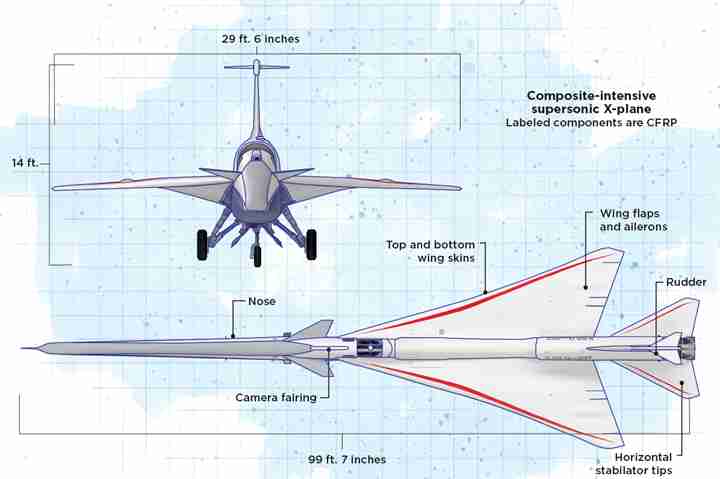
X-59 QueSST飞机是洛马公司的数字工程的典型代表。X-59 QueSST飞机是由洛马公司作为主承包商为美国国家航空航天局(NASA)制造的一款试验性飞机,是NASA“Quest”项目的产物。NASA旨在通过该项目开发一种大幅降低噪音水平的超音速飞机,为商业超音速航行铺平道路。
洛马公司于2013年开始了关于X-59的工作,为了优化飞机设计,洛马公司臭鼬工厂研究空气动力学、音爆、载荷、压力等方面的团队在七个月内进行了合作,对整体、零件的几何形状进行大量调整和折衷。在这个过程中,每个团队使用了各种设计工具在“闭环”中协同工作,同时NASA的团队协助进行了设计分析和系统测试。
经过洛马公司9年的设计、制造、组装和测试,X-59 QueSST飞机将于2023年进行首飞,随后交付NASA。
二、下一代软件
从某些方面来说,软件是数字化转型的关键,对于工业公司而言,软件推动数字化转型,需求推动创新,整个周期逐年加速。
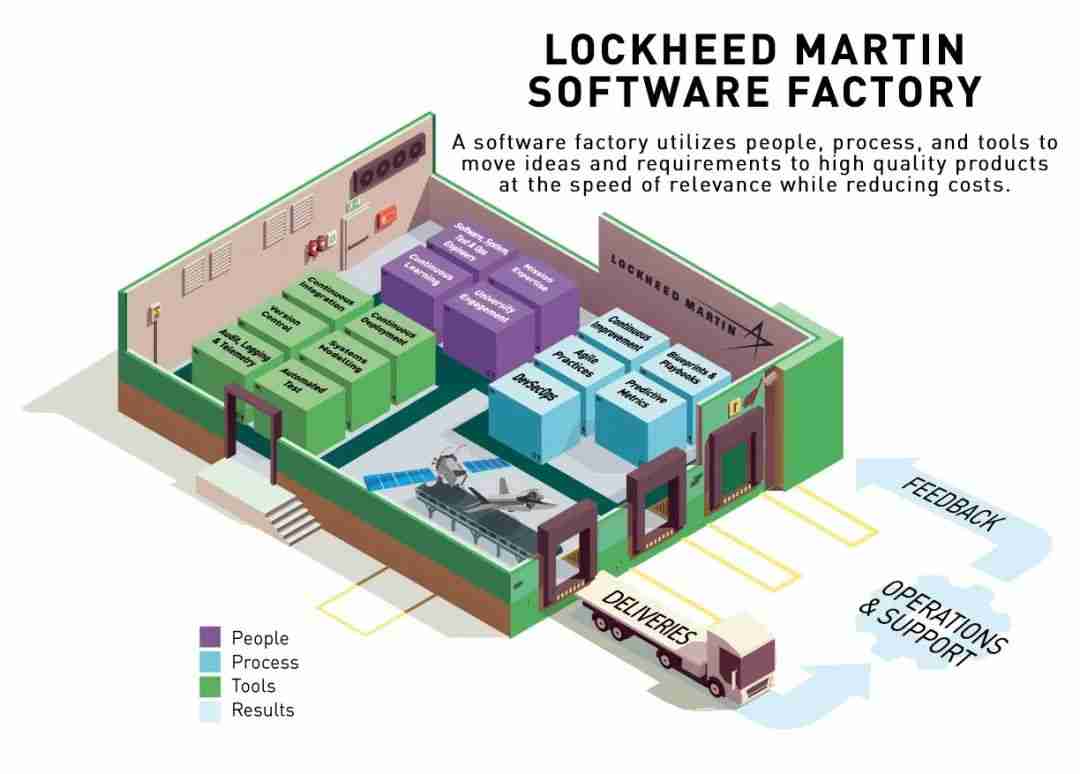
洛马公司的软件工厂是公司数字化转型的重要部分。借助软件工厂,洛马公司能够实现软件的快速开发和持续交付,从而满足客户的任务需求。洛马公司为软件工厂建立了支持机密/非机密功能的安全云基础设施,并对其软件工厂基础设施制定了操作流程。
以下项目是洛马公司的数字工程的典型代表。
1、分布式通用地面系统
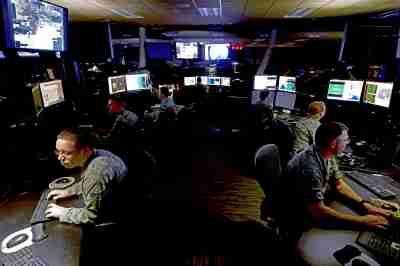
2018年,洛马公司与美国空军合作,利用敏捷开发来发展空军分布式通用地面系统(AF DCGS),AF DCGS系统通过有人/无人信号情报侦察平台上的传感器收集的数据生成情报。洛马公司C4ISR和无人机系统副总裁Rob Smith表示:“为了帮助客户升级系统,洛马公司使用的现代敏捷方法与其他软件开发方法不同,借助该方法,洛马公司将AF DCGS转变为能够在威胁演变时快速集成新功能的现代架构。洛马公司能够在收到任务订单后仅10个月就将大部分AF DCGS信号情报应用程序迁移到开放式架构基础设施上进行测试。过去,大型系统发布将在授予后大约18到24个月开始测试活动。该方法帮助提高了软件开发效率,缩短了软件生命周期时间,并按季度部署新功能,这意味着部署时间缩短了50-75%”。
2、战区战斗管理核心系统
为了实现美军联合全域指挥与控制(JADC2)计划,洛马公司于2021年6月与美国空军生命周期管理中心合作,以将来自战区战斗管理核心系统(TBMCS)整合到空军全域作战套件(KRADOS)中。
洛马公司通过名为Wolfpack的基于云的软件交付环境将TBMCS功能迁移到Kessel Run的云平台。通过Wolfpack,KRADOS能够与美国空军、海军、海军陆战队管理的TBMCS系统无缝交换数据。
三、数字化赋能
洛马公司在公司范围内对流程更新、业务系统现代化、5G、网络、云平台的投资为数字化转型奠定了基础。
网络作战。洛马公司为美国国防及情报系统提供网络作战能力,包括网络进攻武器,网络防御武器,帮助情报界收集、分析以及传播威胁情报等。
人工智能。鉴于人工智能几乎为所有产品和系统附加价值,洛马公司一直持续投资和扩展人工智能和自主能力。
智能卫星。洛马公司计划在2023年通过自筹资金发射3颗微小卫星,包括2颗Pony Express 2卫星以及1颗战术情报、监视与侦察和通信卫星(TacSat卫星)。Pony Express 2将进一步推动卫星之间的网络测试,并验证洛马公司SmartSatTM软件定义卫星架构,该架构能够显著增强卫星的弹性与灵活性。
四、数据作为战略资产
洛马公司正通过构建基础设施以即时、安全的共享数据,并通过人工智能驱动的预测分析提高产品性能,加速产品生命周期。
可视化培训工具。2019年6月,洛马公司推出RELY3D,这是一种用于Apache AH-64传感器系统维护人员的高级可视化和培训工具。该工具源于公司员工的想法,通过互动培训内容提高维护效率。该工具利用流行商业游戏技术的功能将培训转化为高级可视化模块,将培训时间减少60%。
数字生态系统。2018年,洛马公司推出MAIA“数字生态系统”,将机器学习与AR/VR 相结合,为载人航天任务提供更多的自主能力。洛马公司首先将该系统应用到美国的猎户座飞船中。
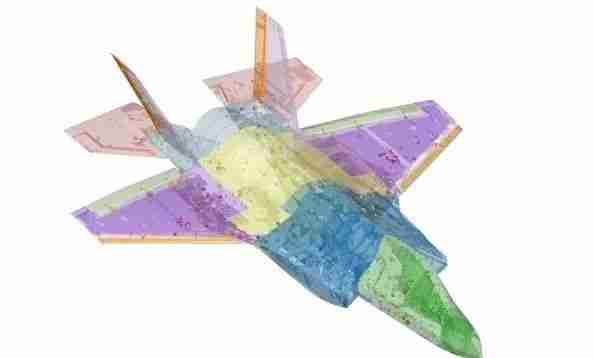
航空通用分析工具集数据管理器(CATDM)。2021年,洛马公司推出了CATDM系统,这是一种飞机结构数字孪生模型工具,用于托管和交付F-35结构工程数据和产品(如下图所示)。CATDM在零件编号级别编译F-35飞机配置数据、分析及其结果以及各种来源的历史文件,包括类型版本的有效性、控制点位置、应力分析、现有损坏和维修的照片、检查细节等。然后,CATDM使用飞机结构的增强3D可视化以图形方式呈现结构分析数据。用户悬停并单击喷气式飞机的各个部分,以立即查看他们做出决策和计划部队维护行动所需的数据和分析结果。
五、先进生产设施
洛马公司正通过智能工具、联网机器、联网供应链以及AR/VR对工厂进行彻底变革,以加快生产速度并提高质量。
数字工厂
洛马公司正在美国建设4家数字工厂,这些工厂连接到智能工厂框架(IFF),这是一个边缘计算平台,可通过物联网(IoT)实践保护、扩展和标准化设备连接。
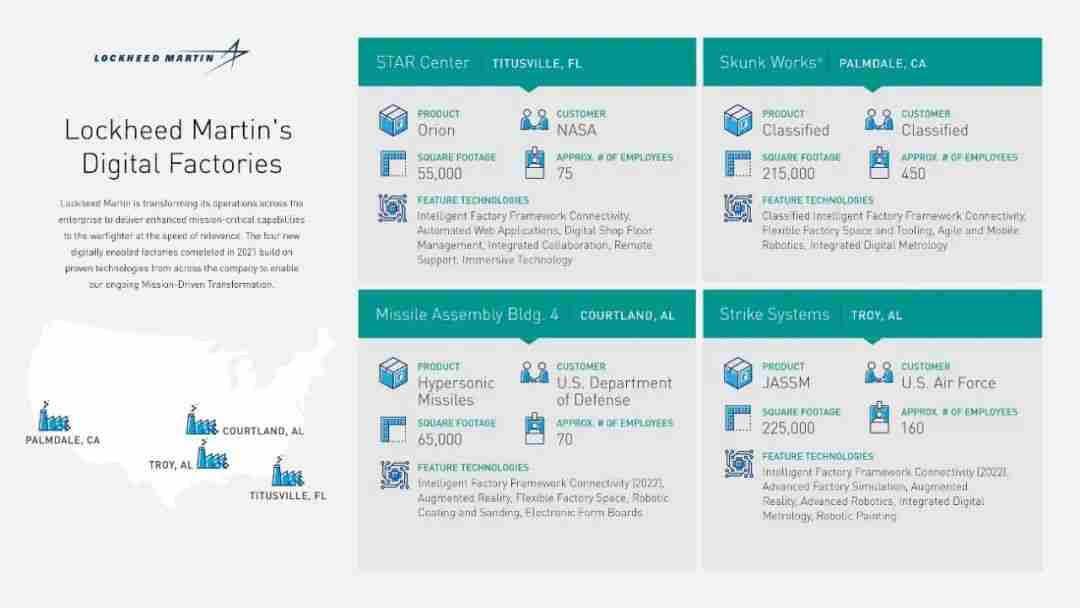
这4家数字工厂融合了洛马公司的三个先进生产优先事项:智能工厂框架;技术支持的先进制造环境;灵活的工厂结构,以速度和敏捷性支持客户优先事项,同时增强美国的制造能力。工厂如下:
航天器、测试、组装和资源中心(STAR)。由洛马公司太空团队在佛罗里达州泰特斯维尔开设,该工厂为猎户座航天器提供了外壳隔热罩和后壳面板的组装和测试、机组模块制造和测试、推进控制和生命支持系统组装和测试、地面保障设备的生产。
SkunkWorks数字工厂。2021年8月,洛马公司在其位于加利福尼亚州帕姆代尔的园区和SkunkWorks总部完成了先进制造设施的建设。这座占地215000平方英尺的智能、灵活工厂拥有数字化基础,可以整合智能制造组件,并以经济实惠的方式快速提供尖端解决方案,以支持美国及其盟国。
导弹装配4号大楼(MAB4)。由太空、导弹和火控(MFC)部门联合建造,位于阿拉巴马州的考特兰,该工厂将配备工业机器人、智能扭矩工具、AR设备等。洛马公司旨在将该工厂建设成高超声速导弹生产中心。
联合空对地防区外导弹(JASSM)工厂。由MFC部门在阿拉巴马州特洛伊市建设,以扩大JASSM的总装能力。
六、小结
对于传统工业公司来说,大胆的数字化战略有可能推动其发展。而当今的一些初创公司,由于不受遗留问题的影响,可能从一开始就更好的构建数字化系统和流程,从而可能迅速发展并超越竞争对手。综合来说,随着全球领先工业公司的数字化转型顺利进行,未来的工业创新进程将持续加速。
翻译:
In the past few years, the great upheaval in the global business landscape brought about by the COVID-19 pandemic has prompted many companies to accelerate their digital transformation process, changing the way they operate and gaining competitive advantages through digital technologies. The “Top 25 Industrial Digital Transformation Report” released by ARC Advisory Group in 2022 highlights the leading industrial companies engaged in digital transformation around the world, and ranks Lockheed Martin (Lockheed Martin for short) in the 12th place.
Lockheed Martin is embracing digital innovation in its processes, technologies and tools to provide customers with faster delivery, agile responsiveness and data-driven capabilities. The company is digitally transforming its business in the following areas: 1) digital engineering, 2) next generation software, 3) digital empowerment, 4) data as a strategic asset, and 5) advanced production.
Digital engineering
After years of digital transformation efforts, Lockheed Martin changed its model-based engineering approach to evaluate the design of systems holistically, connecting design, manufacturing and maintenance teams on a common digital thread. This ensures that the delivered system fully supports the mission, saves costs, and speeds up the project life cycle. Lockheed Martin Digital Engineering includes the following engineering design methods:
Design for (X) to ensure that the design is optimized for manufacturing and maintenance and maximizes system performance;
Create detailed system models through digital twinning, use machine learning and data analytics to “fly before you buy” — predict performance, optimize maintenance and streamline production;
Multidisciplinary integration, through the latest high performance computing system, simultaneously analyze multiple aspects of system performance, from thermodynamic performance to aerodynamics, and so on, thus significantly reducing design time.
The X-59 QueSST aircraft is the epitome of Lockheed Martin’s digital engineering. The X-59 QueSST aircraft is an experimental aircraft built by Lockheed Martin as the prime contractor for NASA as an outgrowth of NASA’s Quest program. NASA aims to develop a supersonic aircraft with significantly reduced noise levels through the project, paving the way for commercial supersonic flights.
Lockheed Martin began work on the X-59 in 2013. To optimize the aircraft’s design, Lockheed Martin’s Skunk Works teams working on aerodynamics, sonic booms, loads, pressures and more worked together over a seven-month period to make numerous adjustments and trade-offs to the overall geometry and components. During this process, each team used a variety of design tools to work together in a “closed loop,” while the NASA team assisted with design analysis and system testing.
After nine years of design, manufacturing, assembly and testing by Lockheed Martin, the X-59 QueSST aircraft will make its maiden flight in 2023, followed by delivery to NASA.
X-59 QueSST aircraft
Next generation software
In some ways, software is the key to digital transformation. For industrial companies, software drives digital transformation, demand drives innovation, and the whole cycle is accelerating year by year.
Lockheed Martin’s software factory is an important part of the company’s digital transformation. With the software factory, Lockheed Martin enables rapid development and continuous delivery of software to meet our customers’ mission requirements. Lockheed Martin has established a secure cloud infrastructure for the software factory that supports confidential/unclassified functions and has developed operational processes for its software factory infrastructure.
The following projects are typical examples of Lockheed Martin’s digital engineering.
Distributed universal ground system
In 2018, Lockheed Martin partnered with the U.S. Air Force to use agile development to develop the Air Force Distributed Common Ground System (AF DCGS), which generates intelligence from data collected by sensors on manned/unmanned signals intelligence reconnaissance platforms. “To help customers upgrade their systems, Lockheed Martin’s modern agile approach differs from other software development methods by transforming AF DCGS into a modern architecture capable of rapidly integrating new capabilities as threats evolve,” said Rob Smith, Lockheed Martin’s vice president of C4ISR and Unmanned Aircraft Systems.
Lockheed Martin was able to migrate most of its AF DCGS signal intelligence applications to an open architecture infrastructure for testing just 10 months after receiving the task order. In the past, large system releases would begin testing activities approximately 18 to 24 months after they were awarded. This approach has helped to increase software development efficiency, reduce software life cycle times, and deploy new features on a quarterly basis, which translates into a 50-75% reduction in deployment time.”
Air Force Distributed Common Ground System (AF DCGS) site
Core system of battle management in theater
To realize the U.S. Military’s Joint Wide Command and Control (JADC2) program, Lockheed Martin partnered with the U.S. Air Force Life Cycle Management Center in June 2021 to integrate core systems from Theater Combat Management (TBMCS) into the Air Force Wide Combat Suite (KRADOS).
Lockheed Martin migrated TBMCS functionality to Kessel Run’s cloud platform through a cloud-based software delivery environment called Wolfpack. Through Wolfpack, KRADOS can seamlessly exchange data with TBMCS systems managed by the U.S. Air Force, Navy and Marine Corps.
Digital empowerment
Lockheed Martin’s company-wide investments in process renewal, business system modernization, 5G, networks, and cloud platforms have laid the foundation for digital transformation.
Cyber warfare. Lockheed Martin provides cyber capabilities to the U.S. defense and intelligence community, including offensive and defensive cyber weapons, and helps the intelligence community gather, analyze and disseminate threat intelligence.
Artificial intelligence. As AI adds value to almost every product and system, Lockheed Martin continues to invest in and expand AI and autonomous capabilities.
Smart satellite. Lockheed Martin plans to self-fund the launch of three tiny satellites in 2023, including two Pony Express 2 satellites and one Tactical Intelligence, Surveillance and Reconnaissance and Communications satellite (TacSat). Pony Express 2 will further drive inter-satellite network testing and validate Lockheed Martin SmartSatTM’s software-defined satellite architecture, which significantly enhances satellite resilience and flexibility.
Data as a strategic asset
Lockheed Martin is accelerating product life cycles by building infrastructure to share data instantly and securely, and improving product performance through AI-driven predictive analytics.
Visual training tools. In June 2019, Lockheed Martin launched RELY3D, an advanced visualization and training tool for Apache AH-64 sensor system maintainers. The tool originated from the idea of the company’s employees to improve maintenance efficiency through interactive training content. The tool leverages the capabilities of popular commercial game technologies to transform training into advanced visual modules, reducing training time by 60%.
Digital ecosystem. In 2018, Lockheed Martin launched MAIA, a “digital ecosystem” that combines machine learning with AR/VR to provide more autonomous capabilities for manned space missions. Lockheed Martin first applied the system to the Orion spacecraft in the United States.
Aviation Common Analysis Tool Set Data Manager (CATDM). In 2021, Lockheed Martin introduced the CATDM system. An aircraft structural digital twin modeling tool for hosting and delivering F-35 structural engineering data and products (illustrated below). CATDM compiles the F-35 aircraft configuration data, analysis and its results at the part number level, as well as historical documents from various sources, including type version validity, control point location, stress analysis, photos of existing damage and repairs, inspection details, and more. CATDM then presents the structural analysis data graphically using enhanced 3D visualization of the aircraft structure. Users hover and click on parts of the jet to instantly see the data and analytics they need to make decisions and plan force maintenance operations.
Advanced production facilities
Lockheed Lockheed is overhauling its factories with smart tools, connected machines, connected supply chains, and AR/VR to speed up production and improve quality.
Digital factory
Lockheed Martin is building four digital factories in the United States that are connected to the Smart Factory Framework (IFF). An edge computing platform that protects, extends, and standardizes device connectivity through Internet of Things (IoT) practices.
Details of 4 digital factories
The four digital factories integrate Lockheed Martin’s three advanced production priorities: the Smart Factory framework. Advanced manufacturing environment supported by technology. Flexible plant structure to support customer priorities with speed and agility while enhancing U.S. manufacturing capabilities. The factories are as follows:
Spacecraft, Test, Assembly and Resource Center (STAR). Opened in Titusville, Fla., by the Lockheed Martin Space Team, the facility provided assembly and testing of the outer shell heat shield and rear shell panels for the Orion spacecraft, crew module manufacturing and testing, propulsion control and life support system assembly and testing, and ground support equipment production.
SkunkWorks digital factory. In August 2021, Lockheed Martin completed construction of advanced manufacturing facilities at its campus and SkunkWorks headquarters in Palmdale, California. The 215,000-square-foot smart, flexible facility has a digital foundation that integrates smart manufacturing components and quickly delivers cutting-edge solutions in an affordable manner to support the United States and its Allies.
Missile assembly Building 4 (MAB4). Jointly built by the Space, Missile and Fire Control (MFC) divisions and located in Courtland, Alabama. The facility will be equipped with industrial robots, smart torque tools, AR equipment and more. Lockheed Martin aims to build the facility into a hypersonic missile production center.
Joint Air-to-Ground Outside Area Missile (JASSM) plant. Built by the MFC Division in Troy, Alabama, to expand JASSM’s final assembly capabilities.
Summary
For traditional industrial companies, a bold digital strategy has the potential to boost growth. And some of today’s startups, free from legacy issues, may be better able to build digital systems and processes from the start, so that they can quickly grow and outperform their competitors. Overall, industrial innovation will continue to accelerate in the future as the digital transformation of the world’s leading industrial companies is well underway.
本文由数字化转型网(www.szhzxw.cn)转载而成,来源:高端装备产业研究中心;编辑/翻译:数字化转型网宁檬树;审核:数字化转型网默然。

免责声明: 本网站(http://www.szhzxw.cn/)内容主要来自原创、合作媒体供稿和第三方投稿,凡在本网站出现的信息,均仅供参考。本网站将尽力确保所提供信息的准确性及可靠性,但不保证有关资料的准确性及可靠性,读者在使用前请进一步核实,并对任何自主决定的行为负责。本网站对有关资料所引致的错误、不确或遗漏,概不负任何法律责任。
本网站刊载的所有内容(包括但不仅限文字、图片、LOGO、音频、视频、软件、程序等) 版权归原作者所有。任何单位或个人认为本网站中的内容可能涉嫌侵犯其知识产权或存在不实内容时,请及时通知本站,予以删除。