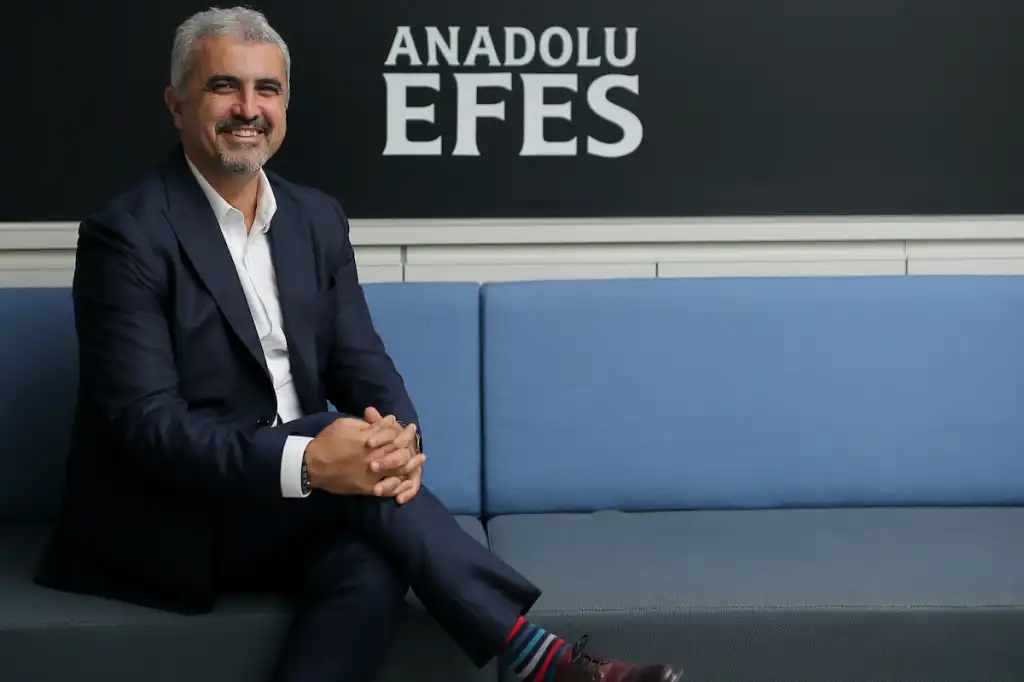

Sabina Ewing是雅培(Abbott)全球首席信息官兼副总裁。Ewing拥有超过20年的技术经验和与高级管理人员的出色业务合作记录,以对IT作为战略合作伙伴的角色和顶线和底线结果的推动者充满热情而闻名。
Ewing是一位完美的学习者和教师,她关注人才这一方面。这并不奇怪,因为她在职业生涯早期曾休息一年,在南布朗克斯的一所公立学校教五年级。当我们在CIO的未来工作峰会上坐下来聊天时,尤因分享了她对大辞职的看法,疫情如何改变了我们的工作方式,以及如何成为人才磁石。她还公开了自己的领导力剧本,分享了首席信息官们在21世纪商业中技术角色方面应该思考的一些事情。
一、疫情如何像“Digital Defibrillator”一样震惊了整个系统
我称它为”Digital Defibrillator“,因为疫情确实加速了人们的数字转型之旅。你们在疫情前的数字化转型中所处的位置表明了它对你们的系统造成了多大的冲击。这不仅仅是在组织层面;这也是在行业层面。因此,我看到技术的作用因大流行而大大加快,几乎是增压,这真的要求我们有前瞻性的思维,寻找新的方法来工作和完成工作。
我们都想同时解决这个问题但是没人知道应该怎么解决。我们必须在整个过程中迅速学习如何在企业中实现数字化转型。所以,关于“digital defibrillator”,当疫情来袭时,你有没有一个数字策略?你有没有想过远程工作,可以随时随地使用任何设备?现在你要学会如何让它发挥作用。现在你必须考虑如何为你的客户服务,你将如何在数字领域做到这一点?在虚拟世界里?
二、这种对系统的冲击也影响着组织文化,就文化和新的工作环境而言,你最关心的是什么?
当然,你会考虑灵活性和混合工作环境是什么样子的,但我特别关心的是协作是什么样子的,因为这是创新的关键部分,也是组织成功的原因。因此,我认为我们真的必须思考如何实现创新,推动你的业务向前发展。因为技术还没有发展到我们在面对面工作中所经历的那种协作类型,但同时我们知道我们必须以不同的方式来做。
你还必须考虑如何忠实于公司的价值观。我对雅培和我们的领导层感到非常自豪的一件事是,从我们的首席执行官开始,我们都说过,这就是我们,我们都想忠于的东西。这包括我们的使命、我们的目标,以及我们对合作与创新的重视。
与此同时,这也意味着要认真思考成为雅培的同事意味着什么。这种体验是什么样的?我们怎样才能完成工作呢?没有什么灵丹妙药,但是把你是谁、你将如何推动创新,以及你想为你的同事和员工提供什么样的文化和体验作为中心是非常重要的。
三、现在每个首席信息官都在关注人才,大辞职、紧张的劳动力市场、远程工作,以及其他一些因素,造就了现在的员工市场。你能谈谈你对人才留住的看法吗?
就人才争夺战而言,这是一个员工市场,但无论如何,作为领导者,你要确保你考虑的是那些推动和执行战略的人,那些在组织中实现战略的人。能够说出来是非常重要的,这是他们的价值主张。
但同时,这也是一种功能,只要我有你,对你来说这种经历是什么样的?我可能会让你呆上两年,五年,甚至十年,但无论多长时间,我们都必须考虑到这是什么样子。就我们所创造的环境类型而言,我把人放在我们将要做的事情的基础上。我的崇高目标就是为人们创造最好的工作环境。
四、对于管理着大量人员并试图留住他们的首席信息官和技术领导者,甚至是那些考虑跳槽的技术人员,您有什么建议?
不管你的客户是2年、5年、甚至35年,你都需要让他们与品牌产生联系。这不仅仅是薪酬问题。薪酬待遇固然重要,但人们更希望找到令人满意的、有影响力的工作,这样可以促进他们的职业发展。当你这样做的时候,你就创造了一个人们更有可能留下来的环境。如果他们决定离开是因为他们认为另一边的草更绿,但后来意识到事实并非如此,他们可能更愿意回来。
五、为了让员工的体验独一无二,你们正在做些什么?
首先,我想对每一个从事技术工作的人说,帮助组织实现随时随地工作是非常重要的。说起来容易做起来难,但这是允许人们在如何创造不同体验方面所需要的灵活性的一部分。
第二点是着眼于整个人,而不是简单地想着朝九晚五。当我在安达信开始我的职业生涯时,我们有所谓的合伙人时间——只要合伙人在,你就得工作。那个时代正在结束。
我的方法是以结果为基础的,意思是,我们在做的工作中有固定的结果,所以你如何能够执行和交付,而不是我思考如何完成工作的传统结构。
另一个是我在我的组织内部成立的一个新的文化委员会。它不是由我或我的直接下属管理的。它由一群来自世界各地的同事管理,以便他们讨论重要的事情,讨论将使它成为一个多样化和包容的环境的事情,并考虑到他们的个人需求和满意度。
六、成为人才磁石对你来说意味着什么?
我提到过,技术是每一个领域的业务,而我们正处于一个临界点,技术人员可以帮助真正提升企业的敏锐度。据此,你会想知道你要为哪类公司工作。人们不仅想知道与产品相关的品牌(这是非常重要的),还想知道其他人对在雅培工作的看法。
那么,我如何创造一种体验,不管我和你在一起多久,我都在帮助你释放你的全部潜力?这部分是一个分压器和一个磁铁。未来所需要的技能和能力是什么——不仅是我们如何获得新的人才,还有我如何建立它,让人们知道我们在投资他们,并为他们过渡到新的领域做好准备,让他们对学习和成长感到满意。当我想到人才品牌时,它不仅仅是吸引;这也是发展和保留。
领导业务意味着用你的技术专长来提升整个组织的敏锐度。对我来说,这是20世纪IT和21世纪技术专家之间的巨大区别。这就是为什么人才是我们战略的第一支柱。
原文:
Sabina Ewing is Global CIO and Vice President of Business & Technology Services (BTS) at Abbott. With more than 20 years of technology experience and an exceptional record of business partnership with senior executives, Ewing is known for being passionate about IT’s role as a strategic partner and enabler of top-line and bottom-line results.
A consummate learner and teacher, Ewing leads with a focus on the human side of the technology equation, which isn’t surprising when you consider she took a year off early in her career to teach fifth grade at a public school in the South Bronx. When we sat down for a chat during CIO’s Future of Work Summit, Ewing shared her perspectives on The Great Resignation, how the pandemic has changed the way we work, and what it takes to be a talent magnet. She also opened up her leadership playbook to share some of the things CIOs should be thinking about in terms of technology’s role in 21st century business. What follows are highlights from that conversation. (Watch the full interview embedded below.)
Dan Roberts: You talk about how the pandemic shocked the system like a “digital defibrillator.” What do you mean by that?
Sabina Ewing: I call it a digital defibrillator because the pandemic really accelerated people on their journey of digital transformation. Where you were in your digital transformation pre-pandemic is indicative of how much of a shock it was to your system. And that’s not just at the organizational level; it’s also at the industry level. So, I see the role of technology being accelerated substantially, almost supercharged, by the pandemic. And it really requires us to be forward thinking, to look for new ways of how we’re going to work and get things done.
No one’s figured it out. We’re all trying to solve it at the same time. And we’re going to have to learn quickly through the process of how we’re going to enable that digital transformation in the enterprise. So, with the digital defibrillator, when the pandemic hit, it was about, do you have a digital strategy? Did you think about remote work, anytime, anyplace, any device? Now you’re going to have to learn how to make that work. And now you’re going to have to think about how you serve your customers. How are you going to do that in the digital realm? In the virtual realm?
That shock to the system is also impacting organizational culture. What are you most concerned about in terms of culture and this new world of work?
Naturally, you’re going to be considering flexibility and what the hybrid work environment looks like, but I’m particularly concerned with what collaboration looks like because that’s a key piece of innovation and how organizations have been successful. So, I think we’re really going to have to think about how you enable the innovation that drives your business forward. Because the technologies haven’t necessarily evolved to enable the same type of collaboration that we’ve experienced in our in-person work, but at the same time we know we have to do it differently.
You also have to think about how you stay true to your values as a company. One of the things I’m really proud of about Abbott and our leadership, starting from our CEO down, is we said, this is what we are and what we all want to stay true to. And that includes our mission, our purpose, and our emphasis on collaboration and innovation.
At the same time, it’s about really being thoughtful about what it means to be an Abbott colleague. What does that experience look like? How are we going to get our work done? There’s no silver bullet, but having that center about who you are and how you’re going to drive innovation and what culture and experience you want for your colleagues and employees is really important.
Every CIO is concerned about talent right now. The Great Resignation, a tight labor market, and remote work, among other things, have created an employee’s market right now. Can you talk a bit about your perspective on talent retention?
It is an employee market in terms of the war for talent, but irrespective of that, as a leader, you want to make sure that you’re thinking about the folks who drive and execute on the strategy, the folks who make it happen in the organization. It’s really important to be able to say, here’s what the value proposition is for them.
But also, it’s very much a function of, as long as I have you, what does that experience look like for you? I’ll likely have you two, five, or ten years, but no matter how long it is, it’s going to be really important that we think about what that looks like. I put people at the foundation of what we’re going to do in terms of the type of environment we create. My whole noble goal is that we create the best place for people to work.
What is your advice for CIOs and technology leaders who are managing a lot of people and trying to retain them, or even for those technologists considering a move?
Regardless of whether you have a person for two, or five, or even 35 years, you need to make it an experience where they’ve connected to the brand. And it’s not just about compensation. The compensation package is important, but people are looking for satisfying, high-impact work where they can develop their careers. When you do that, you’re creating an environment where people are more likely to stay. And if they decide to leave because they think the grass is greener on the other side, but then realize it’s not, they may be more likely to want to come back.
What are some of the things you’re doing to make the employee experience unique?
First, I’d say to every person who’s in technology, it’s really important to help the organization enable anytime, anyplace working. It’s easier said than done, but that’s part of allowing for the flexibility folks need in terms of how you create a different experience.
The second piece is looking at the whole person and not just simply thinking about nine to five. When I started in my career at Arthur Andersen, we had what we call the partner hours — as long as the partners are there, you are going to be working. That era is ending.
The way I’m approaching it is outcomes-based, meaning, there are set outcomes that we have in the work that we’re doing, so how are you then able to execute and deliver, versus me thinking about traditional constructs of how your work is done.
The other piece is a new culture committee I started within my organization. It’s not run by me or one of my direct reports. It’s run by a group of colleagues from around the world in order for them to talk about the things that matter, the things that will make it a diverse and inclusive environment, and one that is thoughtful of their personal needs and satisfaction.
What does it mean to you to be a talent magnet?
I mentioned that technology is the business in every domain. nd we are in a liminal phase where technologists can help really uplift the acumen of an enterprise. As a function of that, you want to know what type of company you’re going to work for. People want not only to know about the brand relative to the product, which is extraordinarily important. But also what other people have to say about working at Abbott.
So, how do I create an experience that, irrespective of how long I have you. I am helping you to unleash your full potential? That part of it is a differentiator and a magnet. What are the skills and capabilities that are needed going forward—. Not only how do we acquire new talent, but how do I build it so that people know we’re investing in them and positioning them to transition into new areas so they feel that satisfaction of learning and growth. When I think of talent brand, it’s not only attract; it’s also develop and retain.
Leading the business means bringing your technical expertise to lift the acumen of the entire organization. That, to me, is a massive differentiator between 20th century IT and 21st century technologists. And that’s why talent is the first pillar in our strategy.
本文由数字化转型网翻译而成,作者:Dan Roberts;翻译:数字化转型网郑亚茹;审核翻译:数字化转型网默然。

免责声明: 本网站(http://www.szhzxw.cn/)内容主要来自原创、合作媒体供稿和第三方投稿,凡在本网站出现的信息,均仅供参考。本网站将尽力确保所提供信息的准确性及可靠性,但不保证有关资料的准确性及可靠性,读者在使用前请进一步核实,并对任何自主决定的行为负责。本网站对有关资料所引致的错误、不确或遗漏,概不负任何法律责任。
本网站刊载的所有内容(包括但不仅限文字、图片、LOGO、音频、视频、软件、程序等) 版权归原作者所有。任何单位或个人认为本网站中的内容可能涉嫌侵犯其知识产权或存在不实内容时,请及时通知本站,予以删除。