在当今数字时代,企业需要紧跟技术的脚步,利用信息化、数字化、智能化和精益管理等工具和方法来推动高效发展。这四个概念之间存在着紧密的关系和相互促进,为企业创造了巨大的机遇和竞争优势。
信息化是将信息技术应用于企业的各个领域和业务流程中,以实现信息的高效管理和应用。举个例子,一个零售企业通过建立电子商务平台、ERP系统和智能库存管理系统,实现了销售数据的实时监控和分析,从而优化了库存管理、提高了交付效率,进一步满足了客户的需求。 数字化转型网www.szhzxw.cn
数字化,它是将各种信息和业务转化为数字形式,以实现更高效、智能的处理和利用。例如,一个快递物流公司引入了数字化系统,将订单信息、配送路线和货物追踪等数据进行数字化管理,实现了自动化分拣、实时跟踪和准时派送,提升了物流效率和客户满意度。
智能化是数字化的进一步发展,通过应用人工智能、机器学习和自动化等技术,使系统具备自主学习、适应和优化的能力。以智能制造为例,企业通过引入智能机器人、自动化生产线和智能监控系统,实现了生产过程的智能化和自动化控制,提高了产品质量、降低了生产成本。
精益管理作为一种基层的管理理念和方法,贯穿于整个组织,通过消除浪费、提高效率和质量,实现资源最大化利用。在企业的数字化、智能化转型过程中,精益管理扮演着重要的角色。它与信息化、数字化和智能化相辅相成,共同推动企业的高效发展。通过精益管理的应用,企业能够不断提高流程效率、降低成本、增强质量,并实现持续的改进。 数字化转型网www.szhzxw.cn
精益生产与数字化的关系:
第一、精益管理是数字化转型的基础
精益改善的本质就是将一条湿毛巾不断拧干的过程,那些被挤出来的“水份”就是各种浪费,是企业提质、降本、增效的空间。也就是通过精益的管理来提升整个制造系统的精干程度,得到业务流程的最佳实践方式,然后再用IT的手段把这些最佳实践固化到系统中去,从而获得稳定且可持续的高质量输出。为今后的持续改进提供坚实基础,最终实现精益成效的最大化。
反之,在没有进行精益化改造的前提下,直接上马昂贵的信息化和数字化系统,相当于把包含大量浪费的问题流程和作业以软件方式固化了下来,不仅不能消除原有的浪费,反而还造 成更大的浪费,丧失了管理改善的机会。
第二、数字化助力精益管理持续升级
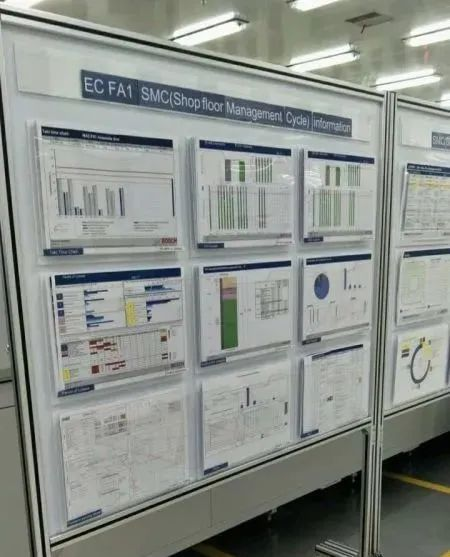
在数字化转型的大背景下,精益的管理方法也在不断“升级”,可以利用数字化工具持续优化,包括标准化、可视化。 数字化转型网www.szhzxw.cn
这一点,中国的许多头部企业已起到了身先士卒的作用。虽然精益管理起源于日本的丰田公司,但许多日本企业在数字化方面的建树不如中国企业,他们还停留在比较原始的业务运行状态。
部分中国企业能将对企业经营有帮助的精益管理引进来,同时能发挥企业的优势在数字化方面加大投入,建立起了更为现代化、数字化的业务运行状态,更大程度地提高经营效率及经营质量,可以讲是青出于蓝,而胜于蓝。
精益生产与数字化是相辅相成的,本质都是为了帮助企业更好的管理,提高业绩,降低成本,但前提是最好让精益生产先落地。 数字化转型网www.szhzxw.cn

翻译:
What is the relationship between informatization, digitalization, intelligence and lean management
In today’s digital age, enterprises need to keep up with the pace of technology and use tools and methods such as informatization, digitalization, intelligence and lean management to promote efficient development. There is a close relationship and mutual promotion between these four concepts, which creates huge opportunities and competitive advantages for enterprises.
Informatization is the application of information technology in various fields and business processes of enterprises to achieve efficient management and application of information. For example, a retail enterprise through the establishment of e-commerce platform, ERP system and intelligent inventory management system, to achieve real-time monitoring and analysis of sales data, so as to optimize inventory management, improve delivery efficiency, and further meet customer needs.
Digitization is the conversion of various information and business into digital form for more efficient and intelligent processing and utilization. For example, a Courier logistics company introduced a digital system to digitally manage order information, delivery routes and cargo tracking data to achieve automated sorting, real-time tracking and on-time delivery, improving logistics efficiency and customer satisfaction. 数字化转型网www.szhzxw.cn
Intelligence is the further development of digitalization, through the application of artificial intelligence, machine learning and automation and other technologies, so that the system has the ability to learn, adapt and optimize. Taking intelligent manufacturing as an example, enterprises realize the intelligent and automatic control of the production process by introducing intelligent robots, automated production lines and intelligent monitoring systems, improving product quality and reducing production costs.
As a grass-roots management concept and method, lean management runs through the entire organization to maximize the utilization of resources by eliminating waste, improving efficiency and quality. In the process of digital and intelligent transformation of enterprises, lean management plays an important role. It complements information, digitization and intelligence, and jointly promotes the efficient development of enterprises. Through the application of lean management, enterprises can continuously improve process efficiency, reduce costs, enhance quality, and achieve continuous improvement. 数字化转型网www.szhzxw.cn
The relationship between lean production and digitalization:
First, lean management is the foundation of digital transformation
The essence of lean improvement is the process of constantly wring out a wet towel, and the “water” that is squeezed out is a variety of waste, which is the space for enterprises to improve quality, reduce cost and increase efficiency. That is, through lean management to improve the entire manufacturing system’s lean degree, get the best practices of business processes, and then use IT means to solidify these best practices into the system, so as to obtain stable and sustainable high-quality output. Provide a solid foundation for continuous improvement in the future, and ultimately maximize lean results.
On the contrary, without the premise of lean transformation, directly embarking on expensive information and digital systems is equivalent to solidifying problem processes and operations that contain a lot of waste in the form of software, which not only cannot eliminate the original waste, but also create greater waste and lose the opportunity for management improvement.
Second, digitalization helps lean management continue to upgrade
In the context of digital transformation, lean management methods are also constantly “upgrading” and can be continuously optimized using digital tools, including standardization and visualization.
In this regard, many leading enterprises in China have played a leading role. Although lean management originated from Toyota in Japan, many Japanese enterprises are not as successful in digitization as Chinese enterprises, and they still stay in the relatively primitive business operation state.
Some Chinese enterprises can introduce lean management that is helpful to enterprise operation, and at the same time, they can exert their advantages to increase investment in digitalization, establish a more modern and digital business operation state, and improve operation efficiency and management quality to a greater extent. It can be said that they are better than blue, but better than blue.
Lean production and digitalization are complementary to each other, and the essence is to help enterprises better manage, improve performance and reduce costs, but the premise is that it is best to let lean production land first. 数字化转型网www.szhzxw.cn
本文由数字化转型网(www.szhzxw.cn)转载而成,来源于灯塔工厂;编辑/翻译:数字化转型网宁檬树。
免责声明: 本网站(http://www.szhzxw.cn/)内容主要来自原创、合作媒体供稿和第三方投稿,凡在本网站出现的信息,均仅供参考。本网站将尽力确保所提供信息的准确性及可靠性,但不保证有关资料的准确性及可靠性,读者在使用前请进一步核实,并对任何自主决定的行为负责。本网站对有关资料所引致的错误、不确或遗漏,概不负任何法律责任。
本网站刊载的所有内容(包括但不仅限文字、图片、LOGO、音频、视频、软件、程序等) 版权归原作者所有。任何单位或个人认为本网站中的内容可能涉嫌侵犯其知识产权或存在不实内容时,请及时通知本站,予以删除。