

“有效的企业架构(Enterprise Architecture,EA)画出美好蓝图,对企业的生存和成功具有决定性的作用,是企业通过IT获得竞争优势的不可缺少的手段。”,作为目前应用度最为广泛的企业架构框架理论—TOGAF,提供了完善且不断优化迭代的知识体系以支持EA高效落地。
一、关于架构的思考
思考:如果不做架构规划,会带来什么问题?
系统烟囱式建设,系统边界模糊扯皮现象频发,系统重复建设,标准不统一,系统之间无法集成,阻碍创新
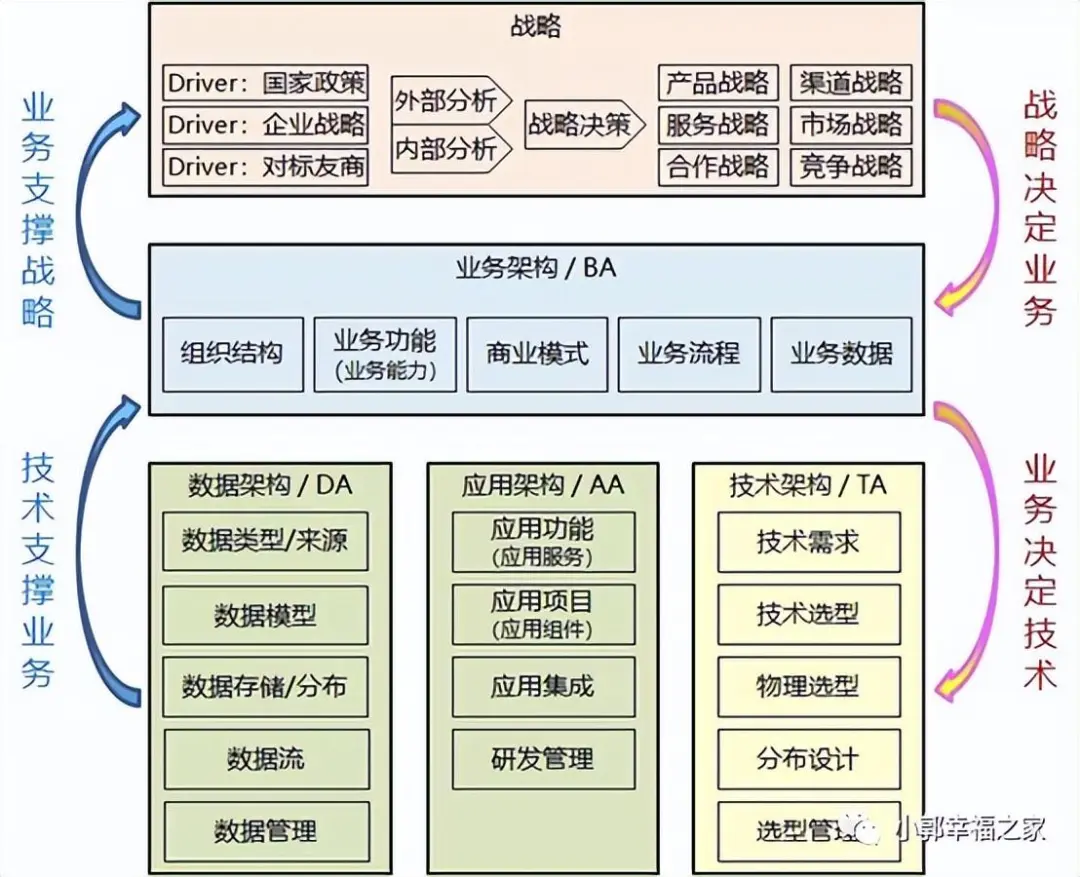
业务架构、数据架构、应用架构和技术架构是企业架构中的四个主要架构,它们在关注的方面和功能上有所不同,但是它们是相互关联和相互支持的,共同构成了企业的总体架构。在企业中台建设中,数据架构是核心,通过对企业的数据资源进行规划和设计,可以实现数据共享和数据治理,提高数据的价值和利用效率。
一个清晰的企业架构,如此才能保证业务流程的相互运转、信息化系统合理支撑、构建步骤有条不紊。企业架构是企业进行项目决策的重要依据,同时也是支撑企业后续发展的重要基石。
而数据分析人员更应该理解业务,全局把控,选择合适技术,解决关键问题、给出可落地实施的解决方案。 数字化转型网(www.szhzxw.cn)
TOGAF的架构模型:
- 为什么干——战略目标、业务动机
- 干什么——业务功能、业务能力
- 谁来干——组织结构、业务角色
- 怎么干——业务流程、业务规则
- 用到的数据——业务数据
- 用到的应用——应用系统
- 用到的技术——技术设施
二、企业架构之4A架构
4A架构关键词:
业务架构:战略,价值链,端到端,业务流程,业务组件,自上而下分解
应用架构:系统建设,系统集成,中台,自下而上抽象
技术架构:技术选型,框架,PaaS平台,云原生,DevOps,微服务,容器化,部署架构
数据架构:数据标准,数据采集加工,数据入湖,数据治理,数据共享服务,数据安全,数据质量,数据架构
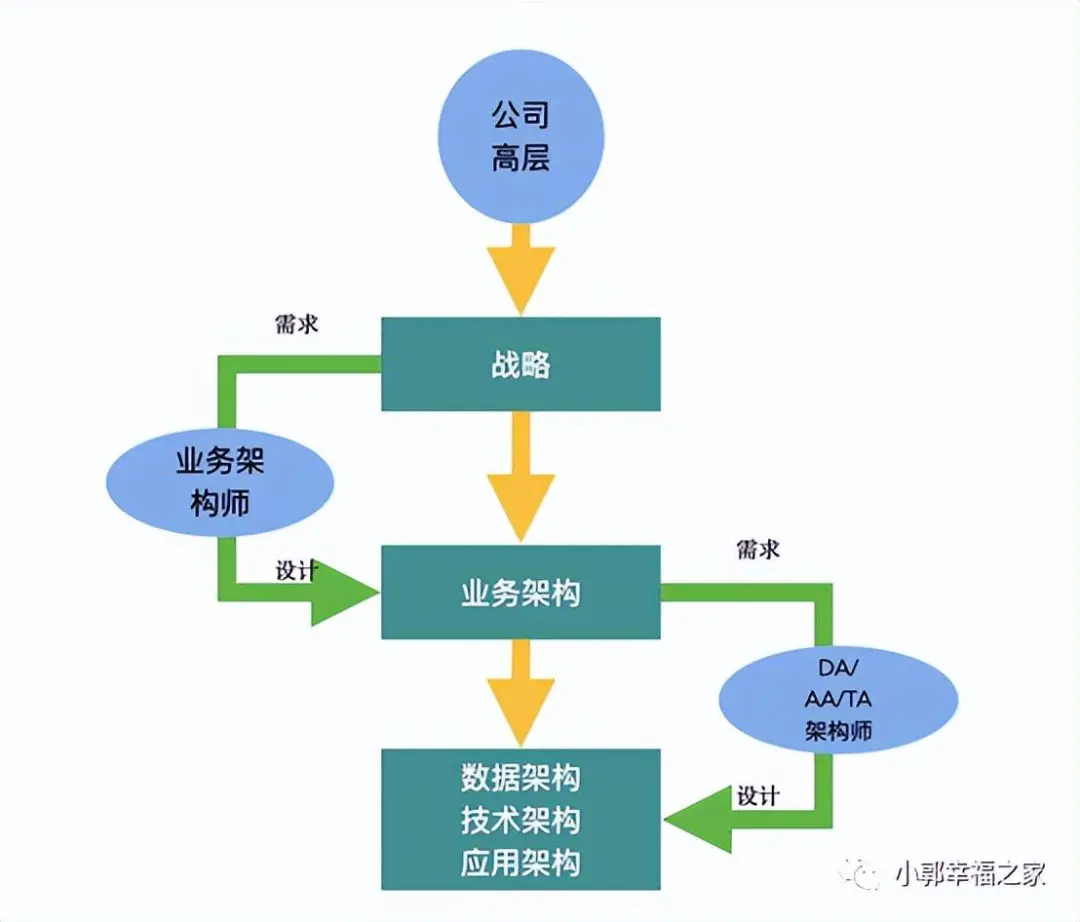
4A架构之间的关系如图:
三、什么是业务架构?
业务架构定义了业务策略、治理、组织和关键业务过程。是企业架构的核心内容,承接了企业战略,直接决定企业战略的实现能力,是其他架构领域工作的前置条件。主要目标是根据企业战略愿景,分析业务现状,识别现有业务能力及问题,提出业务改进需求,设计目标业务架构。项目在梳理AS-IS业务架构时,采用5W1H调研表调研信息,结合管理程序文件,依据业务组件归集原则,进行现状的组件梳理。同时在梳理业务组件的前提下,通过业务组件的串联形成流程图。
目的:
根据企业战略,以价值链梳理分析业务开展流程,识别上下游依赖关系,从业务和产品的视角,描述整个平台或者产品的实现。 数字化转型网(www.szhzxw.cn)
设计步骤:
- 识别战略,走访业务部门,问卷调查
- 外部因素,根据宏观背景(风口),行业空间(天花板),竞争情况(赛道),上下游产业链做规划
- 内部因素,根据商业模式,技术壁垒和资源投入进行规划
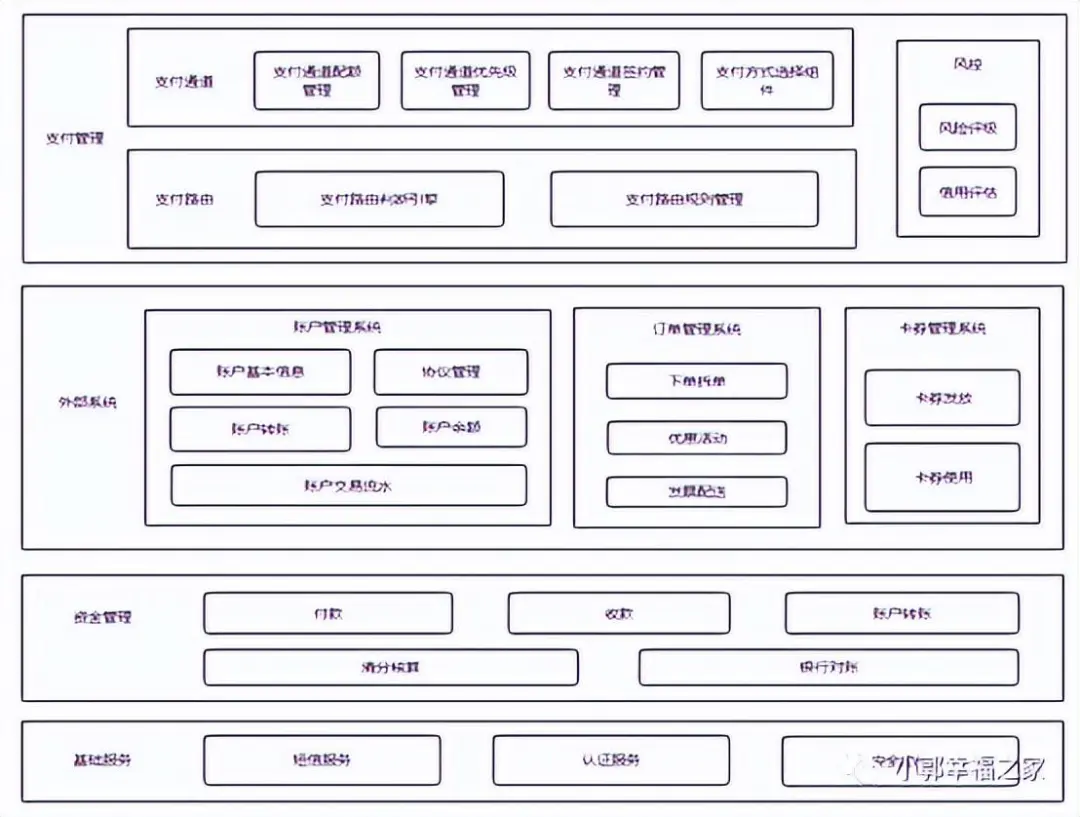
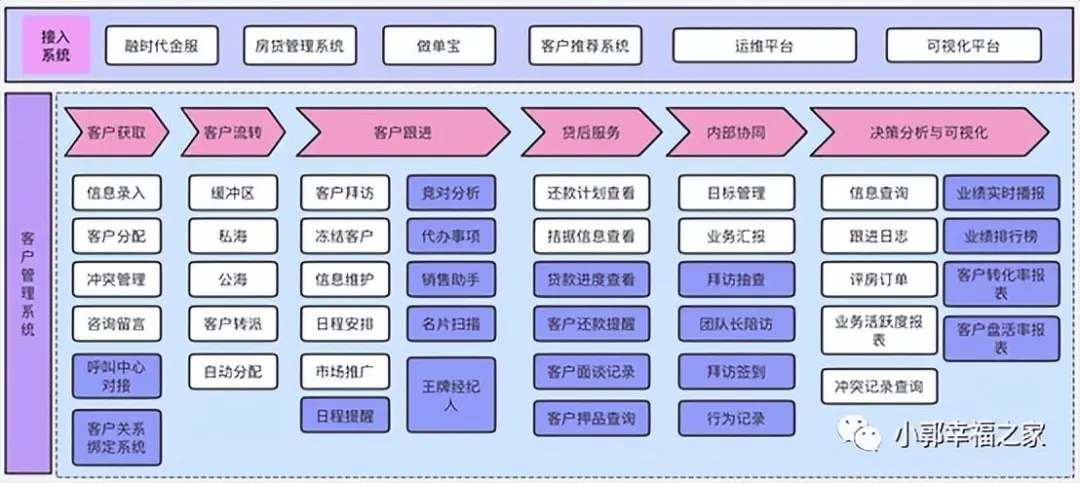
如何绘制业务架构图:
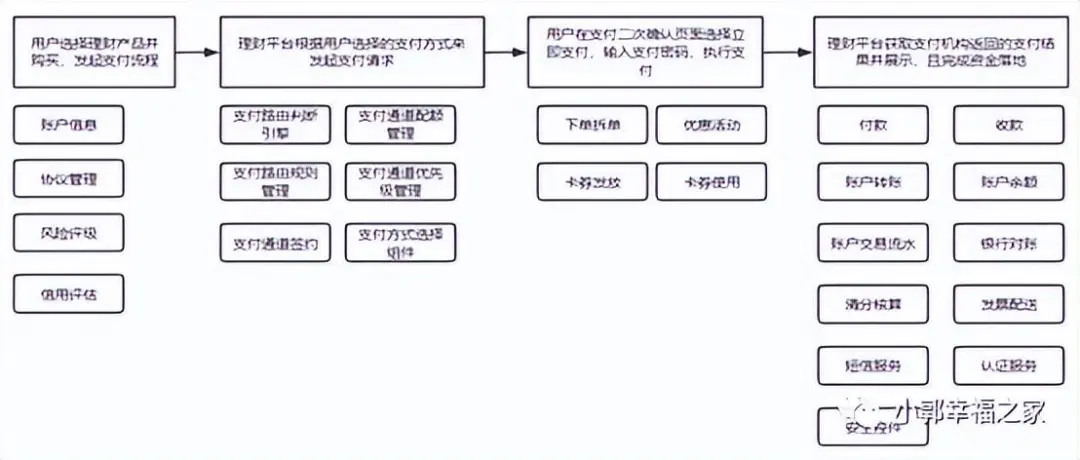
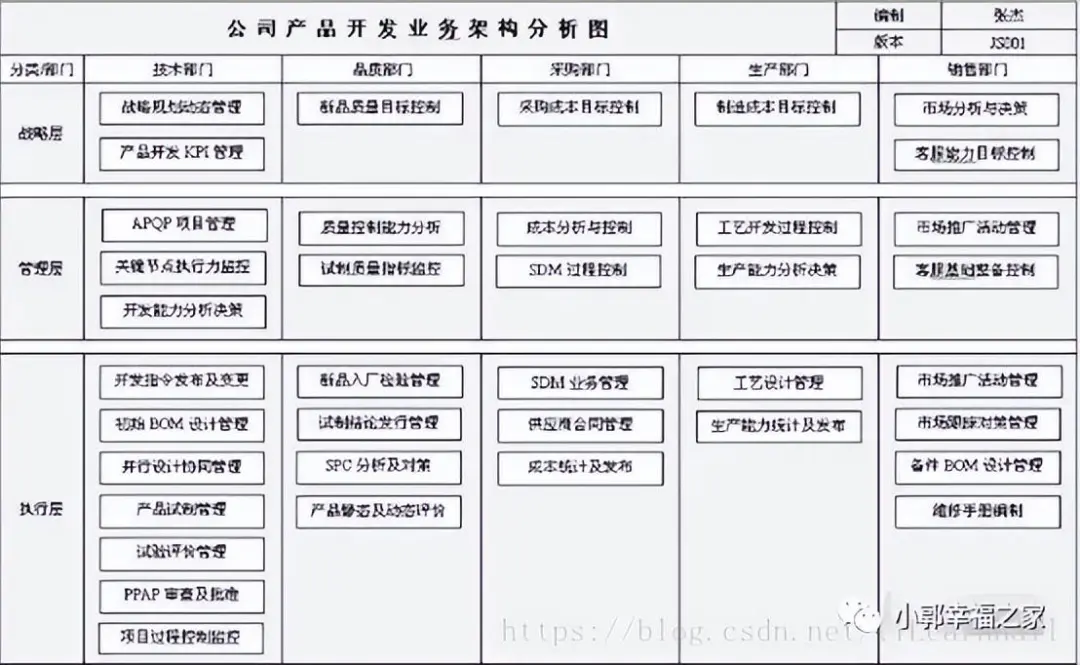
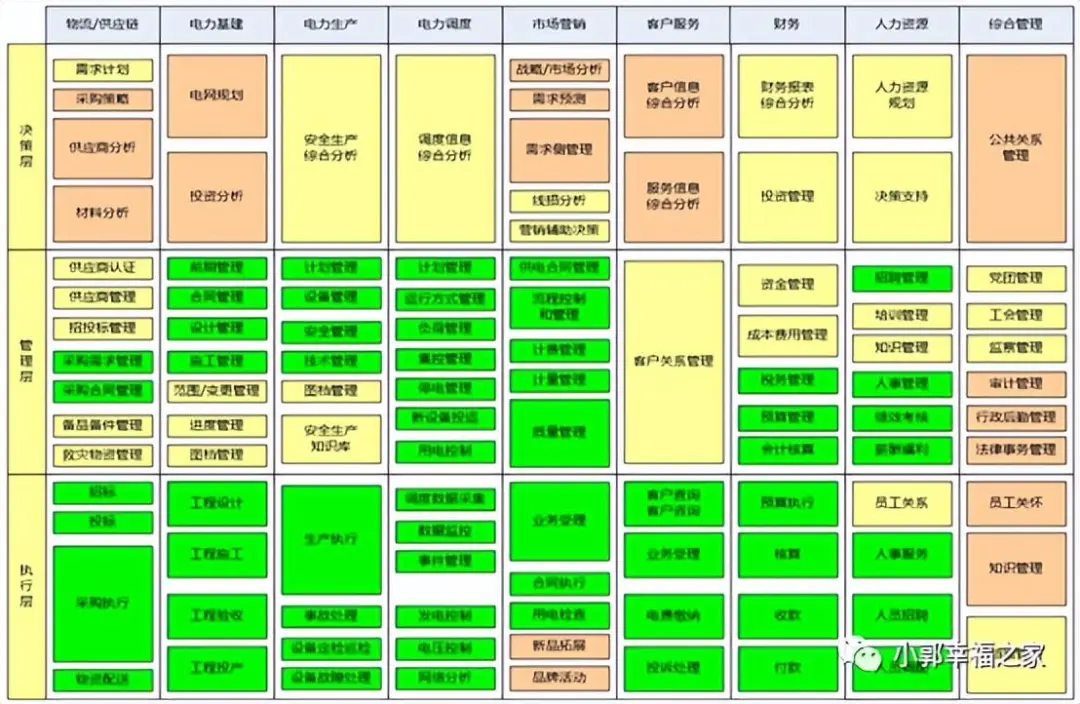
一理场景画流程,二列页面和模块,三把功能来聚类,四五纵横法上阵
A)根据用户操作流程,罗列功能模块
B)形成功能矩阵
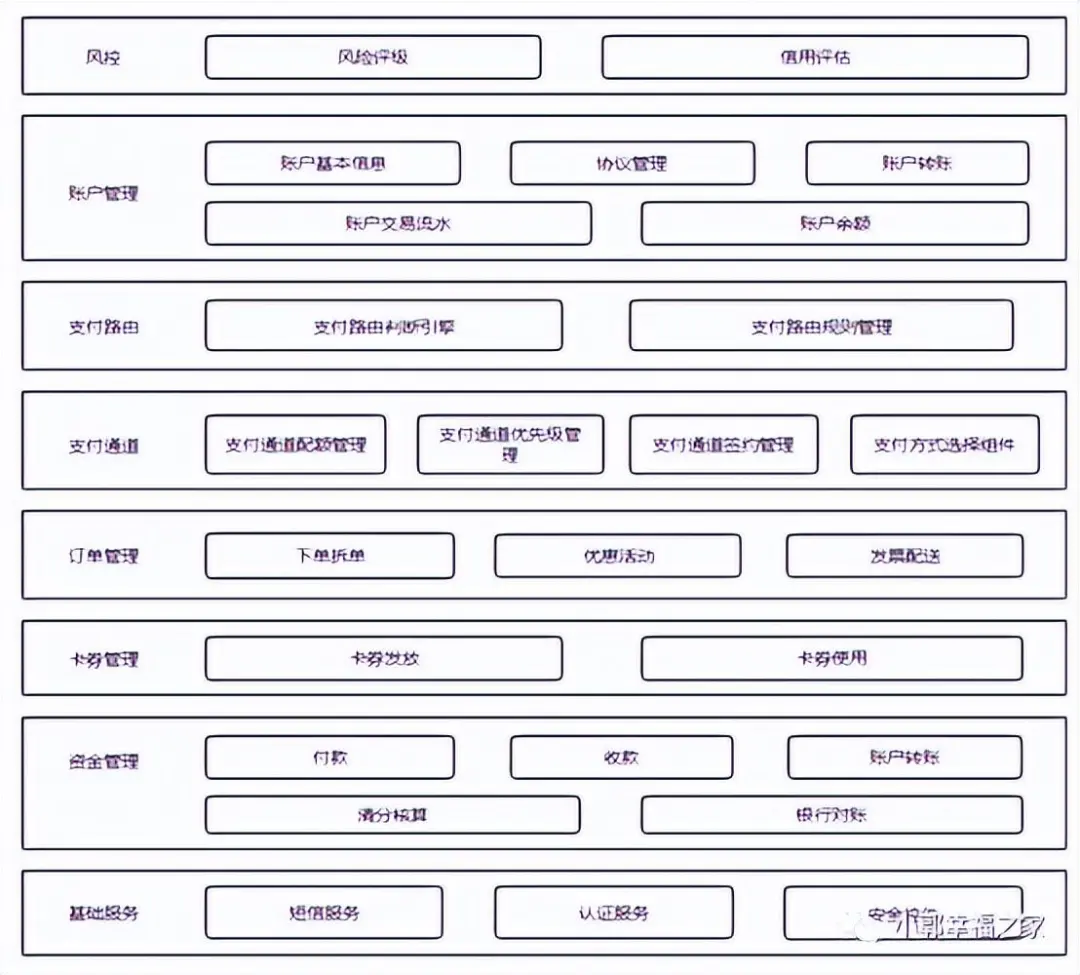
C)横向分层,纵向分层
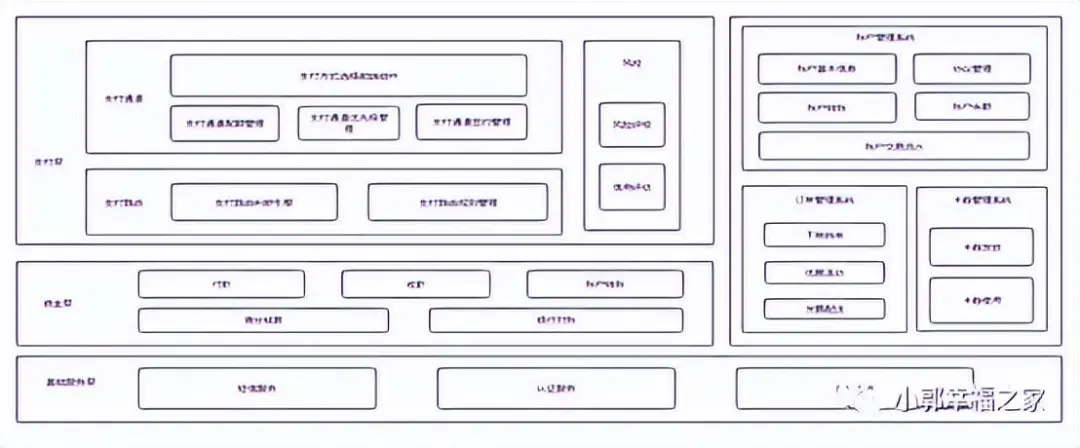
另一种业务架构画法参考:
四、什么是应用架构?
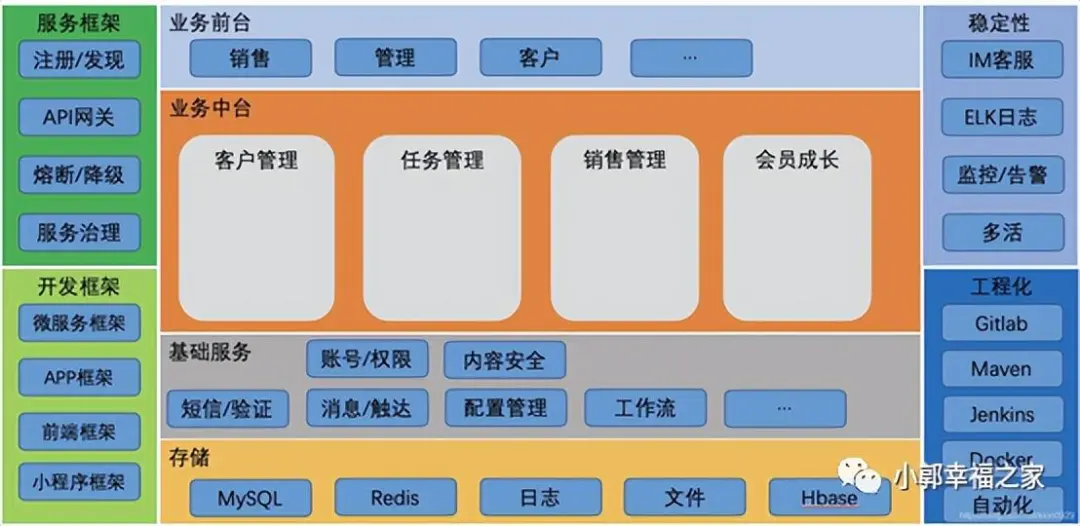
应用架构为要部署的单个应用系统、它们之间的交互和它们与组织的核心业务流程之间的关系提供蓝图。工作主要目标是根据企业现状应用架构需求及业务架构中的数据流分析结果,设计目标应用架构。应用架构的设计起源于5W1H业务调研表中的信息化需求,结合业务组件的五要素定义等,以及现有信息系统的建设情况梳理IT应用现状,通过分析得出现状应用架构。 数字化转型网(www.szhzxw.cn)
目的:
支持业务和数据处理需要哪些应用系统,完成从业务到IT的转换
设计步骤:
- 根据业务架构图,做业务到IT的转换,识别应用程序和组件 (上接业务)
- 优化应用程序和组件,该拆分就拆分,该聚合就聚合 (核心设计)
- 设计应用与业务功能,流程,数据的关系(核心设计)
- 设计应用集成,交互,开发 (下接开发)
如何绘制应用架构图:
五、什么是技术架构?
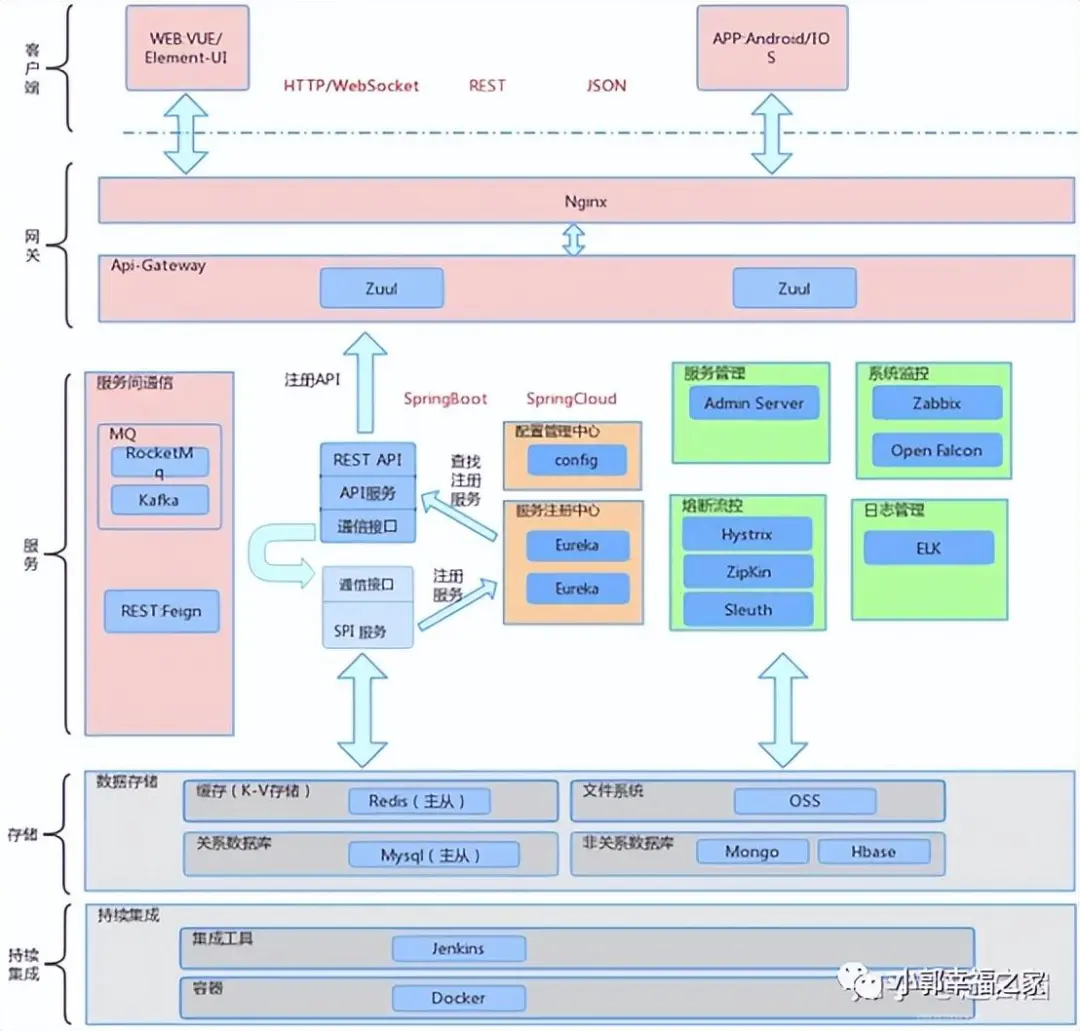
技术架构描述了需要支持业务、数据和应用服务的部署的逻辑软硬件能力,包括IT基础设施、中间件、网络、通信、流程、标准等。工作主要目标是基于现状技术架构、技术标准、业务/应用/数据架构要求,设计目标技术架构。梳理AS-IS技术架构,形成平台分解图和技术谱系目录。
目的:
支持应用系统所需的技术架构,技术组件,技术选型
设计步骤:
- 根据应用架构,进行技术支撑分析,识别技术支撑的必要条件
- 技术选型,包括开发架构,技术产品,开发技术栈,开发平台,运行平台
- 技术影响分析,成本,难易度,规划,治理
如何绘制技术架构图:
六、什么是数据架构?
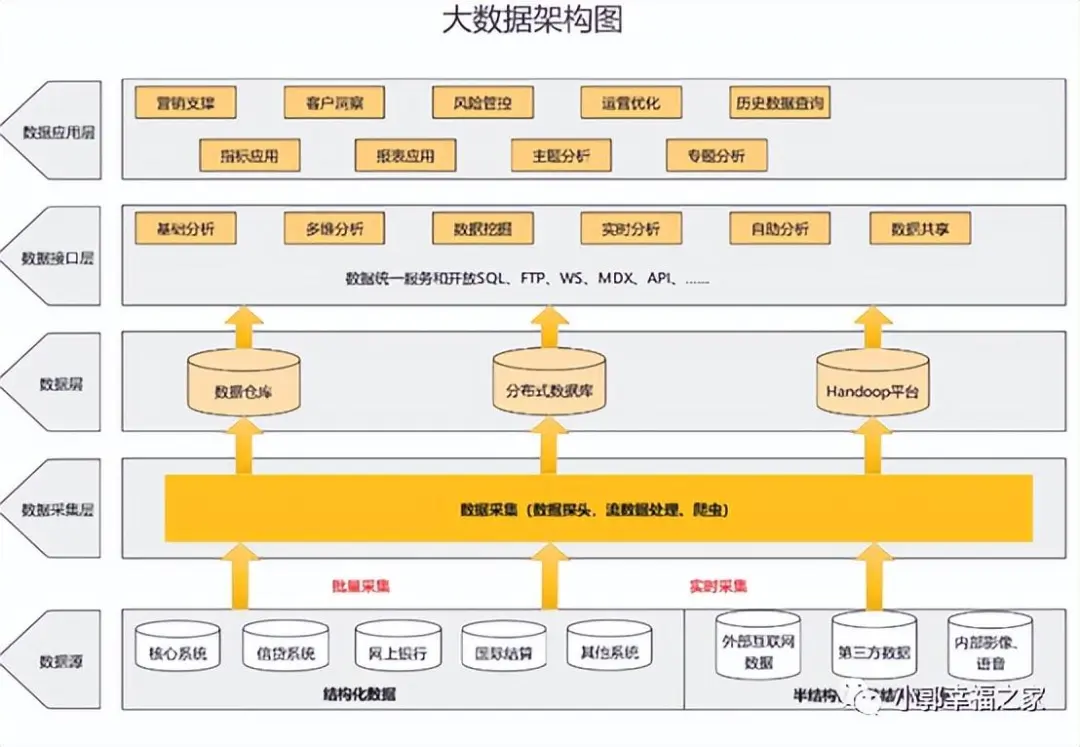
数据架构描述了企业逻辑物理数据资产和数据管理资源的结构。工作主要目标是根据企业现状数据架构需求及业务架构中的数据流转,设计目标数据架构。 数字化转型网(www.szhzxw.cn)
目的:
描述企业数据来源,数据资产管理,数据治理,数据共享开放
设计步骤:
- 上接业务,分析数据需求,识别数据类型,采集数据
- 数据模型设计,概念模型(识别业务域),逻辑模型(实体关系ER),物理模型(表字段)
- 数据治理,数据安全合规,数据质量管理
- 数据共享开放,支撑业务决策,业务创新
如何绘制数据架构图:
翻译:
Understand business architecture, application architecture, technology architecture, data architecture!
“An effective Enterprise Architecture (EA) is critical to the survival and success of an enterprise, and is an indispensable means for an enterprise to gain competitive advantage through IT.” As the most widely used enterprise architecture framework theory at present, TOGAF provides a perfect and constantly optimized iterative knowledge system to support the efficient implementation of EA.
1. Thinking about the structure
Think: What will happen if you don’t do architecture planning?
The chimney construction of the system, the phenomenon of fuzzy boundary of the system frequently, the system repeated construction, the standard is not uniform, the system cannot be integrated, and the innovation is hindered
Business architecture, data architecture, application architecture, and technology architecture are the four main architectures of enterprise architecture, which differ in terms of focus and function, but they are interrelated and mutually supportive, and together constitute the overall architecture of the enterprise. Data architecture is the core of enterprise middle desk construction. Through the planning and design of enterprise data resources, data sharing and data governance can be realized, and the value and utilization efficiency of data can be improved.
A clear enterprise architecture, so as to ensure the mutual operation of business processes, reasonable support of information systems, and orderly construction steps. Enterprise architecture is an important basis for enterprises to make project decisions, and it is also an important cornerstone to support the subsequent development of enterprises. 数字化转型网(www.szhzxw.cn)
Data analysts should understand the business, control it globally, choose the right technology, solve key problems, and give solutions that can be implemented.
TOGAF architecture model:
Why – strategic goals, business motivations
What – business functions, business capabilities
Who does it – organizational structure, business roles
How – business processes, business rules
Data used – business data
Application used – Application system
The technology used – the technical facilities
2. 4A structure of enterprise architecture
4A architecture keywords:
Business architecture: Strategy, value chain, end-to-end, business processes, business components, top-down decomposition
Application architecture: System construction, system integration, middle platform, bottom-up abstraction
Technology architecture: Technology selection, framework, PaaS platform, cloud native, DevOps, Microservices, Containerization, Deployment architecture
Data architecture: data standards, data acquisition and processing, data into the lake, data governance, data sharing services, data security, data quality, data architecture
The relationship between 4A architectures is shown as follows:
3. What is Business architecture?
Business architecture defines business policy, governance, organization, and key business processes. It is the core content of enterprise architecture, which undertakes enterprise strategy and directly determines the realization ability of enterprise strategy, and is a prerequisite for work in other architecture fields. The main objective is to analyze the current business situation, identify the existing business capabilities and problems, propose business improvement needs, and design the target business architecture according to the strategic vision of the enterprise. When sorting out the AS-IS service architecture, the project used the 5W1H survey table to investigate information, combined with the management program file, and sorted out the current status of the components according to the principle of service component collection. At the same time, on the premise of sorting out the business components, the flow chart is formed through the series of business components.
Purpose:
According to the enterprise strategy, analyze the business development process by the value chain, identify the upstream and downstream dependencies, and describe the realization of the entire platform or product from the perspective of business and product.
Design steps: 数字化转型网(www.szhzxw.cn)
Identify strategies, visit business units, conduct questionnaires
External factors, according to the macro background (tuyere), industry space (ceiling), competition (track), upstream and downstream industry chain planning
Internal factors, planning according to business model, technical barriers and resource input
How to draw a business architecture diagram:
One scene drawing process, two columns of pages and modules, three functions to cluster, four or five vertical and horizontal method
A) List function modules according to user operation process
B) Form a functional matrix
C) Horizontal stratification, vertical stratification
Another business architecture reference:
4. What is Application architecture?
An application architecture provides a blueprint for the individual applications to be deployed, their interactions, and their relationship to an organization’s core business processes. The main goal of the work is to design the target application architecture according to the current application architecture requirements of the enterprise and the data flow analysis results in the business architecture. The design of application architecture originated from the information requirements in the 5W1H business survey table, combined with the definition of five elements of business components and the construction of existing information systems to comb through the IT application status, and obtain the current application architecture through analysis.
Purpose:
Support which applications are needed for business and data processing, and complete the transformation from business to IT
Design steps: 数字化转型网(www.szhzxw.cn)
Do the business to IT transformation and identify applications and components based on the business architecture diagram (connecting the business)
Optimize applications and components, split as you go and aggregate as you go (core design)
Designing the relationship between applications and business functions, processes, and data (core design)
Design Application integration, interaction, development (development below)
How to draw an application architecture diagram:
5. What is the Technical architecture?
The technology architecture describes the logical hardware and software capabilities needed to support the deployment of business, data, and application services, including IT infrastructure, middleware, networking, communications, processes, standards, and so on. The main goal of the work is to design the target technical architecture based on the current technical architecture, technical standards, and business/application/data architecture requirements. Organize the AS-IS technology architecture, and form the platform decomposition diagram and technology pedigree catalog.
Purpose: 数字化转型网(www.szhzxw.cn)
Support the technical architecture, technical components and technology selection required by the application system
Design steps:
Based on the application architecture, perform technical support analysis and identify the necessary conditions for technical support
Technology selection, including development architecture, technology products, development technology stack, development platform, operation platform
Technical impact analysis, cost, difficulty, planning, governance
How to draw a technical architecture diagram:
6. What is Data architecture?
Data architecture describes the structure of an enterprise’s logical physical data assets and data management resources. The main goal of the work is to design the target data architecture according to the current data architecture requirements of the enterprise and the data flow in the business architecture. 数字化转型网(www.szhzxw.cn)
Purpose:
Describe enterprise data sources, data asset management, data governance, and data sharing openness
Design steps:
Connect services, analyze data requirements, identify data types, and collect data
Data model design, conceptual model (identification of business domain), logical model (entity relation ER), physical model (table field)
Data governance, Data security compliance, data quality management
Open data sharing, support business decision-making, business innovation
How to draw a data architecture diagram:
本文由数字化转型网(www.szhzxw.cn)转载而成,来源于谈数据;编辑/翻译:数字化转型网宁檬树。

免责声明: 本网站(http://www.szhzxw.cn/)内容主要来自原创、合作媒体供稿和第三方投稿,凡在本网站出现的信息,均仅供参考。本网站将尽力确保所提供信息的准确性及可靠性,但不保证有关资料的准确性及可靠性,读者在使用前请进一步核实,并对任何自主决定的行为负责。本网站对有关资料所引致的错误、不确或遗漏,概不负任何法律责任。
本网站刊载的所有内容(包括但不仅限文字、图片、LOGO、音频、视频、软件、程序等) 版权归原作者所有。任何单位或个人认为本网站中的内容可能涉嫌侵犯其知识产权或存在不实内容时,请及时通知本站,予以删除。