数字化转型网企业出海将关注品牌出海,全球化战略,合规与风控,供应链管理,数据保护与隐私安全,知识产权,税务,海外团队建设,海外运营,人力资源管理,组织管理等企业出海、全球化相关全产业链相关环节。点击图片或扫描图片二维码,加入数字化转型网企业出海研习社:
2022年,我国各类奶茶的消费量汇总正式突破了百亿大关。那一年,整个奶茶市场规模超1600亿人民币。到2023年,中国已经有了接近50万家奶茶店,3年时间在高基数的基础上又增长了43%。
如今一条街上同时出现好几家奶茶店的现象非常普遍,但行业的增长其实已经开始放缓。
据艾媒咨询预测,我国现制茶饮市场规模增速预计将从2023年的13.5%降至2025年的5.7%,以往动辄二三十元的奶茶产品,近期聚焦在10元上下的价格带打响价格战,似乎也印证了行业正在进入存量时代的现实。 数字化转型网(www.szhzxw.cn)
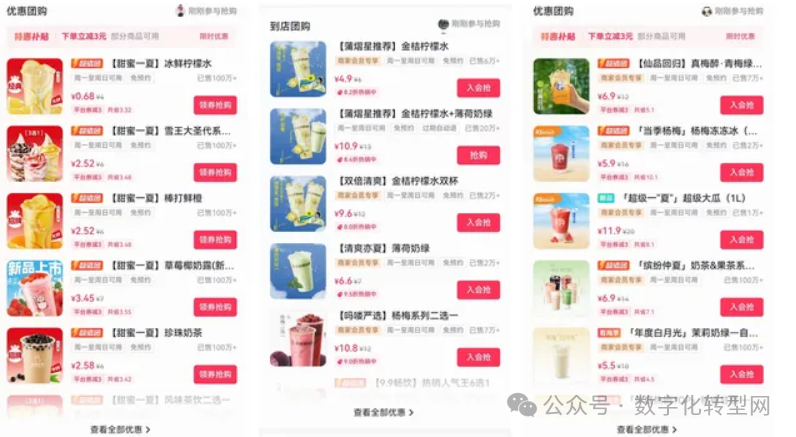
面对国内激烈的竞争,“东方茶饮”们开始在海外寻求第二增长曲线,蜜雪冰城、霸王茶姬、喜茶、奈雪等一众品牌或早或晚都已经开始在海外跑马圈地,
但“东方茶饮”们想在海外立足并不容易,在国内广受欢迎的乳茶和果茶不一定就合国外消费者的口味。就像肯德基们落地中国后接连改良口味、推出“中式小吃”一样,“东方茶饮”们也免不了需要因地制宜发展新产品,以留住海外顾客的味蕾。
一、扩张加速
三个重要区域。 数字化转型网(www.szhzxw.cn)
2023年,现制茶饮品牌明显加快了出海步伐:
8月,喜茶在英国、澳大利亚、加拿大等海外多个国家的核心商圈开出当地首店;
10月,茶百道在韩国首尔落地海外首店;
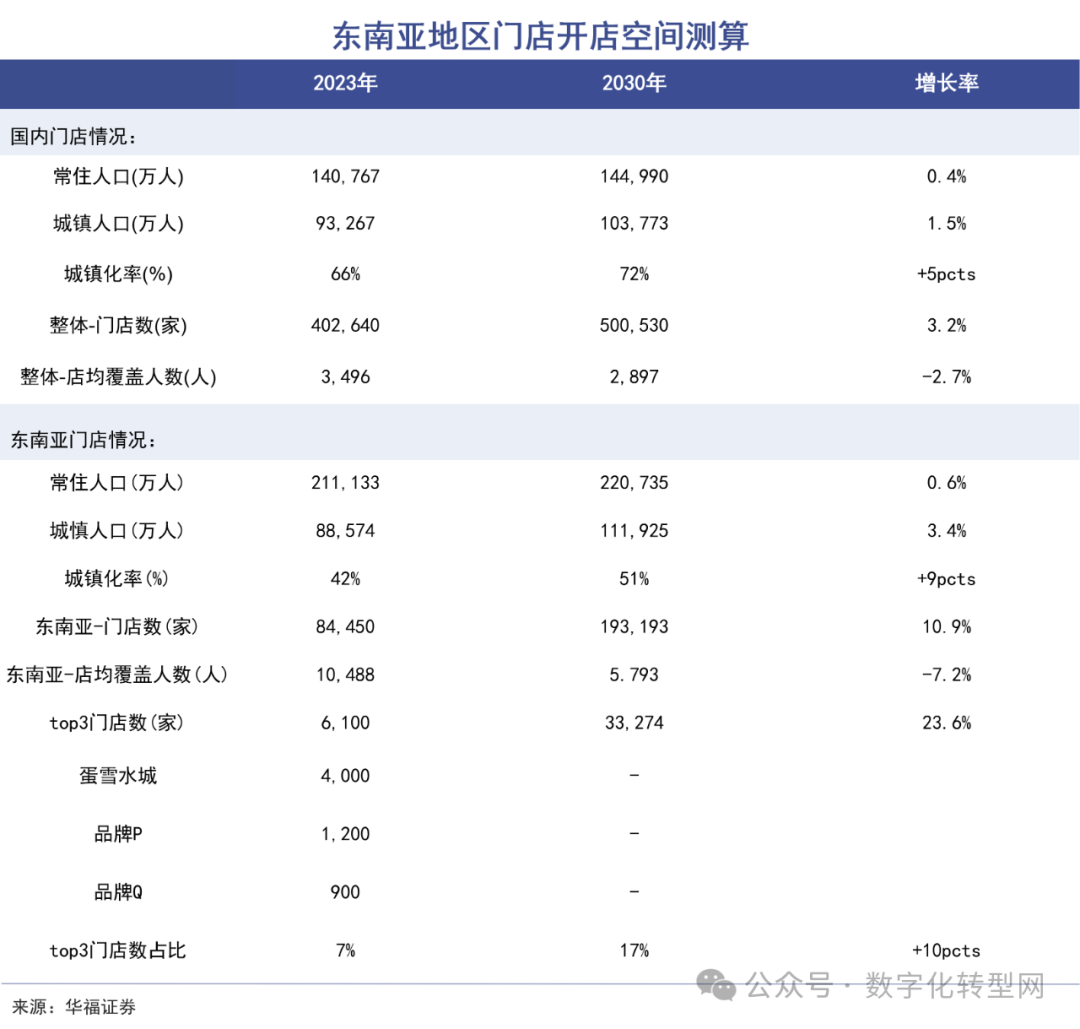
到年底,蜜雪冰城海外门店已经超过4000家,霸王茶姬海外门店超100家。这两家都是在2018年左右就开始布局海外市场,
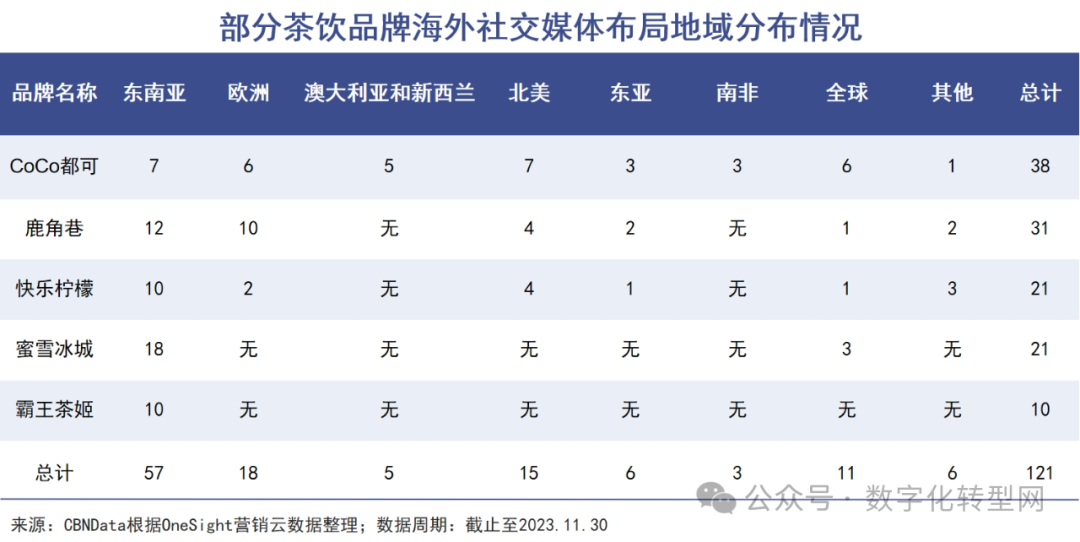
根据数据显示,东南亚是目前茶饮品牌出海的首选。根据茶饮品牌社交媒体的布局看,CoCo、鹿角巷、蜜雪冰城、霸王茶姬等品牌都将东南亚作为出海重镇,其次是欧洲和北美,除此之外,中东也成为部分茶饮品牌出海掘金的新目的地。
三大市场,打法各不相同。 数字化转型网(www.szhzxw.cn)
东南亚由于本身就有悠久的饮茶历史,加上当地年均30度以上的高温天气,在饮食文化和消费场景上都更加契合现制茶饮的推广和消费。据GrabFood 的调研数据显示,总人口超过6亿的东南亚平均每人每月要消费4杯奶茶,而且随着经济的增长,这一数据还有望继续增加。
于是,东南亚自然而然成为了各家茶饮品牌出海的首选目的地。2018年,蜜雪冰城将海外首店开在越南河内,2019年,霸王茶姬将马来西亚作为出海第一站,2023年底,奈雪的茶也重新进入东南亚市场,并在泰国开店。
合适的市场条件,加上中国茶饮业成熟的市场运营能力,最终为出海的奶茶品牌们带来了可观的营业额。
以泰国为例,根据公开信息,不少奶茶门店销售额能稳定在6000-8000元,毛利率能达到45%-52%,且选址好的门店生意也会更好。除了泰国外,包括印尼在内的多个国家和地区平均单店收益也较国内更好,如蜜雪冰城就在越南创下过“一小时卖出97杯”的成绩。
总体来看,东南亚市场与中国相似度最高,运营成本与风险也相对可控。出海品牌们在国内成熟的运营和拓店经验,也可以更顺畅地在当地复用。这些有利因素汇集在一起,让茶饮品牌在东南亚的成长便变得非常迅速。 数字化转型网(www.szhzxw.cn)
欧美市场是茶饮品牌出海的第二选择。
据Menusifu《美国奶茶市场报告》显示,2022年美国市场的茶饮消费量排名全球第四,仅次于有传统饮茶习惯的中国、印度和日本。
虽然欧美多数人没有饮茶的习惯,但当地人均消费力强,且城市步行街、商业街等形态丰富,为茶饮门店开设提供了有利的环境。 数字化转型网(www.szhzxw.cn)
2023年,欧洲现制饮品市场规模在5-6亿人民币,尚处于比较空白的状态,北美市场的发展则相对较快,2023年北美区域奶茶市场规模已达14亿美元,彭博更是预计北美奶茶市场总额将于10年内突破22亿美元。
近年,茶饮业的新老玩家们纷纷在欧美强势着陆,古茗去了意大利的托斯卡纳、CoCo在加拿大扩展店面,Comebuy、贡茶、日出茶太、鹿角巷、一芳等在欧洲掀起一波独立奶茶品牌的开店狂潮。
除了热门的东南亚和欧美外,中东也正在成为奶茶店们出海掘金的新目的地。
相比欧美市场,奶茶对于中东消费者而言并非完全陌生,中东人爱喝的“Karak tea”本身便是一种混合了茶叶与牛奶的饮品,这为中国奶茶打开中东市场奠定了一定的基础。另外,如今中国与中东的双边贸易发展良好,2023年双边贸易额超过4750亿美元,是中东的第一大贸易伙伴。
目前,中东奶茶市场发展的主要阻碍是当地华人占比过少,缺少消费者教育的土壤和“种子用户”,但良好的贸易态势有望促进华人流动,为这一较空白的市场带来新的机遇。
不少奶茶品牌最近在瞄准中东发力,2023年9月茉酸奶在迪拜开出首店,2024年1月贡茶与沙特Shahia食品集团签署特许经营协议,拟在中东开设300家门店,喜茶也开放了在阿联酋的合伙申请。在迪拜,一家奶茶店算上外卖一天平均可以卖出500杯。 数字化转型网(www.szhzxw.cn)
整体上看,中东地区虽然还处于市场开拓的初期,但前景还是相对可观。
二、落地难题
“中国的咖啡。”
然而,奶茶出海未必会有想象中那么美。
在“奶茶热土“东南亚,供给可能已经接近饱和了。在海外开满4000家店的蜜雪冰城,几乎布满了东南亚所有叫得上名字的城市。据越南中文网报道,一位当地蜜雪冰城的加盟商称,在最初的谈判中,品牌方代表表示加盟店之间会相距1-2公里,2022年新签合同时,这个距离已经缩短到200米。
另一方面,东南亚的本土品牌的奶茶品牌也在逐渐崛起。在印尼,走性价比路线的 Esteh Indonesia、被称为“印尼瑞幸”的咖啡品牌Kopi Kenangan,以及主要在首都一线商场开店的高端茶饮品牌Ban Ban等,都在逐渐占领当地奶茶市场份额,东南亚茶饮也正在变得越来越卷。
欧美市场上,口味和消费者习惯则成了主要矛盾。欧美人普遍更爱喝咖啡,而非奶茶。2022-2023年,欧盟和美国的咖啡消费量合计占全球的近50%,而整个亚洲和大洋洲加起来只达到22%。在亚洲市场,奶茶很大程度上代替了咖啡在欧美市场的作用,甚至已经有欧美消费者也将出海到国外的奶茶视为“中国的咖啡”。
如果细看奶茶在欧美国家的分布,会发现奶茶门店其实还是分布在华人比较密集的城市和街区,目标受众其实是以当地华人为主。在伦敦,御黑堂、幸福堂、CoCo、快乐柠檬、一芳、鲜芋仙等几乎全都聚集在当地的中国城内。 数字化转型网(www.szhzxw.cn)
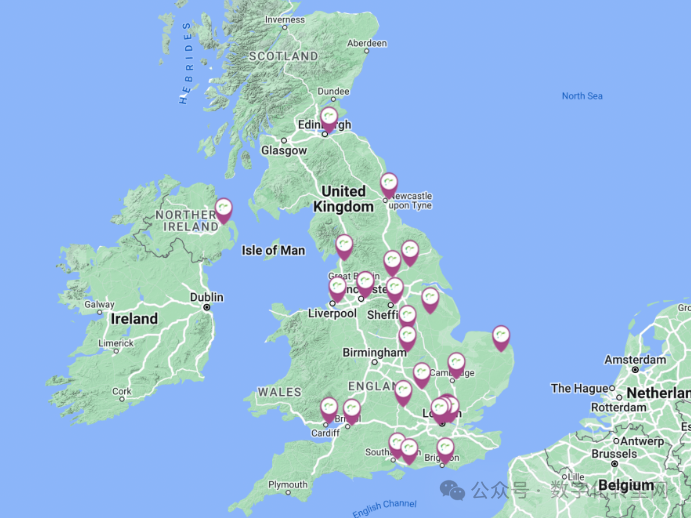
目前,奶茶品牌在欧美出海的策略主要还是抓住核心的华人用户,再想办法通过改良产品和消费者教育,在本土人群中实现突破。
奶茶出海,供应链和监管问题也是需要考虑清楚的问题。奶茶的原材料包括茶叶、奶制品、水果、糖和包装材料等,大部分茶饮品牌目前尚未在海外建厂,原材料需要从中国的各类供应商进口,运输带来的时间差导致部分产品经常无法及时供货。
东南亚市场由于地理位置距离中国较近,供应链问题相对容易解决,但中东和欧美等地区远离中国,对供应链建设的要求就高很多。这其实也是奶茶出海首选东南亚的重要原因。
也有一些奶茶店曾因监管遭受不小损失。日出茶太最初在美国开店时,从国内进口的原材料因合规问题遭到FDA扣押认证,两个月的认证结束后,物料虽被判定为合规,但却也因过期无法使用了。这次事件中,日出茶太损失了近500万元。 数字化转型网(www.szhzxw.cn)
三、学学肯德基?
适应性更强的本土化策略。
如何顺利落地海外市场,肯德基或许已经给中国茶饮公司们提供了一个很好的参考答案。
不同于麦当劳致力于宣传美国快餐文化的策略,肯德基在2004年就提出“立足中国,融入生活“的口号,可以说肯德基在中国的进化史,就是一个适应中国口味的过程。
肯德基在中国市场进行大量调研及分析,推出了一系列如吮指原味鸡等迎合国内年轻消费者口味的产品,此外,肯德基还在原有产品基础上不断改良研发一些如早餐粥、豆浆油条、川辣风味的嫩牛五方等独具中国特色的小吃,在中国一些传统节日时,肯德基还会相应推出端午粽子和鸡肉月饼………与本土文化的深入结合,让肯德基在经营的广度上已经远超其他洋快餐品牌。
同样,中式茶饮出海也要学会适应海外口味。
奶茶界的出海鼻祖BoBoQ于2010年在德国开店时,就根据当地人的口味,提高了以牛奶、酸奶和果汁为底的饮品数量,调高糖和冰的比例,并首创自助式调配珍奶的方法,以迎合欧洲人的习惯,这种方法至今也仍在欧洲奶茶界风靡。
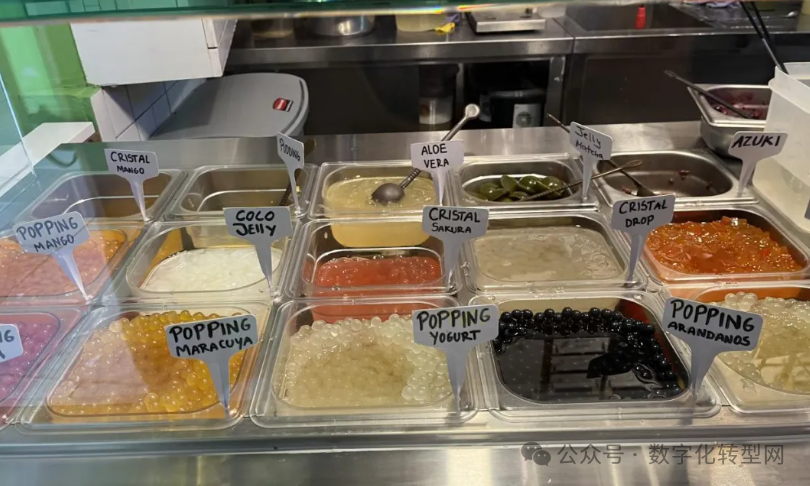
另外,喜茶在新加坡推出了咸蛋黄冰淇淋和榴莲冰淇淋,蜜雪冰城在东南亚根据当地人口味提升产品甜度等策略,也都为推动奶茶的本土化起到了一定的作用。
不过,这种类型的本土化恐怕和当初麦当劳宣传美国快餐文化的策略区别不大。要想真正扎根海外,应该更彻底地去学“肯德基模式”。
和肯德基为适应国内口味“中餐化”一样,奶茶品牌最直接有效的本土化方式,就是增加咖啡饮料的比重。
在中国市场,奶茶的销售量和消费频率早已大幅超过咖啡,现制茶饮中奶茶店占比达到77%。但在美国,喝奶茶仍旧是一个新兴风潮,美国奶茶店数量占比尚不足5%,且根据2022年美国饮品消费调查显示,美国消费者对汽水(18.7%)、咖啡(10.8%)、啤酒(9.9%)、饮用水(9.5%)的偏好均高于牛奶(7.8%)和茶水(5.4%)。 数字化转型网(www.szhzxw.cn)
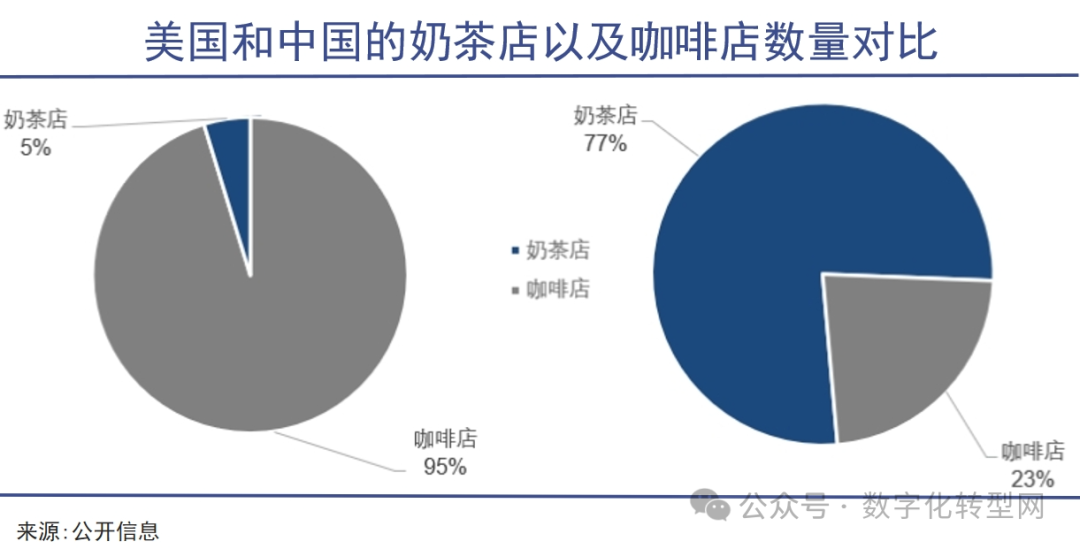
在这种情况下,与其花大力气教育当地消费者喝奶茶,不如直接适应消费者的现有口味。
中国茶饮们或许应该和肯德基当初在中国的本土化策略一样,去更深入地融入目标国家的市场。卖豆浆油条盖饭这种事,即便没有本地人的那么好吃,也显得很有诚意。
数字化转型网企业出海专题包含哪些内容
数字化转型网企业出海将关注品牌出海,全球化战略,合规与风控,供应链管理,数据保护与隐私安全,知识产权,税务,海外团队建设,海外运营,人力资源管理,组织管理等企业出海、全球化相关全产业链相关环节。
数字化转型网企业出海专题包含:
1、企业出海、全球化外脑支持:100+企业出海、全球化相关专家、100+企业出海、全球化实践者、1000+相关资料
2、企业出海、全球化研习社:与出海、全球化相关的专家、实践者共同探讨相关问题,推动企业全球化发展! 数字化转型网(www.szhzxw.cn)
3、典型案例参考:与数字化转型网企业出海、全球化研习社社员一起学习典型案例,共探企业全球化发展!




翻译:
A cup of tea is on the line
In 2022, the consumption of all kinds of milk tea in China has officially broken through the 10 billion mark. That year, the total size of the milk tea market exceeded 160 billion yuan. By 2023, there will be nearly 500,000 milk tea shops in China, an increase of 43% in three years from a high base.
It is now very common to have several milk tea shops on one street at the same time, but the growth of the industry has actually begun to slow down.
According to IIMedia Consulting forecast, China’s current tea market growth rate is expected to drop from 13.5% in 2023 to 5.7% in 2025, the past 20 or 30 yuan milk tea products, the recent focus on the price of 10 yuan or more to start a price war, seems to confirm the industry is entering the stock era reality. 数字化转型网(www.szhzxw.cn)
In the face of fierce domestic competition, “Oriental tea drinks” began to seek the second growth curve overseas, Misue Ice City, Bawang Tea, Xi tea, Nai snow and other brands have begun to run overseas sooner or later.
But it is not easy for “Oriental tea drinkers” to gain a foothold overseas, and milk tea and fruit tea, which are popular in China, may not suit the tastes of foreign consumers. Just as KFC has continuously improved its taste and launched “Chinese snacks” after landing in China, “Oriental tea drinkers” inevitably need to develop new products according to local conditions in order to retain the taste buds of overseas customers.
First, expansion is accelerating
Three important areas. 数字化转型网(www.szhzxw.cn)
In 2023, the current tea brands have significantly accelerated the pace of going to sea:
In August, Hicha opened its first store in the core business areas of many overseas countries such as the United Kingdom, Australia and Canada;
In October, Chabaido opened its first overseas store in Seoul, South Korea;
By the end of the year, Misue Ice City overseas stores have more than 4,000, Bawang Tea Ji overseas stores more than 100. Both of these companies began to layout overseas markets around 2018,
According to the data, Southeast Asia is currently the first choice for tea brands to go to sea. According to the layout of tea brands’ social media, CoCo, Antler Lane, Misue Ice City, Ba King Tea Ji and other brands have taken Southeast Asia as a major sea town, followed by Europe and North America, in addition, the Middle East has also become a new destination for some tea brands to explore the sea.
The three major markets have different playing methods.
Because Southeast Asia itself has a long history of tea drinking, coupled with the local average annual high temperature of more than 30 degrees, the food culture and consumption scene are more suitable for the promotion and consumption of freshly made tea. According to GrabFood, Southeast Asia, with a total population of more than 600 million, consumes an average of four cups of milk tea per person per month, and this figure is expected to increase with economic growth.
As a result, Southeast Asia has naturally become the preferred destination for various tea brands to go to sea. In 2018, Misue Ice City opened its first overseas store in Hanoi, Vietnam, in 2019, Bawang Tea Ji took Malaysia as the first stop to sea, and at the end of 2023, Nai Snow’s tea also re-entered the Southeast Asian market and opened a shop in Thailand.
The right market conditions, coupled with the mature market operation ability of the Chinese tea industry, eventually brought considerable turnover for the milk tea brands going to sea.
Taking Thailand as an example, according to public information, the sales of many milk tea stores can be stable at 6000-8000 yuan, the gross profit margin can reach 45%-52%, and the business of well-located stores will be better. In addition to Thailand, a number of countries and regions, including Indonesia, the average single store revenue is also better than domestic, such as Misue Ice City in Vietnam set a record of “97 cups sold in an hour”. 数字化转型网(www.szhzxw.cn)
In general, the Southeast Asian market is the most similar to China, and the operating costs and risks are relatively controllable. The mature operation and expansion experience of overseas brands in China can also be more smoothly reused in the local area. The combination of these favorable factors has made the growth of tea brands in Southeast Asia very rapid.
The European and American markets are the second choice for tea brands to go to sea.
According to Menusifu’s “US Milk Tea Market Report”, the US market will rank fourth in the world in terms of tea consumption in 2022, second only to China, India and Japan, which have traditional tea drinking habits. 数字化转型网(www.szhzxw.cn)
Although most people in Europe and the United States do not have the habit of drinking tea, the local per capita consumption power is strong, and the urban pedestrian streets, commercial streets and other forms are rich, providing a favorable environment for the opening of tea shops.
In 2023, the European market size of existing drinks in 500-600 million yuan, is still in a relatively blank state, the development of the North American market is relatively fast, 2023 North American milk tea market size has reached 1.4 billion US dollars, Bloomberg is expected that the total North American milk tea market will exceed 2.2 billion US dollars in 10 years.
In recent years, new and old players in the tea industry have made a strong landing in Europe and the United States, Gu Ming went to Tuscany in Italy, CoCo expanded its store in Canada, Comebuy, Gong Cha, Sunrise Cha Tai, Antler Lane, Yifang, etc., set off a wave of independent milk tea brand store opening in Europe. 数字化转型网(www.szhzxw.cn)
In addition to the popular Southeast Asia and Europe and the United States, the Middle East is also becoming a new destination for milk tea shops to dig gold.
Compared with the European and American markets, milk tea is not completely unfamiliar to Middle Eastern consumers. The “Karak tea” that Middle Eastern people love to drink is itself a drink that mixes tea and milk, which lays a certain foundation for Chinese milk tea to open the Middle East market. In addition, bilateral trade between China and the Middle East is now developing well, with the bilateral trade volume exceeding 475 billion US dollars in 2023, making China the largest trading partner of the Middle East.
At present, the main obstacle to the development of the Middle East milk tea market is that the proportion of local Chinese is too small, the lack of consumer education soil and “seed users”, but the good trade trend is expected to promote the flow of Chinese, bringing new opportunities for this relatively empty market.
Many milk tea brands have recently made efforts to target the Middle East, in September 2023, Ma yoghurt opened its first store in Dubai, in January 2024, Gong Tea signed a franchise agreement with Saudi Shahia Food Group to open 300 stores in the Middle East, and Hei Tea also opened a partnership application in the UAE. In Dubai, a milk tea shop can sell an average of 500 cups a day with takeout.
Overall, although the Middle East is still in the early stage of market development, the prospects are still relatively considerable. 数字化转型网(www.szhzxw.cn)
Second, landing problem
“Chinese coffee.”
However, milk tea may not be as beautiful as imagined.
In “milk tea hot land” Southeast Asia, supply may already be close to saturation. Misue Ice City, which has more than 4,000 stores overseas, is covered with almost all the cities in Southeast Asia that can be called by name. According to the Vietnamese Chinese website, a local franchisee of Misue Ice City said that in the initial negotiations, the brand representative said that the franchise would be 1-2 kilometers apart, and when the new contract was signed in 2022, the distance had been shortened to 200 meters.
On the other hand, local brands of milk tea in Southeast Asia are also gradually rising. In Indonesia, Esteh Indonesia, which takes the cost-effective route, Kopi Kenangan, a coffee brand known as “Indonesian Luckin”, and Ban Ban, a high-end tea brand that mainly opens stores in first-line malls in the capital, are gradually occupying the local milk tea market share, and Southeast Asian tea is becoming more and more voluptible. 数字化转型网(www.szhzxw.cn)
In the European and American markets, taste and consumer habits have become the main contradiction. Europeans and Americans generally prefer coffee to milk tea. In 2022-2023, the European Union and the United States together will account for nearly 50% of global coffee consumption, while the whole of Asia and Oceania combined will only reach 22%. In the Asian market, milk tea has largely replaced the role of coffee in the European and American markets, and even European and American consumers have also regarded milk tea going abroad as “China’s coffee”.
If you look closely at the distribution of milk tea in Europe and the United States, you will find that milk tea stores are actually distributed in cities and neighborhoods where Chinese are relatively dense, and the target audience is mainly local Chinese. In London, Oblack Hall, Happiness Hall, CoCo, Happy Lemon, Yifang, fresh taro fairy, etc. are almost all gathered in the local China City.
At present, the strategy of milk tea brands in Europe and the United States is mainly to seize the core Chinese users, and then find a way to achieve a breakthrough in the local population by improving products and consumer education.
Milk tea goes to sea, supply chain and regulatory issues are also issues that need to be considered clearly. Raw materials of milk tea include tea, dairy products, fruit, sugar and packaging materials, etc. Most tea brands have not yet set up factories overseas, and raw materials need to be imported from various suppliers in China. The time difference brought by transportation leads to the failure of timely delivery of some products. 数字化转型网(www.szhzxw.cn)
Because the Southeast Asian market is geographically close to China, the supply chain problem is relatively easy to solve, but the Middle East, Europe and the United States and other regions are far away from China, and the demand for supply chain construction is much higher. This is actually an important reason why milk tea is preferred in Southeast Asia.
There are also some milk tea shops have suffered considerable losses due to regulation. When Sunrise Tea first opened a store in the United States, the raw materials imported from China were seized and certified by the FDA due to compliance issues. After two months of certification, the materials were judged to be compliant, but they could not be used due to expiration. In this incident, Sunrise tea lost nearly 5 million yuan. 数字化转型网(www.szhzxw.cn)
Third, learn from KFC?
A more adaptable localization strategy.
How to successfully land in overseas markets, KFC may have provided a good reference answer for Chinese tea companies.
Different from McDonald’s strategy of promoting American fast food culture, KFC put forward the slogan of “Based in China and integrated into life” in 2004. It can be said that KFC’s evolutionary history in China is a process of adapting to Chinese tastes.
KFC has conducted a lot of research and analysis in the Chinese market, and launched a series of products such as finger lickin original chicken that cater to the tastes of young domestic consumers. In addition, KFC has continuously improved and developed some snacks with unique Chinese characteristics on the basis of the original products, such as breakfast porridge, soybean milk fried dough sticks, Sichuan spicy tender beef five Fang and other snacks. KFC will also launch Dragon Boat Festival dumplings and chicken mooncakes accordingly… With the deep integration of local culture, KFC has far exceeded other western fast food brands in the breadth of operation. 数字化转型网(www.szhzxw.cn)
Similarly, Chinese tea drinking at sea must learn to adapt to overseas tastes.
When BoBoQ, the pioneer of the milk tea industry, opened a shop in Germany in 2010, he increased the number of drinks based on milk, yogurt and juice, adjusted the ratio of sugar and ice, and pioneered the method of self-service mixing of virgin milk to cater to European habits, which is still popular in the European milk tea industry.
In addition, Hicha launched salted egg yolk ice cream and durian ice cream in Singapore, and Misue Ice City in Southeast Asia to enhance the sweetness of products according to local tastes, which also played a certain role in promoting the localization of milk tea.
However, this type of localization may not be very different from the original strategy of McDonald’s to promote American fast food culture. If you want to truly take root overseas, you should learn the “KFC model” more thoroughly. 数字化转型网(www.szhzxw.cn)
Like KFC in order to adapt to the domestic taste of “Chinese”, the most direct and effective way of localization of milk tea brands is to increase the proportion of coffee drinks.
In the Chinese market, the sales volume and consumption frequency of milk tea have long exceeded that of coffee, and the proportion of milk tea shops in current tea drinks has reached 77%. However, in the United States, drinking milk tea is still an emerging trend, the number of milk tea shops in the United States is still less than 5%, and according to the 2022 American Beverage Consumption survey, American consumers prefer soda (18.7%), coffee (10.8%), beer (9.9%), drinking water (9.5%) than milk (7.8%) and tea (5.4%).
In this case, instead of making great efforts to educate local consumers to drink milk tea, it is better to directly adapt to consumers’ existing tastes. 数字化转型网(www.szhzxw.cn)
Perhaps Chinese tea drinkers should follow KFC’s original localization strategy in China and integrate more deeply into the market of the target country. Selling soy milk fried rice, even if it is not as delicious as the local people, also appears to be very sincere.
What are the contents of the topic of digital transformation network enterprises going overseas and globalization
Digital Transformation Network: The topic of Digital Transformation Network enterprise going abroad and globalization will focus on the whole industrial chain related links of enterprise going abroad and globalization, global strategy, compliance, risk management, supply chain management, data protection and privacy security, intellectual property rights, tax, human resource management, and organization management.
The topics of digital transformation network enterprises going overseas and globalization include:
1. Enterprises go to sea, globalization brain support: 100+ enterprises go to sea, globalization related experts, 100+ enterprises go to sea, globalization practitioners, 1000+ related information
2. Enterprise Going abroad and Globalization Study Club: Discuss related issues with experts and practitioners related to going abroad and globalization to promote the development of enterprise globalization! 数字化转型网(www.szhzxw.cn)
3. Typical case reference: Study typical cases with digital transformation network enterprises and members of Globalization Study Club to explore the globalization development of enterprises together!
本文由数字化转型网(www.szhzxw.cn)转载而成,来源于巨潮WAVE,作者侯恬;编辑/翻译:数字化转型网宁檬树。