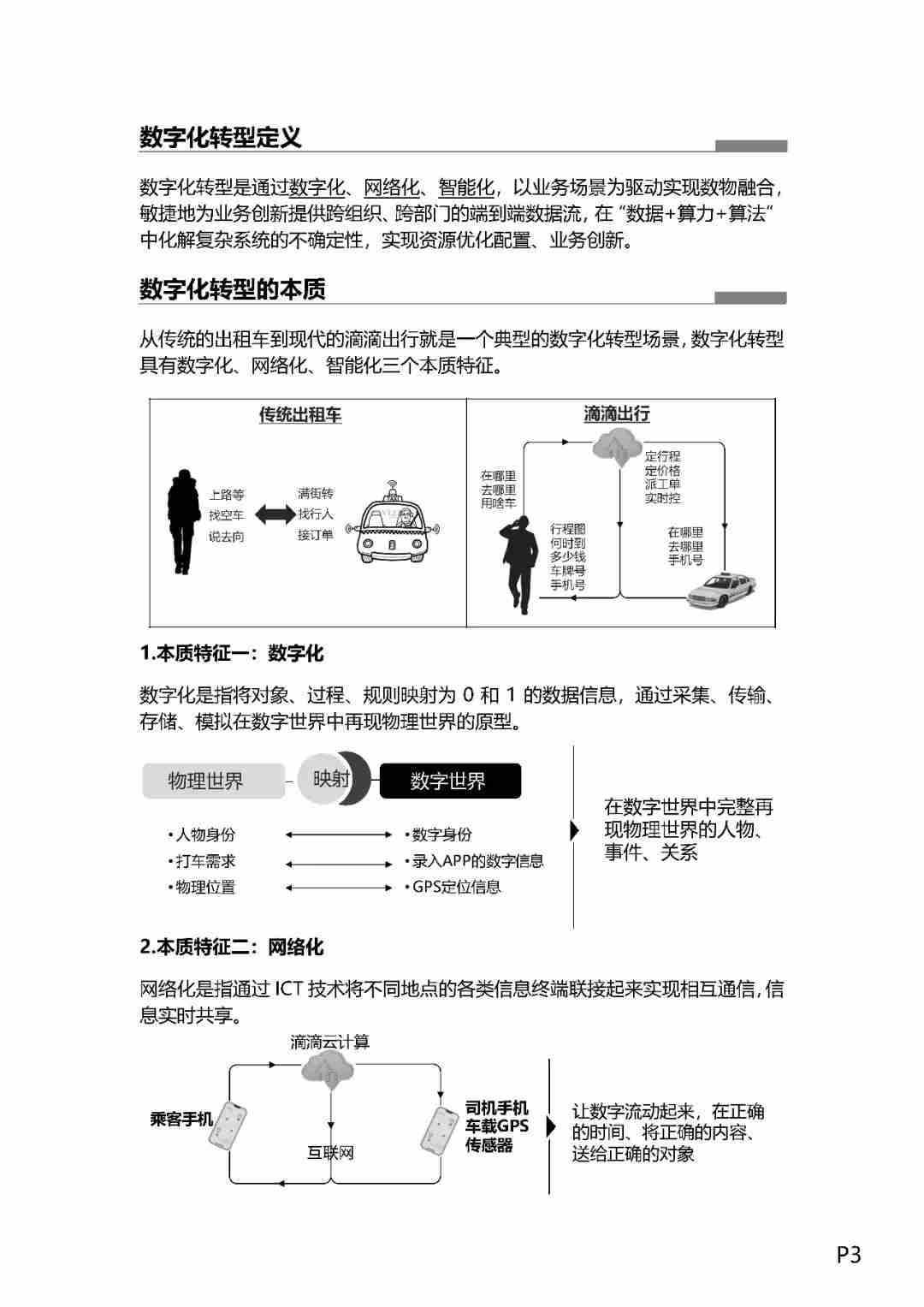
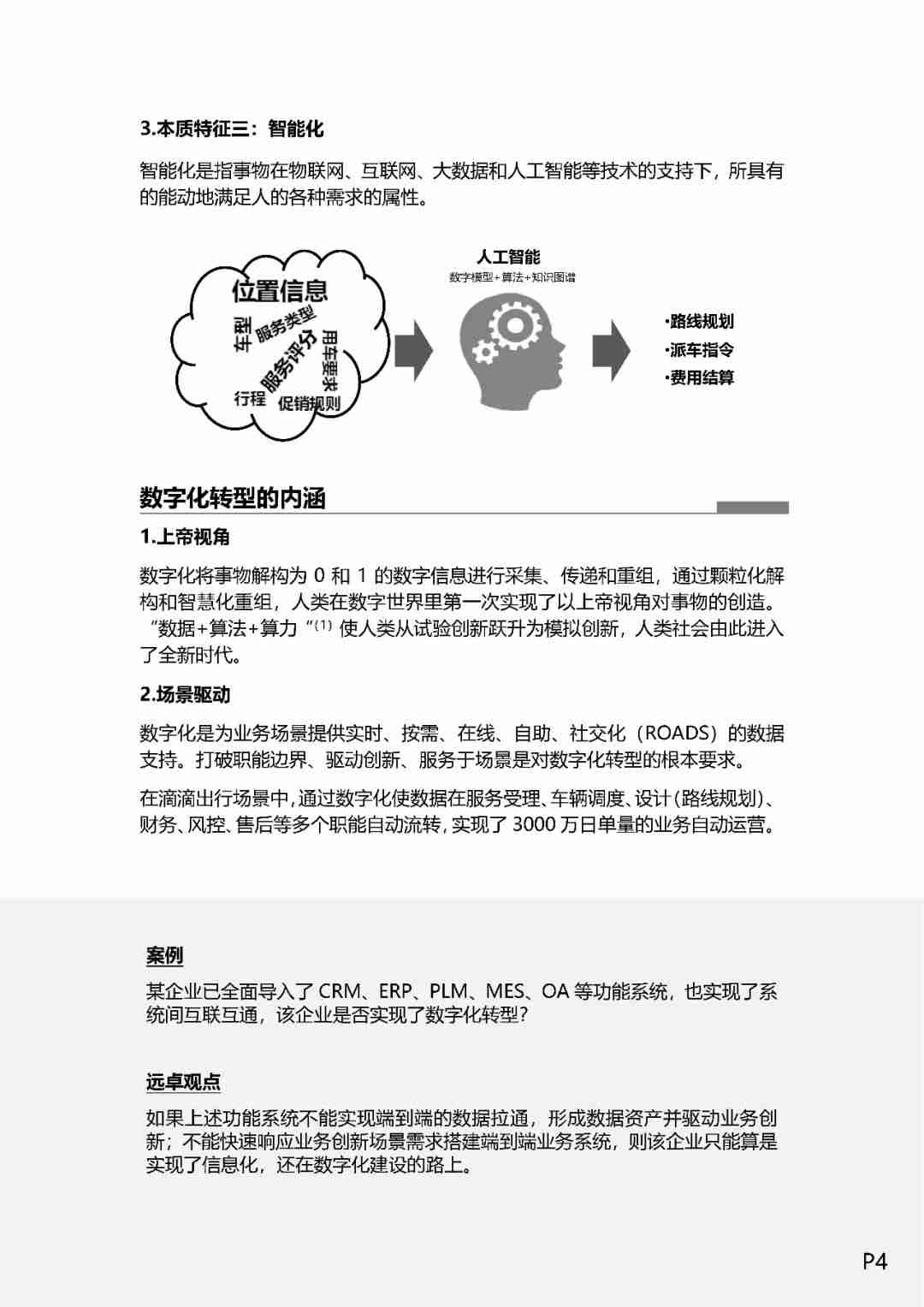
数字化转型是通过数字化、网络化、智能化,以业务场景为驱动实现数物融合,敏捷地为业务创新提供跨组织、跨部门的端到端数据流,在“数据+算力+算法”中化解复杂系统的不确定性,实现资源优化配置、业务创新。
从传统的出租车到现代的滴滴出行就是一个典型的数字化转型场景,数字化转型具有数字化、网络化、智能化三个本质特征。
数字化是指将对象、过程、规则映射为0和1的数据信息,通过采集、传输、存储、模拟在数字世界中再现物理世界的原型。
数字化转型是一个多维度,全方位的变革创新过程,将涉及到企业经营管理的各个方面,是需由企业一把手亲 自领导推进的系统工程。
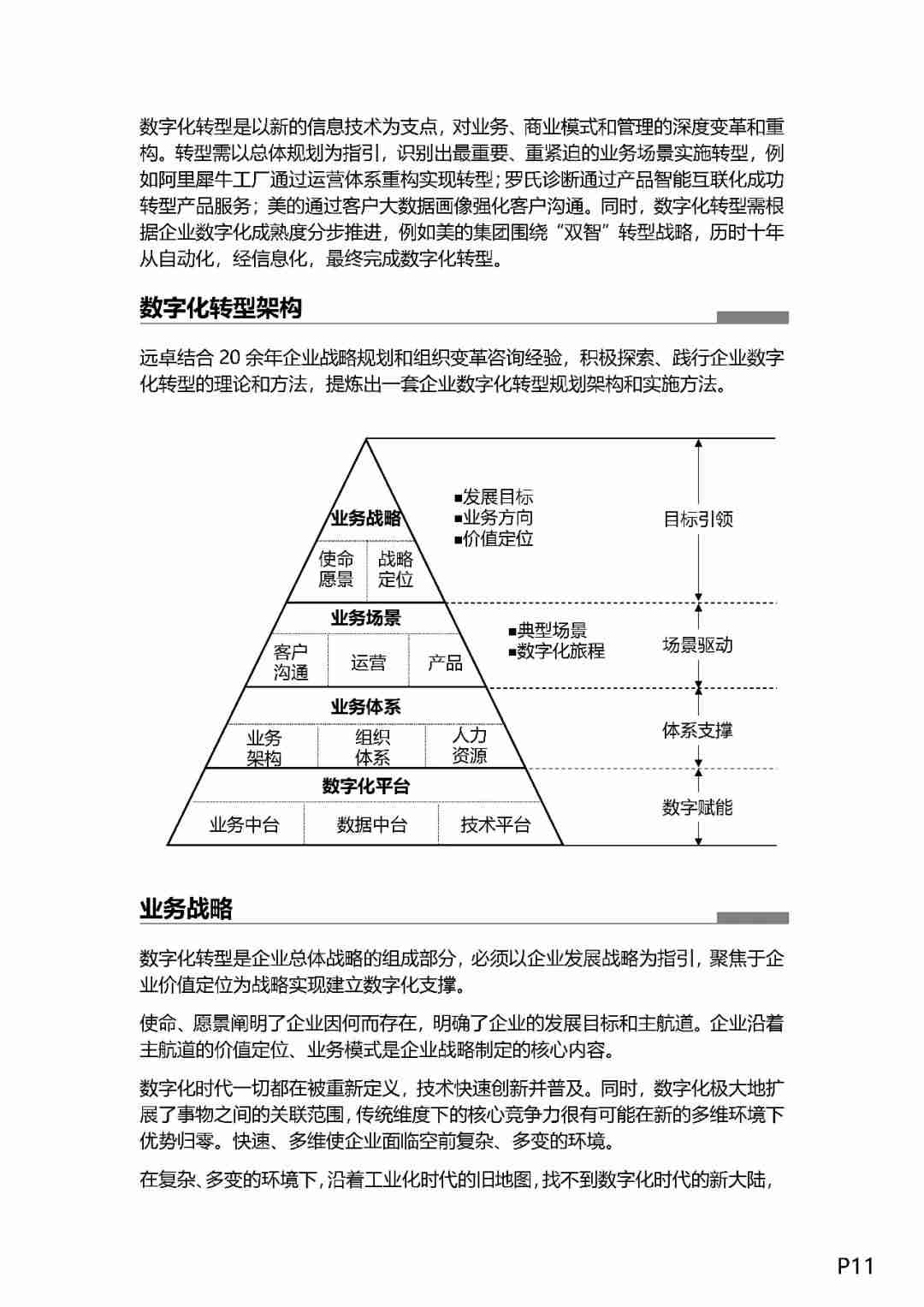
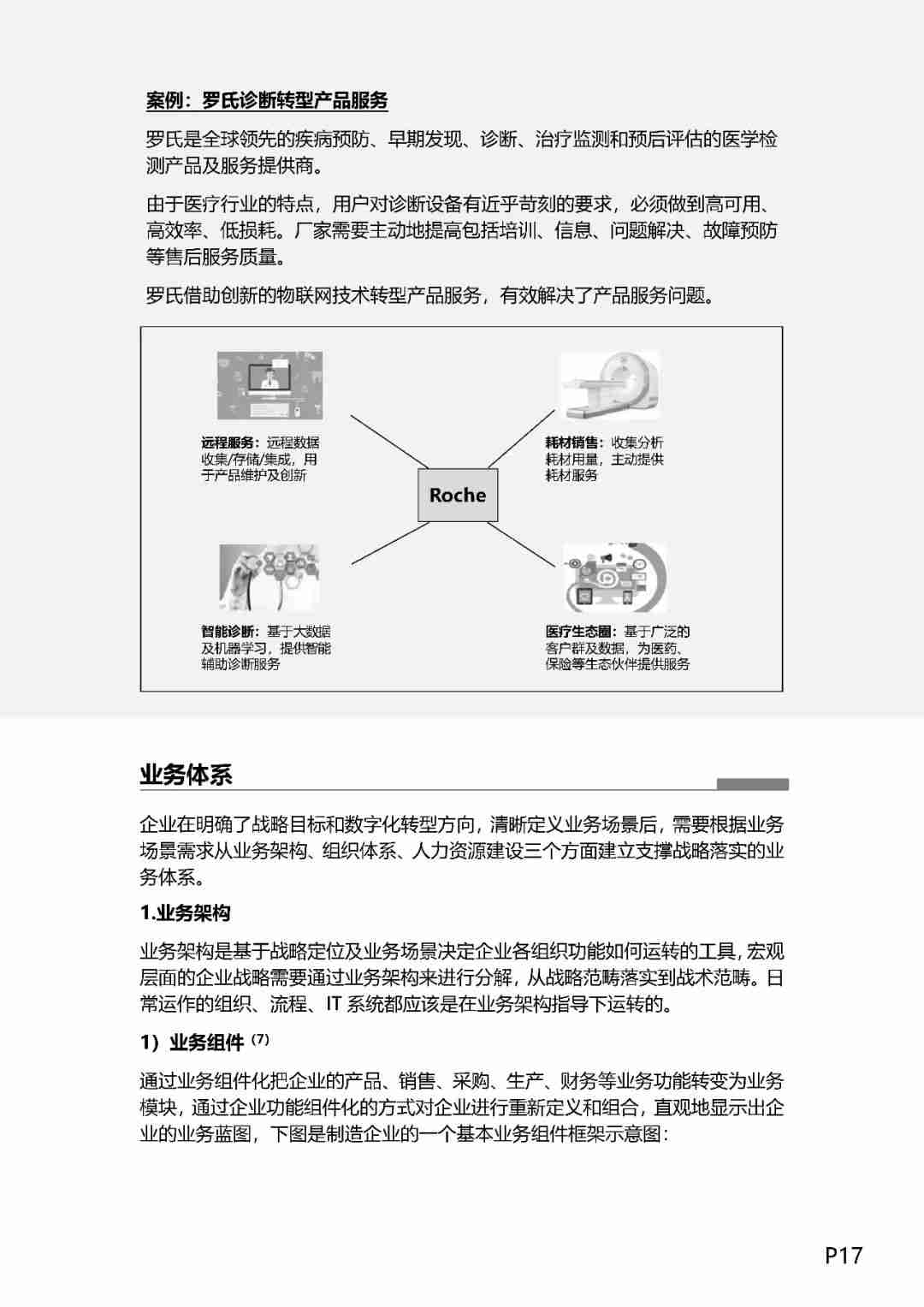
企业在明确了战略目标和数字化转型方向,清晰定义业务场景后,需要根据业务场景需求从业务架构、组织体系、人力资源建设三个方面建立支撑战略落实的业务体系。数字化转型网www.szhzxw.cn
一、业务架构
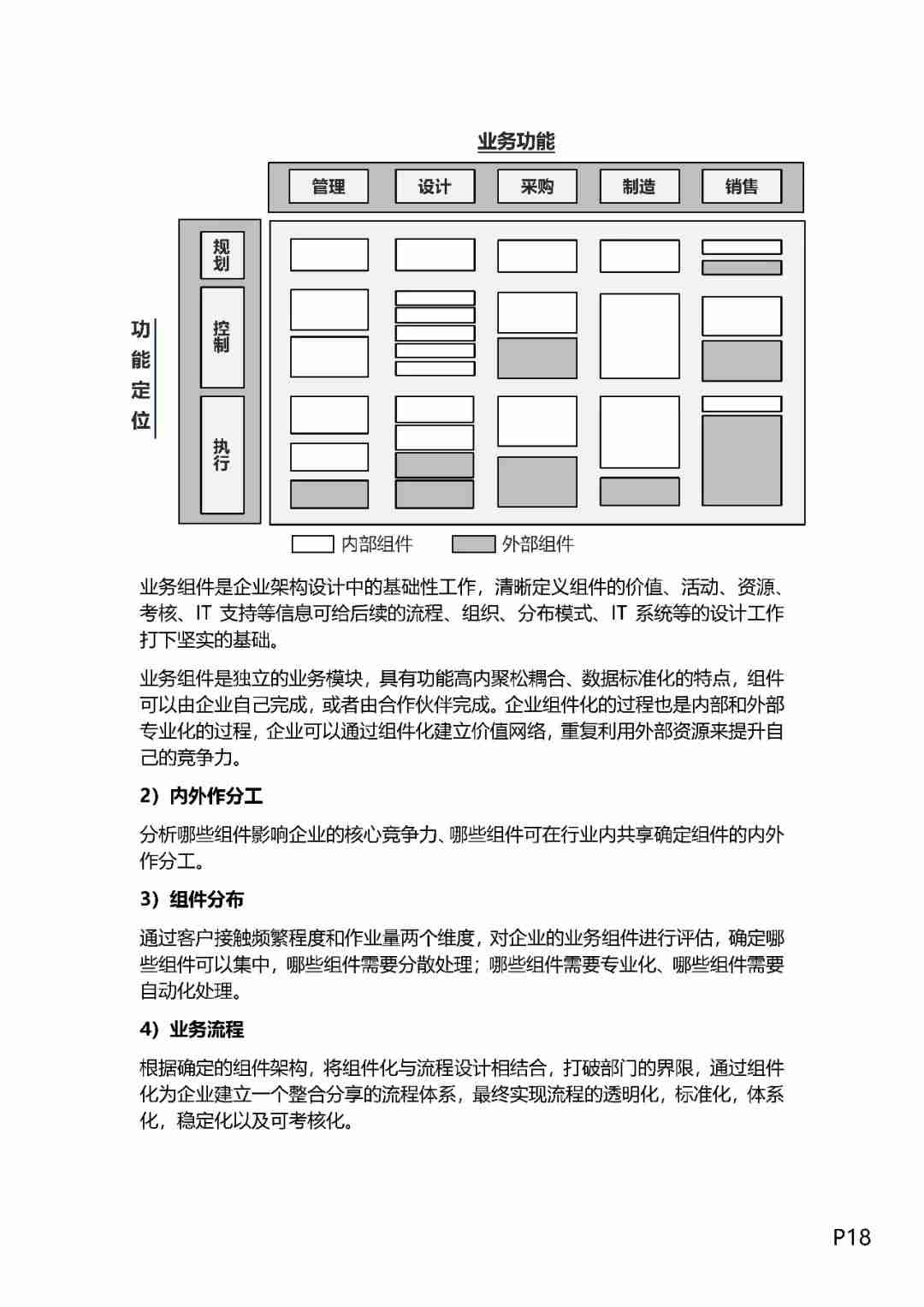
业务架构是基于战略定位及业务场景决定企业各组织功能如何运转的工具,宏观层面的企业战略需要通过业务架构来进行分解,从战略范畴落实到战术范畴。日 常运作的组织、流程、IT系统都应该是在业务架构指导下运转的。
二、组织体系
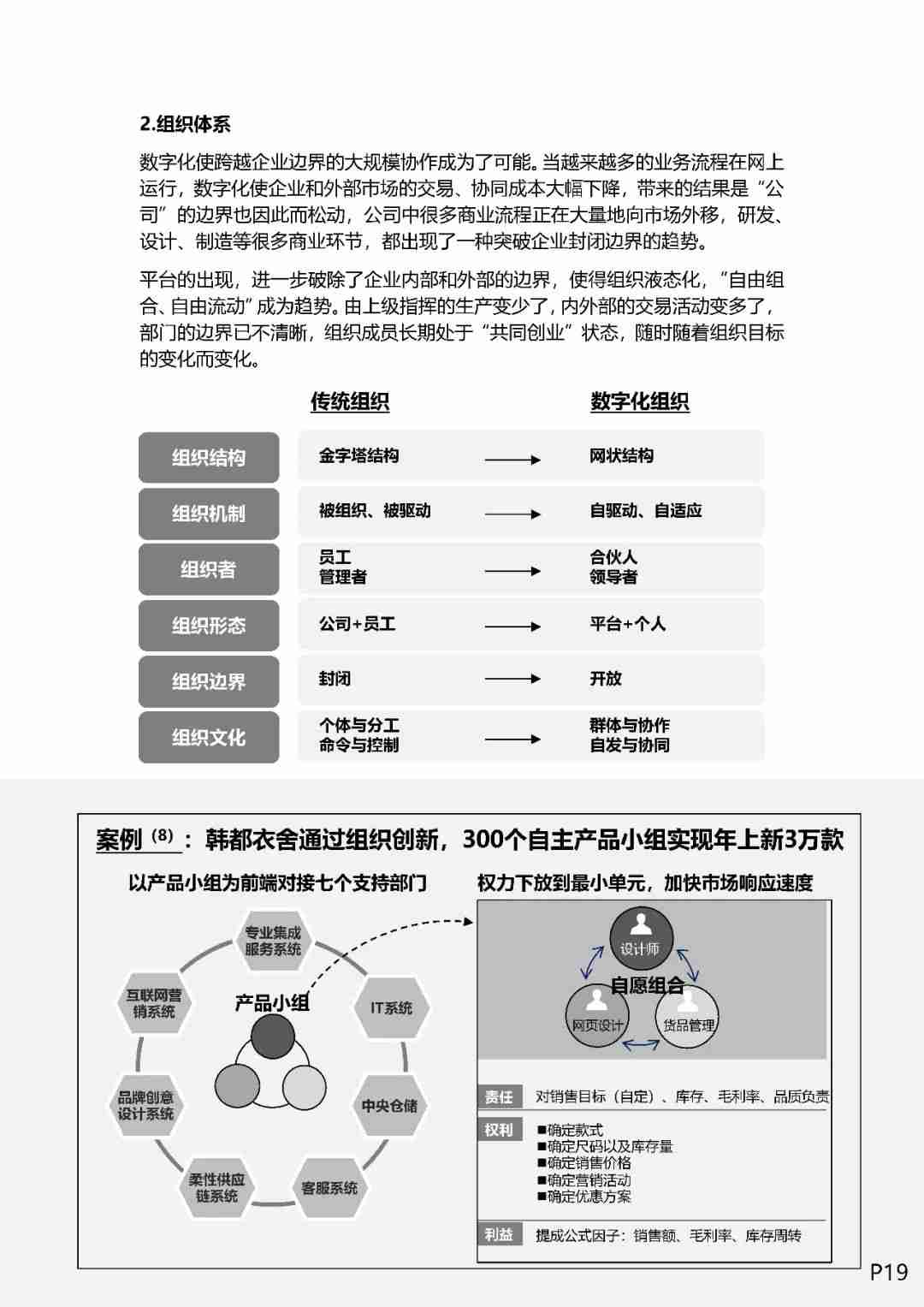
数字化使跨越企业边界的大规模协作成为了可能。当越来越多的业务流程在网上运行,数字化使企业和外部市场的交易、协同成本大幅下降,带来的结果是“公 司”的边界也因此而松动,公司中很多商业流程正在大量地向市场外移,研发、设计、制造等很多商业环节,都出现了一种突破企业封闭边界的趋势。
平台的出现,进一步破除了企业内部和外部的边界,使得组织液态化,”自由组合、自由流动”成为趋势。由上级指挥的生产变少了,内外部的交易活动变多了, 部门的边界已不清晰,组织成员长期处于共同创业状态,随时随着组织目标的变化而变化。
数字化时代高速的业务发展,灵活的业务流程处理,动态多变的组织架构,低成本的运营要求构成了中国企业差异化竞争的核心内涵,因此,企业需要构建一个 支撑转型的数字化平台。
三、数字化平台特征
1) 应用场景化
根据不同业务场景提供个性化应用功能,满足不同角色对象在企业经营运营活动中所需的随时随地接入使用数字化系统的需要,丰富业务场景,提升用户体验。
2) 能力服努化
业务能力共性提取,形成数字化服务接口,业务流程灵活编扫E,支持业务敏捷与创新。
3) 数据整合化
全量数据采集汇聚、全域数据融合,全维数据智能分析,洞察业务内在规律,提供决策支持。
4) 技术组件化
以组件化框架承载,按需引入大数据、物联网、AR/VR等新技术,技术架构易扩展,技术元素易集成,技术能力易调用。
5) 资源共享化
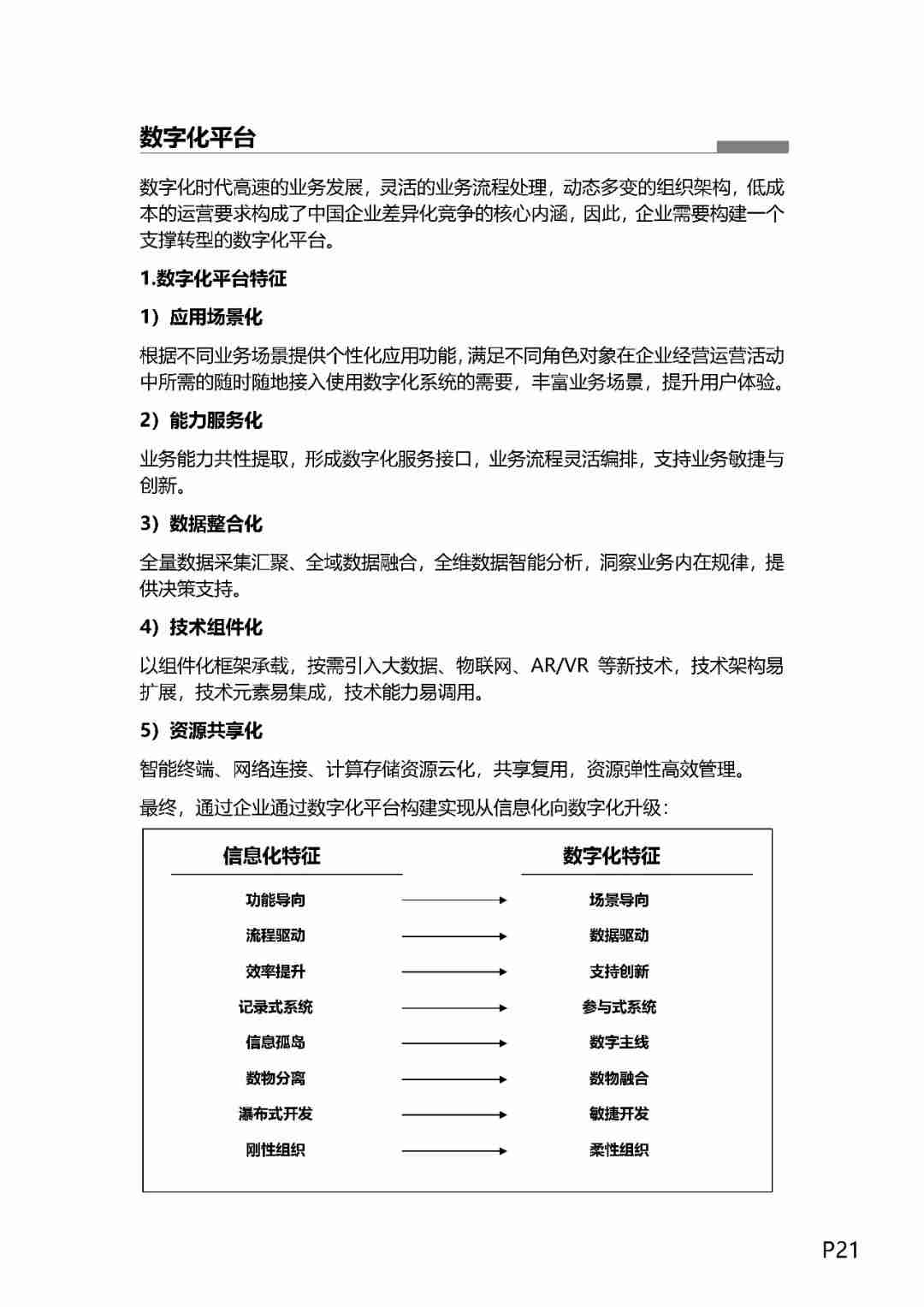
智能终端、网络连接、计算視诸资源云化,共享复用,资源弹性高效管理。最终,通过企业通过数字化平台构建实现从信息化向数字化升级。数字化转型网www.szhzxw.cn


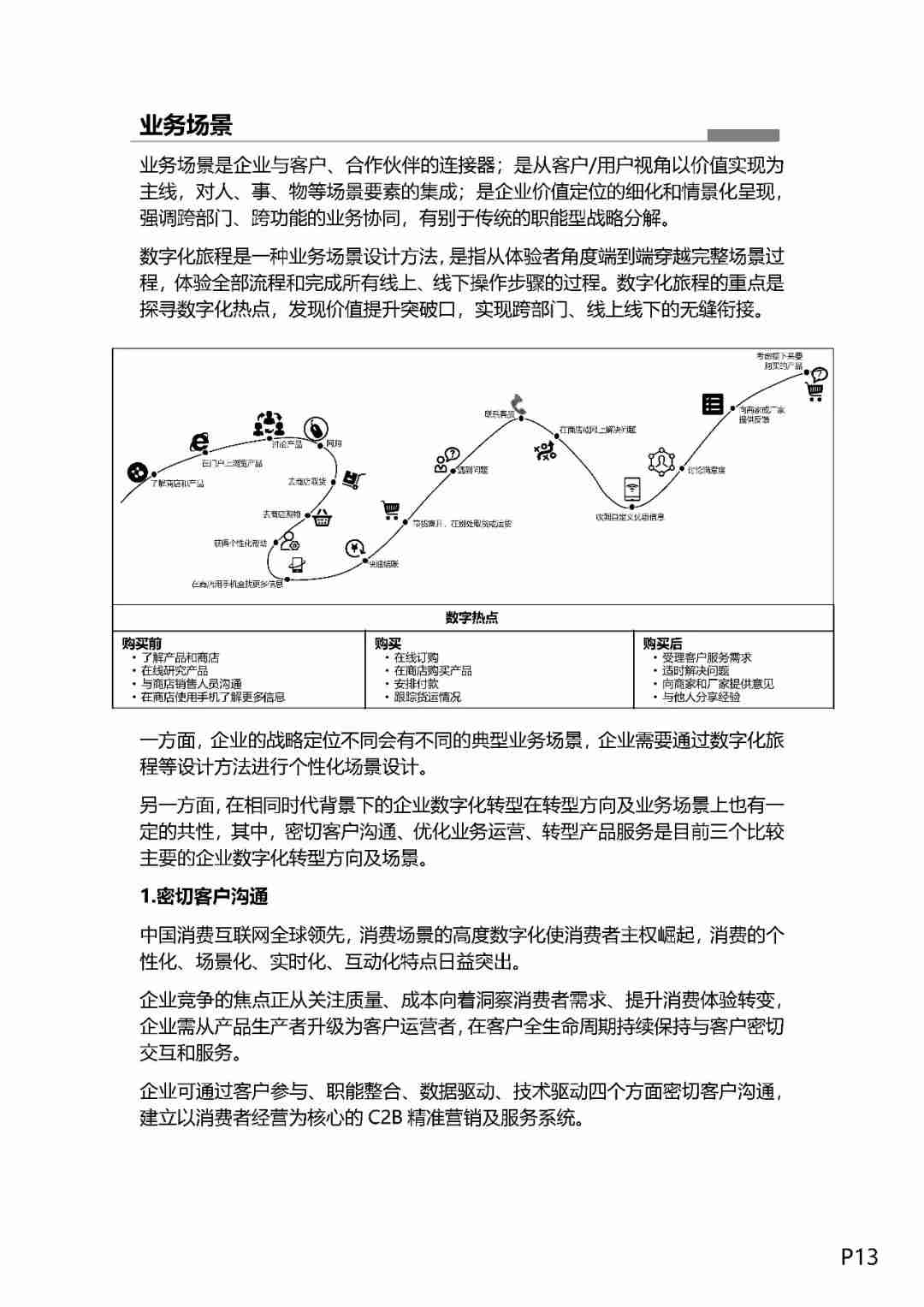
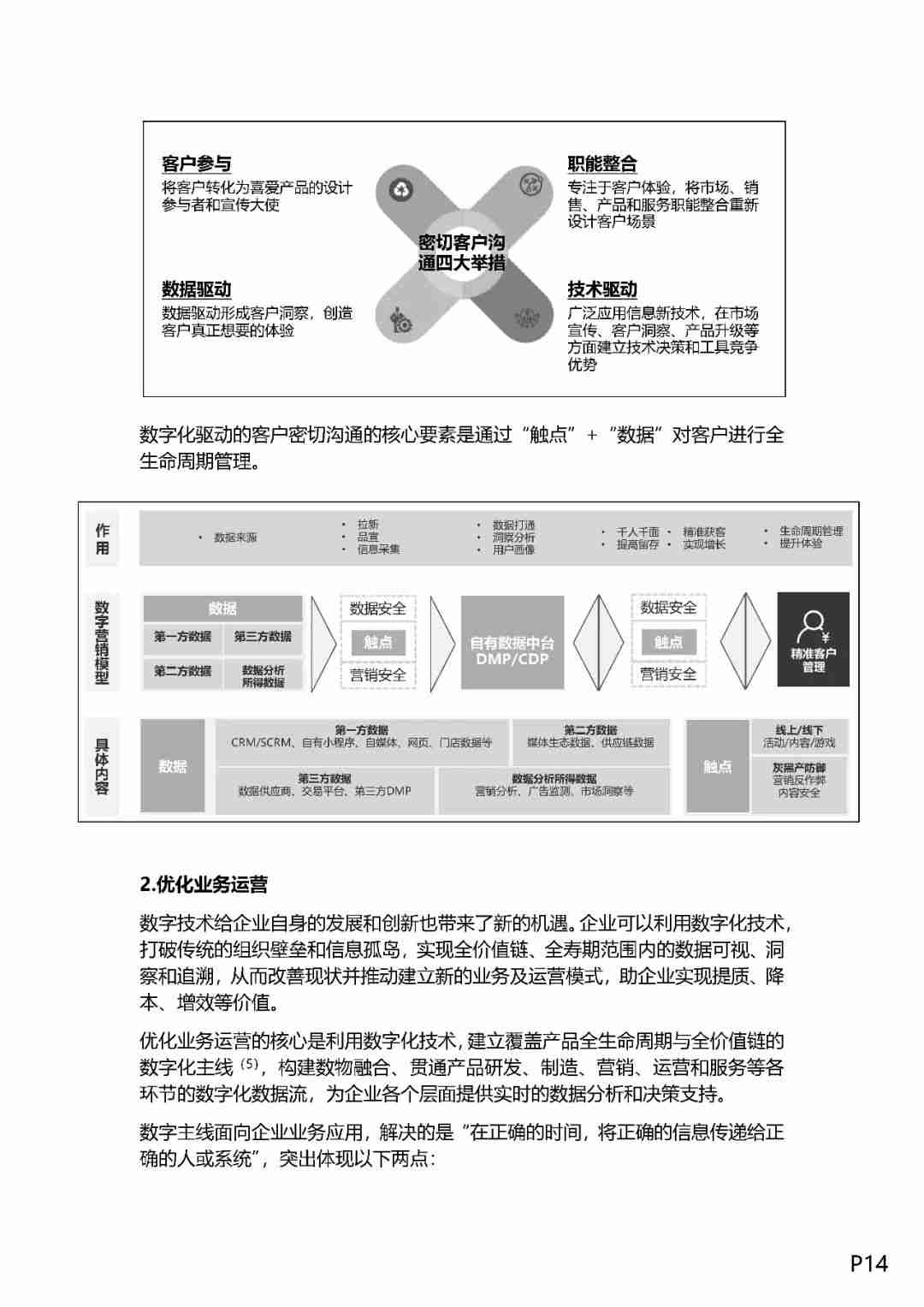
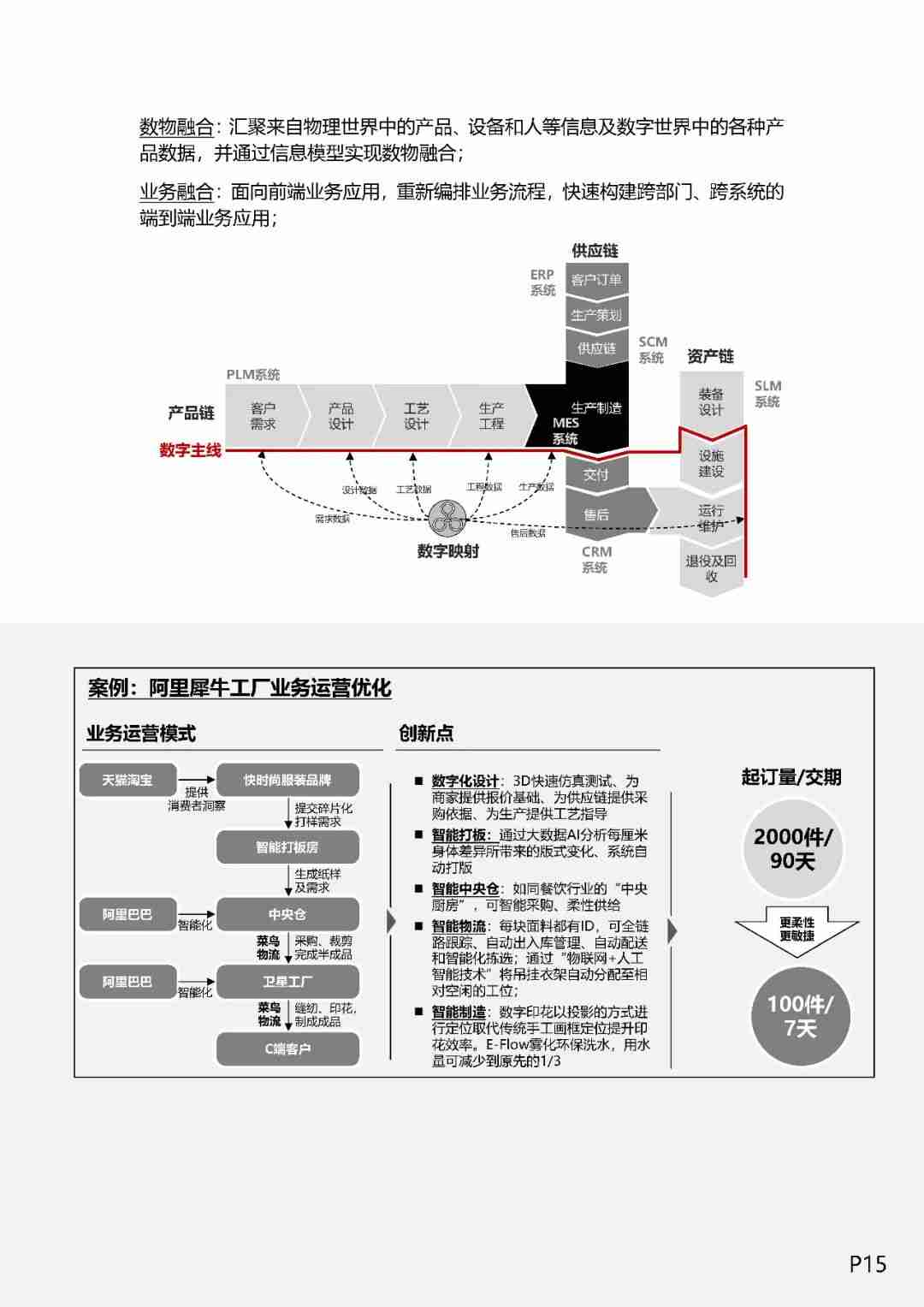
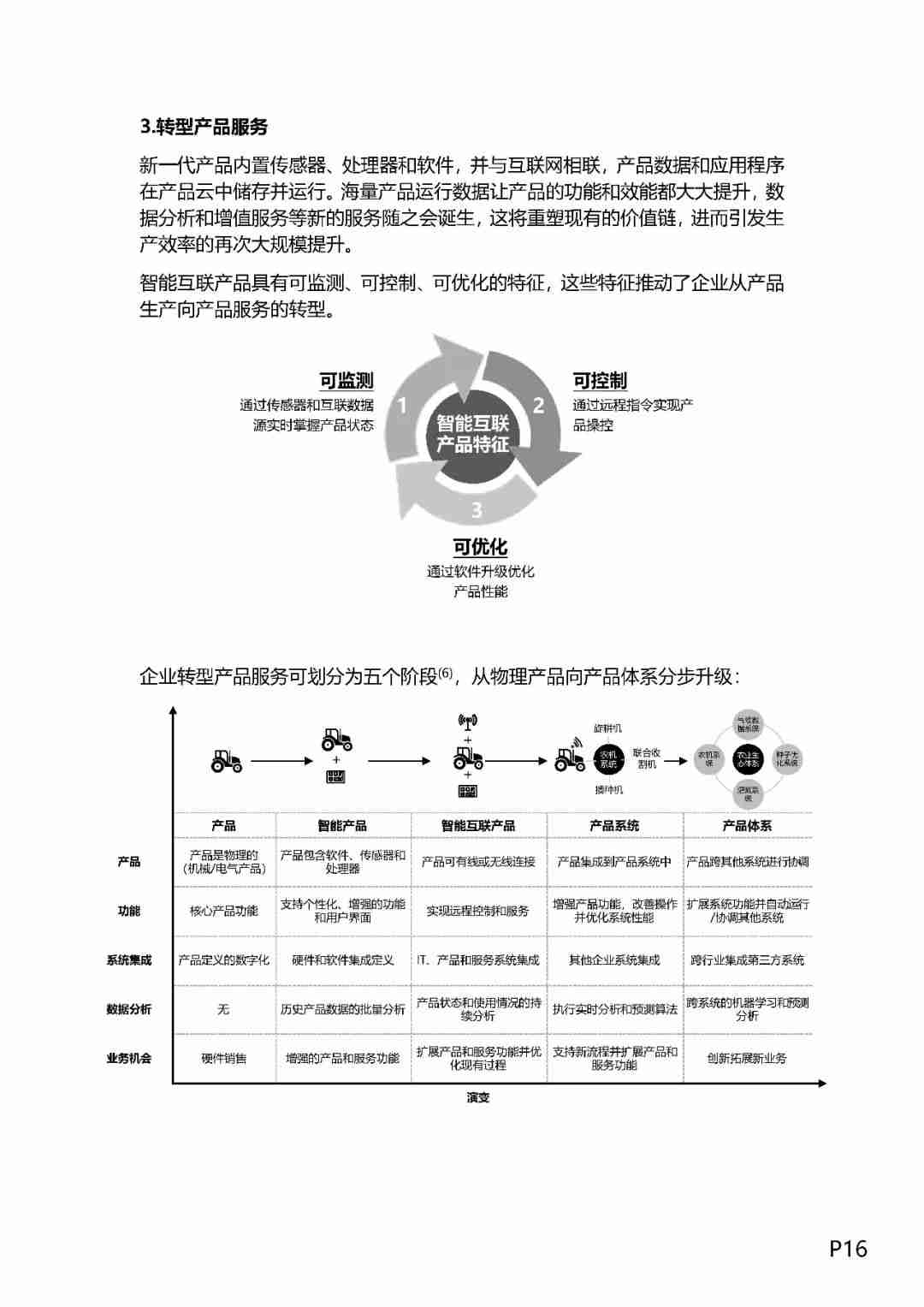
翻译:
Digital transformation is to realize the integration of things through digitalization, networking and intelligentization, to drive business scenarios, to provide cross-organization and cross-department end-to-end data flow for business innovation in an agile way, to resolve the uncertainty of complex systems in “data + computing power + algorithm”, and to realize resource optimization allocation and business innovation.
From the traditional taxi to the modern Didi Chuxing is a typical scene of digital transformation, which has three essential characteristics: digitalization, networking and intelligence.
Digitization refers to the data information that maps objects, processes and rules into 0 and 1, and reproduces the prototype of the physical world in the digital world through collection, transmission, storage and simulation.
Digital transformation is a multi-dimensional and all-round reform and innovation process, which will involve all aspects of enterprise operation and management. It is a system engineering that needs to be promoted by the leader of the enterprise.
After defining the strategic objectives and the direction of digital transformation, and clearly defining the business scenarios, the enterprise needs to establish a business system supporting the implementation of the strategy from the three aspects of business architecture, organizational system and human resources construction according to the requirements of the business scenarios.
Business structure
Business architecture is a tool to determine the operation of organizational functions based on strategic positioning and business scenarios. Enterprise strategy at the macro level needs to be decomposed through business architecture, from the strategic category to the tactical category. Everyday organizations, processes, and IT systems should be guided by business architecture.
Organizational system
Digitization enables large-scale collaboration across enterprise boundaries. As more and more business processes are running online, digitalization has greatly reduced the transaction and collaborative costs between enterprises and external markets. As a result, the boundaries of the “company” have also been loosened. Many business processes in the company are moving out to the market in large numbers.
The emergence of the platform has further broken the internal and external boundaries of the enterprise, making the organization liquid, “free combination, free flow” has become a trend. The production directed by the superior becomes less, and the internal and external trading activities become more and more. The boundaries of the department are not clear, and the members of the organization are in a state of joint entrepreneurship for a long time, which changes at any time with the changes of the organization’s goals.
In the digital era, high-speed business development, flexible business process processing, dynamic and changeable organizational structure, and low cost operation requirements constitute the core connotation of differentiated competition of Chinese enterprises. Therefore, enterprises need to build a digital platform to support transformation.
Characteristics of digital platform
1) Application scenario
Personalized application functions are provided based on different business scenarios to meet the needs of different role objects to access and use the digital system anytime and anywhere in enterprise operation activities, enriching business scenarios and improving user experience.
2) The ability to take nu
Business capability generality extraction, form digital service interface, business process flexible editing and scanning E, support business agility and innovation.
3) Data integration
Full data collection and aggregation, full domain data fusion, full dimensional data intelligent analysis, insight into the business law, to provide decision support.
4) Technology componentization
It is carried by a componentized framework, and new technologies such as big data, Internet of Things and AR/VR are introduced on demand. The technical architecture is easy to expand, technical elements are easy to integrate, and technical capabilities are easy to invoke.
5) Resource sharing
Intelligent terminal, network connection, computing resources cloud, sharing and reuse, resource elastic and efficient management. Finally, enterprises can upgrade from informatization to digitalization through the construction of digital platforms.
本文由数字化转型网(www.szhzxw.cn)转载而成,来源:谈数据;编辑/翻译:数字化转型网宁檬树。

免责声明: 本网站(http://www.szhzxw.cn/)内容主要来自原创、合作媒体供稿和第三方投稿,凡在本网站出现的信息,均仅供参考。本网站将尽力确保所提供信息的准确性及可靠性,但不保证有关资料的准确性及可靠性,读者在使用前请进一步核实,并对任何自主决定的行为负责。本网站对有关资料所引致的错误、不确或遗漏,概不负任何法律责任。
本网站刊载的所有内容(包括但不仅限文字、图片、LOGO、音频、视频、软件、程序等) 版权归原作者所有。任何单位或个人认为本网站中的内容可能涉嫌侵犯其知识产权或存在不实内容时,请及时通知本站,予以删除。