“我们始终是认为我们是整个电子制造业的引领者,我们如果能通过数字化、智能化技术在组织系统层面实现更高的效率,就保证了我们的竞争优势。”
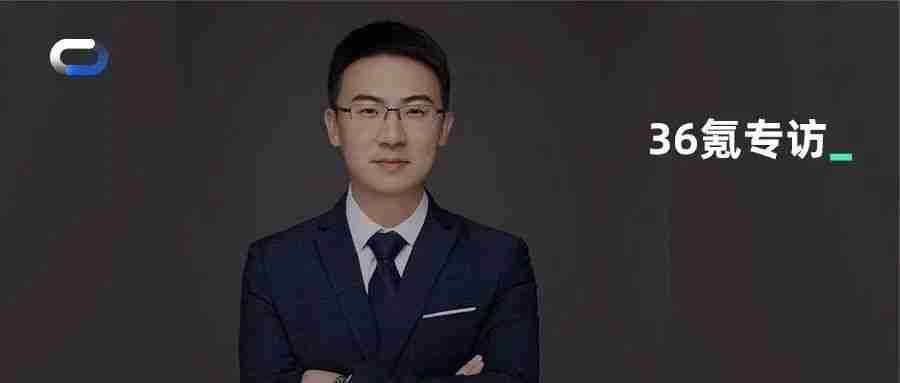
这是富士康科技集团首席数字官史喆博士入职三年后的深度感受之一。
2020年,结束了北京天泽智云科技有限公司的创业经历,史喆加入富士康,担任集团首席数字官、智能制造平台负责人,负责集团数字化转型和智能制造战略规划,推动灯塔工厂、智造平台及工业互联网的落地。
过去十多年,伴随着电子科技行业的快速发展,富士康的名字也从行业走向大众。这家全球最大的电子科技智造服务商,如今已经占据了超过42%的全球代工市场份额。
当外界对这家公司的印象还停留在“工厂”时,富士康已陆续完成30余座内部灯塔工厂的升级改造,建立起完善的灯塔工厂集群建设标准及体系,其中有4座工厂已获得WEF世界经济论坛灯塔工厂认证,成为智能制造的行业领军者。
智能制造是一项长期的系统工程。站在制造业企业视角上看,数字化、智能化技术是一个新兴领域,企业往往有着诸多疑问和顾虑,数字化的价值到底是什么?推进数字化转型的目标如何设定?如何更好地在大型集团内部推进数字化基础设施建设?如何利用数字化技术来塑造自身核心竞争力?制造业数字化人才从哪来?首席数字官CDO的主要职责是什么?
带着这一系列制造业企业数字化转型过程中的核心问题,36氪和史喆博士进行了深入探讨。
企业未来一定是向依据系统进行决策的形态上发展的。而这也正是以史喆博士为代表的智能制造行业创新者如今正努力推动的未来。
以下是专访部分(经36氪不改变原意的编辑):
一、拥有更高效的组织系统的企业才能在竞争中胜出
Q:富士康需要从数字化转型中塑造出什么样的能力?
A:从产业中所处的位置来说,富士康集团去年占了整个代工业务全球市场的42.9%,是一家规模非常庞大的公司。电子制造产业在国内其实也占据很大的比重,市场上大部分的消费电子产品都是代工来做的。这也是近二十年的趋势,包括大型电子产品,甚至云厂商的硬件也都是代工。电动汽车也由于产业链的变化,慢慢出现了大规模代工的趋势。
目前整个电子制造产业进入了平稳增长阶段,结构上手机有一些下滑,服务器等网络设备在上升,总体上很难有现象级的产品出现。产业发展趋势一个是新进入的品牌越来越多,其次是供应链越来越成熟,价格压缩越来越厉害,制造业务的利润越来越薄。因此,对于制造业企业来讲,大家就会寻求新的发展方式来保证自身的利润和竞争优势。
10 年前,企业首先会想到要把自动化做好,因为那个时候自动化是一个很难的东西。但现在自动化设备的可获得性非常强。那么在这种情况下,电子制造业企业的竞争优势在哪里?其实就是怎样运用新的手段和技术来提升企业的内部管理水平。
因此从需求上来看,电子制造业企业目前普遍认为数字化、智能化的能力是未来发展的方向。
从技术供给方面来看,数字化技术领域的供应商数量越来越多,技术实施的成本在不断降低,包括设备物联、数据通信,以及计算资源价格和技术服务,这对组织的变革也会起到很大的推动作用。
领先的龙头企业也特别希望将数字化的工具和技术更快融入到自己的管理系统里。未来决策更多是基于数据、基于模型做出的,让组织的效能变得更高。对于富士康来讲,我们需要管理人、设备、物料等等,关键在于怎样整合好内部资源、给客户提供一个稳定及成本可控的制造服务。
Q:从您的角度看,工业互联网到底给制造业的价值是什么?
A:工业互联网它是一个技术变革,但是在互联互通上层的应用层面还会产生更大的价值。有人讲工业互联网侧重物联网,有人侧重智能化,每个人看法都不一样,但是工业互联网作为一种新生产或者新工业的组织运营方式的预期来说,已经是一个共识了。
对于富士康集团来讲,我们推动3个F 。第一个是 Facility,指所有设备设施、能源的管理,以及系统应用的优化升级。第二个叫 Workforce,指人员方面。最后是Manufacture。面向这三个大场景建设好数字化的基础,开展智能化的应用。在具体推行上,对于整个集团来说,需要有一个专门的组织部门去引导数字化建设,为各个部门提供共同的数据基础,让大家能看到数字化的价值。
Q:数字化和智能化的技术对富士康核心竞争力的塑造或者加强的作用体现在哪些方面?
A:对于富士康规模这么庞大的制造业企业来说,核心竞争力又是什么?从集团发展规划上来看,主要是长期、稳定、国际化和科技。
首先,我们的客户希望有一个长期稳定的合作关系,我们和几个主要客户的合作时间都很长。稳定就是持续源源不断地提供生产服务,不会单纯受到订单利润的影响而选择拒绝合作。国际化包含国际化运营、国际化服务等几个方面。最后是科技,科技方面我们做了很深度的垂直整合,不仅仅是最终组装,而是包含了很多高利润组件的制造。
现在我们希望用数字化能力去构建一个统一的平台来做整个集团公司的管理。原来是各个事业群去做决策,现在希望决策和管理更加集中,最终形成集团的整体竞争优势。
数字化也不是一个目标。更长远的目标是真正将智能化的能力应用在制造和运营方面,数字化提升的是数据传递共享的效率,使得内部协作更快。而智能化是可以改变组织结构,带来更强的竞争优势。所以数字化还是一个过渡的过程,这也是为什么叫 digital transformation,未来企业应该是一个面向 AI的智能化企业,运用智能化的能力来做更多的决策,这样在下一阶段企业才更有竞争优势。
其实Michael Porter很早就在哈佛商业评论上阐述了这个话题,即Information 是如何让企业获得更强的竞争优势的,原文标题是《How Information Gives You Competitive Advantage》。他后来在哈佛商业评论上和PTC的CEO Jim Heppelmann合作发表了《How Smart,Connected Products Are Transforming Competition》、《How Smart, Connected Products Are TransformingCompanies》。
我们最终目标还是希望用模型渗透到每个环节去解决中间层面的决策问题,所以也在产线和运营层面上不断引入智能化的方案。而推进智能化的前提在于要有很好的数字化基础,做完决策之后能接收反馈的数据,这个闭环就需要组织的系统建设得很好,在做决策时需要能随时随地拉出数据。其次,组织需要有专业的数字化技术人员。最后,企业要有转型的决心,转型本身是没有终点的,因为组织的发展和进化是不断进步的过程。
Q:当初集团推进数字化、智能化是如何建立最小的业务闭环?
A:我们的组织架构是一个类似魔方的三维体。有一面是面向客户,有一层是面向事业群的,有一层是面向市场的。比如一个工厂做 PCBA产品,面向 A 客户,工厂本身又是在 B 事业群。可能也有一个工厂也是做 PCBA 的,但是面向的是 C 客户,本身又是属于 E 事业群。这两个工厂的设备和工艺又是类似的。
这种情形下推进数字化,就需要找出一些典型的制造场景,把技术和平台推行下去,让大家看到数字化效率的标杆可以做到多好。
企业组织分为三层,最顶层我们叫 operation ,主要是指订单资源和供应链,再往下一层叫production,包括产线和工厂怎么设计,供应商产能有多少,我们自身的产能情况。最底层叫 manufacture 就是制造执行,制造层面要做到数据透明。数字化的项目主要在这三层上面同步推进。
我们也会不断地引入外部的技术合作伙伴,比如Microsoft 、西门子 、ABB国际领先的大厂,以及技术创新的创业公司。如果企业是一个开放的系统,可以不断地去引入技术和信息,这家企业就会发展得更快。比如半导体为什么发展很快?因为每年有很多的新设备、新工艺被应用到工厂里去。
我们推进数字化的目的更多是希望塑造企业的柔性能力,这个柔性能力来自所有的设备互联互通、人的精准管理、系统的精确管理,以及长时间的数据积累。我们主要是通过大型专项来推进,同时引入一些系统平台。
从数字化变革的需求来看,我们更多关注如何保质保量地完成制造,生产调度的需求没有那么强。电子制造行业特点是物料多、人多、设备繁杂,所以我们需要提升自身的综合管理水平。
我们在投入的时候会涉及到新厂建设和旧厂改造。新厂建设时会部署一些系统级的解决方案,包括ERP和供应链管理以及质量管理。旧厂会去测试模组产线层面的先进制造技术,比如 AI 质检。当然集团内部不可能所有的工厂和产线都是顶级的数字化程度,也是分层次的。我们有很多项目都在同步进行,集团内部让大家去互相学习和交流,共同形成组织往前发展的动能。
在变革过程中,制造业和互联网有很大的差异,上线不可能是今天测试明天上线,制造业企业需要稳定、持续的优化过程。
二、数字化的重要意义之一就是企业要更加开放
Q:数字化和智能化技术是和企业核心能力紧密相关的,那么自主研发和外部采购的比重如何把控?
A:每个企业关注的核心能力是不一样的。我们核心关注的是制造技术。知道企业自身的核心之后,才能决定选择什么——哪些是我可以去买来的、哪些是需要我自己去掌握的?技术发展到现在,企业其实不需要都从底层开始,而是要恰当地去掌握自己需要掌握的东西。
比如OA管理上,我们的管理就是表单加流程,其实并不需要从头搭建一个全新的系统,完全可以用已有的系统来搭建符合我们业务特点的流程。生产也是一样的。比如有三家设备可以用,选一个最合适的就可以,但是怎么把生产设备整合在一起、设备之间的数据交互方式和使用方法是我们要掌握的。
自研首先要保证系统可以持续使用。如果企业认为全都可以自研,那就说明企业认为自己技术团队的开发迭代可以跟得上市场专业公司的迭代速度。但这一定程度上会导致企业的思想不开放。
数字化很重要的一点,就是企业要更加的开放。这个开放不是随意的,而是说企业有能力可以跟更多的外部系统去对接。比如企业可能引入一个第三方的Auto ML的平台,平台上有企业在工艺智能化方面自主研发的算法,市场上也可能有相关的供应商,在某些制程和工艺智能化方面更有优势,那么企业也可以把他们引入进来。
如果一个制造业企业的系统协作能做到这个程度,其效率会非常高,但是目前没有几家企业可以做到。因为制造业企业原有的系统都是讲究实用,每一部分都是找一家供应商部署,最后拼在一起,系统性和开放性没有那么强。
Q:如何利用采集的数据创造价值?
A:这个问题取决于公司的发展目标、数字化转型目标。采集数据的最终目标取决于企业的竞争点到底在哪里。举个例子,半导体企业的目标就是良率提升,因为企业竞争关键就是在良率和效率上,所以采集到的数据都是为提升良率服务。
对于富士康来说,就是如何交付更快、品质更好,以及价格又低。我们所有的数据收集和分析都是为这三个目标来服务。
半导体行业有很多人是做数据分析的,我们每天做数据分析的人也有很多,每天要分析设备和产品供应的情况,这样才能真正持续地提供制造服务。
数据的归类标注以及数据的有效存储和利用,对于我们来说都很重要,特别是如何整理好数据,数据的相关性要做好。数据分析方面我们在进行很多产学研的合作,比如和高校、西门子等供应商。
Q:工艺和装备上的智能化的应用趋势如何?
A:这也是一个趋势,现在很多AI公司都在和做装备的公司有合作。富士康也需要将智能化技术应用到生产过程中,而且现在AI应用部署的速度越来越快了。比如原先做AI质检的项目,需要自动化和CCD 的工程师,部署耗费很长时间。而现在一个质检的工作站开放给AI系统,就可以很快地把收集到的图像数据和AI系统对接在一起。算法如果做得够好,那么工程师所做的工作就更少。
原来是没有这些技术储备的,都是传统的图像处理方式。后来有开源的框架和模型,但是还需要很多工程师做集成。目前只需要技术能力很强的人在顶层把算法模型做好,再加上具体工程部署的人基本就可以了。从算法到技术产品,就和开发App一样方便。原先制造业企业请不起数据算法工程师,现在渐渐请得起了。
Q:数字化如何帮助我们管理供应链?
A:我们会有一些对于风险的预测,比如全球市场上缺料与否,这也会涉及到 investment bank 等各种渠道的信息。
但是库存其实没有绝对意义上的零库存或者叫安全库存。只不过是把费用转嫁在哪里,这最终是由企业的议价能力所决定的。但是对于整个数字化系统来说,系统里面有多少料,未来还有多少料在路上,这是企业决策者需要从中得到的数据。
企业当中有几个流转,分别是资金的流转、物料的流转,以及人员的流转和设备的流转,这些流转贯穿了从 manufacture到production 到 operation 的组织体系。数字化是要将这几个流转清晰地展现出来。在企业决策层面能让决策者看到更多的信息来支持我的决策,能让决策更加有章可循,以及让大家可以更快地去做决策。可能原来一个事情论证加决策三、四个月就过去了,现在能不能缩短一半?缩短的这一半就是很强的竞争优势。
Q:如何带动上游企业数字化转型?
A:要做到这一点,关键是我们能提供什么样的能力?这也是一个市场行为。如果我们对于供应商数字化要求高,那我们一定要能提前把端口标准预装好。
因为对方也有选择,也要看下游客户的要求合不合理。我们系统做的越好,上游对接我们的成本越低,上游企业会越愿意跟我们做生意。如果企业自己系统做得很烂,将来别人就不会和你做生意,那么企业的竞争优势就会下降。这种合作的吸引力和系统的开放性和开发者社群是一样的。开发者社群API做的好,别人就愿意在这个社群里做上层应用的开发。
Q:富士康在消费电子领域积累的数字化的技术,智能化经验还可以复用吗?
A:我们是希望把这种垂直整合的能力带进新产业的,这是我们的预期。如果我们现在组织管理效率到了比较高的水平,那进入新的产业之后其实还是一个比较高的水平。这里主要是指operation和production的层面,不一定是在manufacture那层。如果你在 operation 和 production 层面原来就不够高,不够好,那你进入新的产业,你肯定也不是。
三、CDO未来会更多参与企业经营决策
Q:制造业的 CDO 和 CIO 到底应该分别为什么负责?
A:CIO更多关心的是IT基础设施的投入和维护,CDO则需要关心如何用新的信息技术手段来帮助业务,比如说工厂的提升、供应链管理水平的提升、采购的技术升级。CIO更关心的是IT基础如何更加稳定,CDO更关心在这个基础之上能帮助业务提升多少。
可以看到这两者的业务需求和能力结构要求都会有差异,但是目前行业内很多 IT出身的CIO 现在承担了数字化转型的任务,因为IT本身接触业务较少,如果让CIO来负责数字化转型过程中业务效益提升的指标,这其实是一种错配。
CDO 未来职业发展上会更多参与企业经营决策。因为未来的企业组织需要管理者理解数据和新的数字化技术,企业决策的基础、与客户之间交付的方式、以及面对合作方提供的解决方案都将和数据、数字化技术息息相关。
Q:CDO如何体现对公司的价值?
A:一个技术方面的负责人需要考虑在什么时间节点引进哪些技术来帮助提升业务。
首先要清楚自己所带来的东西是什么,明白在这几年到底扮演什么样的一个角色。其实就是怎么样去用数字化技术来构建企业的竞争优势。可能这个竞争优势也不是长期维持的,需要不断运用新的技术。
数字化技术又是一个进步很快的技术,另外电子制造行业产线变动升级的周期也是比较短的,技术升级迭代的频次相对比较高。所以我们的供应商伙伴压力也会很大,他们也需要持续提供新的技术给到我们。
Q:未来制造业中,人的经验和系统的算法之间的关系会是怎样的?
A:其实这个问题反过来看,就是所谓人的经验是什么?大部分情况下只是流程上有这个岗位这一环,但是这个岗位上的员工到底在这个生产节点上创造了多少信息增量并不能确定。比如钢铁行业中一些阀门需要人工控制调整参数,问员工为什么调这么多,很多人其实并不知道原因,也就没有产生信息增量。
所以我们要知道效率的症结在哪里,需要拿数字化系统去解决什么问题。情况真的是人有经验吗?有多少经验?人的经验能不能被系统所替代?将来系统会去更多地从原理的层面指导生产实践。而且系统迭代的效率一定是更高的。当然在执行侧有些领域的决策是系统目前无法做到的。
对于 operation 和 production 层面,依然需要具备很强专业化和国际化市场运营决策能力的人。专业的人更多会聚集在组织顶层和基层。公司人才结构会慢慢从大的菱形变成一个纺锤形。
企业整体上是向系统指导决策的方向上发展,如果一家企业组织系统迭代的效率不高,那会被系统迭代效率更高的企业替代,这就是竞争。软件领域有一个康威定律,大意是一个组织的产出和其本身的组织结构是高度相关的,组织结构决定产品。对于我们来说也是一样的,组织形态决定着我们运营的方式。
Q:数字化团队和生产业务人才如何融合?
A:核心是怎么让这个团队进行更有效的产出、更好地为产业服务。这其中更多需要的是工程的方法。团队由哪些人组成也是非常关键的,全部都是自动化工程师,还是要有一些做模型、数据分析的人,这需要企业根据需求来衡量。
只不过现在一部分做 AI 或者做数据分析的人把自己的位置放的太高,其实大家都是工程师,只不过每个工程师的技能包不同。有的工程师通过数据去分析,有的工程师通过在现场感知去分析。比如工业工程很多优化方法都是基于数据分析的,包括品质管理和SPC统计过程控制。
从公司角度看,需要有针对性的组建团队,根据技术选型和需求来搭建,刚才提到不同层级的工厂,数字化团队配置也会不一样。
Q:如何看待互联网人才进入制造业参与数字化转型?
A:制造业企业不像互联网企业,互联网企业是具备digital native的infrastructure 软件从开发到上线很快,整个工具链很完整。制造业企业里是什么都没有,需要重新搭建。而且制造业企业预期的互联网人才是有从头搭建整个架构的能力的,这当中还需要个人具备工业领域解决方案供应商的资源,如果个人之前所有积攒的都是做互联网业务的资源和能力,那么这显然是不匹配的。
制造业企业现在非常希望在数字化方面有所发展,但是制造业本身没有培养出大量的相关人员,所以对互联网人才有需求,虽然磨合过程不会很舒服,但是可能会在这个过程当中培养出一批有能力继续去做制造业数字化转型的人才。
翻译:
“We always believe that we are the leader of the entire electronics manufacturing industry. If we can achieve higher efficiency at the organizational system level through digital and intelligent technology, we will ensure our competitive advantage.”
This is one of the deep feelings of Dr. Zhe Shi, chief digital officer of Foxconn Technology Group, three years after joining the company.
In 2020, after his entrepreneurial experience in Beijing Tianze Zhiyun Technology Co., LTD., he joined Foxconn as the group’s chief digital officer and head of intelligent manufacturing platform, responsible for the group’s digital transformation and strategic planning of intelligent manufacturing, and promoting the implementation of Lighthouse factory, intelligent manufacturing platform and industrial Internet.
Over the past decade, along with the rapid development of the electronic technology industry, Foxconn’s name has also moved from the industry to the public. The world’s largest electronic technology intelligent manufacturing service provider, has now occupied more than 42% of the global contract manufacturing market share.
When the outside world’s impression of this company is still “factory”, Foxconn has completed the upgrading and transformation of more than 30 internal lighthouse factories, and established a sound standard and system for the construction of lighthouse factory cluster. Among them, 4 factories have been certified by WEF World Economic Forum lighthouse factory, becoming the industry leader in intelligent manufacturing.
Intelligent manufacturing is a long – term system engineering.
From the perspective of manufacturing enterprises, digitalization and intelligent technology is an emerging field. Enterprises often have many questions and concerns. What is the value of digitalization? How to set the goal of promoting digital transformation? How to better promote digital infrastructure within large groups? How to use digital technology to build their own core competitiveness? Where does manufacturing digital talent come from? What are the chief responsibilities of a CDO?
With this series of manufacturing enterprises in the process of digital transformation of the core issues, 36 Kr and Dr. Zhe has in-depth discussion.
In the future, enterprises will definitely develop in the form of decision-making based on system. This is exactly the future that innovators in the intelligent manufacturing industry, represented by Dr. Zhe Shi, are now trying to promote.
The following is part of the interview (edited by 36 kr) :
First, the enterprise with more efficient organization system can win the competition
Q: What capabilities does Foxconn need to shape out of its digital transformation?
A: In terms of its position in the industry, Foxconn Group accounted for 42.9% of the global contract manufacturing market last year. It is a very large company. In fact, the electronic manufacturing industry also occupies a large proportion in China. Most consumer electronic products in the market are made by contract manufacturers. This has been a trend for the last two decades, including large electronics products, and even the hardware of cloud vendors are all made on contract. Due to changes in the industrial chain, the trend of large-scale OEM of electric vehicles is slowly emerging.
At present, the whole electronic manufacturing industry has entered a stage of steady growth, with some declines in the structure of mobile phones, and the rise of network equipment such as servers. On the whole, it is difficult to have phenomenal products. One trend is the increasing number of new brands entering the industry, the second is the increasingly mature supply chain, price compression is becoming more severe, and the profit of manufacturing business is becoming thinner. Therefore, for manufacturing enterprises, they will seek new ways of development to ensure their own profits and competitive advantages.
Ten years ago, the first thing companies would think about is getting automation right, because automation was a hard thing to do.
But now the availability of automation is very strong. So in this case, where is the competitive advantage of electronic manufacturing enterprises? In fact, how to use new means and technology to improve the internal management level of enterprises.
Therefore, from the perspective of demand, electronic manufacturing enterprises generally believe that digital and intelligent capabilities are the direction of future development.
From the perspective of technology supply, there are more and more suppliers in the field of digital technology, and the cost of technology implementation is constantly reduced, including the Internet of Things, data communication, computing resource prices and technical services, which will also play a great role in promoting organizational reform.
Leading companies are particularly keen to integrate digital tools and technologies into their management systems more quickly. In the future, more decisions will be made based on data and models, making organizations more effective. For Foxconn, we need managers, equipment, materials and so on. The key lies in how to integrate internal resources well to provide customers with a stable and cost controllable manufacturing service.
Q: From your perspective, what is the value of the industrial Internet to the manufacturing industry?
A: The Industrial Internet is a technological revolution, but it will have greater value at the application level of the upper layer of connectivity. Some people say that the industrial Internet focuses on the Internet of things, some people focus on intelligence, everyone has different views, but the industrial Internet as a new production or new industrial organization and operation mode of expectations, has been a consensus.
For Foxconn Group, we promote 3 F. The first one is Facility, which refers to the management of all equipment and facilities, energy, as well as the optimization and upgrading of the system application. The second one is called Workforce, which refers to people. Finally, Manufacture. For these three big scenes to build a good digital foundation, to carry out intelligent application. In terms of specific implementation, for the whole group, there needs to be a special organizational department to guide the construction of digitalization, to provide a common data basis for all departments, so that everyone can see the value of digitalization.
Q: In what ways does digital and intelligent technology shape or strengthen Foxconn’s core competitiveness?
A: What is the core competitiveness of such a large manufacturing company as Foxconn? From the perspective of the group’s development planning, it is mainly long-term, stable, international and scientific.
First of all, our clients want to have a long-term stable relationship, and we have been working with several major clients for a long time. Stability is the continuous supply of production services, will not simply be affected by order profits and choose to refuse cooperation. Internationalization includes international operation, international service and so on. And finally technology, we have a very deep vertical integration in technology, not just final assembly, but manufacturing that involves a lot of high-margin components.
Now we hope to use digital capabilities to build a unified platform for the management of the entire group of companies. In the past, decisions were made by individual business groups, but now it is hoped that decision making and management will be more centralized, and ultimately form the overall competitive advantage of the group.
Digitisation is not a goal either.
The longer term goal is to truly apply intelligent capabilities to manufacturing and operations. Digitisation improves the efficiency of data transfer and sharing, making internal collaboration faster. And intelligence can change the organizational structure and bring stronger competitive advantages. Therefore, digitalization is still a transition process, which is why it is called digital transformation. In the future, enterprises should be AI oriented intelligent enterprises, which can use intelligent capabilities to make more decisions, so that enterprises can have more competitive advantages in the next stage.
In fact, Michael Porter explained this topic very early in the Harvard Business Review, How Information Gives companies a stronger Competitive Advantage. The title of the article is “How Information Gives You Competitive Advantage”. He later collaborated with PTC CEO Jim Heppelmann in the Harvard Business Review on How Smart,Connected Products Are Transforming Competition, How Smart, Connected Products Are TransformingCompanies.
Our ultimate goal is to use the model to penetrate into every link to solve the decision-making problem at the middle level, so we also continue to introduce intelligent solutions at the production line and operation level. And the premise of promoting intelligence is to have a good digital foundation, after the decision can receive feedback data, this closed-loop requires the organization of the system construction is very good, in making decisions need to be able to pull out data anytime and anywhere. Secondly, organizations need professional digital technicians. Finally, enterprises should have the determination to transform. Transformation itself has no end, because the development and evolution of an organization is a process of continuous progress.
Q: How did the group initially promote digitalization and intellectualization to establish a minimum business loop?
A: Our organization is like a Rubik’s Cube in three dimensions. There’s a side for customers, a layer for business groups, and a layer for the market. For example, A factory produces PCBA products for customers A, and the factory itself is in business group B. There may also be a factory that is also engaged in PCBA, but it is for C customers and belongs to E business group. The equipment and process of the two factories are similar again.
To push digital in this context, we need to identify some typical manufacturing scenarios, roll out the technology and platform, and show how good the benchmark of digital efficiency can be.
Enterprise organization is divided into three layers. The top layer is called operation, which mainly refers to order resources and supply chain. The next layer is called production, including the design of production line and factory, the capacity of suppliers and our own capacity. The bottom level called manufacture is manufacturing execution, and the manufacturing level should be transparent. The digital projects are mainly carried out synchronously on these three levels.
We will also continue to bring in external technology partners, such as Microsoft, Siemens, ABB international leading factories, as well as technology innovation startups. If the enterprise is an open system that can constantly introduce technology and information, the enterprise will grow faster. Why are semiconductors growing so fast? Because every year a lot of new equipment, new processes are applied to the factory.
The purpose of promoting digitalization is more to shape the flexible capability of enterprises
The purpose of promoting digitalization is more to shape the flexible capability of enterprises, which comes from the interconnection of all devices, precise management of people, precise management of systems, and long-term data accumulation. We mainly push through large projects and introduce some system platforms.
From the perspective of the demand of digital revolution, we pay more attention to how to complete manufacturing with quality and quantity, and the demand of production scheduling is not so strong. The electronic manufacturing industry is characterized by more materials, more people and more complex equipment, so we need to improve our comprehensive management level.
When we invest, we will involve new plant construction and old plant renovation. A number of system level solutions will be deployed during the new plant construction, including ERP and supply chain management and quality management. The old factory will test advanced manufacturing techniques at the module production line level, such as AI quality control. Of course, it is impossible for all the factories and production lines within the group to be top digital level and hierarchical. Many of our projects are being carried out simultaneously. Within the group, everyone can learn from and communicate with each other, so as to jointly form the momentum for the development of the organization.
In the process of reform, the manufacturing industry and the Internet are very different. It is impossible to test today and go online tomorrow. Manufacturing enterprises need a stable and continuous optimization process.
Second, one of the important implications of digitization is that enterprises should be more open
Q: Digitalization and intellectualization technologies are closely related to the core competence of enterprises, so how to control the proportion of independent research and development and external procurement?
A: Each enterprise focuses on different core competencies. Our core focus is manufacturing technology. After knowing the core of the business itself, I can decide what to choose — which ones I can buy and which ones I need to master. With the development of technology, enterprises do not need to start from the bottom, but to properly master what they need to master.
For example, in OA management, our management is form plus process. In fact, we do not need to build a brand-new system from scratch. We can use the existing system to build a process that conforms to our business characteristics. The same goes for production. For example, there are three devices that can be used, and we can choose the most suitable one. However, we need to master how to integrate production equipment together and how to interact data between devices and how to use them.
The first step in self-development is to ensure that the system can be used continuously.
If you think you can do it all yourself, it means you think your technical team’s development iterations can keep up with those of a market specialist. But to some extent, this will lead to the enterprise’s mind is not open.
One of the most important things about digital is that companies are more open. This openness is not random, but means that enterprises have the ability to connect with more external systems. For example, the enterprise may introduce a third-party Auto ML platform, on which there are algorithms independently developed by the enterprise in the aspect of process intelligence. There may also be related suppliers in the market, which are more advantageous in some aspects of process and process intelligence, so the enterprise can introduce them into the platform.
If a manufacturing enterprise can achieve this level of system collaboration, it would be very efficient, but few enterprises can do so. Because the original system of manufacturing enterprises is practical, each part is deployed by a supplier and finally put together, so the system and openness are not so strong.
Q: How do you use the data you collect to create value?
A: It depends on the company’s development goals and digital transformation goals. The ultimate goal of data collection depends on where the competition is. For example, the goal of a semiconductor company is to improve yield. Because the key to competition is yield and efficiency, the data collected is to improve yield.
For Foxconn, it’s how to deliver faster, better quality and at a lower price. All of our data collection and analysis serves these three goals.
There are a lot of people in the semiconductor industry who do data analysis, and we have a lot of people who do data analysis every day, analyzing equipment and product availability, so that we can really provide manufacturing services on a continuous basis.
It is very important for us to classify and label data as well as to effectively store and utilize data, especially how to sort out data and do a good job in the relevance of data. In terms of data analysis, we are conducting a lot of industry-university-research cooperation, such as with universities, Siemens and other suppliers.
Q: What is the trend of intelligent application in process and equipment?
A: This is also a trend. Now many AI companies are cooperating with equipment companies. Foxconn also needs to apply intelligent technology to the production process, and AI applications are being deployed faster and faster. For example, the original project to do AI quality inspection required automation and CCD engineers, which took a long time to deploy. Now a quality control workstation is open to the AI system. Which can quickly connect the collected image data with the AI system. If the algorithm is done well enough, then the engineer has to do less work.
It turns out that there are no such technical reserves, are traditional image processing. There are open source frameworks and models, but it still takes a lot of engineers to integrate. At present, we only need people with strong technical ability to do a good job at the top of the algorithm model, coupled with people deployed in specific projects. From algorithms to technology products, it’s as easy as developing apps. Manufacturing firms that once could not afford data-algorithm engineers are increasingly able to.
Q: How does digitization help us manage supply chains?
A: We will have some predictions about risks. Such as whether there is a shortage of materials in the global market. Which will also involve information from investment bank and other channels.
But there is no absolute sense of zero inventory or safety inventory. It is simply a matter of where to shift the cost. Which is ultimately determined by the bargaining power of the enterprise. But for the whole digital system. How much material is in the system and how much material is still on the road. This is the data that enterprise decision makers need to get from it.
There are several flows in an enterprise, namely the flow of capital, the flow of materials. The flow of personnel and the flow of equipment, which runs through the organizational system from manufacture to production to operation. Digitisation is about showing these flows clearly. At the level of enterprise decision-making, decision-makers can see more information to support my decisions, make decisions more rule-based, and let people make decisions more quickly. It may take three or four months for a matter to be discussed and decided. But can it be cut in half now? That half is a very strong competitive advantage.
Q: How to drive the digital transformation of upstream enterprises?
A: To do that, the key is what kind of capabilities can we provide? This is also a market action. If we have high requirements for supplier digitization, we must be able to pre-install port standards.
Because the other side also has a choice, also depends on the requirements of the downstream customer is reasonable. The better our system is, the lower the cost of upstream docking with us. And the more willing upstream enterprises will be to do business with us. If the company’s own system is poor, others will not do business with you in the future. Then the competitive advantage of the company will be reduced. The appeal of this collaboration and the openness of the system is the same as that of the developer community. If the developer community API is done well. Others will be willing to do upper level application development in this community.
Q: Can the digital technology and intelligent experience accumulated by Foxconn in the field of consumer electronics be reused?
A: We hope to bring this vertically integrated capability into the new industry. That’s our expectation. If we now have a relatively high level of organizational management efficiency. It will still be a relatively high level after entering the new industry. Here it mainly refers to the level of operation and production, not necessarily the level of manufacture. If you’re not good enough at operation and production, you’re certainly not good enough when you move into a new industry.
Third, CDO will be more involved in business decision-making in the future
Q: What are the Cdos and CIOs responsible for in manufacturing?
A: CIO is more concerned about the investment and maintenance of IT infrastructure, while CDO needs to be concerned about how to use new information technology means to help the business, such as the upgrading of factories, the improvement of supply chain management level, and the upgrading of procurement technology. The CIO was more concerned about how stable the IT foundation was, and the CDO was more concerned about how much it could help the business grow on top of that foundation.
IT can be seen that the two business needs and capacity structure requirements will be different, but at present, many CIO from IT background in the industry now undertake the task of digital transformation, because IT itself contact business less, if the CIO to be responsible for the digital transformation process of business efficiency improvement indicators, this is actually a mismatch.
CDO’s future career development will be more involved in business decision-making. Because the organization of the future needs managers to understand data and new digital technologies, the foundation of corporate decisions, the way they deliver to customers, and the solutions they offer to partners will all be related to data and digital technologies.
Q: How does the CDO represent value to the company?
A: A technology manager needs to think about what technologies to introduce at what point in time to help improve the business.
First of all, we should know what we bring to the table and what kind of role we are playing in these years. In fact, how to use digital technology to build the competitive advantage of enterprises. Perhaps this competitive advantage is not sustained in the long run, and new technologies need to be constantly applied.
Digital technology is also a technology with rapid progress. In addition, the production line change and upgrading cycle of the electronic manufacturing industry is also relatively short, and the frequency of technology upgrading and iteration is relatively high. Therefore, there will be great pressure on our supplier partners, who also need to continue to provide us with new technologies.
Q: What will be the relationship between human experience and the algorithm of the system in the future manufacturing industry?
A: Actually, the other way around, what is the so-called human experience? In most cases, there is only a link in the process, but it is not certain how much information increment the employee in this position creates at this production node. For example, some valves in the iron and steel industry need manual control to adjust parameters, ask employees why so much, many people do not know the reason, there is no information increment.
So we need to know where the crux of efficiency lies and what problems need to be solved with digital systems. Is it really the case that people have experience? How much experience do you have? Can human experience be replaced by systems? In the future, the system will guide production practice more from the level of principle. And the system iteration must be more efficient. Of course there are areas of decision making on the execution side that the system is currently unable to do.
For operation and production, people with strong specialization and decision-making ability in international market operation are still needed. Professional people tend to gather more at the top and bottom of the organization. The talent structure of the company will slowly change from a large diamond shape to a spindle shape.
As a whole, enterprises are developing towards the direction of system guiding decision-making. If an enterprise has low efficiency of system iteration, it will be replaced by enterprises with higher efficiency of system iteration, which is competition. In software, there is a Conway law to the effect that an organization’s output is highly correlated with its own organizational structure, which determines the product. The same is true for us. Our organization determines how we operate.
Q: How does the digital team integrate with the production talent?
A: The core is how to make the team produce more effectively and serve the industry better. What is more needed is an engineering approach. The composition of the team is also very critical, all automation engineers, or some model, data analysis people, which needs to be measured according to the needs of the enterprise.
It’s just that now some of the people who do AI or data analysis are putting themselves too high. In fact, everyone is an engineer, but each engineer has a different skill set. Some engineers analyze through data, and some engineers analyze through on-site perception. For example, many optimization methods in industrial engineering are based on data analysis, including quality management and SPC statistical process control.
From the perspective of the company, it is necessary to set up a targeted team according to the technology selection and requirements. The digital team configuration will be different for factories of different levels mentioned just now.
Q: How do you view Internet talents entering the manufacturing industry to participate in the digital transformation?
A: Unlike the Internet enterprises, the manufacturing enterprises are equipped with digital native infrastructure software, which is developed quickly and the whole tool chain is complete. There is nothing in the manufacturing industry and it needs to be rebuilt. In addition, the Internet talents expected by manufacturing enterprises are capable of building the entire architecture from scratch, which also requires individuals to have the resources of industrial solution suppliers. If all the resources and capabilities accumulated by individuals before are for Internet business, then this is obviously not a match.
Manufacturing enterprises are now eager to develop in the digital aspect, but the manufacturing industry itself has not trained a large number of relevant personnel, so there is a demand for Internet talents. Although the running-in process will not be very comfortable, it may cultivate a group of talents capable of continuing to do the digital transformation of manufacturing industry in this process.
本文由数字化转型网(www.szhzxw.cn)转载而成,来源:36科;编辑/翻译:数字化转型网宁檬树。

免责声明: 本网站(https://www.szhzxw.cn/)内容主要来自原创、合作媒体供稿和第三方投稿,凡在本网站出现的信息,均仅供参考。本网站将尽力确保所提供信息的准确性及可靠性,但不保证有关资料的准确性及可靠性,读者在使用前请进一步核实,并对任何自主决定的行为负责。本网站对有关资料所引致的错误、不确或遗漏,概不负任何法律责任。
本网站刊载的所有内容(包括但不仅限文字、图片、LOGO、音频、视频、软件、程序等) 版权归原作者所有。任何单位或个人认为本网站中的内容可能涉嫌侵犯其知识产权或存在不实内容时,请及时通知本站,予以删除。