油气行业已进入持续变革阶段,油气企业正在自下而上重塑自身。此过程中,企业面临着诸多问题,而合理利用数字化解决方案是应对此类变革的良策之一。
本期《深度变革》介绍在致力打造新业务模式过程中,油气企业如何利用数字化培养客户忠诚度和洞察力。并探讨了在税务地位不断攀升的情况下,油气企业如何借助数字化提升效率和战略能力。同时,也进一步关注数字孪生如何在油气价值链的各个方面提升运营效率和价值。
主要内容与核心观点:
一、以数字孪生拓展价值
对油气企业而言,数字孪生并不陌生。数十年来,各企业一直在为资产和流程创建数据画像。在上游领域,运营商以数字化方式模拟包括从海上平台操作到地下储层的一切事务;中游企业对管道与加工设施进行虚拟化;下游企业则应用数字孪生监控运营并优化维护计划。
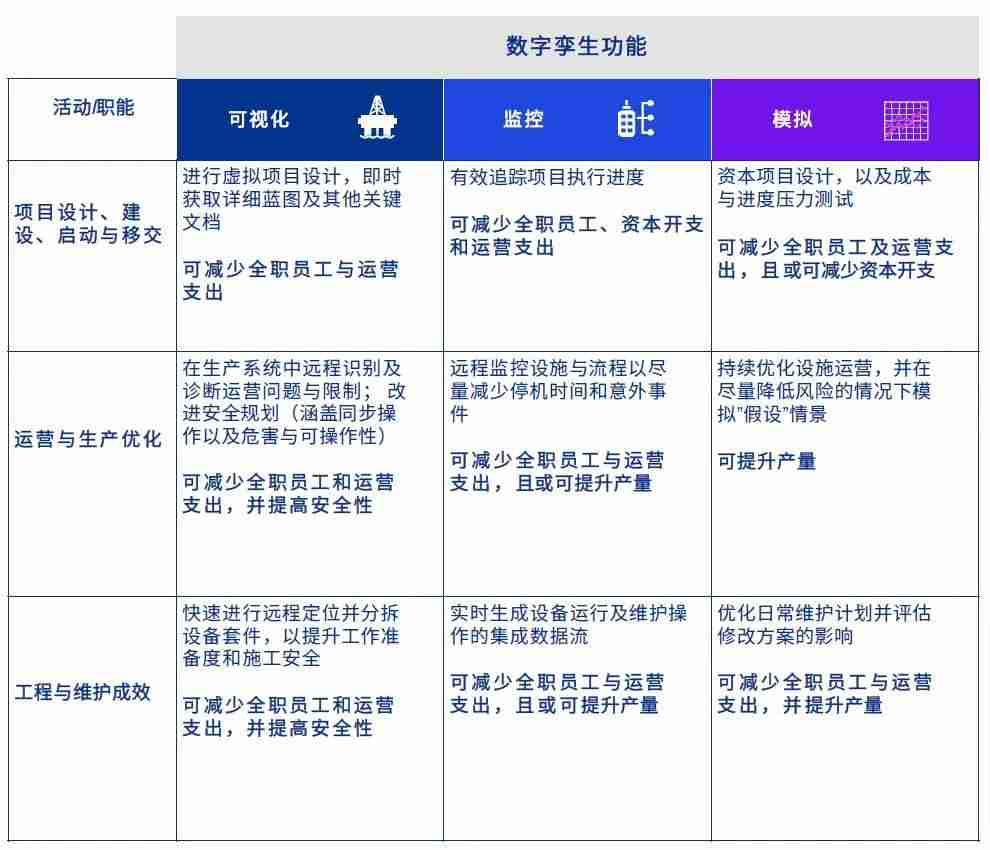
毕马威专家认为,油气行业领导者应加快数字孪生应用,以切实挖掘其价值,并提升相关技能和能力。在不久的将来,数字孪生将渗透进行业的各个环节,获益的关键在于能否具备适当的技术和能力。
毕马威观点:
1. 先整合、后应用。
首先应考虑可整合哪些数据、技术和系统,而非可应用哪些新技术。
2. 了解业务目标。
数字孪生用途广泛,可助力实现各种目标。因此,务必明确所期望的成果。
3. 通过合作创造价值。
确保业务部门与信息技术部门能紧密合作以缓释风险,并最大程度创造价值。
4. 采取务实措施。
逐步提升能力和成熟度,同时加强风控及网络安全保障。
二、数据时代的税务
在过去数年,各国税务机关、政府和非政府组织已显著改变了企业的税务环境。基于所有这些税务变革与重大战略及业务模式的变革同时发生,油气企业应继续提升税务部门的管理模式来应对此变化。随着油气企业对税务的关注度不断攀升,税务数字化转型的重要性随之增大。而推动税务部门数字化转型的驱动因素多种多样。其中,实时数据是我们认为方便、可靠的最终因素。
向数据驱动型税务转型的六大步骤:
1. 建立标准数据模型
2. 借助ERP升级
3. 以数据分析推动ESG进程
4. 拥抱智能自动化
5. 探索托管服务
6. 以人为本推动转型
获取对税务部门进行重构和转型所需的资金和许可并非易事。毕马威认为,应首先专注实现价值显著的环节,且有助于进一步推动数字化税务运营模式的小目标;其次,税务部门应了解业务需求,并根据具体业务结果调整投资要求;同时,税务部门需提高整体的专业水平和技术能力,增强现有税务人员的技能培训,或对部分业务进行外包或共建。
毕马威观点:
1. 明确税务愿景。
2. 与业务及其他相关部门对齐。
3. 通过快速成效推动转型和投资回报。
4. 寻找助力及内部支持。
5. 向税务转型专业人士寻求帮助。
三、客户、洞见与忠诚度
油气企业要在2030年后继续实现生存与繁荣,则需推进下游业务的多元化发展,而了解客户是其中的关键所在。客户忠诚度计划是获取客户数据、建立客户关系、提升交叉销售和客户忠诚度的有效途径。当前,大部分油气企业的忠诚度计划仍属第一代或第二代计划,然而第五代客户忠诚度计划早已发生显著变化。
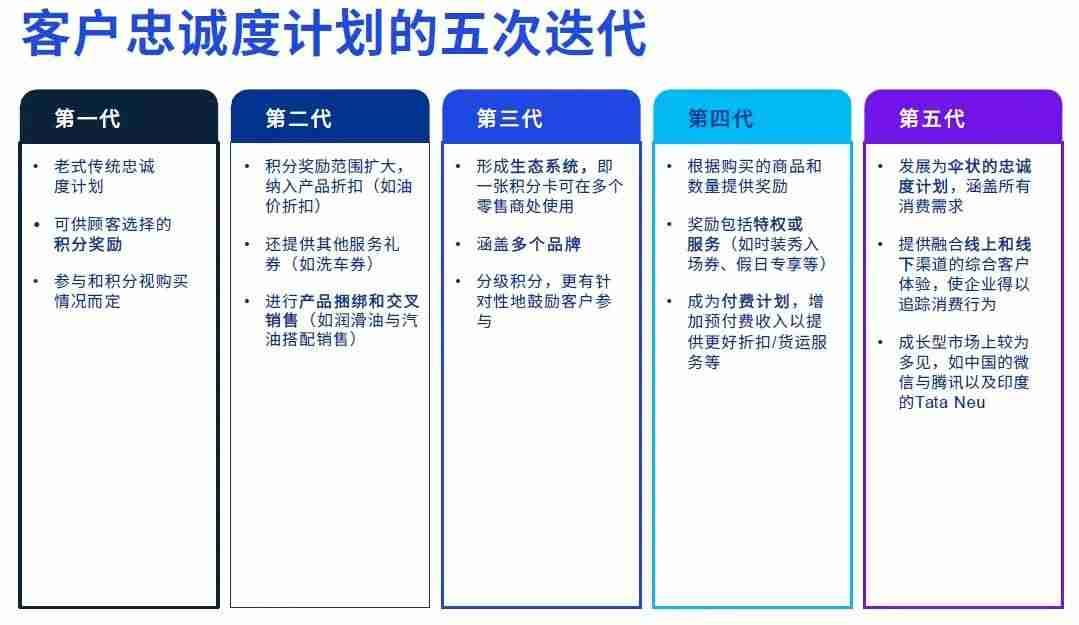
毕马威认为,为了更好地挖掘忠诚度计划的价值,油气企业应大力提升其数据收集及整合能力,采用适当的技术,以便顺利实施第三代或第四代忠诚度计划,为实施企业愿景作准备。
毕马威观点:
1. 以客户为中心是油气企业生存的关键。
2. 当前获客竞争十分激烈,客户期望也不断提升。
3. 可通过忠诚度计划获得重要的客户洞见。
4. 油气企业应重新考量其下游业务模式和能力,并着重利用客户忠诚度计划挖掘价值。
5. 为此,企业应加强自身的智链能力,并建立合作生态系统。
翻译:
The oil and gas industry has entered a period of continuous change, with oil and gas companies reshaping themselves from the bottom up. In this process, enterprises are faced with many problems, and the proper use of digital solutions is one of the best ways to cope with such changes.
This issue of Deep Change describes how oil and gas companies are leveraging digital to build customer loyalty and insight as they strive to build new business models. It also discusses how oil and gas companies can leverage digitalization to improve efficiency and strategic capabilities as their tax status continues to rise. There is also an increased focus on how digital twinning can improve operational efficiency and value across all aspects of the oil and gas value chain.
Main content and core point of view
To expand the value of digital twin
The digital twin is no stranger to oil and gas companies. Companies have been creating data portraits of assets and processes for decades. Upstream, operators digitally simulate everything from offshore platform operations to underground reservoirs; Midstream companies virtualize pipelines and processing facilities; Downstream companies use digital twin to monitor operations and optimize maintenance plans.
KPMG experts believe that oil and gas industry leaders should accelerate the application of digital twin to truly discover its value and enhance relevant skills and capabilities. In the near future, digital twin will penetrate into every aspect of the industry, and the key to benefit is to have the right technology and ability.
KPMG’s view:
- Integrate first, then apply.
The first consideration should be what data, technologies and systems can be integrated rather than what new technologies can be applied.
- Understand the business objectives.
Digital twinning is versatile and can help achieve a variety of goals. Therefore, it is important to be clear about the desired results.
- Create value through collaboration.
Ensure that business and IT work closely together to mitigate risk and maximize value.
- Take practical measures.
It will gradually improve its capability and maturity, while strengthening risk control and cybersecurity guarantee.
Taxation in the age of data
Over the past few years, tax authorities, governments and ngos have significantly changed the tax environment for businesses. With all of these tax changes occurring at the same time as significant strategic and business model changes, oil and gas companies should continue to improve the management of their tax departments in response to these changes. As oil and gas companies pay more and more attention to tax, the importance of digital tax transformation increases. The driving factors that promote the digital transformation of tax departments are various. Real-time data is the ultimate factor that we consider convenient and reliable.
Six steps to transition to a data-driven tax:
- Establish standard data model
- Upgrade with ERP
- In order to promoting the ESG process data analysis
- Embrace intelligent automation
- Explore the hosted service
- Drive transformation by putting people first
Access to the funds needed for the reconstruction and transition of the tax authorities and license will not be easy. KPMG believes it is important to focus first on delivering significant value and furthering the smaller goals of a digital tax business model; Second, tax authorities should understand business needs and adjust investment requirements according to specific business results. At the same time, the tax department should improve the overall professional level and technical ability, enhance the skill training of the existing tax personnel, or carry out outsourcing or joint construction of part of the business.
KPMG’s view:
- A clear vision of taxation.
- Align with the business and other related departments.
- Through rapid results to promote transformation and return on investment.
- Find help and internal support.
- Transformation to the tax professionals for help.
Customer, insights and loyalty
To survive and thrive beyond 2030, oil and gas companies need to diversify downstream, and understanding their customers is key. Customer loyalty programs is to obtain customer data, establishing the customer relationship, the effective ways to promote cross-selling and customer loyalty. At present, most of the oil and gas companies of loyalty programs are first or second generation plan, but the fifth generation of customer loyalty programs have changed significantly.
KPMG believes that in order to better capture the value of loyalty programs, oil and gas companies should significantly enhance their data collection and integration capabilities and adopt appropriate technologies to facilitate the implementation of third or fourth generation loyalty programs in preparation for the implementation of their corporate vision.
KPMG’s view:
- Take the customer as the center is the key to oil and gas enterprise survival.
- The current for the guest is very competitive, also enhance customer expectations.
- You can gain important customer insights through loyalty programs.
- Oil and gas companies should rethink their downstream business models and capabilities and focus on discovering value through customer loyalty programs.
- To this end, enterprises should strengthen their intellectual chain capacity and establish a cooperative ecosystem.
本文由数字化转型网(www.szhzxw.cn)转载而成,来源:毕马威行业智汇;编辑/翻译:数字化转型网宁檬树。

免责声明: 本网站(http://www.szhzxw.cn/)内容主要来自原创、合作媒体供稿和第三方投稿,凡在本网站出现的信息,均仅供参考。本网站将尽力确保所提供信息的准确性及可靠性,但不保证有关资料的准确性及可靠性,读者在使用前请进一步核实,并对任何自主决定的行为负责。本网站对有关资料所引致的错误、不确或遗漏,概不负任何法律责任。
本网站刊载的所有内容(包括但不仅限文字、图片、LOGO、音频、视频、软件、程序等) 版权归原作者所有。任何单位或个人认为本网站中的内容可能涉嫌侵犯其知识产权或存在不实内容时,请及时通知本站,予以删除。