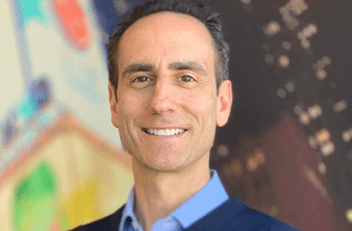
James McGlennon是总部位于波士顿的Liberty Mutual的执行副总裁兼首席信息官,该公司是全球第六大财产和意外险保险公司,在29个国家拥有4.5万多名员工。
McGlennon和他的团队负责建立、管理、维护和创新公司的全球技术组合。与许多IT领导者一样,McGlennon一直在重新构想IT,以支持业务生产力的新时代,这一行动受到大流行的加速和影响。
我认为我们的旅程在新冠疫情出现前几年就开始了。我们的目标主要围绕着敏捷、支持企业,这涉及到我们如何与业务伙伴一起为公司构建和运行软件的完全转变。几年前,我们还做出了一个决定,开始将我们所有的基础设施和后端处理转移到公共云环境中。
当然,像许多公司一样,我们在几年前就发现了数据洞察的价值,以及它带来的价值。但新冠疫情到来确实给了我们一剂强心针,让我们试图更快地进行我们知道需要进行的转型。
一、通过互联网或移动应用程序直接实现员工与客户或客户与我们之间的每一次数字化互动
(我们)已经经历了多年的旅程,以便能够通过互联网或移动应用程序直接实现员工与客户或客户与我们之间的每一次数字化互动。(但是)数字化实现的重点不仅仅是网站和移动应用程序,还包括我们如何数字化实现我们运营的所有渠道。
我们使用了从机器人过程自动化技术到机器学习接口的一切技术,帮助指导我们了解客户的需求。而且,像许多其他公司一样,我们专注于测量过程,这样我们就可以准确地看到在我们测量每一次互动时发生了什么,既从客户满意度的角度,也从事情令人困惑的角度,以及我们如何为客户提供更简单的服务。
二、数字化部门的业务指标不是技术项目的阶段性里程碑,它们是结果驱动的
我们的目标和目标,我们的业务指标,它们不是我们技术项目的阶段性里程碑。它们是结果驱动的,我们试图提高客户满意度、留存率、利润率、溢价——在所有这些改进的背景下,所有你想要的东西。
我们和我们的商业伙伴一直专注于教学,这样我们就可以一起做出更好的决定,决定我们需要在哪些方面投资未来的技术,并学习哪些工作得很好,哪些还没有达到我们想要的水平。
三、要了解我们的现有员工需要什么,我们未来的员工会寻找什么
人才争夺战是真实的。它就在那里。我们一直在努力了解我们的员工需要什么,我们未来的员工会寻找什么。
我们发现,越来越多的人对我们在ESG(环境、社会和治理)问题、多样性、公平和包容问题上的立场感兴趣。我们公司一直非常关注如何影响我们经营的社区。我们的员工对此产生了共鸣。
另一部分是不会消失的,我们需要继续对我们的员工进行再培训,提高技能,重新技能。所以,如果我们不能找到越来越多的人加入(尽管我们在这方面做得不错),我们想看看我们现有的员工基础,然后说,在未来一两年我们需要哪些我们目前还不够的技能?并启动内部再培训流程和模式。
我们专注于每年的招生过程。我们每年招聘150名左右的应届毕业生,所以我们会关注这一群体的构成,我们真的很注重多样性和包容性,在哪里可以找到更广泛的人才。
四、以人为本,保持简单,以尊严和尊重对待人们,在做决定的时候把这些放在前面和中心位置
我不会宣布胜利,也不会宣布我们拥有唯一可行的模式。我要说的是,当新冠疫情到来时,我们意识到现在的禁令不是改变我们核心原则的时候。现在还不是改变我们赖以建立决策模型的价值观的时候。
所以,像以人为本,保持简单,以尊严和尊重对待人们,所有这些事情。我们决定在做决定的时候把这些放在前面和中心位置,这对我们真的很有帮助。
我们说的另一件事是,在新冠疫情之前,我们相信我们的团队成员和我们的员工会做正确的事情。经理或高级经理或执行人员不能在组织中做出所有的决定。事实上,他们甚至不知道每天所做的所有决定。所以,你必须授权并信任人们做出正确的决定。
原文:
James McGlennon is executive vice president and CIO at Boston-based Liberty Mutual, the sixth-largest property and casualty insurer in the world, with more than 45,000 employees operating in 29 countries.
McGlennon and his team are responsible for building, managing, maintaining and innovating the company’s global technology portfolio. And like many IT leaders, McGlennon has been on a journey to reimagine IT to support a new era of business productivity, a move accelerated and shaped by the pandemic.
McGlennon sat down with Clint Boulton at CIO’s 2021 Future of Work summit to discuss the transformation journey and partnering with the business to ensure successful outcomes. What follows are edited excerpts from that conversation. For deeper insights, watch the full video interview embedded below.
On Liberty Mutual’s transformation journey:
James McGlennon: I think our journey started several years before the pandemic showed up or before the virus showed up. Our goals and objectives were very much around agile, enabling the enterprise, and that involved a complete transformation of how we build and run our software for the company with our business partners.
We also made a decision several years ago now to begin to move all of our infrastructure and backend processing out onto the public cloud environments.
And then, of course, like many companies, we identified years ago the value in data insights and what that brings to bear.
But the arrival of the pandemic and the virus really gave us a shot in the arm (no pun intended) to try to go much more quickly with the transformation that we knew we needed to make.
On accelerating digital enablement:
[We] were already on a multi-year journey to be able to digitally enable every single interaction that our employees have with our customers or that our customers have with us, either directly over the internet or over mobile applications. [But] the focus for digital enablement wasn’t simply the website and the mobile app, but also how do we digitally enable all of the channels that we that we operate in.
We’ve used everything from robotic process automation technologies to machine learning interfaces that helped guide us as to what our customers wanted. And, like a lot of other companies out there, we focused on instrumenting the journey, so that we could see exactly what was happening as we measured every interaction, both from a customer satisfaction point of view, and where were things confusing, and how might we make that more simple for our customers.
On ensuring successful business outcomes:
Our goals and objectives, our business metrics, they’re not stage-gate milestones for our technology projects. They’re outcome driven, where we tried to drive customer satisfaction, retention, margins, the premium—all of the things that you would want in the context of all these improvements.
[W]e’ve been really focused with our business partners on teaching and learning so that we make better decisions together about where we need to invest for the technologies for the future and learning what’s worked well and what hasn’t been where we wanted it to be.
On the talent challenge:
The war for talent is real. It’s out there. We’re constantly trying to understand what our employees need, what our prospective employees would look for.
What we’re finding is that more and more, people are interested in where we stand on ESG (environmental, social and governance) issues, on diversity, equity, and inclusion issues. Our company has been very focused on how we impact the communities in which we operate. Our employees really resonate with that.
The other part, which is not going away, is that we need to continue to retrain, upskill, reskill our employees. So, if we can’t find more and more people to come in (although we’re doing a decent job of that). We want to take a look at the employee base we have and say. What skills will we need in another year or two that we don’t have enough of today? And start those internal retraining processes and models.
[And] we’re focused on our annual intake process. We’ve hired some 150 or so new graduates every year, so we’re looking at the makeup of that cohort. And we’re really focused on diversity and inclusion and looking broader in terms of where we can find folks.
On making hybrid work:
I’m not going to declare victory or that we have the only model that works. I will say that when the pandemic arrived with the virus. We figured out that now the ban was not the time to change our core principles. It was not the time to change the values on which we’ve kind of built our decision-making model.
So, things like putting people first, keeping it simple, treating people with dignity and respect. All of these kinds of things. We decided we’d put those front and center in terms of the decision making. And that has of really helped us.
The other thing we said was that pre-pandemic. We trusted our team members and we trusted our employees to do the right thing. Managers or senior managers or executives can’t make all the decisions in an organization. In fact, they don’t even know all the decisions that are being made on a day-to-day basis. So, you have to empower and trust folks to make the right decision.
本文由数字化转型网翻译而成,作者:CIO staff,翻译:数字化转型网宁檬树;翻译审核:数字化转型网默然。

免责声明: 本网站(http://www.szhzxw.cn/)内容主要来自原创、合作媒体供稿和第三方投稿,凡在本网站出现的信息,均仅供参考。本网站将尽力确保所提供信息的准确性及可靠性,但不保证有关资料的准确性及可靠性,读者在使用前请进一步核实,并对任何自主决定的行为负责。本网站对有关资料所引致的错误、不确或遗漏,概不负任何法律责任。
本网站刊载的所有内容(包括但不仅限文字、图片、LOGO、音频、视频、软件、程序等) 版权归原作者所有。任何单位或个人认为本网站中的内容可能涉嫌侵犯其知识产权或存在不实内容时,请及时通知本站,予以删除。