
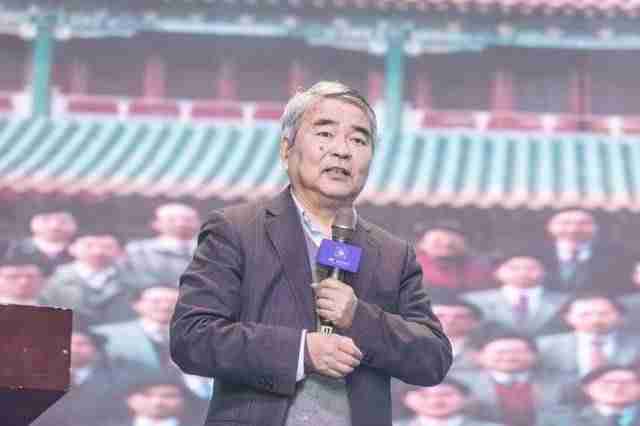
中国工程院院士,浙江大学求是特聘教授、博士生导师谭建荣表示,佛山要抓住向智能制造转型升级的机遇,推进创新设计、提升工艺、强化质量意识、延伸产品的服务、进一步拓展市场,实现“智能制造+数字化”的转型。政府也要打造良好的营商环境与数字化平台,推动制造业企业的数字化转型。
专家简介
谭建荣,中国工程院院士,中国机械工程学会副理事长,浙江大学求是特聘教授、博士生导师、机械工程学系主任、工程与计算机图形学研究所所长。其专题研究成果获得国家科技进步二等奖4项,省部级科技进步一等奖7项,教学成果获国家级优秀教学成果奖3项。此外,还曾获“国家杰出青年科学基金”、“中青年图形科技跨世纪人才”、国务院政府特殊津贴、国家863计划自动化领域CIMS主题设计自动化专题专家、国家“百千万人才第一二层次”、“科技部十五863先进个人”、“科技部十一五国家科技计划执行突出贡献奖”等荣誉和称号。近年来在国内外重要学术期刊发表高水平论文185篇,出版学术专著9本。
一、智能制造就只是建立自动化生产线吗?
记者:当前,以人工智能、大数据等技术为代表的数字经济正成为发展的新动能,作为传统的制造业正面临哪些新变化?对于当下许多制造业城市掀起的智能制造热,您有何看法?
谭建荣:经过40多年的改革开放,我国的制造业已取得巨大成就,但在新形势下,也需要应对一些新的变化与挑战,其中最突出的变化之一是市场需求的变化。过去的制造业以批量生产为主,但随着市场的变化,企业的生产逐步转向定制化;过去以大众化产品为主的局面逐步向高端化产品转变;产品从单一化转向多品种;生产周期极大缩短,产品更新换代速度加快。其中最典型的产品如手机,基本上每隔半年到一年就更新一代产品,可能某款手机很多人还没用上,马上就有了迭代产品。制造业本身也经历了机械化、电气化、信息化等过程,如今,智能化是制造业新的发展方向。新一代信息技术的飞速发展,由互联网技术发展到物联网技术,由虚拟现实技术发展到增强现实技术,由网格计算技术发展到云计算技术,由机器学习技术发展到深度学习技术,他们互相综合与交叉,于是就有了混合大数据与人工智能技术的智能制造。
当下许多地方政府、企业发展智能制造的积极性很高,但对智能制造的理解却存在一些偏差。许多企业家,甚至部分专家认为,智能制造就是建立自动化生产线。然而,自动化生产线只是智能制造的初级阶段。智能制造是把人工智能技术跟产品设计、制造技术等融合起来,并采用智能技术来解决制造问题的过程。具体而言,是在生产制造时对产品全生命周期中的设计、加工、装配等制造活动进行知识表达与学习、信息感知与分析、智能决策与执行,实现制造过程、制造系统与制造装备的知识推理、动态传感、自主决策。发展智能制造可不只自动化生产线,还需要打造数字化车间。这需要机器人技术、人工智能技术,要用好这两项技术,则又需要利用好数字技术、网络技术。
二、推进智能制造需攻克八大关键技术
记者:制造业要实现智能化的转型升级,需要重点关注哪些关键技术与环节?
谭建荣:个人认为主要有八个关键技术需要重点关注,分别是:深度学习算法、增强学习算法、模式识别算法、机器视觉算法、数据搜索方法、知识工程方法、自然语言理解以及类脑交互决策。其中,前四个算法是人工智能初级阶段所需要的算法。当下许多地方人工智能搞得“轰轰烈烈”,但大多都还停留在人工智能技术应用层面,对人工智能算法的研究还很少。然而,不研究人工智能算法就无法掌握人工智能的核心技术,所以行业需要有更多的数学家、企业来关注人工智能的算法研究。人工智能的中级阶段主要需要数据搜索方法,即大数据。从技术的角度来看,是大数据挽救了人工智能,实际上人工智能过去60多年的发展进程非常缓慢,直到有了大数据与超算人工智能才得以实用化。而在人工智能的高级阶段,需要自然语言理解和类脑交互决策的技术。
人工智能的最核心问题是知识工程,因而智能制造的核心问题自然是知识库和知识共存。制造业企业的设备、厂房固然重要,但最重要企业为行业带来的新知识。经过中兴事件、华为事件,许多人突然明白,判断企业在行业里是否领先的标准,主要是其能否为行业提供新知识?这些新知识既包括新技术与新工艺,也包括新工具与新产品。要实现向智能制造转型,就要把各个企业宝贵的制造经验、制造知识,设计人员的设计知识、设计经验,管理人员的管理知识和销售人员的销售知识总结出来,智能制造要以知识共存为主导。
当下,我国制造业最大的短板还不是芯片,而是工业软件。为何工业软件一般不由软件公司而是由工业部门与工业企业开发出来的?原因就在于工业软件凝聚了大量的工业知识,是企业制造知识的集聚。某种意义上,制造知识是智能制造的灵魂。当然,无论是哪种技术的运用,关键在于其能不能提升产品设计技术与制造技术。
三、迈向“佛山智造”的五大路径
记者:佛山是制造业大市,要实现数字化转型升级,实现从“佛山制造”向“佛山智造”的转变,您认为有何路径?
谭建荣:改革开放以来,广东经济发展一直走在全国前列,而佛山制造业是广东的样板,甚至是全国的一个样板。但要实现制造业的数字化转型,佛山还有很多工作要做。整体而言,佛山的制造业还处于产业链的中下游,要实现智能制造+数字化的转型,个人认为有以下几个路径:
一是智能制造+创新设计。数字化转型能不能成功,关键在于能否打响自身的品牌。此前佛山制造业大多都是用“性价比”打开市场,但久而久之会落得个便宜没好货的评价。其中正面的例子当属华为。华为手机靠其创新设计,一定程度上摆脱了过去国产手机低端的形象,获得了市场的认可。当下,许多地方都在发展智能制造,但其智能制造的项目却鲜有涉及智能设计,殊不知设计是制造的第一项活动,没有智能设计哪来的智能制造?当下,佛山制造业真正具有创新设计、自主设计、自主品牌的产品还比较少,可借发展智能制造的机会推动智能设计,提升企业的设计能力、创新能力和自主品牌的打造能力。
二是智能制造+工艺提升。当下,智能制造亟须解决传统工艺的一些遗存问题:第一,许多制造企业的传统的工艺正面临消亡的威胁。以机床行业为例,其工作基础性强,工作量大,工作累,收入却不高,这导致很多传统工艺的宝贵知识面临断代。当下,我们可以利用数字化技术与智能制造,把过去老师傅的经验以及工艺知识写进软件,用以培训新的师傅、新的工人。第二是过去很多工艺都是建立在手工制造的基础上,如何才能适应机械加工与自动化流水线以及新材料、新装备、新工具的新要求?智能制造是答案中一个重要的选项。
三是通过智能制造来强化质量。国内一些制造业方面的专家曾提出疑惑,为什么德国的工业4.0没怎么提到有关质量的问题?后来一位德国的专家解答了疑问:因为对质量的重视,早在100年前已经成为德国企业根深蒂固的共识。我们国家在这方面的还处于初期阶段,比如现在一些电商平台上就还充斥着大量质量低下的产品,许多企业都还没能认识到质量问题是企业的生命线,所以我们要通过智能制造去强化质量意识。
四是通过智能制造延伸产品服务。制造企业要通过智能制造转向“制造服务业”,不只是产品,还可以通过制造来服务社会。
五是利用智能制造拓展市场。现在许多企业往往最困惑的是他们的产品到底是谁需要,他们的市场在哪?而对于智能制造,市场就在大数据里。数据不仅是数字化企业的重要资源,也是我们国家的重要资源与生命线,我们要通过智能制造中的数据,来进一步延伸服务,拓展市场。
总而言之,佛山的制造业要实现数字化转型与智能化升级,企业要增强自身的创新能力,加大对创新的投资,做好产学研的结合,把国内外大批优秀人才吸引到佛山来,并结合企业与所在行业的特点来提升智能化水平,用好机器人、人工智能、互联网以及大数据等技术。政府则要打造一个公平、宽松的营商环境,打造数字化平台,通过数字化、智能化、网络化的手段,帮助企业从技术上、管理上、营销上实现数字化制造与数字化销售,推动制造业企业的数字化转型。
四、理论驿站:从马力到算力,人工智能亟待算力升级
编者按:近年来的智能制造热往往犯了同一个错误:以为建设自动化生产线,就完成智能制造的升级。智能制造与传统制造最大差别之一,是在对人工智能技术的运用上,所以要完成智能制造升级,必定绕不开人工智能技术的重要支撑——算力。
近日,一份有关人工智能的报告——《2020-2021中国人工智能计算力发展评估报告》出炉。报告预测,随着人工智能算法的突飞猛进,到2024年中国人工智能市场规模将达到172.2亿美元,中国将成为全球人工智能产业增长的重要驱动力和中坚力量。
然而,报告也再次点出人工智能发展过程中一个普遍存在的需求和挑战——算力,这是未来人工智能应用取得突破的决定性因素。
具体来看,缺乏模型训练所需的数据、算力基础架构存在不足,以及人工智能应用方案的成本过高等因素,是人工智能行业发展目前面临的主要挑战。而在人工智能三要素——数据、算法和算力中,算力已成为制约人工智能产业进一步发展的关键。
算力究竟有多重要?用中国工程院院士、浪潮集团首席科学家王恩东的话说,人类社会已经快速步入到智慧时代,算力是这个时代的核心驱动力、生产力。王恩东说,一个国家的GDP与其算力呈现出明显的正相关关系,全球GDP排名前五的国家,与全球服务器出货量前五名几乎一致。而今天市值排名前十的巨头,比如苹果、亚马逊、谷歌、脸书,等等,毫无例外地都是全球服务器采购量最靠前的公司。从某种意义上说,算力就是生产力。
在人工智能专家看来,要让人工智能进一步产业化、变得更“聪明”,还要看算力的表现。未来人工智能将越来越强大,成为一个基础性的技术,相应地,它对算力的要求也将越来越高。2020年4月,国家发展改革委首次明确“新基建”的范围,其中就包括以数据中心、智能计算中心为代表的算力基础设施。报告也提出,人工智能计算能力侧面反映了一个国家最前沿的创新能力,对于人工智能算力的投入,也说明国家在战略层面对人工智能的重视,以及企业希望通过人工智能的发展契机提升核心竞争力的迫切愿景。
人工智能要想变得“聪明”,算力升级势在必行
翻译:
Tan Jianrong, academician of Chinese Academy of Engineering, Qiushi Distinguished professor and doctoral supervisor of Zhejiang University, said that Foshan should seize the opportunity of transformation and upgrading to intelligent manufacturing, promote innovative design, improve technology, strengthen quality awareness, extend product services, further expand the market, and realize the transformation of “intelligent manufacturing + digitalization”. The government should also create a good business environment and digital platform to promote the digital transformation of manufacturing enterprises.
Expert profile
Tan Jianrong, Academician of the Chinese Academy of Engineering, Vice president of the Chinese Society of Mechanical Engineering, Distinguished Professor, doctoral supervisor, Dean of the Department of Mechanical Engineering and Director of the Institute of Engineering and Computer Graphics of Zhejiang University. Its research achievements have won 4 second prize of National Science and Technology Progress Award, 7 first prize of provincial science and technology Progress award, and 3 national Excellent Teaching Achievement Awards.
In addition, He has also won the “National Science Foundation for Outstanding Young People”, “Young and middle-aged Graphics Technology Cross-century Talents”, the special government allowance of The State Council, the CIMS theme design automation special expert in the automation field of the National 863 Program, the national “One and two Levels of Tens of Millions of Talents”, “Fifteen 863 Advanced Individuals of the Ministry of Science and Technology”, “Outstanding Contribution Award for the Implementation of the 11th Five-Year National Science and Technology Program”. And other honors and titles. In recent years, he has published 185 high-level papers and 9 academic monographs in important academic journals at home and abroad.
Intelligent manufacturing is just the establishment of automatic production lines?
Reporter: At present, the digital economy represented by artificial intelligence, big data and other technologies is becoming a new driving force for development. What are the new changes facing the traditional manufacturing industry? What do you think of the smart manufacturing craze in many manufacturing cities?
Tan Jianrong: After more than 40 years of reform and opening up, China’s manufacturing industry has made great achievements. However, under the new situation, we also need to deal with some new changes and challenges. One of the most prominent changes is the change of market demand. In the past, the manufacturing industry was based on mass production, but with the change of the market, the production of enterprises gradually turned to customization. In the past mainly popular products to high-end products gradually change; Products from single to multiple varieties; The production cycle is greatly shortened and the product replacement speed is accelerated.
The most typical products, such as mobile phones, are updated every six months to a year. Many people may not use a certain mobile phone, but have an iterative product immediately. The manufacturing industry itself has also experienced mechanization, electrification, information and other processes. Now, intelligence is the new development direction of the manufacturing industry. With the rapid development of the new generation of information technology, from the Internet technology to the Internet of Things technology, from virtual reality technology to augmented reality technology, from grid computing technology to cloud computing technology, from machine learning technology to deep learning technology, they integrate and cross each other, so there is a combination of big data and artificial intelligence technology intelligent manufacturing.
At present, many local governments and enterprises are highly motivated to develop intelligent manufacturing, but there are some deviations in the understanding of intelligent manufacturing.
Many entrepreneurs and even some experts believe that intelligent manufacturing is the establishment of automated production lines. However, automated production lines are only the initial stage of intelligent manufacturing. Intelligent manufacturing is a process that integrates artificial intelligence technology with product design and manufacturing technology, and uses intelligent technology to solve manufacturing problems. Specifically, knowledge expression and learning, information perception and analysis, intelligent decision-making and execution of manufacturing activities such as design, processing and assembly in the whole life cycle of products are carried out during production and manufacturing, so as to realize knowledge reasoning, dynamic sensing and autonomous decision-making of manufacturing process, manufacturing system and manufacturing equipment. Developing intelligent manufacturing requires not only automated production lines, but also digital workshops. This requires robotics and artificial intelligence technology. To make good use of these two technologies, digital technology and network technology are also needed.
To promote intelligent manufacturing needs to overcome eight key technologies
Reporter: What key technologies and links should we focus on to realize intelligent transformation and upgrading of the manufacturing industry?
Tan Jianrong: In my opinion, there are eight key technologies that need to be focused on, which are deep learning algorithm, enhancement learning algorithm, pattern recognition algorithm, machine vision algorithm, data search method, knowledge engineering method, natural language understanding and brain-like interactive decision making. Among them, the first four algorithms are needed in the early stages of artificial intelligence. At present, many places have carried out “vigorous” artificial intelligence. But most of them are still in the application level of artificial intelligence technology, and there is little research on artificial intelligence algorithm.
However, it is impossible to master the core technology of artificial intelligence without studying artificial intelligence algorithm. So the industry needs more mathematicians and enterprises to pay attention to the algorithm research of artificial intelligence. The intermediate stage of AI mainly requires data search methods, known as big data. From the technical point of view, it is big data that saved artificial intelligence. In fact, the development process of artificial intelligence over the past 60 years was very slow until the big data and supercomputer artificial intelligence was put into practice. In the advanced stages of artificial intelligence, natural language understanding and brain-like interactive decision-making techniques are needed.
The core problem of artificial intelligence is knowledge engineering, so the core problem of intelligent manufacturing is naturally the coexistence of knowledge base and knowledge.
The equipment and plant of the manufacturing enterprise is important. But the most important enterprise brings new knowledge to the industry. After the ZTE and Huawei incidents, many people suddenly understand that the main criterion to judge whether an enterprise is leading in the industry is whether it can provide new knowledge to the industry. This new knowledge includes not only new technologies and processes, but also new tools and products. In order to realize the transformation to intelligent manufacturing. It is necessary to sum up the valuable manufacturing experience, manufacturing knowledge of each enterprise, design knowledge, design experience, management knowledge and sales knowledge of sales personnel. Intelligent manufacturing should be guided by the coexistence of knowledge.
At present, the biggest weakness in Chinese manufacturing industry is not chip, but industrial software. Why is industrial software generally developed not by software companies but by industry departments and industrial enterprises? The reason is that industrial software condenses a lot of industrial knowledge and is the agglomeration of enterprise manufacturing knowledge. In a sense, manufacturing knowledge is the soul of intelligent manufacturing. Of course, no matter what kind of technology is used. The key lies in whether it can improve product design technology and manufacturing technology.
Five paths towards “Foshan intelligent Manufacturing”
Reporter: Foshan is a major manufacturing city. What do you think is the path to digital transformation and upgrading, from “Made in Foshan” to “made in Foshan”?
Tan Jianrong: Since the reform and opening up, Guangdong has been leading the country in economic development. And Foshan’s manufacturing industry is a model for Guangdong, and even for the whole country. But Foshan still has a lot of work to do to transform manufacturing digitally. On the whole, Foshan’s manufacturing industry is still in the middle and lower reaches of the industrial chain. In order to realize the transformation of intelligent manufacturing + digitalization, I think there are several paths as follows:
First, intelligent manufacturing + innovative design.
The key to the success of digital transformation lies in the success of its own brand. Foshan’s manufacturing industry previously mostly used “cost performance” to open the market. But over time will end up cheap and no good goods evaluation. One positive example is Huawei. Thanks to its innovative design, Huawei phones have to some extent gotten rid of the low-end image of domestic phones in the past and gained market recognition. At present, many places are developing intelligent manufacturing, but its intelligent manufacturing projects rarely involve intelligent design. But design is the first activity of manufacturing, without intelligent design where intelligent manufacturing? At present, Foshan manufacturing industry has few truly innovative design, independent design, independent brand products, can take the opportunity to develop intelligent manufacturing to promote intelligent design, improve the design ability, innovation ability and independent brand building ability of enterprises.
Second, intelligent manufacturing + process upgrading.
At present, intelligent manufacturing urgently needs to solve some residual problems of traditional technology. First, the traditional technology of many manufacturing enterprises is facing the threat of extinction. Take the machine tool industry as an example, its work foundation is strong. The workload is heavy, the work is tired. But the income is not high, which leads to a lot of valuable knowledge of traditional technology facing the generation. Today, we can use digital technology and intelligent manufacturing to take the experience and process knowledge of old masters and write it into software to train new masters and new workers. Second, many processes in the past are built on the basis of manual manufacturing. How to adapt to mechanical processing and automatic assembly line and new materials, new equipment, new tools of the new requirements? Intelligent manufacturing is an important part of the answer.
Third, strengthen quality through intelligent manufacturing.
Some domestic manufacturing experts have wondered why Germany’s Industry 4.0 has so little to say about quality. Later, a German expert answered the question: Because of the emphasis on quality. As early as 100 years ago has become the deep-rooted consensus of German enterprises. Our country is still in the early stage in this regard. For example, some e-commerce platforms are still full of a large number of low-quality products. And many enterprises have not realized that quality is the lifeline of enterprises. Therefore, we need to strengthen the awareness of quality through intelligent manufacturing.
Fourth, extend product services through intelligent manufacturing.
Manufacturers should turn to “manufacturing services” through smart manufacturing. In which they can serve society through manufacturing as well as products.
Fifth, use intelligent manufacturing to expand the market.
Nowadays, many enterprises are often most confused about who needs their products and where their market is. For intelligent manufacturing, the market is in big data. Data is not only an important resource for digital enterprises, but also an important resource and lifeline for our country. We should further extend services and expand the market through data in intelligent manufacturing.
In a word, the manufacturing industry in Foshan should realize digital transformation and intelligent upgrading. Enterprises should enhance their own innovation ability, increase investment in innovation, do a good job in the combination of production, university and research, attract a large number of outstanding talents at home and abroad to Foshan. And combine the characteristics of enterprises and industries to improve the level of intelligence. And make good use of robotics, artificial intelligence, Internet and big data technologies. The government should create a fair and relaxed business environment, build a digital platform. And help enterprises realize digital manufacturing and digital sales in technology, management and marketing through digital, intelligent and networked means. So as to promote the digital transformation of manufacturing enterprises.
Theoretical Station: From horsepower to computing power, AI is in urgent need of computing power upgrade
Editor’s note: The smart manufacturing craze in recent years often makes the same mistake:. It assumes that the construction of automated production lines will complete the upgrade of smart manufacturing. One of the biggest differences between intelligent manufacturing and traditional manufacturing is the application of artificial intelligence technology. Therefore, to complete the upgrade of intelligent manufacturing. We must not get around the important support of artificial intelligence technology — computing power.
Recently, a report on artificial intelligence — China’s AI computing Power Development Assessment Report 2020-2021 was released. The report predicts that with the rapid progress of AI algorithms, the scale of China’s AI market will reach $17.22 billion by 2024. And China will become an important driving force and backbone of the growth of the global AI industry.
However, the report also highlighted once again a common need and challenge in the development of AI — computing power, which is the decisive factor for future breakthroughs in AI applications.
Specifically, the lack of data required for model training, the insufficient computing infrastructure, and the high cost of AI application solutions are the major challenges facing the development of AI industry. Among the three elements of artificial intelligence — data, algorithm and computing power, computing power has become the key to restrict the further development of artificial intelligence industry.
How important is computing power?
In the words of Wang Endong, an academician of the Chinese Academy of Engineering and chief scientist of Inspur Group, human society has quickly stepped into the era of wisdom, and computing power is the core driving force and productivity of this era. Wang Endong said that a country’s GDP shows a clear positive correlation with its computing power, and the top five countries in the world’s GDP are almost the same as the top five countries in global server shipments. And today’s top 10 giants by market capitalization — Apple, Amazon, Google, Facebook, and so on — are, without exception, the world’s top server buyers. In a sense, computing power is productivity.
In the opinion of AI experts, to further industrialize AI and make it more “smart”, it still depends on the performance of computing power. In the future, artificial intelligence will become more and more powerful and become a basic technology, and correspondingly, its requirements for computing power will be higher and higher. In April 2020, the National Development and Reform Commission defined the scope of “new infrastructure” for the first time, including the computing infrastructure represented by data centers and intelligent computing centers. The report also points out that the computing capacity of artificial intelligence reflects a country’s cutting-edge innovation ability, and the investment in computing power of artificial intelligence also indicates the country’s strategic importance to artificial intelligence and the enterprise’s urgent vision to enhance its core competitiveness through the development opportunity of artificial intelligence.
In order for AI to become “smart”, it must upgrade its computing power
本文由数字化转型网(www.szhzxw.cn)转载而成,来源:搜狐;编辑/翻译:数字化转型网宁檬树。

免责声明: 本网站(http://www.szhzxw.cn/)内容主要来自原创、合作媒体供稿和第三方投稿,凡在本网站出现的信息,均仅供参考。本网站将尽力确保所提供信息的准确性及可靠性,但不保证有关资料的准确性及可靠性,读者在使用前请进一步核实,并对任何自主决定的行为负责。本网站对有关资料所引致的错误、不确或遗漏,概不负任何法律责任。
本网站刊载的所有内容(包括但不仅限文字、图片、LOGO、音频、视频、软件、程序等) 版权归原作者所有。任何单位或个人认为本网站中的内容可能涉嫌侵犯其知识产权或存在不实内容时,请及时通知本站,予以删除。