什么是数字化转型的本质?我们认为,数字化转型的本质是,在数据+算法定义的世界中,以数据的自动流动化解复杂系统的不确定性,优化资源配置效率,构建企业新型竞争优势。
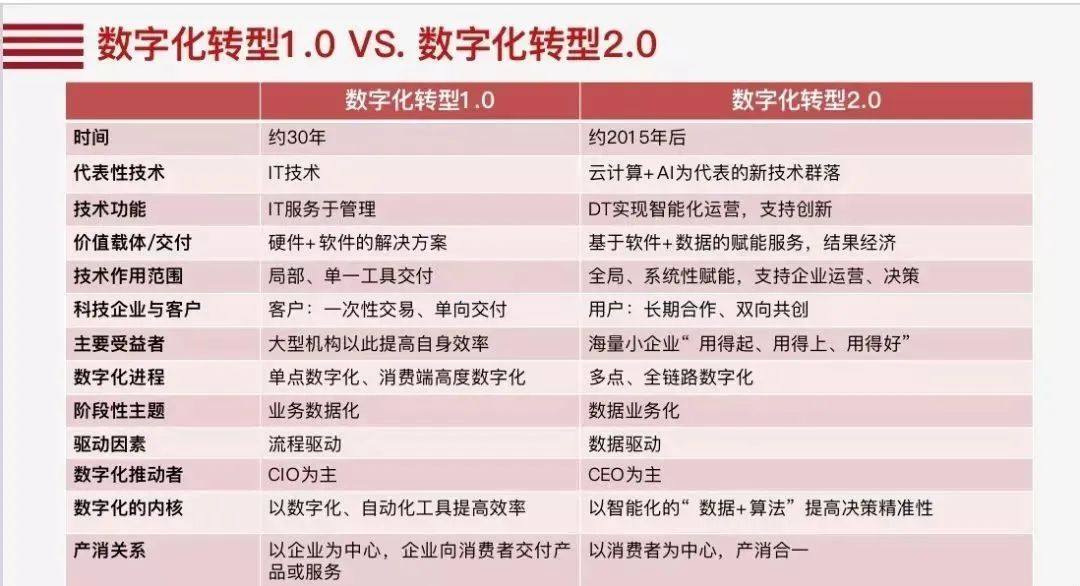
当前,全球信息通信技术正进入技术架构大迁徙时代,企业数字化转型正在经历从基于传统IT架构的信息化管理(数字化转型1.0),迈向基于云架构的智能化运营(数字化转型2.0)。
如何理解和认识企业数字化转型,这十个关键词也许可以帮助勾勒出数字化转型的本质:
1、不确定性
2、复杂系统
3、竞争的本质
4、转型的逻辑起点
5、工具革命
6、决策革命
7、数据的自动流动
8、软件的本质
9、技术架构的大迁移时代
10、体系重构
一、不确定性
只有深刻认识不确定性,才能深刻理解数字化转型的本质。
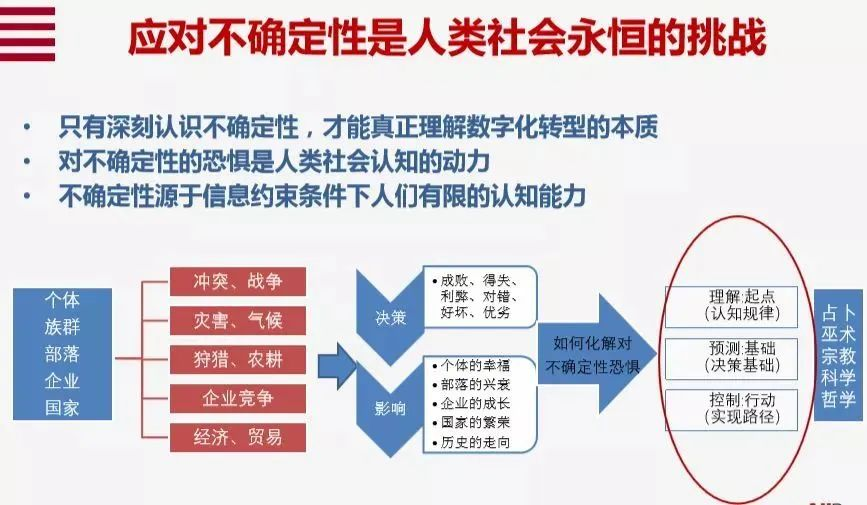
对不确定性的恐惧是人们认知社会规律的内在动力。人类社会的发展史就是一部对抗不确定性、寻求人类命运发展确定性的历史,对不确定性的恐惧和对确定性的追求一直伴随着人类社会的发展和演进。
如何化解不确定性呢,我们可以看下这“三部曲”。
第一,理解和认知世界运行的规律,是化解不确定性的逻辑起点。
第二,理解运行规律之后需要预测将会发生什么,这是决策的基础和依据。
第三,控制是将决策付诸行动的具体路径。
面对不确定性如何决策?
一直以来,人类社会一直面临的重大挑战:如何在不确定性的环境中进行决策。从游牧社会、农业社会、工业社会到信息社会,这都是一个永恒的话题。每一个重大决策的背后是基于什么?是科学。
今天,风电功率预测、工程机械设备全生命周期运维、盒马鲜生对生鲜食品的品类及数量选择、淘宝首页的千人千面的背后,构建了新的决策机制:数据+算法。 数字化转型网www.szhzxw.cn
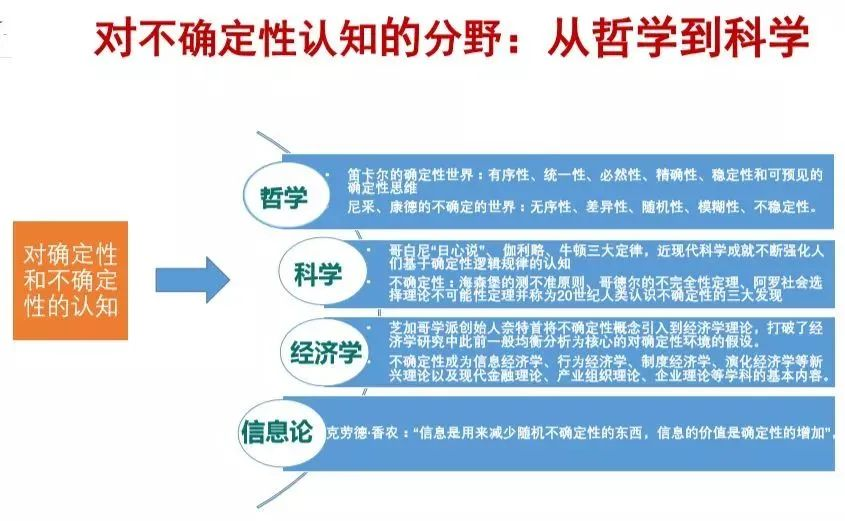
对不确定性认知的分野:从哲学到科学
对于不确定性的认知,也是从哲学、科学、经济学分化的一个重要的因素。回到数字化本质,那就是在数据+算法定义的世界中,化解复杂系统的不确定性。
二、复杂系统
从万物互联到万物智能
没有网络的世界是一个机械系统。随着传感器、互联网、物联网的出现,IoT时代正在到来,所有的产品最终都将成为一个网络终端。未来,所有的产品功能将由四个基本模块构成:动力部件、执行部件、智能部件、互联部件。未来的智能产品可以监测、控制、优化,产品的功能灵活性、易扩展性、安全性、可管理性都得到提高。 数字化转型网www.szhzxw.cn
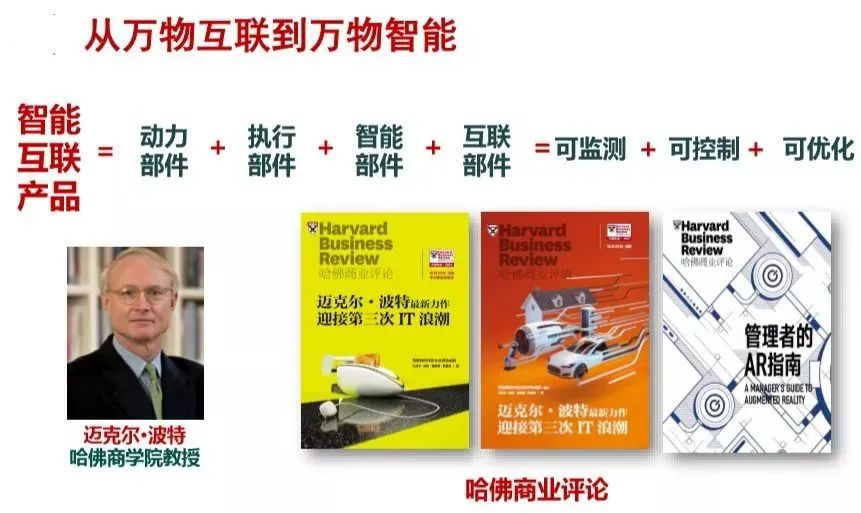
单一产品走向复杂系统,从机械系统走向生物系统
万物互联网使得孤立产品走向复杂产品网体系。约翰迪尔公司(John Deere)作为全球最大的农业机械制造商和世界第二大工程机械制造商,其产品沿着传统产品→智能产品→智能互联产品→产品系统→产品体系的路径逐步演变。它不仅仅是一个产品,而且成为一个网络体系的组成部分。当成为一个网络体系组成部分的时候,就从一个原有的机械系统演变成复杂的生物系统。
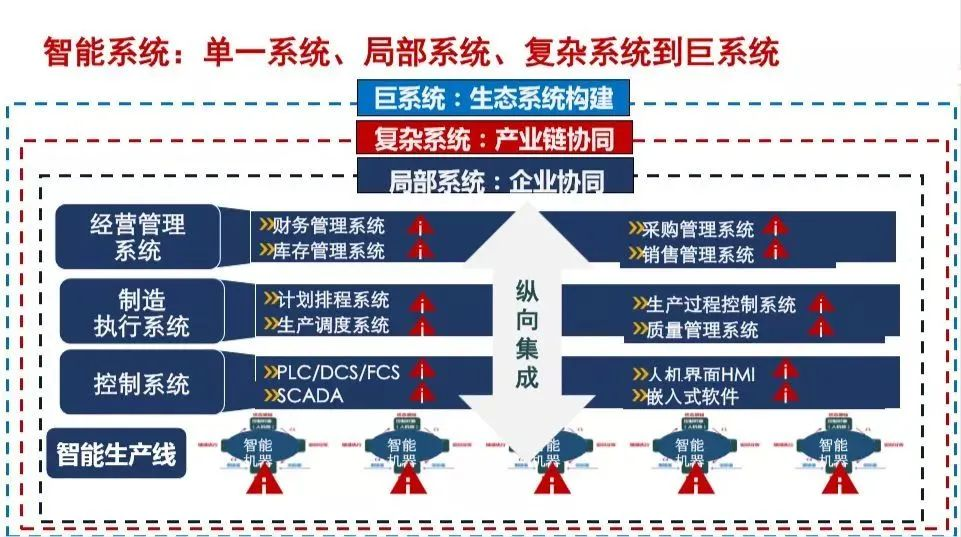
智能系统:单一系统、局部系统、复杂系统到生态系统
在智能制造领域,可定义的最小模块是具有感知、分析、优化、执行功能的智能单元,如数控机床、智能机器人、AGV小车以及刀具管理、工装管理系统等,这些最小智能单元散布在制造体系的各个角落。
随着物联网、边缘计算、工业互联网等新的架构和技术体系的出现,以及市场需求对跨企业、跨环节、大尺度资源优化的需求,最小的智能单元从一个小系统被不断接入企业内部大系统,企业内部大系统与上下游实现互联互通互操作,构建复杂产业链系统。
在此基础上,当企业把产业链系统向整个社会开放时,开始构建起一个复杂巨系统。那我们可以看出来,商业和制造系统变得越来越复杂,从一个机械系统演变成了一个复杂生物系统。
今天,当人们在理解制造业、理解智能制造的时候,我们要换一个视角,我们从一种静态思维、机械化思维,走向生态思维、系统思维。 数字化转型网www.szhzxw.cn
三、竞争的本质
什么是企业?企业竞争的本质是什么?这是我们在理解数字化转型,必须要思考的问题。
企业是一种组织,是跟市场、政府一样,配置资源的组织。企业是一种替代市场进行资源配置的组织,是将技术、资本、人才、土地、机器设备等资源组织起来,以更高效、更低成本满足客户需求的组织。企业竞争的本质是什么?
企业竞争的本质就是资源配置效率的竞争,就是要以数据自动流动化解复杂系统的不确定性,优化提高企业资源的配置效率。如何提高资源优化配置效率,其核心是如何实现科学决策、精准决策、高效决策。
四、转型的逻辑起点
数字化转型的逻辑起点:适应竞争环境的快速变化
数字化转型首先需要思考的问题是,转型的逻辑起点是什么?
是企业如何适应竞争环境的快速变化。智能是一个主体对外部环境的变化做出反应能力,这个主体可以是一个人、一个机器、一个设备、一个组织、一个企业等。
工业4.0、智能制造等要解决的核心问题就是,面对客户需求的变化,企业如何适应和跟上这一快速的变化,如何更好地满足客户需求,这是数字化转型的逻辑起点。 数字化转型网www.szhzxw.cn
消费者的需求已经发生改变
在过去,消费者追求的更多是性价比、产品功能、耐用性等功能诉求;而今天,年轻的消费者不仅仅关注功能性诉求,而且关注内容、服务、参与度、社交体验、分享与交流等体验诉求。消费者的需求已变化,我们的供给能否跟上消费者需求的变化。
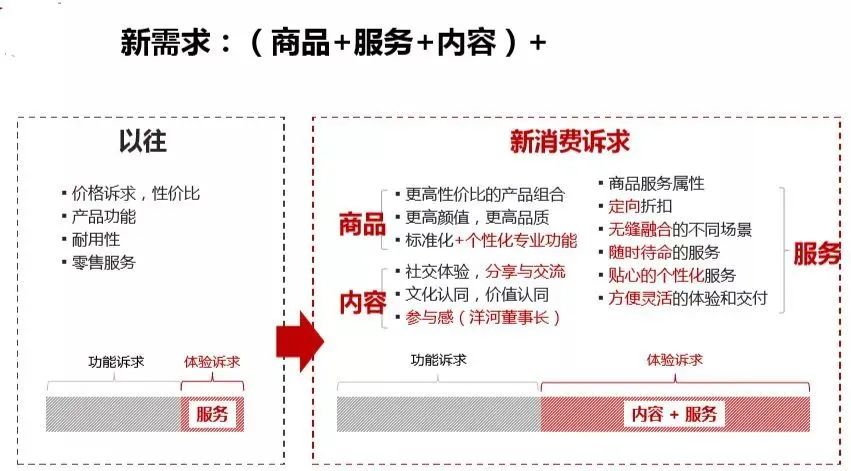
制造企业需要面对不确定性快速做出反应
制造企业如何面对不确定性,在外界环境发生变化时,如何能够快速地、实时地、精准地做出反应。这背后体现的是一种能力。
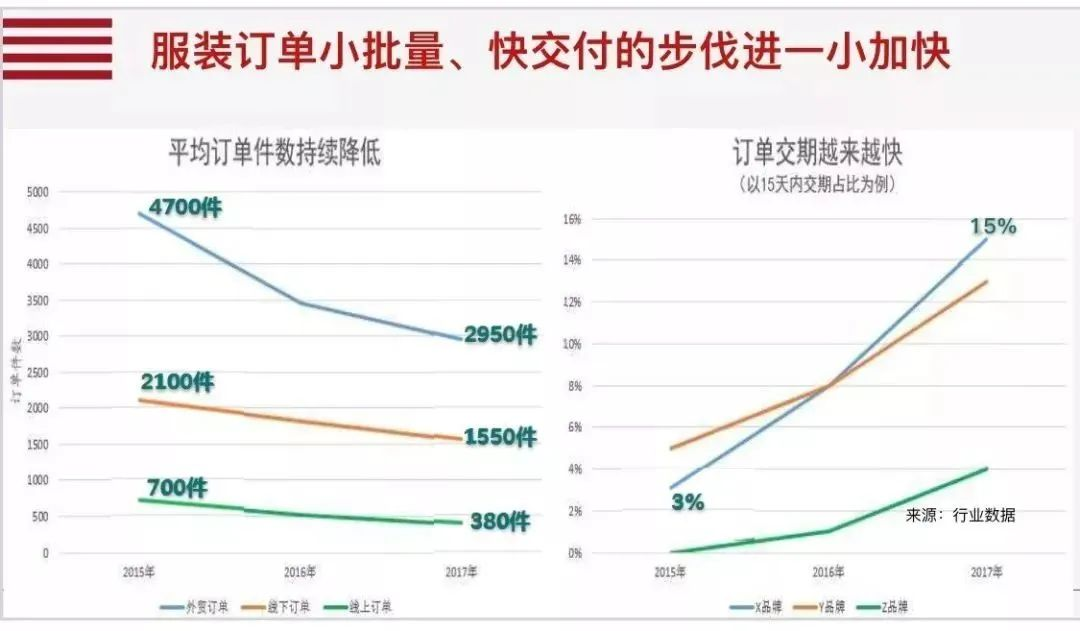
中国是全球最大的服装出口基地,过去一个外贸服装订单量可以达到百万级,后来订单量下降到了十万、五万级,今天服装的外贸订单最小批量只有3000件左右,线下订单达到1500件、线上达到380件。
但同时,订单的交期从过去的一年、半年、三个月进一步压缩到15天,有些品牌厂商15天交期产品的比重已占所有产品的15%。而具备15天交期能力的代工厂,其单件产品的议价能力比大规模生产厂家高出30%。对于智能制造和数字化转型而言,其要解决的核心问题是如何解决小批量、多品种、短交期的问题。 数字化转型网www.szhzxw.cn
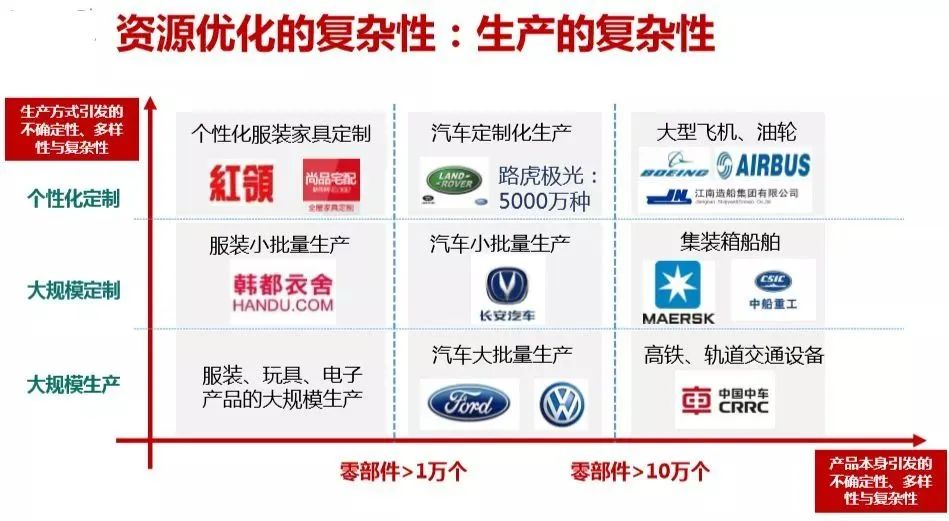
商业和制造系统的复杂性
商业和制造业变得越来越复杂,这个复杂性至少可以从两个维度去观察。
第一,产品本身越来越复杂。过去,仅仅是一个机械产品,现在变成了智能互联的产品,产品增加传感器、通信模块、计算模块、软件等,产品变得越来越复杂。
第二,需求变得越来越复杂。从大规模生产、大规模定制到个性化定制是一个不断演进的过程。当需求变得很复杂的时候,给企业研发、设计、生产带来一系列的挑战。
五、工具革命
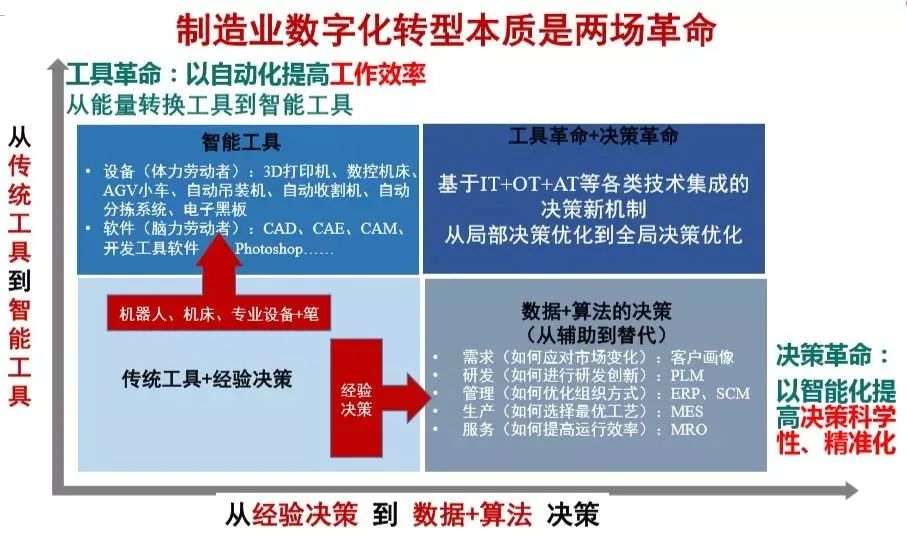
数字化转型,本质是两场革命:工具革命和决策革命。人们去一个地方可以选择不同的工具,工具决定了能走得多快;但是,离目的地是不是越来越近,还取决于你的决策是否正确。数字化转型本质上就是解决两个基本问题:正确地做事和做正确的事。
我们从这两个维度上观察和理解企业的数字化转型:
从工具革命的维度看,自动化的工具提高了体力劳动者和脑力劳动者的效率,传统的机器人、机床、专业设备等传统工具正升级为3D打印、数控机床、自动吊装设备、自动分检系统等智能工具,传统能量转换工具正在向智能工具演变,大幅提高了体力劳动者效率;同时CAD、CAE、CAM等软件工具提高了脑力劳动者的工具效率。 数字化转型网www.szhzxw.cn
从决策革命的维度看,企业内部 EPR、CRM、SCM、MES等通用软件和自研软件系统,通过不断挖掘、汇聚、分析消费者以及研发、生产、供应链等数据,基于数据+算法构建一套新的决策机制,替代传统的经验决策,实现更加高效、科学、精准、及时的决策,以适应需求的快速变化。
工具革命:从能量转换工具到智能工具
马克思在几百年前就说过“手推磨产生的是封建主的社会,蒸汽磨产生的是工业资本家的社会”。马克思也说过各种经济时代的划分,不在于生产什么,而在于怎样进行生产,用什么样的劳动资料生产。
通过劳动工具的差异将人类社会划分为农业社会、工业社会、信息社会。定义工业社会最重要的工具叫做能量转换的工具,蒸汽机、内燃机、纺织机等都是能量转换的工具。信息社会是什么工具呢?
信息社会的工具是在传统工业社会能量转换的工具基础上,增加了传感、通信、计算、处理等智能模块,能量工具转变成为一种智能工具,如智能机器人、数控机床、AGV小车等都是在能量转换的基础上加载了传感、控制、优化等智能要素。 数字化转型网www.szhzxw.cn
无论是体力劳动者,还是脑力劳动者,通过新的工具,提高了生产、研发效率。
六、决策革命
什么叫决策革命?用抽象的语言来描述就是在比特的汪洋中重构原子的运行轨道。就是通过在Cyber空间重建物理世界,对采集的信息进行处理、加工、优化,将优化的结果反馈到物理世界,再去优化物理世界。
信息物理系统建设就是在比特的世界中构建物质世界的运行框架和体系,是以数据自动流动实现资源优化配置。这种决策将更加高效、更低成本、更加精准和科学。
决策革命:基于数据+算法的决策
决策革命简而言之就是基于数据+算法的决策。
“数据+算法=服务”,实现分四个环节:
一是描述,在虚拟世界描述物理世界发生了什么;
二是洞察,为什么会发生,事物产生的原因;
三是预测,研判将来会发生什么; 数字化转型网www.szhzxw.cn
四是决策,最后应该怎么办,提供解决方案。
在上述的描述、洞察、预测、决策之后,可能都需要人来参与决策,但是人参与决策越来越少,而系统参与的决策越来越多。就好像无人驾驶一样,从开始完全依赖人的驾驶到最后无人驾驶。
我们在Cyber空间找了一个代理人,把人们对汽车驾驶运行规律的认知装载到软件系统等去感知、优化、控制、执行。通过这样一种方式优化资源的配置效率。正是因为我们构造了一种新的改造和认知世界的方法论,在开发汽车、飞机、高铁等产品的时候,研发、生产效率都会大幅度提高。
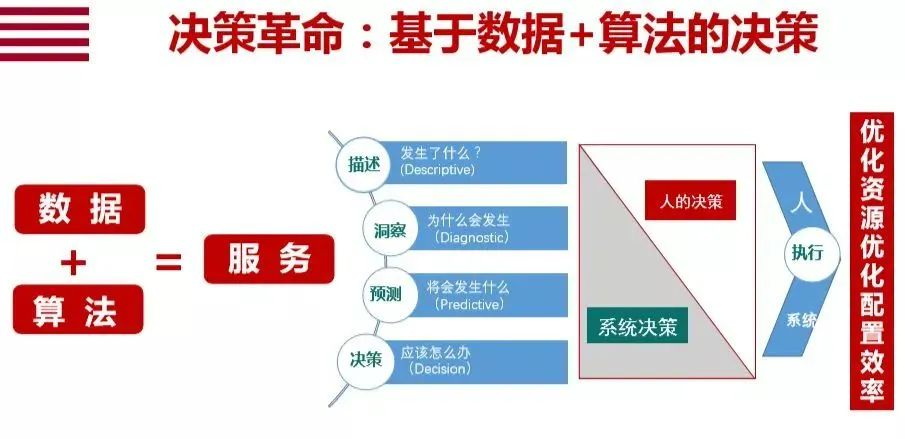
在不确定性的环境中进行决策是企业面临的巨大挑战,从基于经验的决策到基于数据+算法的决策,是企业数字化转型的基本模式。
七、数据的自动流动
“数据+算法”背后的支撑:数据的自动流动
决策革命是基于数据+算法,那支撑数据+算法的背后是什么?是数据的自动流动,即正确的数据在正确的时间以正确的方式传递给正确的人和机器。
自动化主要分为两种。一种自动化是生产装备自动化,叫做看得见自动化,或者定义成工具革命,数控机床、机器人、立体仓库、忙碌而有序的AGV小车。
还有一种叫做看不见的自动化,数据流动的自动化,把正确的数据在正确的时间传递给正确的人和机器,或者定义成决策革命。
当你采集一个人上身的18个部位,22个指标之后,这一个指标首先自动生成一个适合这个人体型的一个版型,自动生成一个数控机床的加工指令,自动生成200个工序的加工工艺,定制化生产跟规模化生产相比,其复杂度、面临的不确定性远远地超出几个量级。 数字化转型网www.szhzxw.cn
当面对一个定制化生产的时候,系统变得极其的复杂,需要非常多的决策,每时每刻、每个人所面对的加工对象、工艺、方法都会发生变化。定制化生产的核心在于,如何能够把数据在正确的时间以正确的方式传递给正确的人,以数据的自动流动化解复杂系统的不确定性。
基于文档的信息流到基于模型的信息流
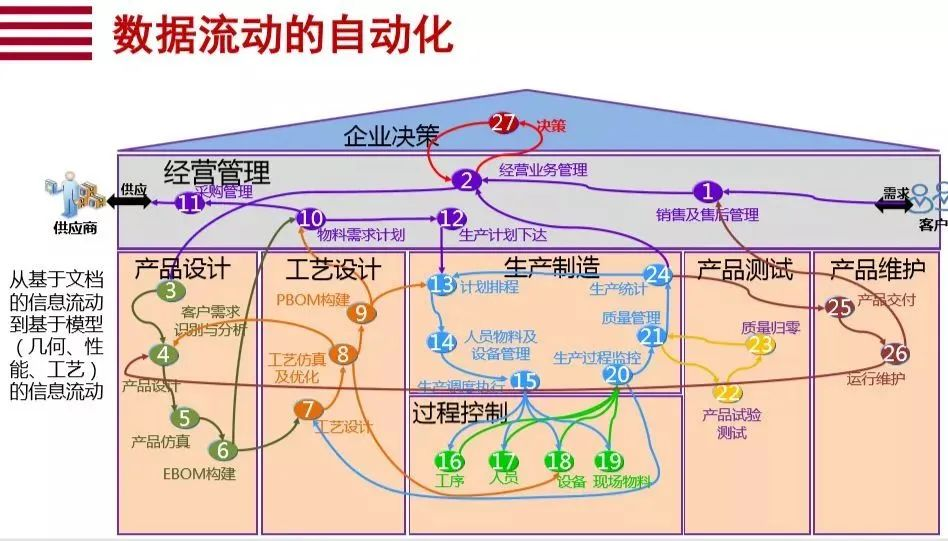
我们把这一模式概念拓展到一般生产场景,当企业采集了客户的数据之后,这些数据就会在企业经营管理、产品设计、工艺设计、生产制造、过程控制、产品测试的每一个环节里去流动。我们要思考的问题是在数据流动的每一个环节,是不是可以没有人去参与。
过去信息的流动是基于文档的流动,我们的企业通过传真、e-mail、excel表、U盘、光盘、打电话、开会、自己开发工艺程序、编写软件等各种方式传递信息。
今天,我们所要追求的是,数据能够在企业内部流动过程中,不需要人的参与可以实现信息的自动流动。
八、软件的本质
软件是实现数据自动流动的核心
数据的自动流动,正确的数据在正确的时间,以正确的方式传递给正确的人和机器,正确与否的核心是软件、是算法、是模型。
软件是一系列按照特定顺序组织的计算机数据和指令的集合,本质是事物运行规律的代码化,作用是构建数据流动的规则体系,是指导甚至控制物理世界高效、有序乃至创造性运转的工具,是工业和商业技术体系的载体,也是人类经验、知识和智慧的结晶。 数字化转型网www.szhzxw.cn
“数据+算法”构造了我们认识这个世界新的方法
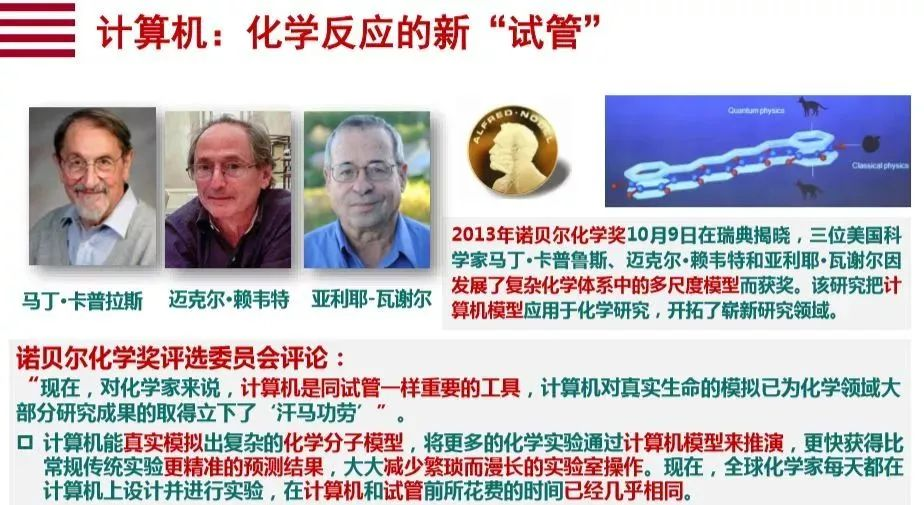
过去科学家整天在实验室做实验,现在有一部分实验可以在计算机里面去做。对于制造业也是一样,人们构建了一个新的认识和改造世界方法论。
例如可以通过虚拟的高铁在虚拟的京沪线上跑起来,来测试高铁运行中选择电流、电压、噪音、稳定性、可靠性等,通过在虚拟世界的快速迭代,构造了一个改造和认识世界的方法论,这种方法叫模拟择优法。
九、技术架构的大迁移时代
今天我们讨论各种各样的云和工业互联网概念的背后是什么?是我们正在迎接一个新时代的到来,这个时代就是体系架构大迁徙的时代。
基于云架构的大迁移
我们今天讨论工业互联网、工业云,我们讨论边缘计算、时间敏感网络等概念都在描述一件事情,我们在构造一个新的架构体系。
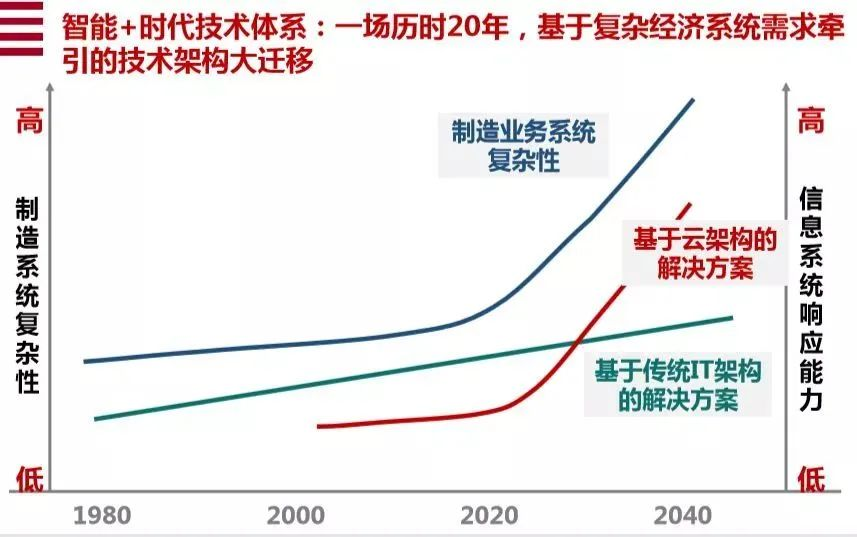
这是一场基于复杂经济系统需求牵引的技术架构大迁移,我们商业系统、制造系统变得越来越复杂,这种复杂性,来自于产品本身、来自于客户需求、来自于全球化、来自于供应链、来自于世界政治经济环境的变化。 数字化转型网www.szhzxw.cn
我们需要重新构建这个架构就是基于云计算架构体系,基于云架构实现各业务系统和解决方案的云化迁移,我们需要构建一整套基于云架构的软件体系、商业模式、咨询服务、运维体系,使大量数据、模型、决策信息平台化汇聚、在线化调用,系统之间实现互联互通操作,实现了业务系统的功能重用、快速迭代、敏捷开发、高效交付、按需交付,即“系统之系统”模式。
伴随着制造系统的复杂性增加,新的业务系统通过对原有业务系统模块的充分调用、部署实现快速上线,系统响应能力指数增长。
从数字化转型1.0到数字化转型2.0,区别是什么(见下图) 数字化转型网www.szhzxw.cn
10、体系重构
数字化的逻辑殊途同归:数字孪生的世界
数字化的终极版图是什么?从未来看现在,我们今天所看到的物联网、大数据、云计算、人工智能、工业软件等技术,都是未来数字化终极版图的一个碎片。形成的最终图景是什么呢?是数字孪生。
我们不断地把碎片化物理世界数字化后,在Cyber空间构造成一个碎片化的数字孪生体,然后把这个碎片化的孪生体拼成一个完整的数字孪生体,直至构造一个数字孪生的世界。数字孪生的世界在未来20年将经历三个阶段:局部的数字孪生、静态的数字孪生和动态的数字孪生。
深度融合:体系重构的新阶
以互联网、云计算、大数据等为新一代信息通信技术与制造业融合带来了体系的重构,形成了以数据驱动、软件定义、平台支撑、服务增值、智能主导为特征的制造业新体系。在过去的两三百年的时间里,制造业不变的追求是:制造的高效率、高质量、低成本和客户的高满意度。
新的体系对于制造业来说,带来什么样的变化呢?
生产者由单纯的生产者转变为产销者(Prosumer),消费者越来越深度地参与了生产的全过程;
生产产品由功能产品演进到智能互联产品,无人汽车、智能硬件等产品层出不穷;
生产工具由从能量转换工具到智能工具,3D打印、数控机床广泛应用于制造;
生产方式从“试错法”到“模拟择优”,从实体制造到实体虚拟融合,虚拟仿真、数字孪生的技术正不断应用,体现一种新的认识和改造世界的方法论;
生产地点由集中向分散转变,网络化制造、分享制造正是这一过程的体现。
转型:从思维转变开始
面对数字化转型大变革,企业如何转型?企业思维需要实现三个转变:
一是以不确定性应对不确定性。面对需求的不确定性,企业需要以数据+算法的策略应对不确定性,需要摒弃冗余思维、静态思维,走向精准思维、动态思维。 数字化转型网www.szhzxw.cn
二是以增量革命构建新型能力,企业数字化转型,就是要把软件、设备、流程优化、管理变革最终都要转化为企业的新型能力。这是数字化的出发点,也是落脚点。
三是从产品制造商到客户运营商(Customer Operator),制造企业应成为一个工业产品提供者,通过产品与客户建立一种“强关系”,能成为24小时在线,了解、预测、满足客户需求的“客户运营商”。

翻译:
10 key words for digital transformation
What is the nature of digital transformation? We believe that the essence of digital transformation is to resolve the uncertainty of complex systems with the automatic flow of data, optimize the efficiency of resource allocation, and build new competitive advantages of enterprises in a world defined by data + algorithms.
At present, the global information and communication technology is entering the era of great migration of technology architecture, and the digital transformation of enterprises is going from information management based on traditional IT architecture (digital transformation 1.0) to intelligent operation based on cloud architecture (digital transformation 2.0).
How to understand and understand the enterprise digital transformation, these ten keywords may help outline the nature of digital transformation: 数字化转型网www.szhzxw.cn
- Uncertainty
- Complex systems
- The nature of competition
- Logical starting point of transformation
- Tool Revolution
- Decision-making revolution
- Automatic flow of data
- The nature of software
- The Great Migration of technology architecture
- System reconstruction
Uncertainty
Only with a deep understanding of uncertainty can we deeply understand the nature of digital transformation.
The fear of uncertainty is the inner motive force for people to recognize the social law. The history of human society is a history of fighting uncertainty and seeking certainty of human destiny development. The fear of uncertainty and the pursuit of certainty have always accompanied the development and evolution of human society.
How to resolve uncertainty, we can look at this “trilogy”.
First, understanding and recognizing the laws of the world is the logical starting point for resolving uncertainty.
Second, after understanding the operation law, it is necessary to predict what will happen, which is the basis and basis of decision-making. 数字化转型网www.szhzxw.cn
Third, control is the concrete path to putting decisions into action.
How to make decisions in the face of uncertainty?
Human society has always faced a major challenge: how to make decisions in an environment of uncertainty. From nomadic society, agricultural society, industrial society to information society, this is an eternal topic. What is behind every major decision? It’s science.
Today, a new decision-making mechanism has been built behind wind power prediction, construction machinery and equipment life cycle operation and maintenance, Hema fresh food category and quantity selection, and thousands of faces on Taobao home page: data + algorithm.
Cognition of uncertainty: from philosophy to science
The perception of uncertainty is also an important factor in the differentiation from philosophy, science and economics. Back to the essence of digital, that is to resolve the uncertainty of complex systems in a world defined by data + algorithms.
Complex system
From everything connected to everything smart
The world without networks is a mechanical system. With the emergence of sensors, the Internet, the Internet of Things, the IoT era is coming, and all products will eventually become a network terminal. In the future, all product functions will be composed of four basic modules: power components, executive components, intelligent components, and interconnected components. Future intelligent products can be monitored, controlled, and optimized, and the functional flexibility, scalability, security, and manageability of products have been improved. 数字化转型网www.szhzxw.cn
Single products to complex systems, from mechanical systems to biological systems
The Internet of everything enables isolated products to become complex product networks. As the world’s largest agricultural machinery manufacturer and the world’s second largest construction machinery manufacturer, John Deere’s products have gradually evolved along the path of traditional products → intelligent products → intelligent connected products → product systems → product systems. It is not only a product, but also an integral part of a network. When it becomes part of a network system, it evolves from a mechanical system into a complex biological system.
Intelligent systems: single systems, local systems, complex systems to ecosystems
In the field of intelligent manufacturing, the minimum module that can be defined is the intelligent unit with the perception, analysis, optimization, and execution functions, such as CNC machine tools, intelligent robots, AGV cars, tool management, tooling management system, etc., these minimum intelligent units are scattered in all corners of the manufacturing system.
With the emergence of new architectures and technology systems such as the Internet of Things, edge computing, and the industrial Internet, as well as market demand for cross-enterprise, cross-link, and large-scale resource optimization, the smallest intelligent unit from a small system is constantly connected to the large internal system of the enterprise, and the large internal system of the enterprise can realize interconnection and interoperability with the upstream and downstream, and build a complex industrial chain system.
On this basis, when enterprises open the industrial chain system to the whole society, they begin to build a complex giant system. Then we can see that business and manufacturing systems are becoming more and more complex, evolving from a mechanical system to a complex biological system.
Today, when people understand manufacturing and intelligent manufacturing, we have to change a perspective, from a static thinking, mechanized thinking, to ecological thinking, system thinking.
The nature of competition
What is a business? What is the nature of enterprise competition? This is the question we have to think about when we understand digital transformation. 数字化转型网www.szhzxw.cn
A business is an organization that allocates resources, just like the market and the government. An enterprise is an organization that replaces the market for resource allocation. It organizes resources such as technology, capital, talent, land, machinery and equipment to meet customer needs more efficiently and at a lower cost. What is the nature of enterprise competition?
The essence of enterprise competition is the competition of resource allocation efficiency, which is to solve the uncertainty of complex system with the automatic flow of data, and optimize and improve the allocation efficiency of enterprise resources. The core of how to improve the efficiency of optimal allocation of resources is how to achieve scientific decision-making, accurate decision-making and efficient decision-making.
Fhe logical starting point of transformation
The logical starting point for digital transformation: adapting to rapid changes in the competitive environment
The first question that needs to be asked about digital transformation is, what is the logical starting point of transformation?
It is how enterprises adapt to the rapid changes in the competitive environment. Intelligence is the ability of a subject to respond to changes in the external environment, which can be a person, a machine, a device, an organization, an enterprise, etc. 数字化转型网www.szhzxw.cn
The core problem to be solved by industry 4.0 and intelligent manufacturing is that, in the face of changes in customer needs, how enterprises adapt to and keep up with this rapid change, and how to better meet customer needs, which is the logical starting point of digital transformation.
Consumer demand has changed
In the past, consumers pursued more functional appeals such as cost performance, product function, and durability; Today, young consumers are not only focused on functionality, but also on content, services, engagement, social experiences, sharing and communication. Consumer demand has changed, and whether our supply can keep up with consumer demand changes.
Manufacturers need to react quickly to uncertainty
How do manufacturing enterprises face uncertainty and react quickly, in real time and accurately when the external environment changes? There is an ability behind this.
China is the world’s largest clothing export base, in the past, a foreign trade clothing orders can reach millions, and later the order volume dropped to one hundred thousand, fifty thousand, today the minimum batch of foreign trade orders of clothing is only about 3000 pieces, offline orders reached 1500 pieces, online reached 380 pieces.
But at the same time, the delivery time of orders has been further compressed from the past one year, half a year, and three months to 15 days, and the proportion of 15-day delivery products of some brand manufacturers has accounted for 15% of all products. Foundries with 15-day delivery capacity have a 30% higher bargaining power for a single product than large-scale manufacturers. For intelligent manufacturing and digital transformation, the core problem to be solved is how to solve the problem of small batch, multi-variety and short delivery time.
The complexity of business and manufacturing systems
Business and manufacturing have become increasingly complex, and this complexity can be observed in at least two dimensions.
First, the products themselves are becoming more complex. In the past, it was only a mechanical product, and now it has become an intelligent and interconnected product, and the product has increased sensors, communication modules, computing modules, software, etc., and the product has become more and more complex. 数字化转型网www.szhzxw.cn
Second, requirements are becoming more complex. It is an evolving process from mass production, mass customization to individual customization. When the demand becomes very complex, it brings a series of challenges to the research and development, design and production of enterprises.
Tool Revolution
Digital transformation is essentially two revolutions: the tool revolution and the decision revolution. People can choose different tools to go to a place, and the tools determine how fast they can go; However, whether you are getting closer to your destination or not depends on whether your decision is correct. Digital transformation is essentially about solving two fundamental problems: doing the right thing and doing the right thing.
We observe and understand the digital transformation of enterprises from these two dimensions:
From the perspective of tool revolution, automated tools improve the efficiency of manual workers and mental workers, traditional robots, machine tools, professional equipment and other traditional tools are being upgraded to 3D printing, CNC machine tools, automatic lifting equipment, automatic sorting system and other intelligent tools, traditional energy conversion tools are evolving to intelligent tools, greatly improving the efficiency of manual workers; At the same time, CAD, CAE, CAM and other software tools improve the tool efficiency of brain workers.
From the perspective of decision-making revolution, general software such as EPR, CRM, SCM and MES and self-developed software systems within enterprises build a new decision-making mechanism based on data + algorithm through continuous mining, aggregation and analysis of consumer data as well as research and development, production and supply chain data to replace traditional empirical decision-making and achieve more efficient, scientific, accurate and timely decision-making. To accommodate rapid changes in demand. 数字化转型网www.szhzxw.cn
Tool Revolution: From energy conversion tools to intelligent tools
As Marx said hundreds of years ago, “the hand mill produces a society of feudalists; the steam mill produces a society of industrial capitalists.” Marx also said that the division of economic eras does not lie in what is produced, but in how it is produced and with what means of Labour.
Human society is divided into agricultural society, industrial society and information society through the difference of labor tools. The most important tool to define industrial society is called the tool of energy conversion, and the steam engine, the internal combustion engine, the textile machine, and so on are all tools of energy conversion. What tools is the information society?
The tools of the information society are based on the energy conversion tools of the traditional industrial society, adding intelligent modules such as sensing, communication, computing, processing, and so on. The energy tools are transformed into an intelligent tool, such as intelligent robots, CNC machine tools, AGV cars, etc., which are loaded with intelligent elements such as sensing, control, and optimization on the basis of energy conversion.
Whether manual or mental workers, through new tools, improve the efficiency of production, research and development.
Decision-making revolution
What is a decision-making revolution? To describe it in abstract terms is to reconstruct the orbits of atoms in a sea of bits. It is to reconstruct the physical world in Cyber space, process, process and optimize the collected information, feed the optimization results back to the physical world, and then optimize the physical world. 数字化转型网www.szhzxw.cn
The construction of information physical system is to build the operational framework and system of the material world in the world of bits, and to realize the optimal allocation of resources with the automatic flow of data. Such decisions will be more efficient, less costly, more precise and more scientific.
Decision Revolution: Decision making based on data + algorithms
The decision revolution in a nutshell is data-based + algorithmic decision making.
“Data + algorithm = service”, the implementation is divided into four parts:
One is description, describing what happens in the physical world in the virtual world;
The second is insight into why things happen, why things happen;
The third is to predict and judge what will happen in the future;
The fourth is decision-making, what should be done in the end, providing solutions.
After the above description, insight, prediction, and decision-making, people may be needed to participate in decision-making, but people participate in decision-making less and less, and the system participates in decision-making more and more. Just like driverless driving, from the beginning completely dependent on human driving to the end of the driverless driving.
We found an agent in Cyber space to load people’s cognition of the operation rules of car driving into software systems to perceive, optimize, control and execute. In this way, the efficiency of resource allocation is optimized. It is precisely because we have constructed a new methodology to transform and understand the world, in the development of cars, aircraft, high-speed rail and other products, research and development, production efficiency will be greatly improved.
Making decisions in an uncertain environment is a huge challenge for enterprises, from experience-based decision making to data + algorithm-based decision making, which is the basic mode of enterprise digital transformation. 数字化转型网www.szhzxw.cn
Automatic flow of data
The support behind “data + algorithm” : the automatic flow of data
The decision revolution is based on data + algorithms, so what’s behind the data + algorithms? It is the automatic flow of data – the right data delivered to the right person and machine at the right time in the right way.
There are two main types of automation. One kind of automation is the automation of production equipment, called visible automation, or defined as the tool revolution, CNC machine tools, robots, three-dimensional warehouses, busy and orderly AGV cars.
There is also something called invisible automation, the automation of data flow, the delivery of the right data to the right person and machine at the right time, or defined as the decision-making revolution.
When you collect 18 parts of a person’s upper body, 22 indicators, this indicator first automatically generates a version of the body type suitable for the person, automatically generates a CNC machine tool processing instructions, automatically generates 200 processes of processing technology, customized production compared with large-scale production, its complexity, facing uncertainty far beyond several orders of magnitude. 数字化转型网www.szhzxw.cn
When facing a customized production, the system becomes extremely complex and requires a lot of decisions, and the processing objects, processes, and methods that each person faces will change every moment. The core of customized production is how to pass data to the right person at the right time in the right way, and resolve the uncertainty of complex systems with the automatic flow of data.
Document-based information flow to model-based information flow
We extend the concept of this model to the general production scenario, when the enterprise collects customer data, these data will flow in every link of enterprise management, product design, process design, manufacturing, process control, and product testing. The question we have to think about is whether at every stage of the data flow, there can be no human participation.
In the past, the flow of information was based on the flow of documents, and our enterprises passed information through fax, e-mail, excel sheets, U disks, CDS, telephone calls, meetings, developing their own process programs, writing software and other ways.
Today, what we want to pursue is that data can flow within an enterprise, and information can flow automatically without human involvement.
The nature of software
Software is the core to realize the automatic flow of data
The automatic flow of data, the right data at the right time, in the right way to the right people and machines, right or wrong is the core of the software, is the algorithm, is the model.
Software is a collection of computer data and instructions organized in a specific order. In essence, it is the codification of the operation law of things, and its function is to build a rule system of data flow, a tool to guide and even control the efficient, orderly and even creative operation of the physical world, a carrier of industrial and commercial technology systems, and a crystallization of human experience, knowledge and wisdom. 数字化转型网www.szhzxw.cn
“Data + algorithms” constructs a new way for us to understand the world
Scientists used to do experiments in the laboratory all day long, but now part of the experiments can be done in the computer. For manufacturing, too, a new methodology for understanding and transforming the world has been constructed.
For example, the virtual high-speed rail can run on the virtual Beijing-Shanghai line to test the selection of current, voltage, noise, stability, reliability, etc., in the operation of the high-speed rail. Through rapid iteration in the virtual world, a methodology for transforming and understanding the world is constructed, which is called the simulation optimization method.
The Great Migration era of technology architecture
What is behind the various cloud and industrial Internet concepts we are discussing today? We are ushering in a new era, an era of great architectural migration. 数字化转型网www.szhzxw.cn
Great migration based on cloud architecture
Today we discuss the industrial Internet, industrial cloud, we discuss the edge computing, time sensitive network and other concepts are describing one thing, we are constructing a new architecture system.
This is a big transfer of technical architecture based on the needs of complex economic systems. Our business systems and manufacturing systems are becoming more and more complex. This complexity comes from the product itself, from customer demand, from globalization, from the supply chain, and from the changes in the world political and economic environment.
We need to rebuild this architecture, which is based on the cloud computing architecture system, and realize the cloud migration of various business systems and solutions based on the cloud architecture. We need to build a complete set of software systems, business models, consulting services, and operation and maintenance systems based on the cloud architecture, so that a large number of data, models, and decision information can be gathered on the platform and used online, and systems can be interconnected and operated. It realizes functional reuse, rapid iteration, agile development, efficient delivery, on-demand delivery, which is the “system of systems” model.
With the increase of the complexity of manufacturing systems, new business systems can be quickly launched through the full invocation and deployment of the original business system modules, and the system response ability increases exponentially.
From Digital Transformation 1.0 to Digital Transformation 2.0, what are the differences? (see chart below)
System reconstruction
The logic of digitization leads to the same destination: the world of digital twins
What is the ultimate digital landscape? Never look at the present, we see today the Internet of things, big data, cloud computing, artificial intelligence, industrial software and other technologies, are a fragment of the future digital ultimate map. What is the final picture? It’s a digital twin.
We continue to digitize the fragmented physical world, construct a fragmented digital twin in Cyber space, and then assemble this fragmented twin into a complete digital twin until we construct a digital twin world. The world of digital twins will go through three phases in the next 20 years: local digital twins, static digital twins, and dynamic digital twins. 数字化转型网www.szhzxw.cn
Deep integration: a new stage of system reconstruction
The Internet, cloud computing, and big data have brought about the restructuring of the system for the integration of the new generation of information and communication technology and the manufacturing industry, forming a new manufacturing system characterized by data-driven, software-defined, platform supported, value-added services, and intelligence-led. In the past two or three hundred years, the constant pursuit of manufacturing is: manufacturing efficiency, high quality, low cost and high customer satisfaction.
What changes will the new system bring to the manufacturing industry?
The producer is transformed from a simple producer to a Prosumer, and the consumer is more and more deeply involved in the whole process of production.
Production products have evolved from functional products to intelligent connected products, and unmanned vehicles, intelligent hardware and other products have emerged in an endless stream.
Production tools from energy conversion tools to intelligent tools, 3D printing, CNC machine tools are widely used in manufacturing; 数字化转型网www.szhzxw.cn
From “trial and error” to “simulation and optimization”, from physical manufacturing to virtual integration, the technology of virtual simulation and digital twin is being applied constantly, reflecting a new methodology to understand and transform the world.
Production location from centralized to decentralized change, network manufacturing, sharing manufacturing is the embodiment of this process.
Transformation: Start with a mindset shift
In the face of digital transformation, how do enterprises transform? Three shifts in corporate thinking are needed:
One is to respond to uncertainty with uncertainty. Faced with the uncertainty of demand, enterprises need to deal with the uncertainty with the strategy of data + algorithm, and need to abandon redundant thinking and static thinking, and move toward accurate thinking and dynamic thinking.
The second is to build new capabilities through incremental revolution. The digital transformation of enterprises is to transform software, equipment, process optimization, and management changes into new capabilities of enterprises. This is the starting point and foothold of digitalization.
Third, from product manufacturers to Customer operators, manufacturing enterprises should become an industrial product provider, establish a “strong relationship” with customers through products, and become a “Customer Operator” who can be online 24 hours to understand, predict and meet customer needs. 数字化转型网www.szhzxw.cn
本文由数字化转型网(www.szhzxw.cn)转载而成,来源于CDO之家;编辑/翻译:数字化转型网宁檬树。
免责声明: 本网站(http://www.szhzxw.cn/)内容主要来自原创、合作媒体供稿和第三方投稿,凡在本网站出现的信息,均仅供参考。本网站将尽力确保所提供信息的准确性及可靠性,但不保证有关资料的准确性及可靠性,读者在使用前请进一步核实,并对任何自主决定的行为负责。本网站对有关资料所引致的错误、不确或遗漏,概不负任何法律责任。
本网站刊载的所有内容(包括但不仅限文字、图片、LOGO、音频、视频、软件、程序等) 版权归原作者所有。任何单位或个人认为本网站中的内容可能涉嫌侵犯其知识产权或存在不实内容时,请及时通知本站,予以删除。