中国制造业的“内卷”和教育的“内卷”是同构的,“内卷”有百害而无一利。要改变这个局面,法律和产业政策就必须由之前的“帮强”,转向“扶弱”
前言
2019年中美贸易冲突拉开战端。当时有一种代表性的看法:特朗普是个商人,并非职业政客,只要满足他的家族企业利益并给支持他的选民们一些小恩小惠,贸易冲突自然会停止。没过多久特朗普长女Ivanka的珠宝品牌就在中国热卖,但是热络了没多久,中美之间就开始互相提高关税。
疫情和俄乌冲突爆发后,美国加速全球产业链的中国替代计划。彼时又出现一种代表性的观点:没事,越南、印度和墨西哥的基础设施太差,产业配套,技术人才完全跟不上,中国世界工厂的地位不可撼动。
背景
现在制造业产业链以肉眼可见的速度转移出中国,印度、越南、墨西哥的制造业正在迅速崛起。而一些乐观人士认为:中国极度内卷的市场培育了一大批具有国际竞争力的企业,随着这些企业出海,习惯了996的中国制造必将“卷死”只知道休假和罢工的欧美公司,中国制造必将在国际舞台再创辉煌。
实际上这次做出乐观判断的是绝大多数人,其中也包括我尊重的学者和真正的专家。我并不是否定这个判断,只是严重质疑“内卷”的作用。因为“内卷”是一种低水平的过度竞争,是拼蛮力,不走脑子的做事方法,长期“内卷”只会扼杀企业的活力。因此不值得为“内卷”唱赞歌。
核心观点
“内卷”是一种低水平的竞争; 数字化转型网(www.szhzxw.cn)
“内卷”只是表象,是结果,“内卷”的根源是不合理的社会资源分配机制;
“内卷”就像癌症,内卷的环境可能产生几个行业巨头,但是会造成整个产业生态脆弱;
中国制造业若出海后继续大规模“内卷”,轻则算不正当竞争,重则会引发更大范围的贸易争端;
既然出海的目的是“不卷”,为什么不能把精力放在更有意义的竞争上?
打一个比方:经过了12年的寒窗苦读,你考上了一所还不错的985大学。毕业典礼上学生代表讲话——感谢班主任这么多年的付出,都在感慨高中三年的“内卷”锻炼了坚强的意志品质,打下了坚实的基本功,相信在未来更大的舞台上,莘莘学子能够再创辉煌… …这时你勇敢地站了出来,回怼台下的所有人说:“高中这三年‘内卷’是没有任何意义的付出,但凡家里有点门路我也不会选择‘内卷’高考。没有这三年的‘内卷’,我们会成长得更加健康也更富有创造力,我们会根据自己的特长和爱好发展出独特竞争力。过去的三年里虽然刷了很多题,但都是考纲的范围,涉及的知识面太窄,所以对未来的竞争没有帮助… …希望校方和社会各界不要再美化‘内卷’,不要再用‘内卷’精神毒害学弟学妹了… …”
中国制造业的“内卷”和教育的“内卷”是同构的,“内卷”有百害而无一利,因此中国制造业出海首先不要指望通过“内卷”赢得订单,其次要反省过去形成的“内卷思维”,最后要彻底改掉“内卷习惯”。
一、“内卷”不值得炫耀,更不该提倡
1. “内卷”是低水平的“拼”
优秀的公司和企业领导者都是很“拼”的,比如爱迪生,稻盛和夫,杰克·韦尔奇,乔布斯,马斯克甚至都存在“自我剥削”的倾向。但是他们的“拼”是为了实验新技术,测试新方法,开发新产品。目标是颠覆性的创新,而不是加班赶工赚辛苦钱。
很多“内卷”厉害的公司确实非常善于控制成本,内部管控制度也非常完善。但是靠“内卷”完善起来的管理体系往往伴随着严重的内耗并阻碍创新。十几年前我服务过一家手机公司,工厂库房发现手机膜的入库出库和损耗数老是对不上,后来发现原来是车间操作员经常会“顺”几片出厂,然后卖给贴膜的商贩赚点儿小钱。因为是原装的贴膜,所以质量很好,在贴膜市场上也很受欢迎。虽然这些手机膜不值几个钱,但是有损耗就影响部门KPI,小偷小摸的风气也不能助长。于是在物料交接的过程中就多了若干道盘点并签字的手续:从库房到车间要当面点清并签字,车间班组长发到每个操作员也要当面点清并签字,每次清点都有数千张,点错了还要再查一遍,耗时10分钟左右。虽然成本控制精确到了“角”,但代价是每班每人10分钟的时间成本。
不少大企业对KPI的考核极其精准,恨不得把每个员工都作为成本独立核算的个体。由于KPI和收入直接挂钩,团队之间既制约又合作,那么部门和个体必然互相防范。比如每次邮件、报告、会议总结,都要字斟句酌,避免被人抓到把柄,时刻想好如何甩锅。这种管理制度就是典型的“内卷”的结果,虽然能够把每个人的成本都控制到最低,但是内耗严重,极端不利于创新。采取这类管理策略的公司全世界到处都有,只是程度不同。传统行业和大公司居多,中国和东亚地区居多。不止中国企业受内卷文化之苦,日韩越新加坡等“儒家文化圈”的企业都是如此,所以在卷死的路上有‘宿敌’作伴,有何惧哉?这也是东亚文化的特色之一。 数字化转型网(www.szhzxw.cn)
2. 创新不能被设计,更不能“卷”出来
确实有不少企业采用“内卷”的方式激励研发人员。但确切地说,这些研发都属于工程设计,并不具有创新性。说得更直白一些,“山寨式”的产品开发可以通过“内卷”缩短产品上市时间,但这个过程不存在创新。
在OpenAI的科学家肯尼斯·斯坦利(Kenneth Stanley)和乔尔·雷曼(Joel Lehman)所撰写的《为什么伟大不能被计划》(Why Greatness Cannot Be Planned: The Myth of the Objective)中,提了一个很有意思的观点:人类最近一次按照既定计划实现的科学探索是阿波罗登月,其他重大的科技进步都是在现有科技成就上偶然发生的,比如ChatGPT的成功。在前沿领域,详尽的目标和过分具体的计划,反而会妨碍突破与创新。因为设立明确的目标,反而会窄化探索者的搜索领域,提供错误的思路和前进方向。而“内卷”则是在设定详细目标和具体计划的基础上加速研发,一旦不能在规定期限内完成任务还要扣奖金,拖团队后退的研发人员还要接受末位淘汰。这种“内卷”机制只适合目标明确的任务,也就不可能创造出伟大的产品。
3. “内卷”是同质化的竞争,“内卷”的对手往往是国内同行
很多中国企业的成功并不是靠“卷”,而是凭借自身的要素禀赋。比如模具行业,中国企业的产品可以说是多快好省,非常有竞争力。当产品利润足够丰厚时,市场就不是“内卷”的,而是正常的市场竞争。同样是模具行业,当越来越多的中国同行进入到这块蓝海,价格就被快速拉低,而且山寨的公司特别多。你可以说很多模具企业具有很强的国际竞争力,但是不能说这种竞争力是“内卷”卷出来的。
中国企业通过降价争夺海外市场通常是“卷”不起来的,通常当要素禀赋和文化接近的中国公司进场后,惨烈的同质化内卷才开始。欧美厂家发现价格竞争不过中国企业时,他们会选择进一步提升产品价值并进军高端市场,保持与中国同行的差异化,或者干脆放弃这块市场转做其他。当中国同行看到这个市场后,他会针对同样的市场主推同样的产品,定价更低一些。产品和市场定位的差异化一旦不复存在在,“内卷”就开始了。 数字化转型网(www.szhzxw.cn)
2018年的时候我帮国内某上市公司并购了一家德国公司,这个上市公司派了个英语还不错的副总,滔滔不绝地给德国人讲了一下午的市场定位。他的策略是这样的:先找出本公司最有竞争力的产品和最有前景的市场,然后确定这个潜力市场里哪个竞争对手的哪款产品卖得最好,下面“内卷”的标准操作来了:他要求被收购的德国公司专门针对这个竞争对手的明星产品的优缺点,开发同类配置的设备,只是把成本控制得更低一些或者把功能做得更完善一些。
德国人听后面面相觑,尴尬又不失礼貌地点头,似乎是觉得这个集团副总说得有些道理,但总觉得哪里好像怪怪的,又说不出来,反正和我们的套路不一样。其实,这就是“同质化竞争”和“差异化竞争”策略之间的区别。中国企业太熟悉前者了,也就是“内卷”,所以想在德国复制自己在中国的成功经验;但是欧洲公司追求的是差异化竞争,看似旗鼓相当的两家头部企业,背后的经营策略可能是完全不同的。通常欧洲的设备公司会更关注自己的技术体系,用自己擅长的技术方案获得特定市场的订单。
被收购的这家德国公司玩的是定制化设备开发,妥妥的差异化竞争。非标设备企业的新产品开发基本都是受客户委托,少数情况是与大学和潜在客户搞共同研发。欧美的企业会借鉴竞争对手,但绝不会跟着行业龙头做一模一样的产品,因为模仿者对技术的理解不会比原创企业深刻,所以不太容易做出市场接受的性价比更高的产品。与其抄袭山寨,不如根据自己以往的技术方案开发新技术。更何况值得投资研发的技术有那么多选项,为什么要捡别人剩下的?
中国制造业在家里卷卷也就算了,出海后也就不要再卷了。
4. 同质化的“内卷”抑制企业创新,特别是中小企业创新
同质化的竞争只能抑制创新,因为谁先创新谁先死,率先投入市场的产品极易被山寨。国内又严重缺乏对知识产权的保护,所以只有财大气粗的大公司敢于尝试些许创新。
我认识一个做红木的老板,结合家具设计,开发了一套非常好的新工艺。但他就是不敢把产品推上市,因为他知道一旦产品上市,用不了多久行家就能摸索出差不多的技术,然后就会出现一大堆类似的设计。所以他只能先想办法把规模和产能做上去,新产品推出后立刻量产,在山寨的产品出来前就把市场占满,不给对手以卷的机会。策略倒是天衣无缝,只可惜到现在产品也没上市。
二、“卷”出来的企业并没有想象中那么厉害
“内卷”出来的企业和正常市场竞争培育出来的企业相比,竞争力和生存能力是差很多的。因为同质化的“内卷”市场对企业的战略能力要求很低,企业只需要跟着行业老大有样学样即可,不需要承担风险,也就不需要自己的判断。正常的市场竞争环境下,战略决策是首要的。企业可以决定从设计,工艺,材料,设备,供应链等任意环节实现战略突破。而不是简单地拼成本,拼交货期。
就像传统武术和现代搏击的对比。在“内卷”环境下的打拼就像接受传统武术的训练,蹲马步,手戳大米,拳打瀑布等等;在法治健全的自由市场竞争中,企业接受的考验就像现代搏击综合性的训练方法:爆发力,耐力,抗揍力,反应速度,地面缠斗等技能会得到全方位提升。
1. 一旦竞争对手在研发中获得突破性进展,那么再怎么卷也是徒劳的
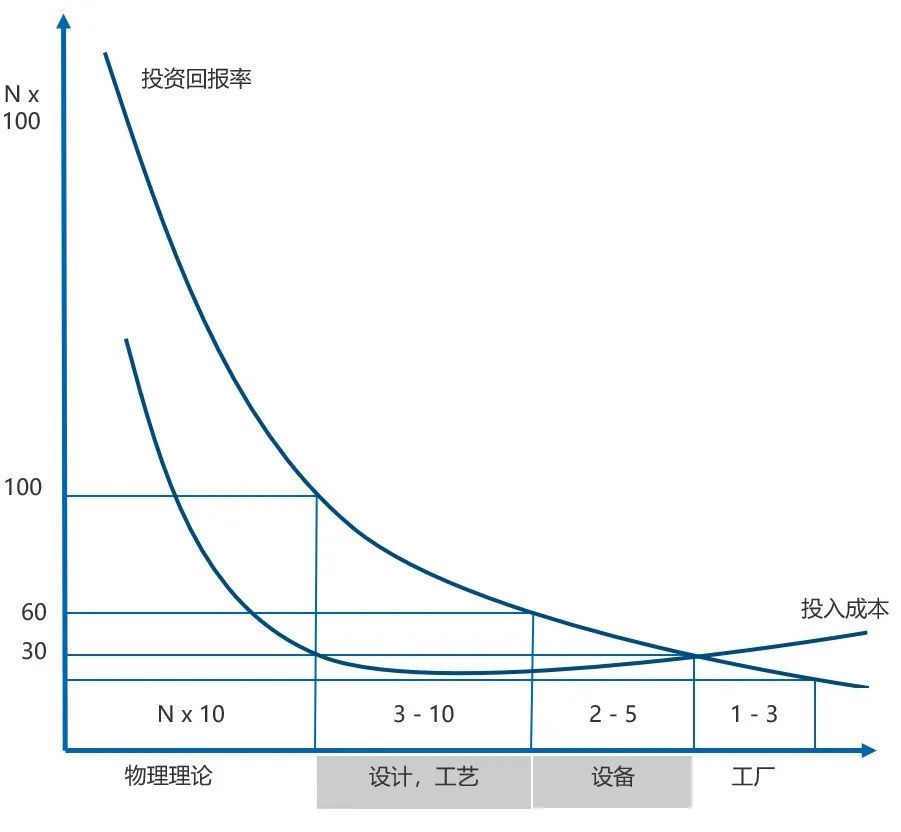
制造业的“内卷”实际上是在拼生产管理,但是按照DFMA(Design For Manufacturing & Assembly)的理论,在产品量产后进行调整和改变要付出极大的成本,倒不如在设计之初就考虑到制造和装配环节会出现的问题。于是,一个好的设计和好的工艺可以极大地降低设备的投资和生产成本。
下面这幅图是我原创的,横坐标表示研发时间,纵坐标表示收益和成本。在物理理论阶段投入研发可以获得数倍的投资回报率,但是研发周期要十年以上。在产品设计和工艺阶段投入研发,需要3-10年的时间,投资回报率也能达到50%以上。当产品图纸和工艺都已经敲定了,那么只能从生产设备上下功夫,一套效率更高的设备当然可以获得不错的投资回报率,但是投入成本通常要高于产品和工艺设计阶段。当设备选型也确定了,那么就只能想办法提高工厂物流布局的合理性,自动化和数字化程度,以及工厂管理的方方面面。工厂管理永远有可以提升的空间,但性价比不高。一个996作息,制度完善的血汗工厂的生产效率可能比一个普通工厂的效率高20%,即便实现了工业4.0和全自动化,生产效率提升也不会超过30%。但是一个成功的研发项目则可能让收益翻倍。 数字化转型网(www.szhzxw.cn)
上世纪70年代,凭借低廉的劳动力成本,日本的电器和电子产业飞速发展,物美价廉的日本电器把美国的企业按在地上摩擦,其中就包括IBM。IBM也自知无力和日本同行拼价格,于是就向问题的源头寻求方案——通过改良设计,简化装配流程,进而节约制造成本,降低价格。不知道视频能不能播放,我也截了个动图。整个装配过程没有一个螺丝,不需要借助任何工具,一个人3分25秒就能从容地完成安装。凭借这个经典案例,IBM也被认为是DFA(Design For Assembly)的鼻祖。
制造过程中最消耗人力成本的就是装配,当产品经过优化设计,让装配变得十分便捷,那么装配就不需要在工厂完成,而是由客户自行组装。IKEA的成功最底层的技术逻辑就是标准化量产,把装配转移给客户,降低制造成本和客户最终的采购价格。IKEA是瑞典的企业,北欧公司的福利全球第一,字典里就没有“内卷”这个词。所以真正成功的企业都是靠脑子的。
为了保持市场竞争力,IKEA并没有停止研发的脚步。据我掌握的最新内部消息,IKEA正在和一家意大利公司联合开发一套高效的全自动柔性装配设备,用于装配橱柜。投入使用后,十几秒就能组装出一个橱柜,而且前后两个柜子可以是完全不同的尺寸规格。
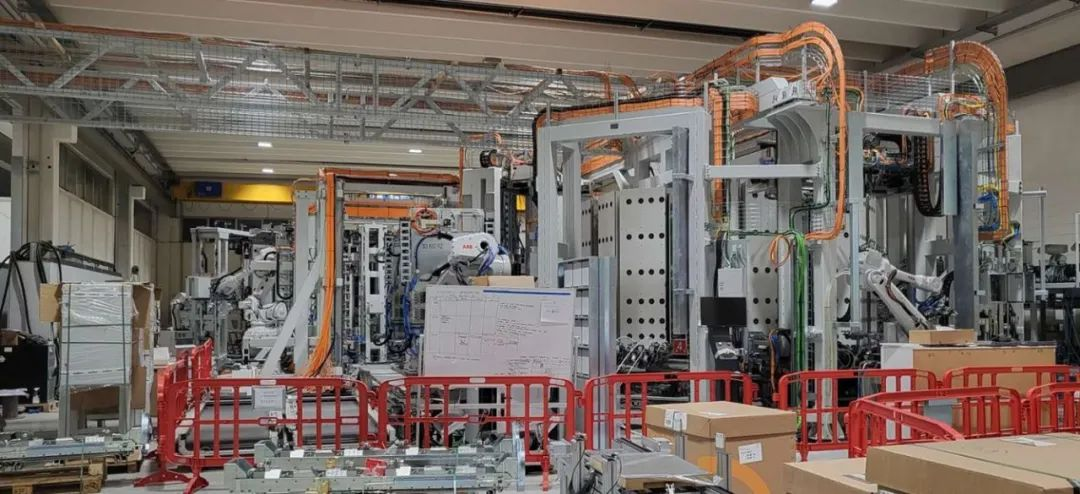
目前第一条产线已经在测试,一旦开足马力量产,那么在板式家具行业中国和东南亚国家的人力成本优势也将丧失殆尽,这将又是一个用“巧干”打败“蛮干”的案例。
马斯克的几个公司获得成功都是因为在最初的产品和工艺设计阶段获得了重大突破,他的火箭回收方案更是从理论源头就开始颠覆式创新了。所以,越是在靠近前段投入精力“拼”研发,技术风险越高,也越容易获得大成就;越是在生产的后端投入精力“拼”管理,技术风险为零,但事无巨细需要耗费大量的精力。当追求这种精益管理成为偏执,便是“卷”的开始。
2. 精益生产只是基础,并不能保证企业成功
我国大部分的优秀的制造企业都是在拼命地“卷精益”,就是在精益生产上追求卓越。虽然没有错,但是精益生产能提升的效益毕竟是有限的,当精益生产做到一定程度后就要考虑研发和创新了。一味地追求精益而不兼顾创新往往适得其反。
国内很多机械加工厂,由于加工节拍相对较短,而且零件种类多。因此每台机器都要配一个操机员,手动更换零件,去毛刺,检测,换刀具,定期维护,报错检修等等,事无巨细,安排得妥妥当当。很多精益管理优秀的企业会对操机员有非常具体的标准作业流程,比如像下面图片所示,认真地观察加工状态。盯着自己的机器能防止交头接耳,避免错误和发生危险。
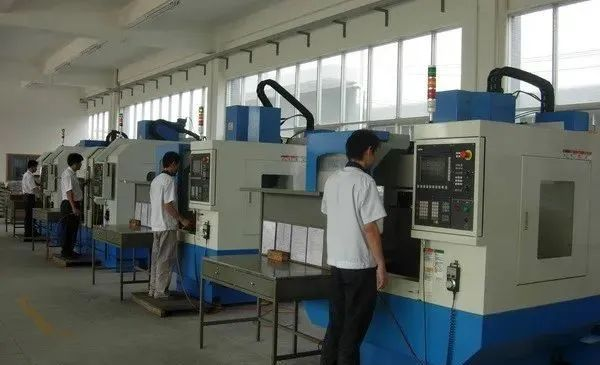
由于设备的性能是固定的,就算把加工参数优化到最佳,就算每个员工都把工作做到完美,所有操作都零失误,也没有办法突破生产设备的天花板。 数字化转型网(www.szhzxw.cn)
因此,精益生产是制造企业的基础,但是要配合其他的战略才有可能让企业真正成功。丰田的成功也不只是因为精益生产,它整个的商业和技术策略与精益生产形成完美闭环。
在丰田刚开始造车的那个年代,美国的福特汽车是业界老大,其自动化程度极高,品质和成本控制也几乎做到了极致。但缺点是只能刚性生产,需要相当长的时间才能更换车型。丰田于是抓住了对手柔性不足的弱点,放弃了全自动生产线,而是采用投资更少的半自动设备。由于大量人工的参与,丰田的半自动产线可以迅速完成新车的生产准备并快速实现量产。因为新车在生产初期会出现各种问题,工人就能很快速地在现场随时解决问题,机器则需要长时间的编程和调试。由于丰田的生产系统更加柔性,因此就可以按照订单生产;而福特那种大批量的刚性自动线一旦开动就停不下来,所以要做库存,要低价促销,要加快资金回笼。所以丰田“零库存”和“拉动式生产”策略才有可能成功。可以说,精益生产是为实现零库存和快速反应,在丰田这套半自动化柔性生产系统的基础上量身打造的管理方式和管理哲学。
但是现在很多公司搞精益生产已经到了走火入魔的程度。不但中国,韩国企业卷,日本企业也卷得也是没边了。比如只有日本的汽车装配线要求工人戴安全帽,而欧美韩国和我们的车企都没有戴安全帽的规定。要知道,再轻的安全帽也有一定重量,戴久了脑壳疼。而汽车生产线又不是建筑工地,没有钢筋砖头会从上面掉下来,所以脑袋是不怎么需要保护的。
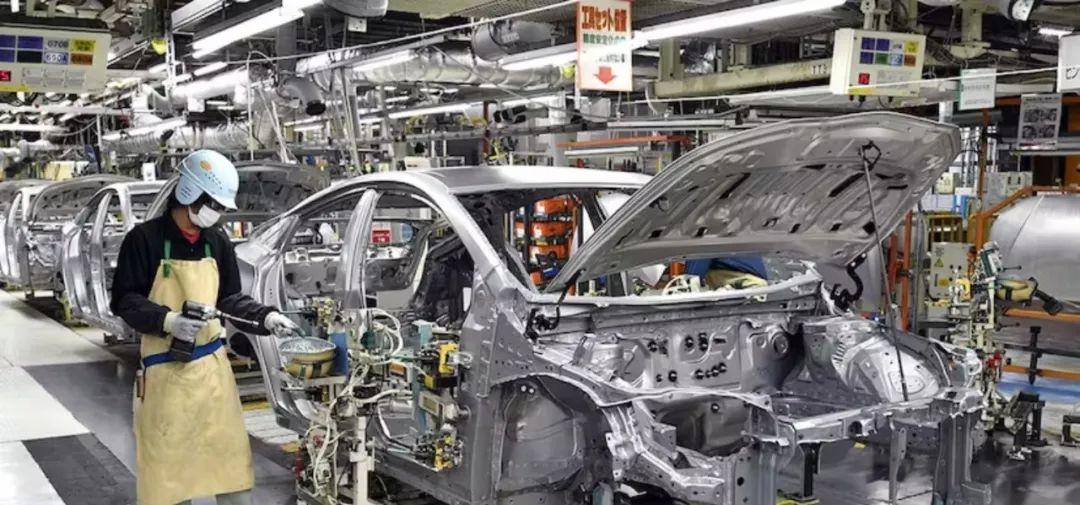
我是想不到这个打螺丝的工人在工厂里会遇到什么危险需要保护脑袋。
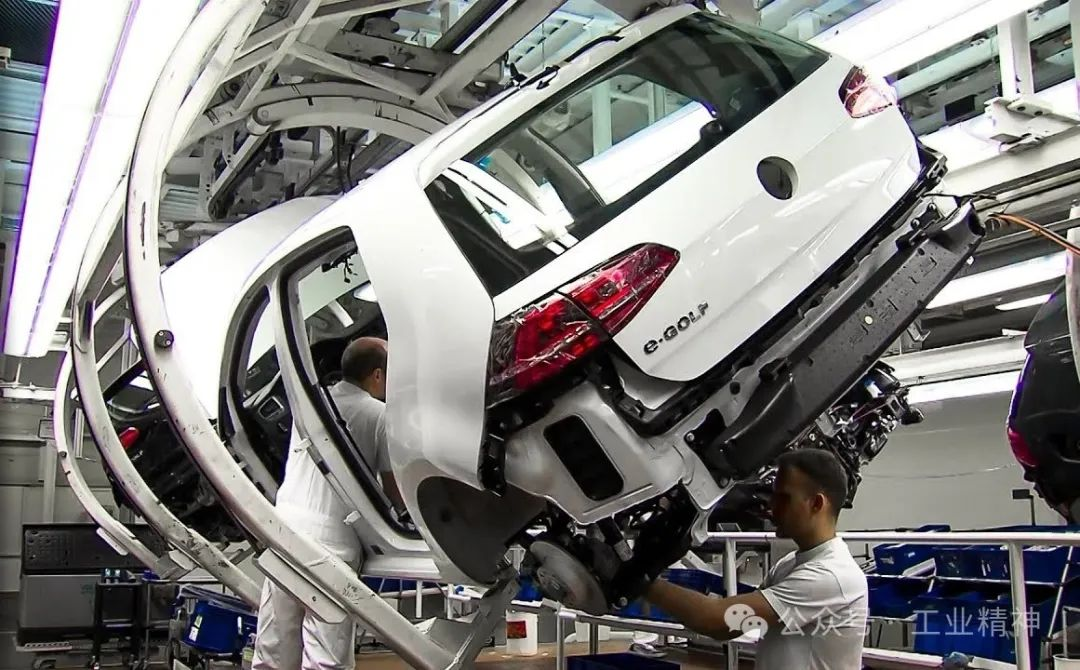
上图是大众的装配工,他的头部安全隐患显然更高,但是在大众的工厂里并没有要求工人戴安全帽。
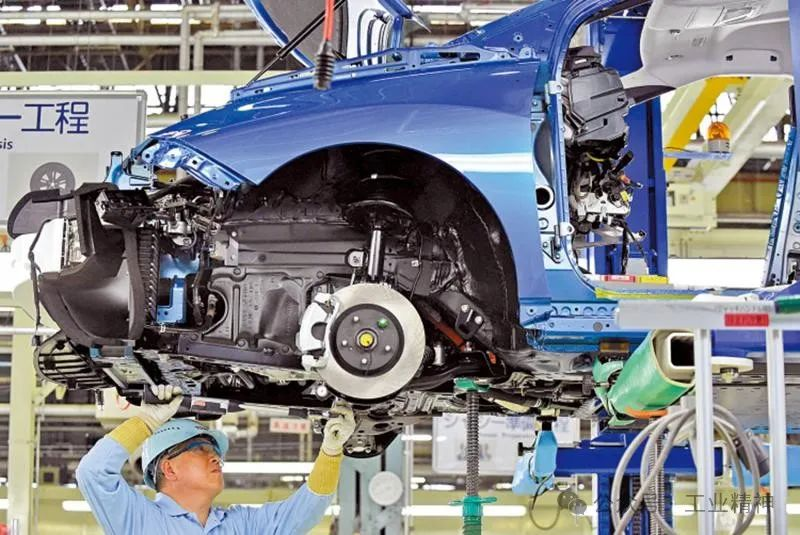
这个打底盘螺丝的丰田工人不但戴了安全帽,还有护目镜。护目镜一般在机加车间等有粉尘和切屑飞溅的地方佩戴。给新车打螺丝没有生锈的铁屑,灰尘,油污掉落的可能性,戴护目镜和安全帽只会增加工人的负担,是一种对生产安全的“内卷”。
坦白讲,东亚公司都在或多或少地陷入了精益生产迷思,并不只是中国制造业严重内卷,韩国,日本也一样。 数字化转型网(www.szhzxw.cn)
3. 管理到极致却臃肿的体系在创新生产系统前不堪一击
上周在Bonn参观了一家制造企业给大众做配套的一个工厂,令人惊讶的是:成型,热处理,机加,清洗,折弯,检测全部工序竟然布置在一个车间。整条生产线没有操作工,只有5个人负责运维。另我震惊的并不是自动化程度,而是把成型和热处理集成到一条产线里,因为通常情况这两道工序都会独立放在一个车间,因为时效硬化需要7-8个小时,这就意味着车间里要备有大量的中间库存。Bonn这家工厂通过改进原材料配方和退火工艺,把时效时间减少到1个小时左右。这样车间里只要准备够用1个多小时的物料就可以让设备满负荷运转。车间里的机加设备只有5台专机,但是却能达到80台普通标准CNC的产能,有一家中国企业生产几乎一模一样的零件,为达到同样的产能则使用了2个车间,至少3倍的占地面积,雇佣了数十倍的工人三班倒。Bonn工厂的首席运营官告诉我,我们参观的车间每周只要干满2天(4班)就可以收回成本,之后的3天就全是盈利,如果每周干满7天就赚得更多。
我国制造业不同市场的头部企业都是规模大,管理完善,员工众多。但是出海以后很难有效管理运营同样规模的生产系统,因为“歪果仁”不像中国员工那么好欺负。所以出海之前就要想好,工厂的自动化程度是否够高,是否需要雇佣特别多的工人,能否把生产规模缩小,如果没有那么大的生产规模能否盈利。
三、中国制造业为何不得不内卷
上文浅谈了“内卷”的些许危害,都是表象,更深层次的问题是:国内的制造业为什么会发生“内卷”。当了解到“内卷”产生的机理后,就自然会了解到“内卷”导致的更严重的恶果。
“极度内卷的中国企业征战海外,击败曾经不可一世的西方行业巨头… …”简直是现代商战版的励志故事,所以特别符合中国传统的价值观。
古代“头悬梁,锥刺股,凿壁偷光,囊萤映雪,铁杵成针,愚公移山之类的劝学故事就汗牛充栋。凭借在国内卷出来的扎实的数理化功底,现在小镇做题家们出国后成绩都名列前茅,完爆每天只知道泡吧搞对象的白人同学… …因此大多数中国人都自然而然地相信,中国企业出海就像大学生出国:高考的洗礼锤炼出中国留学生坚韧不拔的意志和坚实的基本功;末位淘汰和996工作制则把中国企业打造一批纪律严明、能打硬仗的钢铁之师,所以中国企业出海一定会把西方巨头杀得片甲不留。
可见,“极度内卷的中国企业出海后必将大杀四方”这个结论是建立在“吃得苦中苦方为人上人”的中国传统价值上做出的判断,确切的说是道德判断,而不是逻辑判断。如果你是个坚定的中国传统文化的拥护者,那么本文的结论可能会震碎你的三观。 数字化转型网(www.szhzxw.cn)
1. “内卷”的目标是做大企业,企业越大能获得的社会资源也就越多
搞制造如果没有规模,银行都贷不到款。相反,如果企业做大了,那么各种资源都会集中过来,地方政府也会鼓励头部企业继续扩大规模,甚至要求地方银行给以低息贷款。企业如果做大了做出名了,就会得到政府和全社会的保护,就像粉丝保护偶像。在国内市场,企业做大规模是极具诱惑力的。
2. 即便出海,中国企业仍然会卷,至死方休
经常听报道外国对中国某个产品进行反倾销调查,之前一直有个疑惑:中国厂商只需要把价格定得比竞争对手稍微低一些就可以了,这样利润还更高,为什么要把价格打得那么低,以至于被认为是倾销?因为出海后和你拼价格的仍然是国内的竞争对手。
不妨设想这样一个场景:某产品外国公司的价格是100块钱,中国A公司的同类产品性价比高质量也很好,报价90块,非常有竞争力;正在A公司志在必得的时候,对街的B公司报价80,虽然利润已经非常微薄,但是加上出口退税,新能源补贴,外汇差价等七七八八的收入,刨除一年的费用,再避避税,到年底还能有的赚;
正当A公司考虑要不要跟进降价的时候,镇上的C公司报价70,而且有现货。因为C公司是镇上的明星企业,设备多,规模大,靠走量获得利润,也做了很多库存。如果产品长时间不能变现,工厂长期无法饱和生产,那么将产生无法估量的成本。所以即便报价接近A和B的成本,C公司仍然可以生存。
正当A和B盘算着要不要退出的时候,在市中心刚盖了总部大楼的D公司出价60。因为D准备上市,所以需要海外订单作为题材,对于这个项目更是志在必得。就算亏本赚吆喝,这单亏的钱在股票市场个把小时就能赚回来。
D公司的搅局让A,B,C已经在考虑退出了,这时村头E公司老板登场了。出价50,所有人都惊掉下巴,因为这完全是亏本的买卖了。但是E老板有他自己的盘算:不管三七二十一先签下这个大订单,有了这么大的国际项目,拿地,贷款,都不需要自己出面,管委会和镇领导就都包办了,因为这也是妥妥的“一把手工程”。这样就可以从当地的乡镇银行低息贷出一大笔款,开发区的几百亩工业用地连厂房几乎是白送,其中一半厂房先租出去,叫上搞房地产的兄弟在周边地块开发员工宿舍和商品房。员工都是现招,从A、B、C、D公司挖个技术大拿,操作工在周边找就行。生产设备都买二手的最便宜的牌子,一次进货500台机器,只付20%的预付款,至于原材料的钱可以先欠着,等客户钱到账了再付。这个单子做完,员工辞退,设备卖掉,厂房出租。再以品质不过关为理由把供应商的钱往下压一压。到最后自己现金流不但不亏,周边地产还收益颇丰。 数字化转型网(www.szhzxw.cn)
上述场景虽然戏剧化,但实际的项目操作要更加离谱。从中也不难发现低价竞争的内在逻辑,就是要千方百计地做大规模。只有规模足够大,银行才给贷款,政策才有扶持,税收才能减免。只要规模足够大,就有议价优势,就能拖欠供应商货款,就能更低成本地使用各种社会资源。由于规模足够大,就能够进一步地降低成本和市场价格,把其他厂家卷死,并进一步扩大市场份额。
3. 企业“内卷”是因为没得选
不少行业给民企设置了准入门槛,所以客观上就造成了僧多粥少的局面。利润最高的军工、能源、航空航天等这些最肥的订单很多都被国企抢(竞争)了,民企最多是接国企分包下来的业务,利润就被分掉了大半,还得有关系才能拿到订单。
即便是民企自由竞争的行业,一些地方政府也特别喜欢插手干预,表现为重点扶持某些有前途的企业,产能过剩时会责令高耗能高污染企业搬迁,也会主导把产业基金投给一些被专家评定为有潜力的高新技术企业。
看似好心,但结果是坏了规矩。我称之为“实验班模型”
4. “实验班”模式造成内卷
马克思的政治经济学告诉我们,自由市场经济如果不加以约束,最终会出现一家独大或者寡头垄断,届时,获得市场垄断地位的大托拉斯会提高产品价格,剥削大众。资本主义国家接受了马克思的观点,于是出台了反托拉斯,反垄断的相关法律,并且保护中小企业,确保中小企业在和大企业的商业活动中不会因为体量的差距受到不公正的对待。简而言之,大多数发达国家的策略都是“扶弱”。
我们的产业政策是“帮强”,就是给行业领军者更大的支持,希望将其打造成全球范围的商业航母。日本,韩国,台湾,新加坡在经济起步阶段也都是采取了扶持优势企业政策并且获得了不错的收效。但是,这个帮强的政策是在加剧一个正反馈:让强者更加快速地做大规模,就像黑洞一样吸收资源,副作用是让行业内规模较小的竞争对手无法存活。 数字化转型网(www.szhzxw.cn)
所以,为了获得资源分配者的青睐,每个企业只能使劲浑身解数,争取做大规模,为了做大就必须拼命卷价格。企业之间的内卷和教育的内卷原因是一样的。罪魁祸首都是资源分配者,我称之为“实验班模型”。
学校希望通过实验班把好学苗集中起来,配以最好的老师,争取让实验班的学生考到更好的学校,如此一来学校也获得更好的声誉。地方政府同样会特别关注辖区内有望做大做强的企业,给以政策扶持,对接更多资源,最好能做上市,并带动地方经济。其实在过去的数十年里,这种“实验班”模式也确实拉动了地方经济,培育了不少大公司。但是却加剧了市场扭曲,让强者更强,弱者更弱。
5. “实验班”模式的危害
我上高中那会儿,家里那个小地方有个二高中(不知道现在还有没有),应该也算是市重点,但地位不如一高中。因为能考上好大学的人数很少,所以当时这个学校提出个“清北计划”,即要在3年内培养出能考上清华北大的优秀学子。为了实现这个目标,学校把最优秀的师资力量分配给了最有潜力考上清华北大的十来个尖子生。临近高考的时候还把优秀班干部,优秀团员之类的加分都给到潜力最大的好学生。这个“清北计划”也确实成功了,当年就有一个考了北大。
所以在中国想考好大学就必须得想办法考进重点高中,进重点班,成为重点培养对象。就必须卷。虽然这种“实验班”和“清北计划”的教育选拔方式培养了几个尖子生,但代价却是更多普通学生无法获得应有的教育资源。
现在的产业政策和“实验班”模式基本上是同构的。都会造成“一将功成万骨枯”最终的局面。这种模式都是对强者的偏袒,和对弱者的忽视。结果是捧杀强者,损害弱者,摧毁产业生态。
当一个学生成为全校老师的希望,当一个企业成为全国人民的寄托,这个学生和企业要么背负沉重的人设压力患上心理疾病,要么变得狂妄自大,目中无人。比如有的学生在高一高二的时候成绩一直名列前茅成为全校全家人的希望,但是高三的时候成绩下滑,又不想让老师和家长失望,于是开始作弊。就像某些科技企业,为了维护国货之光,民族希望的人设,不惜大吹牛皮。一旦牛皮吹破,那么公司苦心经营的人设也就崩了。 数字化转型网(www.szhzxw.cn)
制造业的强大在于产业生态,产业生态健康与否取决于多样的中小企业
对弱者的忽视也会错过很多机会。很多看起来不起眼的企业其实蕴藏着巨大的潜能。特别是现代全球供应链已经变得极度复杂,专业分工也极其细化,一些专业技术团队往往只有几十个人,却为全球大公司提供技术服务。比如我知道一个专门做机床温度仿真和控制方案的小公司,只有10几号人,却为周边几十个工业设备公司服务。由于设备公司不需要一直做温度仿真,所以养这样一个团队太不经济;这十几个人的小团队由于服务多家企业客户,所以过得很滋润。这种业务做大了也并不具有规模优势,所以做成一个区域性的小微企业就足够了。现代制造业恰恰需要大量的这种小微企业针对不同项目提供专业的服务。
而制造业的强大与否在于多样性。我一直不认同按高中低端划分制造业和技术。技术没有先进落后之分,只有适不适合。比如在数码时代冲洗胶卷看似过失了,但是光刻工艺就用了特殊的显影液。一个看起来难度很高的技术其实可以不断地拆分成若干个相对简单的技术。比如被吹得神乎其神的高端机床:单靠任何一项技术都做不出所谓的高精度机床,组合成精密机床的零部件和控制系统没有任何神秘的,都可以在市场上买到,甚至可以找到工程咨询公司帮忙设计,而其中没有任何一个供应商是不可替换的。
当然,其中也有不少技术不常见。比如普通机床的水冷装置温度控制在+/-5°C就可以了,但是高精度机床要求温度在+/-0.1°C,因此要求高精度空调。但是高精度空调通常用在机房,医院,车间等较大的空间,而精度要求在+/-0.5°C即可。机床的加工区域相对很小,因此把温度控制在+/-0.1°C以内对于精密空调生产商来说虽然不简单,但并非无法攻克。问题是这种需求并不多,太鸡肋,所以大厂未必愿意投入研发。所以这种小众市场的产品一般都是中小企业在做。
能够生产满足特殊的设计要求的工业产品的中小企业越多,就意味着制造业的生态越具有多样性,因此产业的稳定性也就越强。
小结
中国企业之所以“内卷”得厉害,是因为所有企业都想通过薄利多销策略“做大”规模。企业之所以对“做大”有执念,是因为政府“实验班模式”的干预行为。政府的干预导致更多的资源流向头部的大企业,而小公司的权益却得不到保障。“实验班模式”导致“内卷”,“内卷”导致中小制造企业经营困难,中小企业发展不起来导致制造生态的脆弱性,这样的制造业后劲不足。要改变这个恶性循环,法律和产业政策就必须由之前的“帮强”,转向“扶弱”。 数字化转型网(www.szhzxw.cn)

翻译:
The “inner coil” of Chinese manufacturing is like cancer
The “inner volume” of China’s manufacturing industry and the “inner volume” of education are isomorphic, and the “inner volume” is harmful but beneficial. To change this situation, law and industrial policy must shift from “helping the strong” to “helping the weak”.
Introduction
The Sino-US trade conflict began in 2019. A typical view at the time was that Mr Trump was a businessman, not a career politician, and that the trade conflict would stop if only he could satisfy the interests of his family business and give small favours to the voters who supported him. It didn’t take long for Trump’s eldest daughter Ivanka’s jewelry brand to sell well in China, but it didn’t take long for China and the United States to start raising tariffs on each other.
After the outbreak of the epidemic and the Russia-Ukraine conflict, the United States accelerated the Chinese alternative plan of the global industrial chain. At that time, there was a representative view: No matter, Vietnam, India and Mexico’s infrastructure is too poor, industrial support, technical talent can not keep up, and China’s position as the world’s factory is unshakable.
Backdrop
Now the manufacturing industry chain is shifting out of China at a speed visible to the naked eye, and the manufacturing industry in India, Vietnam and Mexico is rising rapidly. And some optimists believe that China’s extremely internal volume market has cultivated a large number of internationally competitive enterprises, with these enterprises to go to sea, used to 996 Chinese manufacturing will “roll up” only know vacation and strike European and American companies, Chinese manufacturing will create brilliance in the international stage.
In fact, it is the overwhelming majority of people who make optimistic judgments this time, including scholars and real experts whom I respect. I am not denying this judgment, but seriously questioning the role of “internal examination”. Because “internal volume” is a low level of excessive competition, is to fight brute force, do not go to the brain method of doing things, long-term “internal volume” will only kill the vitality of the enterprise. Therefore, it is not worth singing the praises of the “inner volume”.
Core idea
“Inside” is a low-level competition;
“Inner volume” is only the appearance, is the result, “inner volume” root is the unreasonable social resource distribution mechanism; 数字化转型网(www.szhzxw.cn)
“Internal volume” is like cancer, the environment of internal volume may produce a few industry giants, but will make the entire industry ecological fragility;
If China’s manufacturing industry continues to large-scale “internal entanglement” after going to sea, at least it will be unfair competition, and at least it will lead to a wider range of trade disputes.
Since the purpose of going to sea is to “not volume”, why not focus on more meaningful competition?
For example: after 12 years of hard study, you have been admitted to a good 985 university. The student representative speech at the graduation ceremony – thank the class teacher for so many years of pay, are feeling the high school three years of “inner volume” exercise a strong will quality, laid a solid basic skills, I believe in the future on a larger stage, students can create brilliant… … At this time, you bravely stood out and said back to all the people under the stage: “These three years of high school ‘inner volume’ is no meaningful pay, but I will not choose ‘inner volume’ college entrance examination if there is a little way at home.” Without these three years of “internal volume”, we will grow healthier and more creative, and we will develop unique competencies based on our strengths and hobbies. In the past three years, although I have brushed a lot of questions, they are all in the scope of the examination program, and the scope of knowledge involved is too narrow, so it will not help the future competition. … I hope that the school and all sectors of society will no longer beautify the “inner volume”, and do not use the “inner volume” spirit to poison the younger students… …”
The “inner volume” of China’s manufacturing industry and the “inner volume” of education are isomorphic, and the “inner volume” has a lot of harm and no benefit, so the Chinese manufacturing industry should not expect to win orders through the “inner volume” at first, and then reflect on the “inner volume thinking” formed in the past, and finally completely get rid of the “inner volume habit”.
First, “internal volume” is not worth showing off, let alone advocating
1. “Inner volume” is low-level “spelling”
Excellent companies and business leaders are very “hard”, such as Edison, Inamori Kazuo, Jack Welch, Jobs, Musk even have a tendency to “self-exploitation”. But their “fight” is to experiment with new technologies, test new methods, and develop new products. The goal is disruptive innovation, not hard money.
Many “internal volume” strong companies are indeed very good at controlling costs, and the internal control system is also very perfect. However, the management system improved by “internal volume” is often accompanied by serious internal friction and hinder innovation. More than a decade ago, I served a mobile phone company, and the factory warehouse found that the number of mobile phone film in and out of storage and loss always did not match, and later found that the original workshop operators often “along” a few pieces of the factory, and then sold to the film vendors to earn a little money. Because it is the original film, so the quality is very good, and it is also very popular in the film market. Although these mobile phone films are not worth a few dollars, there is a loss that affects the department KPI, and the culture of petty theft cannot be encouraged. Therefore, in the process of material transfer, there are a number of procedures for inventory and signature: from the warehouse to the workshop to be counted and signed in person, the workshop team leader sent to each operator to be counted and signed in person, each count has thousands of pieces, and the wrong point has to be checked again, which takes about 10 minutes. Although the cost control is accurate to the “corner”, the cost is 10 minutes per person per shift. 数字化转型网(www.szhzxw.cn)
Many large enterprises are extremely accurate in the assessment of KPI, and want to treat each employee as an individual with independent cost accounting. Since KPI is directly linked to revenue and teams are restricted and cooperative, departments and individuals are bound to guard against each other. For example, every email, report, and meeting summary should be carefully worded to avoid being caught, and always think about how to dump the pot. This kind of management system is the result of the typical “internal volume”, although it can control everyone’s cost to the minimum, but the internal friction is serious, extremely unfavorable to innovation. Companies adopting such management strategies can be found all over the world, but to varying degrees. Traditional industries and large companies are mostly in China and East Asia. Not only Chinese enterprises suffer from the internal scroll culture, but also enterprises in the “Confucian cultural circle” such as Japan, South Korea, Vietnam and Singapore, so what is the fear of having the company of “old enemies” on the road to death? This is also one of the characteristics of East Asian culture.
2. Innovation cannot be designed, let alone “rolled out.
Indeed, many enterprises use the “internal volume” way to motivate R & D personnel. But to be precise, this research and development is engineering design, not innovative. To put it more bluntly, “copycat” product development can shorten time to market through “in-roll,” but there is no innovation in this process.
In the book Why Greatness Cannot Be Planned, written by OpenAI scientists Kenneth Stanley and Joel Lehman: The Myth of the Objective: The last planned scientific exploration was the Apollo moon landing, and other major technological advances, such as the success of ChatGPT, have happened by accident on top of existing technological achievements. In frontier areas, detailed goals and overly specific plans can hinder breakthroughs and innovation. Because setting clear goals can narrow the search field for explorers and provide the wrong ideas and directions. The “internal volume” is to accelerate research and development on the basis of setting detailed goals and specific plans, and once the task is not completed within the specified deadline, the bonus is deducted, and the R & D personnel who drag the team back must accept the last elimination. This “in-roll” mechanism is only suitable for targeted tasks, and it is impossible to create great products. 数字化转型网(www.szhzxw.cn)
3. “Internal volume” is a homogenized competition, and the opponent of “internal volume” is often a domestic peer
The success of many Chinese companies does not depend on “volume”, but on their own factor endowments. For example, in the mold industry, the products of Chinese enterprises can be said to be fast and good, very competitive. When the product is profitable enough, the market is not “internal”, but normal market competition. The same mold industry, when more and more Chinese counterparts enter this blue ocean, the price is quickly pulled down, and the cottage company is particularly many. You can say that many mold companies have strong international competitiveness, but you can’t say that this competitiveness is “internal volume” volume out.
Chinese enterprises to compete for overseas markets by lowering prices is usually “volume” can not get up, usually when the factor endowment and culture close to the Chinese companies enter the market, the fierce homogenization of the internal volume began. When European and American manufacturers find that they cannot compete with Chinese companies on price, they will choose to further enhance the value of their products and enter the high-end market, maintain differentiation with their Chinese counterparts, or simply abandon this market to do other things. When the Chinese counterparts see this market, he will focus on the same market to promote the same product, the price is lower. Once the differentiation of product and market positioning no longer exists, the “internal roll” begins.
In 2018, I helped a domestic listed company to acquire a German company, and the listed company sent a vice president who was not bad at English and talked about the market positioning to the Germans all afternoon. His strategy is this: first identify the company’s most competitive products and the most promising market, and then determine which competitors in this potential market which products sell best, the following “internal roll” standard operation comes: He asked the acquired German company to develop a similar configuration specifically for the advantages and disadvantages of the competitor’s star product, but at lower cost or with more complete features.
The Germans looked at each other after listening, and nodded awkwardly and politely, as if they felt that the vice president of this group had some truth, but they always felt that where it seemed strange, and could not say it, anyway, it was different from our routine. In fact, this is the difference between “homogenous competition” and “differentiated competition” strategies. Chinese companies are too familiar with the former, or “internal volume”, so they want to copy their successful experience in China in Germany; However, European companies pursue differentiated competition, and the seemingly equal two leading companies may have completely different business strategies behind them. Usually, European equipment companies will pay more attention to their own technical system, and use their own technical solutions to obtain orders in specific markets.
The German company being acquired plays with customized equipment development, no problem with differentiated competition. The new product development of non-standard equipment enterprises is basically commissioned by customers, and a few cases are joint research and development with universities and potential customers. Companies in Europe and the United States will learn from competitors, but will never follow the industry leader to do the same product, because the imitator’s understanding of the technology will not be deeper than the original enterprise, so it is not easy to make more cost-effective products accepted by the market. Instead of copying, it is better to develop new technology based on your own past technology solutions. When there are so many options for technologies worth investing in, why pick up what’s left over?
The Chinese manufacturing industry can roll at home, and it will not roll again after going to sea.
4. Homogenized “internal volume” inhibits enterprise innovation, especially innovation of small and medium-sized enterprises
Homogenized competition can only inhibit innovation, because who innovates first dies first, and the products that are first put into the market are easily copycats. There is also a serious lack of intellectual property protection, so only big companies with deep pockets dare to try a little innovation.
I know a boss who does mahogany and has developed a very good new process combined with furniture design. But he was afraid to push the product to market, because he knew that once the product was on the market, it wouldn’t take long for experts to figure out the same technology, and then there would be a lot of similar designs. So he can only find a way to do scale and production capacity, mass production immediately after the launch of new products, the market is full before the copycat products come out, and do not give opponents the opportunity to roll. The strategy was seamless, but the product hasn’t hit the market yet. 数字化转型网(www.szhzxw.cn)
Second, the “volume” out of the enterprise is not so powerful as imagined
Compared with the enterprises cultivated by the normal market competition, the competitiveness and viability of the enterprises out of the “internal volume” are much worse. Because the homogenized “internal volume” market has very low requirements for the strategic ability of enterprises, enterprises only need to follow the example of the industry leader, and do not need to take risks, and do not need their own judgment. Under normal market competition environment, strategic decision is the first. Enterprises can decide to achieve strategic breakthroughs from any link such as design, process, materials, equipment, and supply chain. Rather than simply fight cost, fight delivery.
It’s like traditional martial arts versus modern fighting. The struggle in the “inner roll” environment is like training in traditional martial arts, squatting, poking rice, punching waterfalls, and so on; In the free market competition with sound rule of law, the test of enterprises is like the comprehensive training method of modern fighting: explosive power, endurance, resistance to punching, reaction speed, ground wrestling and other skills will be improved in an all-round way.
1. Once a competitor makes a breakthrough in research and development, then how to roll is futile
The “inner volume” of the Manufacturing industry is actually in the production management, but according to the theory of DFMA (Design For Manufacturing & Assembly), it is better to take into account the problems that will occur in the manufacturing and assembly links at the beginning of the design. Therefore, a good design and good process can greatly reduce the investment and production costs of equipment.
The graph below is my original, and the horizontal coordinate shows the development time, and the vertical coordinate shows the revenue and cost. Investing in research and development at the physics theory stage can yield a return on investment of several times, but the research and development cycle takes more than ten years. It takes 3-10 years to invest in research and development at the product design and process stage, and the return on investment can reach more than 50%. When the product drawings and processes have been finalized, then only from the production equipment work, a more efficient equipment can certainly get a good return on investment, but the input cost is usually higher than the product and process design stage. When the equipment selection is also determined, then you can only find ways to improve the rationality of the factory logistics layout, the degree of automation and digitalization, and all aspects of factory management. There is always room for improvement in factory management, but the cost performance is not high. A 996 schedule, a perfect system of sweatshop production efficiency may be 20% higher than the efficiency of an ordinary factory, even if the realization of industry 4.0 and full automation, production efficiency improvement will not exceed 30%. But a successful R&D program can double that. 数字化转型网(www.szhzxw.cn)
In the 1970s, thanks to low labor costs, Japan’s electrical and electronics industry developed rapidly, and inexpensive Japanese appliances put American companies on the ground, including IBM. IBM also knew that it could not compete with its Japanese counterparts on price, so it turned to the source of the problem-by improving the design and simplifying the assembly process, thereby saving manufacturing costs and lowering prices. I don’t know if the video will play, but I took a GIF, too. The entire assembly process does not have a screw, does not need the help of any tools, and a person can calmly complete the installation in 3 minutes and 25 seconds. With this classic case, IBM is also considered to be the originator of DFA (Design For Assembly).
The most labor-intensive part of the manufacturing process is assembly. When the product is optimized and the assembly becomes very convenient, the assembly does not need to be completed in the factory, but is assembled by the customer. The bottom technical logic of IKEA’s success is to standardize mass production, transfer assembly to customers, and reduce manufacturing costs and customers’ final purchase prices. IKEA is a Swedish company, the welfare of Nordic companies in the world’s first, the dictionary does not have the word “internal volume”. So really successful businesses are all about brains.
In order to maintain market competitiveness, IKEA has not stopped the pace of research and development. According to the latest internal information I have, IKEA is working with an Italian company to develop a set of highly efficient fully automatic flexible assembly equipment for assembling cabinets. After being put into use, a cabinet can be assembled in ten seconds, and the two cabinets can be completely different size specifications.
At present, the first production line has been tested, once the horse power production, then the labor cost advantage of China and Southeast Asian countries in the panel furniture industry will be lost, which will be another case of “clever” to defeat “reckless”.
Several of Musk’s companies have been successful because of major breakthroughs in the initial product and process design stage, and his rocket recovery program is subversive innovation from the theoretical source. Therefore, the more energy invested in research and development near the front, the higher the technical risk, the easier it is to achieve great achievements; The more energy invested in the back end of the production “fight” management, the technical risk is zero, but the micromanagement needs to consume a lot of energy. When the pursuit of this lean management becomes paranoid, it is the beginning of the “volume”.
2. Lean production is only the foundation and cannot guarantee the success of the enterprise
Most of our country’s excellent manufacturing enterprises are desperately “lean”, that is, the pursuit of excellence in lean production. Although there is nothing wrong, the benefits that lean production can improve are limited after all, when lean production has achieved a certain degree, it is necessary to consider research and development and innovation. The pursuit of lean without taking into account innovation often backfires. 数字化转型网(www.szhzxw.cn)
Many domestic machinery processing plants, because the processing beat is relatively short, and the kinds of parts are many. Therefore, each machine should be equipped with an operator, manual replacement of parts, deburring, testing, tool change, regular maintenance, error repair, etc., all the details, the arrangement is no problem. Many enterprises with excellent lean management will have very specific standard operating procedures for operators, such as the picture below, to carefully observe the processing status. Keeping an eye on your machine prevents chatter, mistakes and dangers.
Because the performance of the equipment is fixed, even if the processing parameters are optimized to the best, even if every employee does the work perfectly, and all operations are zero errors, there is no way to break through the ceiling of the production equipment.
Therefore, lean production is the foundation of a manufacturing enterprise, but it must be combined with other strategies to make the enterprise truly successful. Toyota’s success is not only due to lean production, its entire business and technology strategy is perfectly closed to lean production.
In the era when Toyota just started making cars, the United States Ford Motor was the industry leader, its degree of automation was extremely high, and the quality and cost control were almost extreme. But the disadvantage is that only rigid production, it takes quite a long time to replace the model. Toyota took advantage of its rivals’ lack of flexibility and abandoned fully automated production lines in favor of less expensive semi-automatic equipment. Due to the large number of manual participation, Toyota’s semi-automatic production line can quickly complete the production of new cars and quickly achieve mass production. Because new cars have various problems in the early stages of production, workers can quickly solve problems on the site at any time, and the machine needs a long time to program and debug. Because Toyota’s production system is more flexible, it can be built to order; And Ford that large number of rigid automatic line once started can not stop, so to do inventory, low price promotion, to speed up the return of funds. So Toyota’s “zero inventory” and “pull production” strategy is likely to succeed. It can be said that lean production is a management style and management philosophy tailored to achieve zero inventory and rapid response on the basis of Toyota’s semi-automated flexible production system.
But now many companies have gone overboard with lean manufacturing. Not only Chinese and Korean companies, but also Japanese companies. For example, only Japanese auto assembly lines require workers to wear hard hats, while Europe, the United States, South Korea and our car companies have no regulations on wearing hard hats. You know, again the light helmet also has a certain weight, wear a long headache. A car production line is not a construction site, and no steel and bricks will fall from it, so the head needs less protection.
I can’t imagine what kind of danger this screwdriver might have in a factory needing to protect his head.
The Volkswagen assembler, pictured above, has a higher head safety risk, but workers are not required to wear hard hats in VW factories. 数字化转型网(www.szhzxw.cn)
The Toyota worker who screws the chassis wears a helmet and safety goggles. Goggles are generally worn in places where dust and chips splash, such as machine workshops. There is no possibility of rusty iron filings, dust, oil falling, wearing goggles and hard hats will only increase the burden on workers, and it is a kind of “inner roll” for production safety.
To be honest, East Asian companies are more or less trapped in the lean manufacturing myth, and it is not only China’s manufacturing industry that is seriously involved, but also South Korea and Japan.
3. Overmanaged but bloated systems are vulnerable to innovative production systems
Last week in Bonn, I visited a factory of a manufacturing company to make a matching for the public. What was surprising was that all the processes of molding, heat treatment, machining, cleaning, bending and testing were arranged in one workshop. There are no operators in the entire production line, and only five people are responsible for operation and maintenance. What struck me was not the degree of automation, but the integration of molding and heat treatment into one production line, because usually these two processes are placed in a separate workshop, because age hardening takes 7-8 hours, which means that the workshop has a lot of intermediate stock. The Bonn plant has reduced the aging time to about one hour by improving the raw material formulation and annealing process. In this way, as long as the material in the workshop is ready for more than 1 hour, the equipment can be operated at full load. The machine processing equipment in the workshop is only 5 special machines, but it can reach the capacity of 80 ordinary standard CNC, there is a Chinese enterprise to produce almost identical parts, in order to achieve the same capacity, it uses 2 workshops, at least 3 times the floor area, and employs dozens of times the workers in three shifts. The COO of the Bonn plant told me that the workshop we visited paid for itself by working 2 full days a week (4 shifts), the next 3 days were all profitable, and more if we worked 7 full days a week.
The leading enterprises in different markets of China’s manufacturing industry are large in scale, perfect in management and many employees. But it is difficult to effectively manage and operate a production system of the same scale after going to sea, because “crooked nuts” are not as easy to bully as Chinese employees. So before going to sea, you have to think about whether the degree of automation of the factory is high enough, whether you need to hire extra workers, whether you can reduce the scale of production, and whether you can make profits if you don’t have such a large scale of production.
Third, why does China’s manufacturing industry have to roll in
The above talk about the “internal volume” of some harm, are appearances, the deeper problem is: why the domestic manufacturing industry will occur “internal volume”. When we understand the mechanism of “internal volume”, we will naturally understand the more serious consequences caused by “internal volume”.
“Extremely internal Chinese companies are going overseas, defeating once-formidable Western industry giants… …” It is a modern business version of the inspirational story, so it is particularly in line with traditional Chinese values. 数字化转型网(www.szhzxw.cn)
In ancient times, “the head hangs on the beam, the cone pricks the stock, chisels the wall to steal the light, the sac hoying ying snow, the iron practice, the Yugong mountain and so on to persuade the story is filled with sweat.” With a solid foundation of math, physics and chemistry in China, now the small town problem makers are among the best after going abroad, and the white students who only know how to get into bars every day… … Therefore, most Chinese people naturally believe that Chinese enterprises going abroad is like college students going abroad: the baptism of the college entrance examination has tempered the perseverance and solid basic skills of Chinese students; The last place elimination and 996 work system will create a group of Chinese enterprises to be disciplined, can fight hard steel division, so Chinese enterprises will definitely kill the Western giants.
It can be seen that the conclusion that “extremely internal Chinese enterprises will kill the four sides after going to sea” is based on the traditional Chinese value of “suffering in the suffering of the master”, to be exact, moral judgment, rather than logical judgment. If you are a staunch supporter of traditional Chinese culture, then the conclusion of this article may shock you.
1. The goal of “internal volume” is to become a large enterprise, and the larger the enterprise, the more social resources it can obtain
If there is no scale in manufacturing, banks cannot lend money. On the other hand, if the enterprise becomes big, all kinds of resources will be concentrated, and the local government will encourage the leading enterprise to continue to expand the scale, and even require local banks to provide low-interest loans. If a company becomes big and famous, it will be protected by the government and the whole society, just like fans protect their idols. In the domestic market, it is very tempting for enterprises to do large scale.
2. Even if they go to sea, Chinese companies will still die
Often hear reports of foreign anti-dumping investigations on a Chinese product, there has been a doubt before: Chinese manufacturers only need to set the price slightly lower than the competitors on it, so that the profit is higher, why do you want to play the price so low, so that it is considered dumping? Because after the sea and you fight the price is still domestic competitors.
May wish to imagine such A scenario: the price of a product of a foreign company is 100 yuan, the similar products of Chinese company A are cost-effective and good quality, the price is 90 yuan, very competitive; When company A is determined to win, Company B across the street quotes 80, although the profit is very meager, but coupled with export tax rebates, new energy subsidies, foreign exchange differences and other income, excluding a year’s costs, and then avoid tax avoidance, to the end of the year can still earn some money; 数字化转型网(www.szhzxw.cn)
While company A was considering whether to follow up the price reduction, Company C in town quoted 70, and it was in stock. Because C company is the town’s star enterprise, equipment, large scale, by the amount of profit, but also do a lot of inventory. If the product can not be realized for a long time, the factory can not saturated production for a long time, then it will produce incalculable costs. So even if the offer is close to the cost of A and B, Company C can still survive.
While A and B were wondering whether to back out, Company D, which had just built its headquarters downtown, offered 60. Because D is preparing to go public, it needs overseas orders as a theme, and it is determined to win for this project. Even at a loss, this single loss of money in the stock market can be earned back in an hour or so.
The disturbance of D company makes A, B, C already considering quitting, when the boss of E company in the village comes on stage. At 50, everyone dropped their jaws, because it was a total loss. But Boss E has his own calculation: no matter that he signs this big order first, with such a large international project, land, loans, they do not need to come forward, the management committee and town leaders will do it, because this is also no problem. In this way, a large sum of money can be lent at low interest from the local township bank, and the hundreds of acres of industrial land and factories in the development zone are almost given away, of which half the factories are rented out first, and the brothers engaged in real estate are called to develop staff dormitories and commercial housing in the surrounding land. Employees are now recruited, from A, B, C, D company to dig a technical master, operators in the surrounding to find. Production equipment are bought second-hand the cheapest brand, buy 500 machines at a time, only pay 20% of the advance payment, as for the money of raw materials can be owed first, and then pay when the customer’s money arrives. The list is done, the staff is fired, the equipment is sold, the plant is leased. Then on the grounds of poor quality, the supplier’s money is pressed down. In the end, their cash flow is not only not a loss, the surrounding real estate also returns quite large.
While the above scenario is dramatic, the actual operation of the project is even more outrageous. It is not difficult to find the internal logic of low-price competition, that is, to do everything possible to do large-scale. Only if the scale is large enough, banks can lend, policies can be supported, and taxes can be reduced. As long as the scale is large enough, it has a bargaining advantage, it can default on the payment of suppliers, and it can use various social resources at a lower cost. Because the scale is large enough, it can further reduce costs and market prices, kill other manufacturers, and further expand market share. 数字化转型网(www.szhzxw.cn)
3. The enterprise “internal volume” because there is no choice
Many industries have set a threshold for private enterprises to enter, so objectively, it has caused a situation of more than enough people. Many of the most profitable military, energy, aerospace and other orders have been robbed by state-owned enterprises (competition), private enterprises are at most to take the business subcontracted by state-owned enterprises, profits are divided by the majority, but also have to have a relationship to get orders.
Even in industries where private enterprises compete freely, some local governments are particularly keen to intervene, focusing on supporting some promising enterprises, ordering the relocation of energy-intensive and high-polluting enterprises when overcapacity is excessive, and leading industrial funds to invest in some high-tech enterprises that have been assessed by experts as having potential.
It seems like a good idea, but it turns out the rules are broken. I call it the experimental class model.
4. The “experimental class” mode causes the internal roll
Marx’s political economy tells us that a free market economy, if left unchecked, will eventually lead to a monopoly or oligopoly, in which the great trust that has acquired a market monopoly will raise prices and exploit the masses. Capitalist countries accepted Marx’s point of view, so they introduced anti-trust and anti-monopoly laws, and protected small and medium-sized enterprises to ensure that small and medium-sized enterprises would not be unfairly treated because of the gap in size in commercial activities with large enterprises. In short, the strategy of most developed countries is “help the weak.”
Our industrial policy is “help strong”, that is, to give greater support to industry leaders, hoping to build them into commercial aircraft carriers on a global scale. Japan, South Korea, Taiwan and Singapore also adopted policies to support advantageous enterprises at the initial stage of their economy and achieved good results. However, this policy of helping the strong is exacerbating a positive feedback: allowing the strong to do large-scale more quickly, absorbing resources like a black hole, and the side effect is that smaller competitors in the industry cannot survive.
Therefore, in order to obtain the favor of resource allocators, each enterprise can only try its best to do large-scale, and in order to do large, it must desperately roll the price. The reason for internal interference between enterprises and internal interference in education is the same. The culprit is the resource allocator, which I call the “experimental class model.”
The school hopes that through the experimental class, the students will be concentrated and equipped with the best teachers, so that the students in the experimental class will be admitted to a better school, so that the school will gain a better reputation. Local governments will also pay special attention to enterprises that are expected to become bigger and stronger in their jurisdictions, provide policy support, connect more resources, and preferably go public, and drive the local economy. In fact, in the past few decades, this “experimental class” model has indeed boosted the local economy and cultivated many large companies. But it has exacerbated market distortions, making the strong stronger and the weak weaker. 数字化转型网(www.szhzxw.cn)
5. The harm of the “experimental class” model
When I was in high school, there was a second high school (I don’t know if there is still one) in the small area of my home, which should be considered a key city, but not as important as the first high school. Because the number of people who can be admitted to a good university is very small, so at that time the school proposed a “Qingbei plan”, that is, to train excellent students who can be admitted to Tsinghua and Peking universities in three years. In order to achieve this goal, the school allocates the best teachers to the ten or so top students who have the most potential to enter Tsinghua and Peking universities. When the college entrance examination is approaching, bonus points such as excellent class leaders and excellent league members are given to good students with the greatest potential. This “Qing North plan” was indeed successful, and one was admitted to Peking University that year.
Therefore, in China, if you want to get into a good university, you must find a way to get into a key high school, enter a key class, and become a key training object. You have to roll. Although this “experimental class” and “Cheongbuk Plan” educational selection methods have cultivated a few top students, the cost is that more ordinary students can not get the educational resources they should.
The current industrial policy and the “experimental class” model are basically isomorphic. Will cause “one will become a thousand bones withered” the final situation. This model favors the strong and ignores the weak. The result is to kill the strong, damage the weak, and destroy the industrial ecology.
When a student becomes the hope of the whole school teacher, when an enterprise becomes the sustentation of the whole nation, the student and the enterprise either suffer from mental illness under heavy human pressure, or become arrogant and arrogant. For example, some students have always been among the best in the first two years of high school and become the hope of the whole family, but in the third year of high school, their grades slipped, and they did not want to let teachers and parents down, so they began to cheat. Just like some technology companies, in order to maintain the light of domestic goods, people who want to set up, at the expense of bragging. Once the cowhide is blown, then the company has worked hard to set up the personnel will collapse.
The strength of the manufacturing industry lies in the industrial ecology, and the health of the industrial ecology depends on the diversity of small and medium-sized enterprises
The neglect of the weak will also miss many opportunities. Many seemingly insignificant enterprises actually contain great potential. In particular, the modern global supply chain has become extremely complex, the professional division of labor is also extremely refined, some professional technical teams are often only dozens of people, but provide technical services for the world’s largest companies. For example, I know a small company specializing in machine tool temperature simulation and control solutions, with only a few people, but for dozens of industrial equipment companies around. Since equipment companies do not need to do temperature simulation all the time, it is not economical to keep such a team; This small team of more than a dozen people makes a good living serving a number of corporate customers. This kind of business does not have a scale advantage, so it is enough to make a regional small and micro enterprise. Modern manufacturing industry needs a large number of such small and micro enterprises to provide professional services for different projects.
What makes manufacturing strong is diversity. I’ve always disagreed with dividing manufacturing and technology by the lower end of high school. Technology is not advanced and backward, only suitable. For example, developing film in the digital age may seem like a mistake, but the lithography process uses a special developer. A seemingly difficult technology can be repeatedly broken down into several relatively simple technologies. For example, the much-touted high-end machine tools: relying on any technology alone can not make the so-called high-precision machine tools, the parts and control system combined into precision machine tools without any mystery, can be bought on the market, and even can find engineering consulting companies to help design, and none of the suppliers are irreplaceable.
Of course, many of these technologies are not common. For example, the water cooling device temperature of ordinary machine tools is controlled at +/-5°C, but high-precision machine tools require a temperature of +/-0.1°C, so high-precision air conditioning is required. However, high-precision air conditioners are usually used in large Spaces such as computer rooms, hospitals, workshops, and the accuracy requirements are +/-0.5°C. The processing area of the machine tool is relatively small, so controlling the temperature within +/-0.1°C is not simple for precision air conditioning manufacturers, but it is not impossible to overcome. The problem is that this demand is not much, too chicken ribs, so the big factory may not be willing to invest in research and development. Therefore, such niche market products are generally done by small and medium-sized enterprises.
The more small and medium-sized enterprises that can produce industrial products that meet specific design requirements, the more diverse the ecology of the manufacturing industry, and therefore the stronger the stability of the industry. 数字化转型网(www.szhzxw.cn)
Brief summary
The reason why Chinese enterprises are “internal volume” is very strong, because all enterprises want to “expand” scale through the strategy of small profits and quick sales. The reason why enterprises have an obsession with “big” is because of the intervention behavior of the government’s “experimental class model”. Government intervention leads to more resources going to the top big enterprises, while the rights of small companies are not protected. “Experimental class mode” leads to “internal volume”, “internal volume” leads to small and medium-sized manufacturing enterprises operating difficulties, small and medium-sized enterprises can not develop leading to the vulnerability of manufacturing ecology, such a manufacturing industry is insufficient. To change this vicious circle, law and industrial policy must shift from “helping the strong” to “helping the weak.”
本文由数字化转型网(www.szhzxw.cn)转载而成,来源于工业精神,作者吴昊阳;编辑/翻译:数字化转型网宁檬树。
免责声明: 本网站(http://www.szhzxw.cn/)内容主要来自原创、合作媒体供稿和第三方投稿,凡在本网站出现的信息,均仅供参考。本网站将尽力确保所提供信息的准确性及可靠性,但不保证有关资料的准确性及可靠性,读者在使用前请进一步核实,并对任何自主决定的行为负责。本网站对有关资料所引致的错误、不确或遗漏,概不负任何法律责任。
本网站刊载的所有内容(包括但不仅限文字、图片、LOGO、音频、视频、软件、程序等) 版权归原作者所有。任何单位或个人认为本网站中的内容可能涉嫌侵犯其知识产权或存在不实内容时,请及时通知本站,予以删除。