导读:本文分享笔者对数字化转型的一些思考,同时会结合各个大的咨询公司发布的白皮书内容对企业数字化转型中能力框架构建和成熟度模型建设。
一、数字化转型究竟是什么?
首先我们还是摘录下百度词条上对数字化转型的一个简单说明如下:
数字化转型是建立在数字化转换和数字化升级基础上, 进一步触及公司核心业务,以新建一种商业模式为目标的高层次转型。数字化转型是开发数字化技术及支持能力以新建一个富有活力的数字化商业模式。数字化转型表明,只有企业对其业务进行系统性、彻底的(或重大和完全的)重新定义——而不仅仅是IT,而是对组织活动、流程、业务模式和员工能力的方方面面进行重新定义的时候,成功才会得以实现。
如果对这个词条核心内容做简单提取,你会看到里面的关键点包括了:
- 涉及到数字化技术的应用
- 转型目标支撑企业新的业务和商业模式创新或变更
- 转型涉及到IT,组织,流程,业务,人员多个方面
而这三点我们可以理解为数字化转型的核心。但是实际上对于数字化转型,你站在不同的角度实际上完全是不同的理解。
对于外部经济类和战略专家来说更多的会谈是消费互联、数字经济、产业互联、数字孪生等;对于企业CEO则谈企业新战略和数字化商业模式创新或重构;对于类似IT咨询服务商,应用软件类提供商则更多的是从技术层面来谈数字化转型,包括我在前面文章里面也谈到的企业数字中台构建,智能制造,云原生解决方案。
也正是这个原因,可以看到数字化转型越来越泛化,导致我们更难以去抓住其核心。
数字经济是当前所有企业在数字化时代都要考虑的问题,不久的将来它会成为社会经济中的新引擎,也会逐步推动产业互联和企业商业生态的数字化转型。企业的数字化应立足于顶端设计,结合企业的核心竞争力,如产品设计能力、社会化服务能力、渠道终端覆盖力,以及未来的产业互联、生态发展方向,依托企业自身优势,抓取企业自身的数字化本质。
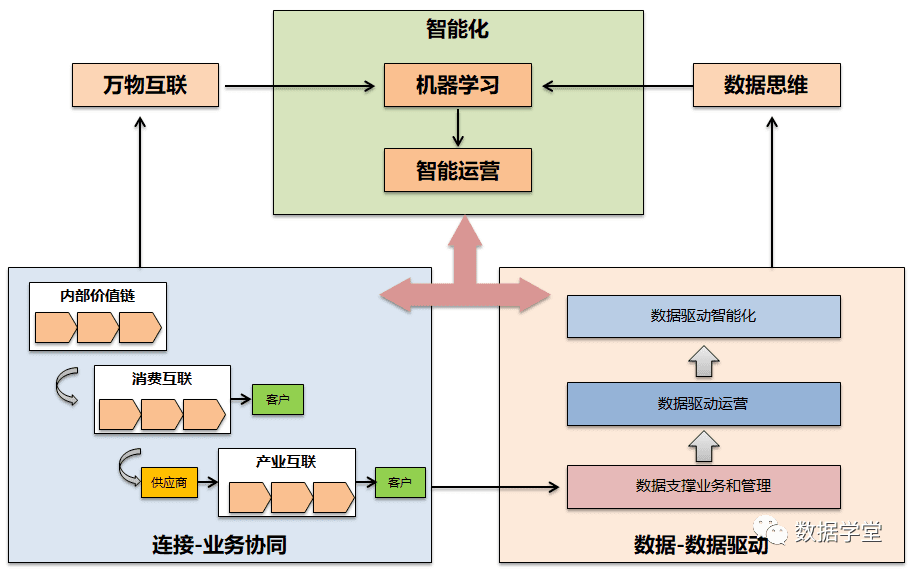
那企业数字化的本质是什么?其主要特征包括三个方面:
- 第一是连接,连接员工、连接客户、连接物联设备;
- 第二是数据,也就是连接之后实时产生的数据;
- 第三是智能,是数据驱动的智能化能力。
以上三个方面个人理解即是数字化转型里面最核心的三个内容,其它内容实际仍然是围绕以上三个核心内容展开,所以在下面准备还是先从三个核心内容展开进行说明。
为了更好地说明三者的关系,重新构图如下:
简单总结就是:
通过连接解决业务协同,在业务协同中产生和积累数据,通过对数据的处理,分析和洞察,进一步驱动业务和运营。同时对于数据持续积累最终支持更高级别的自我学习,并推动业务运营的智能化,并形成闭环持续优化改进。
二、连接01-解决业务协同和生态构建
对于早期,企业往往并不关注外在的连接,更多的还是还是内部价值链的实现,打通内部的供应链、财务、营销、生产等核心业务流程,支撑企业基本的业务运作。
互联网早期形态下,传统企业开始考虑电商化,最早可能是依托京东、天猫等平台本身提供的B2B2C架构模式,构建自己的电商自营门店,进行线上的销售。其次是扩展到消费互联,即扩展自营电商体系、扩展类似微信小程序、微博等数字化营销手段实现对客户的直接触达能力。扩展从公域流量朝自己私域流量的引流能力,并实现私域流量的持续经营。
对于直接面对C端用户的企业,类似家电、鞋和服装、日常家用消费品等企业,可以看到基于数字化营销手段构建自己的消费互联网成为趋势。
在这个阶段流量成为核心的价值体现。
那么在消费端流量问题解决后,企业是否能够支撑足够的流量和需求,在产业互联时代,这个不是简单的一个企业能说了算的,而是需要整个产业链上下游能力整合。
我们可以看下最近几个月关于新冠疫苗上市公司的股票炒作路径,最开始是类似医药,生物等疫苗研发企业股票涨。然后是关于疫苗的冷链运输企业股票涨,最后小到生产制作疫苗瓶子的企业股票涨,而这些实际上就可以理解成要给完整的产业链。
疫苗研发出来,如果没有整个产业链能力支撑,最终也无法达到最终消费者手里。这个有点类似于APS先进计划排程里面谈到的ATP承诺,客户需求过来,你要承诺交期和可交量,这个时候就必须下游整个产业链共同协同,敏捷响应并完成计算。
也就是说在社会协作化越来越细化的情况下,为了提升最终的产品和客户服务能力,不是简单的企业单方面能完成的,而是需要整个产业链协同和能力整合。
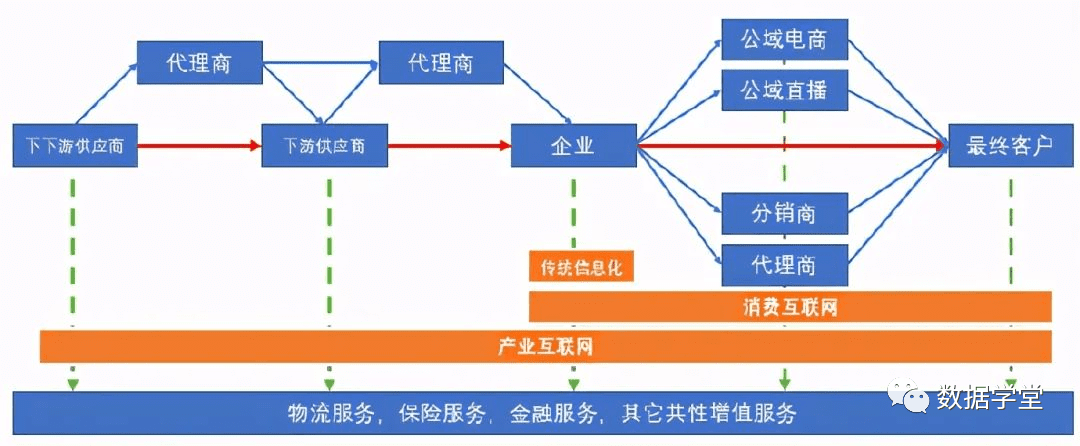
对于产业互联网,网上有很多文章对这个内容进行描述。比较主流的说法为以类似行业协会牵头或者是有影响力的企业来牵头,来构建一个完整的生态体系。而实际上个人理解以某个企业牵头来构建的生态体系本质还是一种中心化的架构模式。
在中心化架构模式下一定是带来的类似供应链协同中的牛鞭效应问题。
如果用技术里面的去中心化思路,实际上产业互联网最终的构建思路应该是以非盈利的第三方来牵头构建一个标准体系,同时传统串行链路协同转变为类似去中心化架构下的网状信息交互和协同模式。在这种模式下管控能力和业务流协同分离,既能够实现标准管控,又能够实现业务流的点对点协同高效协同。
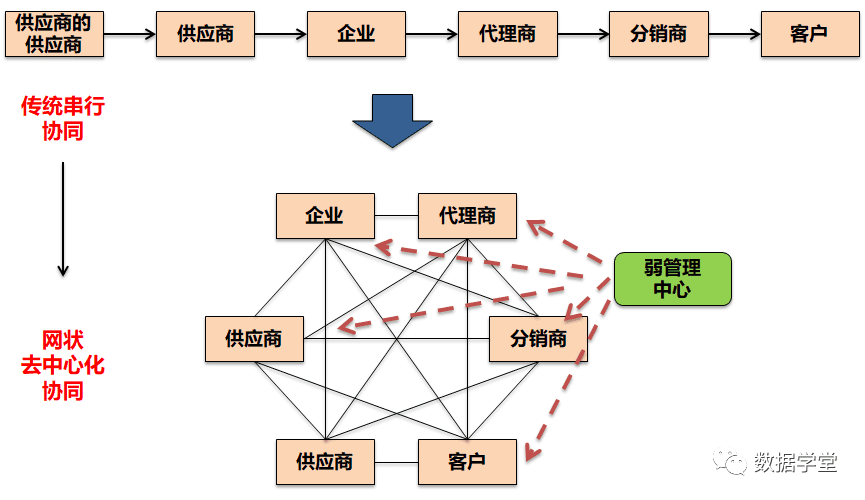
所以,当我们谈企业数字化转型里面的连接的时候,首先要解决上下游的业务协同问题,从最开始的解决到客户的直接触达能力,到整个产业链的上下游协同。
而所有协同的目标都是为了更好的实现产品价值创造,更好的敏捷响应和满足客户需求,只有这样才能够持续提升客服服务能力,抢占市场。
三、连接02-万物互联和数字化
对于连接的理解,还需要谈到连接类型的变化。
这个连接不仅仅是物和人的连接,同时包括了物和物的连接、人和人的连接。通过连接来形成信息的自动产生、采集、处理和应用。
在信息化时代很少谈连接这个词,而经常谈到三流合一,即常说的物流,信息流和资金流的融合。在这里我们只谈物流和信息流,这两者是如何融合的?

我们举一个最简单的场景来进行说明:
一个企业生产了1000台电视,需要从深圳工厂发送到华东配送中心仓库。那么这个时候实际的操作是首先要建一张出库单,进行出库处理。然后安排实际的物流公司进行运输,在运输到华东地区后,由配送中心管理人员再在系统里面建一张入库单,进行接收入库。在入库完成后,内部进行库存记账,形成一种内部结算单。
通过上述方式,我们实现了物流、信息流和资金流的统一。
那么问题在哪里?
如果我们入库单创建的时候是入库1000台电视,但是实际实物只入库了999台,这个时候实际上没有任何地方会报异常。出现的差异往往也只有通过月结进行库存盘点的时候才会发现。
也就是说我们传统的信息化方式过渡的依赖人来解决信息的产生、录入、修改等操作。通过人在系统中的操作来保证信息流和物流信息的统一和同步。
而到了数字化阶段,我们希望的是通过物联网,5G和移动互联网等新的技术来实现信息的自动化产生和匹配问题。比如我们常说的RFID和条码应用,完全就可以实现物品的自动化出库入库,单据信息的自动化形成和处理。
最早我们实施智慧城市的时候也经常谈到,数字城市是智慧城市的基础,数字城市首先就是解决了城市里面的所有信息都标记了空间属性后进行了网格化处理。
对应到企业数字化里面也是一样的道理,即数字化技术和应用里面一个关键就是让企业中的实物信息能够进行数字化标记,这个标记本身就包括了空间位置信息,所有实物的移动产生的信息流自动就携带了位置信息+时间信息。即:
- 信息化:人录入信息 + 时间
- 数字化:实物自动采集信息 + 实物自带空间信息 + 时间
在企业数字化转型和智能制造里面,最近几年都有一个词很火,即数字孪生,我们先看下网上对数字孪生的一个简单定义。
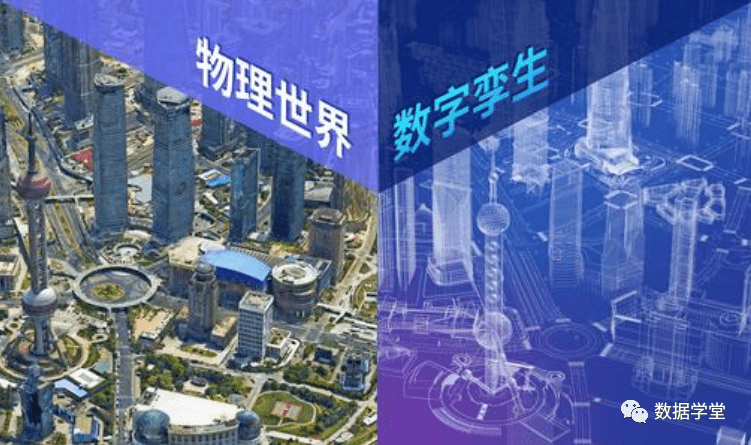
数字孪生是充分利用物理模型、传感器更新、运行历史等数据,集成多学科、多物理量、多尺度、多概率的仿真过程,在虚拟空间中完成映射,从而反映相对应的实体装备的全生命周期过程。简单来说就是希望我们在进行工程设计时候,我们计算机系统里面的三维虚拟模型和我们真实的模型能够相互映射,相互匹配,自动化协同一致。
回到刚才概念里面也一样。
企业在进行数字化转型的时候,连接不是简单的引入物联网、5G等新的技术,而是真正希望通过新技术的引入,能够完成物流和信息流、资金流的自动化匹配过程。如果理想化点理解,就是以后的IT支撑业务类系统,终极目标是不再需求人为的在系统中进行单据的录入、处理和稽核等操作。
四、数据驱动和智能化
在谈企业数字化转型的时候一定单独将数据拿出来谈。
但是对应数据问题实际上企业在原有的业务运作和IT系统建设中就已经在做。做法有很多,包括构建基础主数据平台、数据管控治理体系、BI系统、大数据分析平台等。
那么在谈数字化转型的时候在数据这个维度带来了哪些新鲜的东西?
第一阶段:数据应用于管理和自动化
在第一阶段,实际上数据仅仅是应用到管理和自动化,我们通过信息化建设,不断地在IT系统里面形成数据,通过这些数据来支撑了我们最基本的业务运作。
比如我们常说的你要完成一个端到端供应链流程,里面涉及到供应商、采购框架协议、采购订单、采购接收单、出库单、付款单等,这些都是数据。而通过这些数据的产生,使用,交互和协同我们完成了一个完整的端到端业务流程,即:
数据支撑了基本的业务流程运作,实现管理自动化。
第二阶段:数据应用于运营
在第一阶段数据实际上也可能应用到运营,比如我们常说的构建了企业内部的BI系统,通过BI系统进行辅助决策和运营。但是在数字化经济时代,面对客户的需求我们需要更加敏捷地响应,传统的BI很难做到如此敏捷。
其次,在第一阶段更多的是固化的定时操作,比如我们接到到订单后,安排采购和生产,我们每个月进行一次需求计划和预测,然后安排生产。而在数字化阶段,真正需要回答的是客户究竟需要什么?我们该生产多少,哪些应该多生产哪些应该少生产,基于当前的订单数据,我们应该如何快速调整我们的市场策略,如何引导客户产生更多的购买需求等。
也就是说数据不再是简单地实现管理自动化,而是需要形成数据思维,形成数据驱动运营的思想。这与我们在谈到中台建设时,将业务能力数据化和数据能力业务化是一个道理。
第三阶段:从自动化到智能化
当积累到一定量的数据后,你就可以开始考虑智能化的问题。
我始终认为,企业的数字化转型,智能化度是一个关键趋势。真正的智能化不是简单的信息化和信息采集的自动化,而是基于历史数据进行持续的学习,形成有价值的规则,并持续改造运营和业务运作的能力。
而从自动化到智能化的过程中,数据刚好起到了承上启下的作用,即数据本身的积累数量、数据的质量、数据的全面性等都将直接影响到后续智能化分析模型的构建,深度学习的输入和算法优化。没有数据,所有的智能化都是空谈。
注:在谈到数据这个维度的时候,我们经常会马上谈到数据中台,大数据分析平台这些技术层面的内容。但是实际上数据维度的核心仍然是数据驱动运营的思维转变。而且这种驱动是一种实时敏捷的驱动,是一种对运营的持续优化改进。
五、业界的一些数字化能力框架
前面已经谈到企业数字化转型涉及到组织、业务、技术、运营多个方面的内容。在这里我们列举和分析下业界的一些著名咨询公司给出的企业数字化转型能力框架模型进行分析和说明。
1、德勤-数字化到智能化能力框架
德勤管理咨询携手第四范式发布了双方共同研究并撰写的白皮书《数字化转型新篇章:通往智能化的“道、法、术”》。白皮书详细阐述了企业智能化转型的原因和特征,以及企业即将面对的机遇与挑战。白皮书从“道、法、术”三个层面进行了解构,为企业描绘出转型的方向、模式与路径。
在该白皮书首先指出,企业的数字化转型已经进入到智能化阶段。大多数企业从互联网技术开始积极积累,度过了如核心系统改造、移动技术应用、分析认知等,并初步进入到自动化和智能化阶段。不少公司已经开始实施类似机器人、自动分析等,但是企业智能化转型远远不止这些内容。
书里面给出了数字化技术演进路线如下,可以参考。
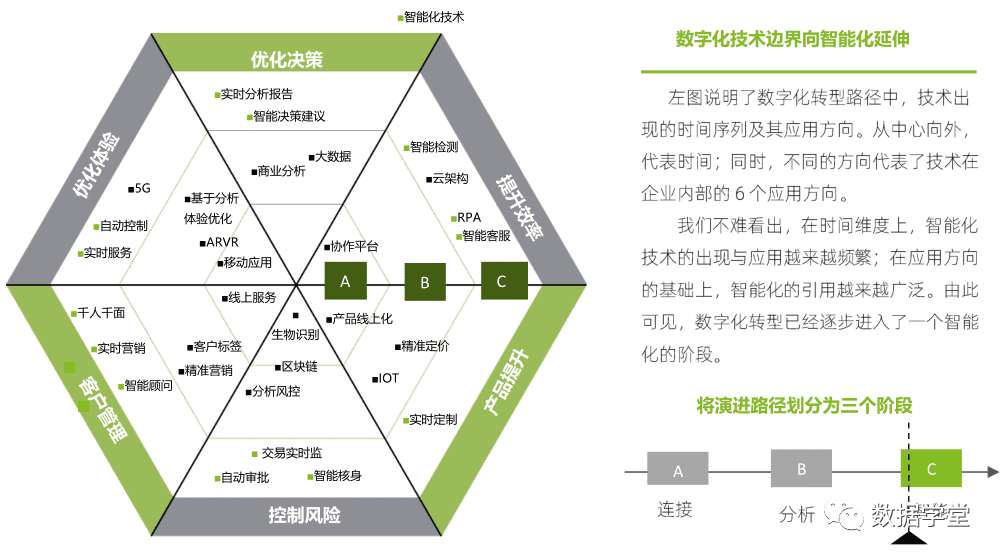
其中绿色点给出了智能技术的应用点。
在该演进路径中分为了连接-》分析-》智能三个阶段。实际上和我前面提到的连接、数据和智能三个核心内容是完全匹配的。
即连接解决的是基本业务协同问题,数据和智能解决的是持续运营和能力提升问题。智能化既采用连接产生的数据进行学习和决策,同时结果又反哺回业务协同中,优化产品功能,提升客户体验和服务。
在该书里面提出,企业可通过构建六大方面的核心能力,以快速实现智能化转型的终极目标。这六大方面能力可以理解为德勤给出的数字化转型方法论和能力框架。其中六大核心能力包括:智能化战略、人才体系、运营、需求、技术和数据。具体如下图。
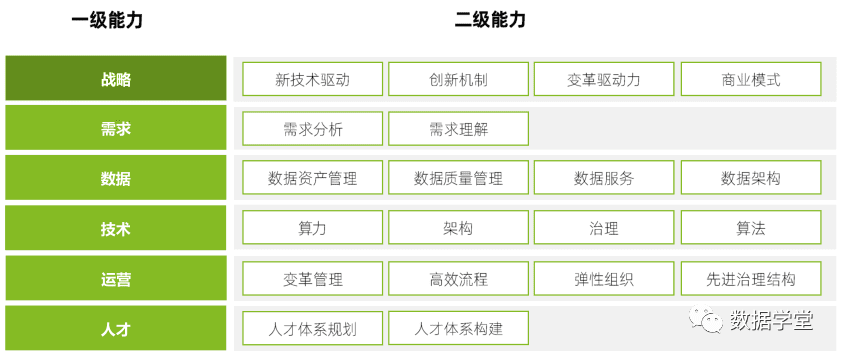
从该图我们也可以看到,企业要完成数字化和智能化转型,是要给涉及到战略,组织,人员,业务,数据,数字化技术,运营多方面共同努力的要给系统工程。
没有以上各个方面的高效协同,很难真正实施成功的数字化转型战略。这也是我们经常谈到数字化转型首先是要给战略思路,数据驱动运营思维,无边界化思维的转变,其次才是数字化技术的应用和支撑。
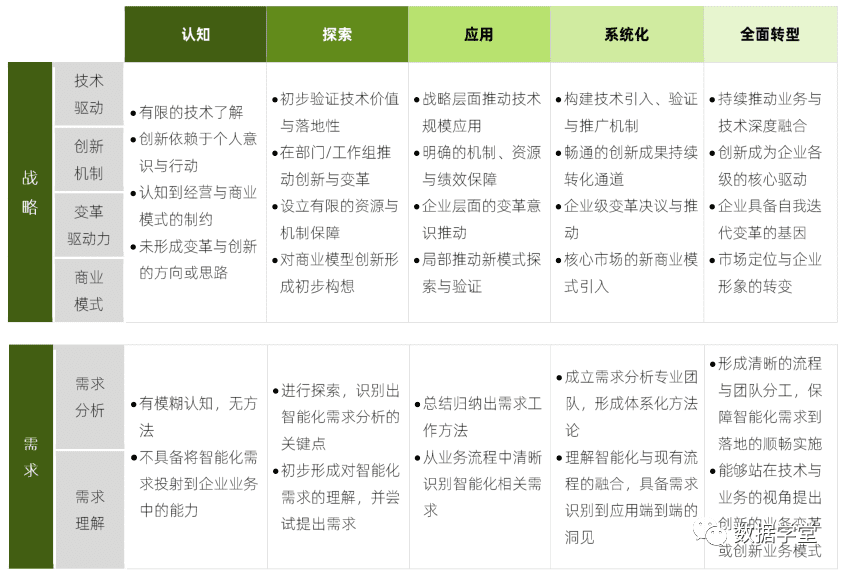
针对以上6方面的核心能力,每个能力从动态发展阶段来考虑,又分为了认知、探索、应用、系统化、全面转型5个阶段。这样就构成了要给完整的能力框架模型。
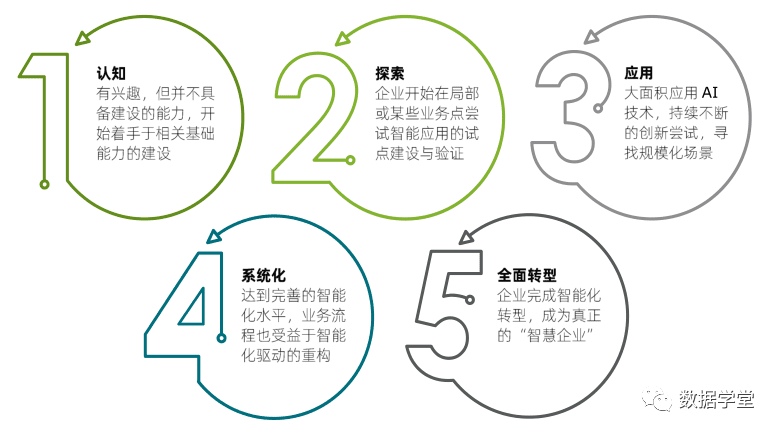
比如对于战略和需求两个核心能力,5个阶段内容展开具体能力框架内容如下:
2、毕马威-数字化转型框架
下面谈下毕马威发布的智链企业数字化转型框架。
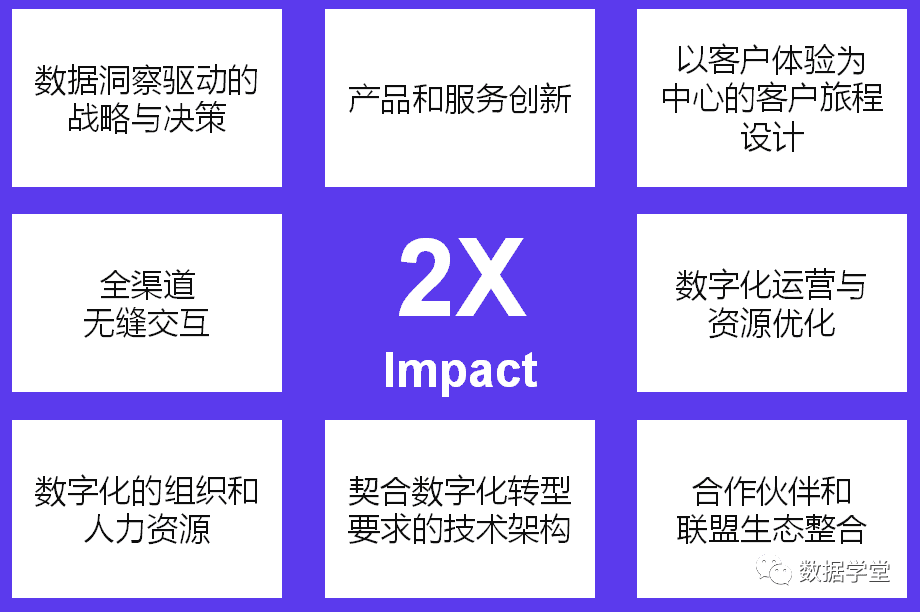
智链企业是毕马威面向行业(更多针对直接面向C端的零售行业)的数字化转型框架和能力模型,是企业数字化转型方法和解决方案,可帮助企业实现从战略到执行的数字化转型。新的营商环境和创新技术使得具备数字化能力的企业获得弯道超车的良机。
毕马威的零售数字化转型核心框架指出,零售数字化能力建设必须以构建顾客与品牌的高效链接、重塑增长方式、创造增量价值为“一个目标”;将深度运营顾客、重新定义“货”和“场”、促进“跨边拉动效应”作为“三大抓手”;从产品、价格和营销、顾客体验、无缝安全交易和敏捷供应链四个角度构建“四轮驱动”;加快构建“双模”式技术平台和内部组织能力的“两层地基”,并积极通过推动数据分析能力和外部生态合作体系升级,打造“双模”式“双向支柱”。
基于核心框架,毕马威构建了零售数字化转型能力模型——“智链企业”,从数字化运营、驱动、基础、组织和生态系统五个领域定义了零售数字化的“八大能力”。“八大能力”又可分解为40个子能力指标,对数字化转型必须构建的能力体系提供准确可行的定义。
具体能力框架模型如下:
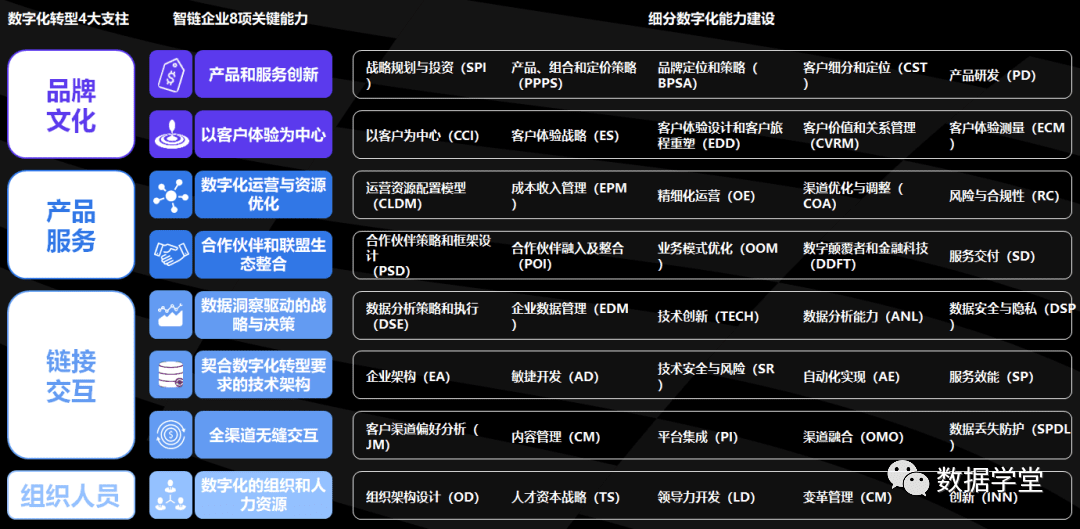
根据该能力框架中和各项子能力,我们就可以运用成熟的行业数字化转型方法论和行业领先参考框架对企业进行数字化能力成熟度诊断。明确企业在哪些数字化能力与行业基准存在差距,形成未来企业数字化转型战略框架和数字化能力建设重点领域。
由于该框架偏零售行业,可以看到更加强调了产品创新,产品创新和客户体验方面的内容。而对于组织、技术架构、全渠道驱动交互,数据洞察基本也在前面讲数字化核心内容的时候都强调过。
3、埃森哲-数字化转型路线
企业数字化目标通常包含两大侧重点。一是提升运营效率,二是驱动收入增长。
前者关注的是如何以数字技术优化流程、提升企业敏捷性等。后者关注如何借助数字技术打造新的收入来源,例如用新技术提升消费体验、制定新的定价模式等。
例如零售商沃尔玛的一项数字化行动目标就是提升营销精准度,为此该公司在创新和优化算法的基础上建立了一个新的搜索引擎,通过分析消费者历史搜索习惯和社交模式为其推送最感兴趣的商品。这一搜索引擎的使用为沃尔玛带来了10%-15%的交易量提升。
对于企业数字化转型,在明确目标后,企业必须展开更为深刻的内部变革,从观念到能力都需要新的变革。具体的数字化转型路线图参考:
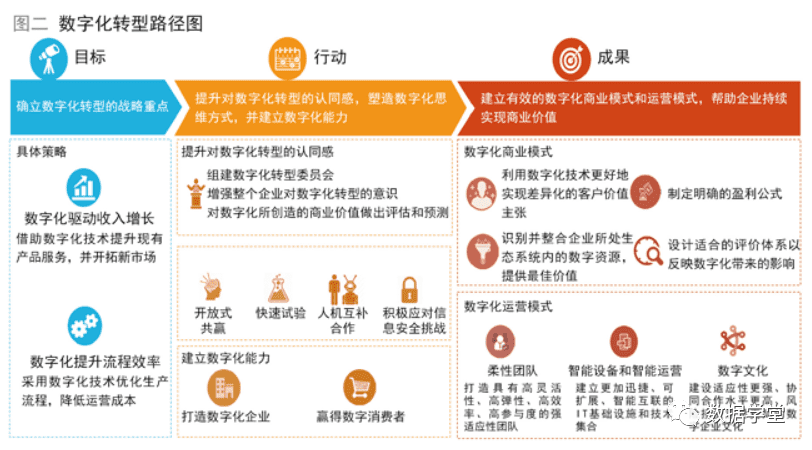
在整个转型里面也提到首先是数字化思维方式的转变,其次才是技术的应用。
新的数字技术层出不穷,企业需要明智决策投资于哪些数字技术和能力。而打造数字化企业和赢得数字消费者应是企业关注的两大重点领域。
为打造数字化企业,企业应当借助产业物联网、人工智能、敏捷创新等数字技术对其运营进行改造升级,提高内部运营效率。为赢得数字消费者,企业需要摆脱原有的产品驱动型发展方式,真正了解客户显性和隐性诉求,提供与客户个性化需求密切相关的解决方案和用户体验。
比如一家日本连锁便利店采集并分析了来自全球4000万忠实用户的数据,用以优化营销投资方案和改善货架空间分配及利用率,该项目为其带来125万美元的利润及超过1.25亿美元的年收入增长。
4、中国信通院-企业数字化IOMM成熟度模型
在中国通信标准化协会云计算标准和开源推进委员会和中国信息通信研究院(以下简称“中国信通院”)云计算与大数据研究所主办《企业数字化转型IOMM发布会》上,以现场直播的方式发布了业界高度关注的企业数字化转型首个成熟度模型IOMM标准。
企业数字化转型首个能力成熟度模型IOMM标准分为五类阶段,分别是基础保障类、业务支撑类、平台服务类、客户运营类和创新引领类,每个类别都有合理的阶段和适用单位,将对相应阶段的能力进行评估定位水平,并以价值分数进行效果验证。IOMM整体框架包括两大领域、四大象限、六大能力、六大价值,从能力和价值角度全面衡量企业数字基础设施的能力和体现出的价值。
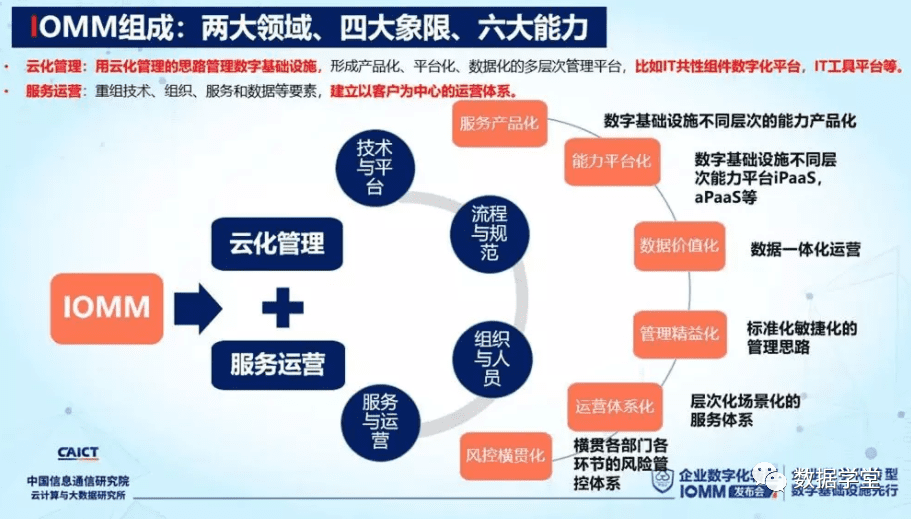
IOMM整体框架包括服务运营和云化管理两大领域、四大象限、六大能力、六大价值,从能力和价值角度全面衡量企业数字基础设施的能力和体现出的价值。实际上对于该成熟度模型仍然是偏数字化技术层面,从整体来讲反而弱化了企业业务战略,产品创新和客户体验服务等方面的内容。
而基于两大领域展开的具体六大能力如下:
- 服务产品化:数字基础设施不同层面的能力产品化
- 能力平台化:不同层次平台,如iPaaS,aPaaS等
- 数据价值化:数据一体化运营
- 管理精益化:标准化敏捷化的管理思路
- 运营体系化:层次化场景化的服务体系
- 风控横贯化:观察各业务部门的风控体系
对于服务运营领域,重点是重组技术、组织、服务和数据等要求,建立以客户为中心的运营体系。而对于云化管理,则是用云化管理的思路管理数字基础设施,形成产品化、平台化、数据化的多层次管理平台。这个实际和我头条上谈云原生解决方案中的技术平台构建思路完全吻合。
如我在前面重构了覆盖微服务、DevOps、容器云和微服务治理的云原生解决方案技术中台架构,该架构则是重点实现上面能力平台化这个关键能力,如下图:
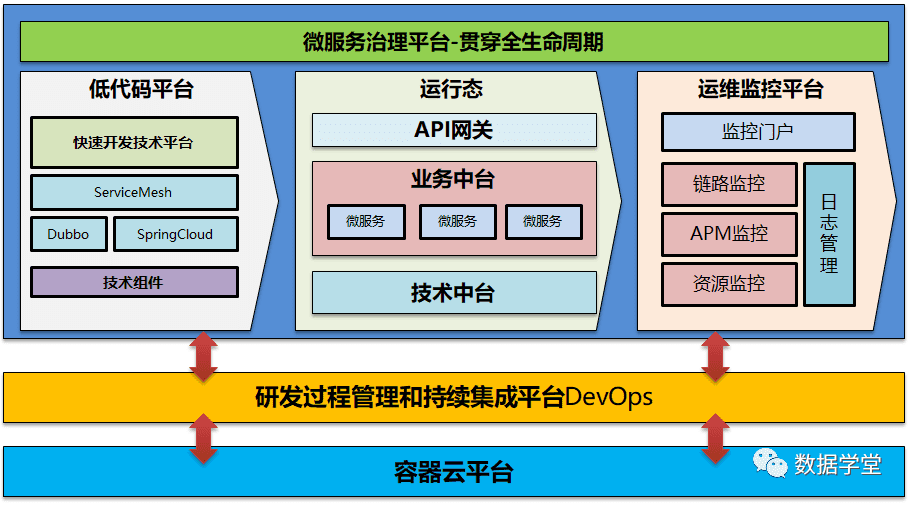
云原生加速企业数字化转型,架构和理念与数字化转型趋势一脉相承,为开发高效、可扩展且可靠的软件,形成高效 IT 研发能力开辟了道路,助力企业更加顺畅地数字化转型。
容器、持续交付&DevOps、微服务构成了云原生技术黄金三角,这是所有希望数字化转型的客户都逃不开的“黄金三角”,三大核心技术的不断成熟促成了云原生理念的兴盛。
六、对数字化能力框架的再思考
在前面分析了业界当前主流的企业数字化转型框架和能力成熟度模型。在前面我也提到了数字化核心仍然是连接、数据、智能三个方面的内容。数字化转型核心目标仍然是为企业创造业务价值,而上面三点正好是在企业核心业务价值链的持续优化和改造上面。
对于连接解决基本的业务链协同问题,通过连接下的业务协同形成数据沉淀,通过数据的存储处理,管控治理形成数据服务能力反哺业务。同时数据持续积累又进一步为机器学习,深度学习等智能化分析应用提供服务。
基于以上思考,我们就可以更好地来理解和重构数字化框架。
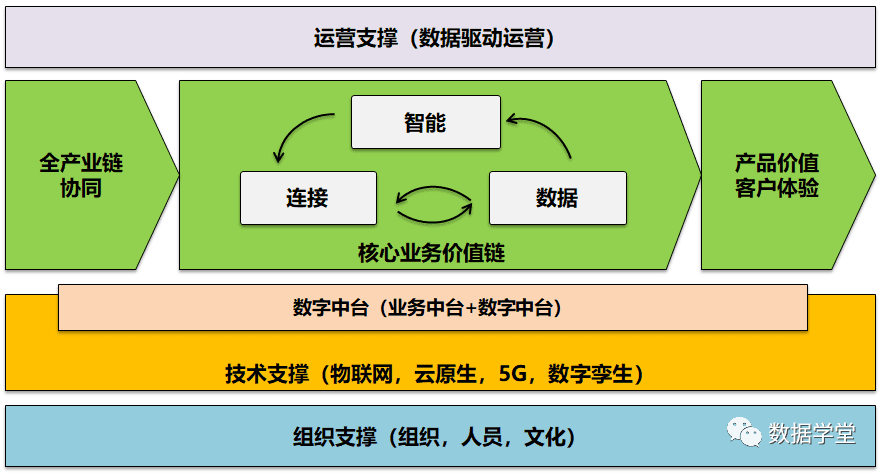
上图是我对企业数字化转型能力框架的一个重构,绿色部分还是围绕核心业务价值链的内容。其中最核心的又是连接、数据和智能三个部分内容。
在下层增加了组织支撑和技术支撑。
- 组织支撑:包括了组织,人员,文化,过程等内容。
- 技术支撑:包括了云原生,物联网,5G和数字孪生等,也包括数字中台构建
在最长增加了运营支撑
运营支撑:核心是基于数据驱动思维下,以价值创造为目标的持续改进
以上即是对企业数字化转型框架的重构理解,对于该能力框架后续准备再专门写文章来进行说明,从该框架至少可以清楚的明白当我们谈一个管理,业务或技术内容的时候,再整个框架里面具体的位置。比如我们谈产业互联、谈上下游生态和能力开放体系构建,那么就在图中的全产业链协同部分展开。
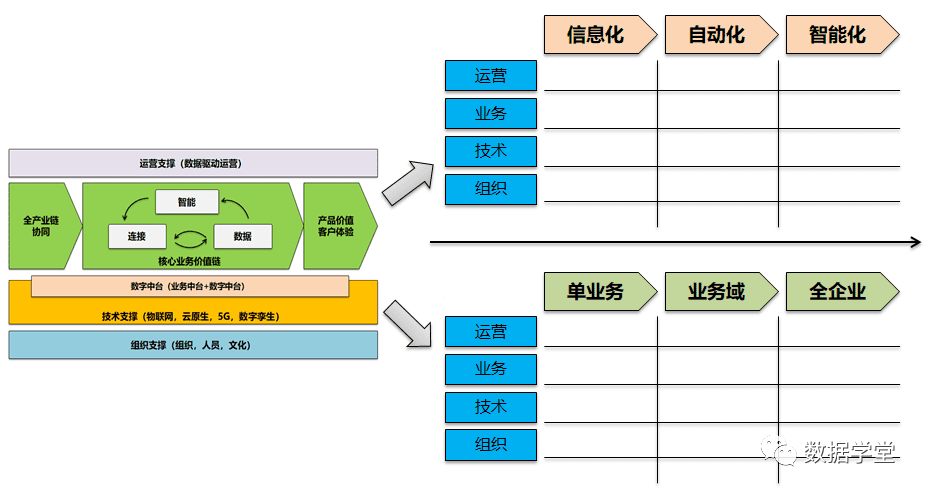
当然,在核心能力基础上,我们还可以增加横向维度来构建一个完整的能力评估矩阵。对于横向评估维度实际上本身也可以有多种选择,包括:
- 建设程度:从认知,到试点应用,到全面实践
- 智能程度:从信息化到自动化,再到智能化
- 范围程度:从单个业务,到业务域,再到企业全业务覆盖
也就是说基于上面的各个横向展开维度,我们就能够构建一个企业数字化转型的能力成熟度框架,并基于当前业务和IT现状,对各个阶段的关键能力现状进行评估。再结合企业实际的业务战略目标,数字化转型目标来制定企业数字化的具体演进和实施路线设计。
翻译:
This article shares some of the author’s thoughts on digital transformation, and will combine the content of the white paper released by various large consulting companies on the construction of capability framework and maturity model in enterprise digital transformation.
What is digital transformation?
First of all, we still extract a simple description of the digital transformation on Baidu’s entry as follows:
Digital transformation is a high-level transformation based on digital transformation and digital upgrading, which further touches on the company’s core business and aims to create a new business model. Digital transformation is the development of digital technologies and supporting capabilities to create a dynamic digital business model. Digital transformation shows that success can only be achieved when organizations systematically and radically (or significantly and completely) redefine their business – not just IT, but every aspect of organizational activities, processes, business models, and employee capabilities.
If you do a simple extraction of the core content of this entry, you will see that the key points include:
It involves the application of digital technology
Transformation objectives support new business and business model innovation or change
Transformation involves IT, organization, process, business, and people
And these three points we can understand as the core of digital transformation. But the fact that you have a different perspective on digital transformation is actually a completely different understanding.
For external economic and strategic experts, more talks are consumer interconnection, digital economy, industrial interconnection, digital twin, etc. For the CEO of the enterprise, he talked about the enterprise’s new strategy and digital business model innovation or reconstruction; For similar IT consulting service providers, application software providers are more from the technical level to talk about digital transformation, including the enterprise digital middle platform construction, intelligent manufacturing, cloud native solutions that I also talked about in the previous article.
It is for this reason that we can see that digital transformation is becoming more and more generalized, making it harder for us to grasp the core of it.
Digital economy is a problem that all enterprises must consider in the digital era, and it will become a new engine in the social economy in the near future, and will gradually promote the digital transformation of industrial interconnection and enterprise business ecology. The digitalization of enterprises should be based on the top design, combined with the core competitiveness of enterprises, such as product design ability, social service ability, channel terminal coverage, as well as the future industrial interconnection and ecological development direction, relying on their own advantages, grasp the digital nature of enterprises themselves.
So what is the nature of enterprise digitization? Its main characteristics include three aspects:
The first is connection, connecting employees, connecting customers, connecting iot devices;
The second is data, that is, the data generated in real time after the connection;
The third is intelligence, which is data-driven intelligence capability.
The above three aspects of personal understanding are the three core contents of digital transformation, and other contents are actually still developed around the above three core contents, so the following preparations are still explained from the three core contents. In order to better illustrate the relationship between the three, reframe the picture as follows:
To summarize:
Solve business collaboration through connectivity, generate and accumulate data in business collaboration, and further drive business and operations through data processing, analysis and insight. At the same time, the continuous accumulation of data ultimately supports a higher level of self-learning, promotes the intelligence of business operations, and forms a closed-loop continuous optimization and improvement.
Connection 01 – Solve business collaboration and ecological construction
For the early stage, enterprises often do not pay attention to external connections, more or the realization of the internal value chain, open up the internal supply chain, finance, marketing, production and other core business processes to support the basic business operations of enterprises.
In the early form of the Internet, traditional enterprises began to consider e-commerce, and the earliest may be relying on the B2B2C architecture model provided by Jingdong, Tmall and other platforms to build their own e-commerce stores and carry out online sales. The second is to expand to the consumer Internet, that is, to expand the self-operated e-commerce system, expand digital marketing methods such as wechat mini programs and Weibo to achieve direct contact with customers. Expand the ability to divert traffic from the public domain to your own private domain traffic, and achieve continuous management of private domain traffic.
For enterprises that directly face C-end users, such as home appliances, shoes and clothing, daily household consumer goods and other enterprises, you can see that it has become a trend to build their own consumer Internet based on digital marketing means.
At this stage, traffic becomes the core value embodiment.
So after the consumer traffic problem is solved, whether the enterprise can support enough traffic and demand, in the era of industrial interconnection, this is not a simple enterprise can say the final word, but requires the integration of the upstream and downstream capabilities of the entire industrial chain.
We can take a look at the stock speculation path of listed companies on COVID-19 vaccines in recent months. At the beginning, the stocks of vaccine research and development companies such as medicine and biology rose. Then, the stock of cold chain transportation companies about vaccines rose, and finally, the stock of companies that produce vaccine bottles rose, and these can actually be understood as giving the complete industrial chain.
If the vaccine is developed, without the support of the entire industrial chain, it will eventually be unable to reach the hands of final consumers. This is somewhat similar to the ATP commitment mentioned in the APS advanced planning schedule. When the customer needs to come, you have to promise the delivery time and deliverable quantity. At this time, the whole downstream industry chain must work together, respond quickly and complete the calculation.
In other words, in the case of more and more detailed social collaboration, in order to improve the final product and customer service capabilities, it is not a simple enterprise can be completed unilaterally, but the entire industry chain coordination and integration of capabilities.
For the industrial Internet, there are many articles on the Internet to describe this content. The more mainstream argument is to take the lead of similar industry associations or influential enterprises to build a complete ecosystem. In fact, individuals understand that the nature of the ecosystem built by a certain enterprise is still a centralized architecture model.
Under the centralized architecture model, it must be a problem similar to the bullwhip effect in supply chain coordination.
If you use the decentralized idea in the technology, in fact, the final construction idea of the industrial Internet should be a non-profit third party to take the lead in building a standard system, while the traditional serial link collaborative transformation into a similar decentralized architecture of the network information interaction and collaboration mode. In this mode, the management and control capability can be separated from the service flow coordination, which can realize not only the standard management and control, but also the point-to-point cooperation and efficient cooperation of the service flow.
Therefore, when we talk about the connection of enterprise digital transformation, we must first solve the problem of upstream and downstream business collaboration, from the initial solution to the direct contact ability of customers, to the upstream and downstream collaboration of the entire industrial chain.
The goal of all collaboration is to better achieve product value creation, better agile response and meet customer needs, only in this way can we continue to improve customer service capabilities and seize the market.
Connect 02- Everything is connected and digitized
For an understanding of connections, you also need to talk about changes in connection types.
This connection is not only the connection between things and people, but also includes the connection between things and things, and the connection between people and people. Through connection to form the automatic generation, collection, processing and application of information.
In the information age, we rarely talk about the word connection, but often talk about the integration of three streams, that is, the integration of logistics, information flow and capital flow. Here we will only talk about logistics and information flow, how are the two integrated?
Let’s take the simplest scenario to illustrate:
One company produced 1,000 TVS that needed to be sent from the Shenzhen factory to the East China distribution center warehouse. Then the actual operation at this time is to first build an outlet order and carry out outlet processing. Then arrange the actual logistics company for transportation, and after transportation to East China, the distribution center management staff will build a storage receipt in the system for receiving storage. After the warehousing is completed, the inventory accounting is carried out internally to form an internal settlement statement.
Through the above methods, we have realized the unification of logistics, information flow and capital flow.
So what’s the problem?
If we create a list of 1000 TVS in storage, but the actual physical storage is only 999, this time in fact, no place will report abnormal. The differences that arise are often only noticed when the inventory is taken through the monthly statement.
In other words, our traditional information mode relies on people to solve the operation of information generation, input and modification. Through the operation of people in the system to ensure the information flow and logistics information unity and synchronization.
When it comes to the digital stage, we hope to automate the generation and matching of information through new technologies such as the Internet of Things, 5G and mobile Internet. For example, we often say that the application of RFID and bar codes can completely realize the automatic exit and entry of items, and the automatic formation and processing of document information.
When we first implemented the smart city, we often talked about that the digital city is the basis of the smart city, and the digital city is first to solve the grid processing after all the information in the city is marked with spatial attributes.
Corresponding to the enterprise digitalization is the same truth, that is, a key to digital technology and application is to enable the physical information in the enterprise to be digitally marked, the mark itself includes spatial location information, and the information flow generated by the movement of all physical objects automatically carries location information + time information. To wit:
Information: people input information + time
Digitalization: physical automatic collection of information + physical space information + time
In the enterprise digital transformation and intelligent manufacturing, there is a word very hot in recent years, that is, digital twin, let’s take a look at a simple definition of digital twin online.
Digital twin is a multi-disciplinary, multi-physical, multi-scale and multi-probability simulation process that makes full use of data such as physical model, sensor update and operation history, and completes mapping in virtual space to reflect the whole life cycle process of the corresponding physical equipment. Simply put, we hope that when we carry out engineering design, the three-dimensional virtual model in our computer system and our real model can map each other, match each other, and automatically cooperate with each other.
The same goes for going back to the concept.
When enterprises are undergoing digital transformation, the connection is not simply the introduction of new technologies such as the Internet of Things and 5G, but the real hope that through the introduction of new technologies, the automated matching process of logistics, information flow and capital flow can be completed. If IT is understood idealized, it is the future IT support business system, and the ultimate goal is to no longer need to manually enter, process and audit documents in the system.
Data-driven and intelligent
When talking about enterprise digital transformation, be sure to talk about data separately.
However, the corresponding data problem is actually done in the original business operation and IT system construction. There are many approaches, including the construction of basic master data platform, data control and governance system, BI system, big data analysis platform and so on.
So what’s new in the data dimension when talking about digital transformation?
Phase 1: Data application for management and automation
In the first stage, in fact, data is only applied to management and automation. We constantly form data in IT systems through information construction, and these data support our most basic business operations.
For example, we often say that you have to complete an end-to-end supply chain process, which involves suppliers, procurement framework agreements, purchase orders, procurement receipt orders, outbound orders, payment orders, etc., which are all data. Through the generation, use, interaction and collaboration of these data, we complete a complete end-to-end business process, namely:
Data supports basic business process operations and enables management automation.
Phase 2: Data application to operations
In the first stage, data may actually be applied to operations, for example, we often say that the BI system within the enterprise is built, and the BI system is used to assist decision-making and operation. However, in the age of digital economy, we need to be more agile in responding to customer needs, and traditional BI is difficult to be so agile.
Secondly, in the first stage, there are more fixed timing operations. For example, after we receive the order, we arrange procurement and production. We plan and forecast the demand once a month, and then arrange production. In the digital phase, the real answer is what do customers really want? How much should we produce, what should be produced more and what should be produced less, based on the current order data, how should we quickly adjust our marketing strategy, how to guide customers to generate more purchase demand, etc.
In other words, data is no longer simply to achieve management automation, but to form data thinking and form the idea of data-driven operations. This is the same reason that when we talk about the construction of middle desk, the business capacity of data and data capacity of business.
The third stage: from automation to intelligence
When you have accumulated a certain amount of data, you can start thinking about intelligence.
I always believe that the digital transformation of enterprises, intelligence is a key trend. True intelligence is not simple informatization and automation of information collection, but the ability to continuously learn based on historical data, form valuable rules, and continuously transform operations and business operations.
In the process from automation to intelligence, data just plays a connecting role, that is, the accumulation of data itself, the quality of data, and the comprehensiveness of data will directly affect the subsequent construction of intelligent analysis models, the input of deep learning and the optimization of algorithms. Without data, all intelligence is empty talk.
Note: When talking about the dimension of data, we often immediately talk about the technical aspects of data center and big data analysis platform. But actually the core of the data dimension is still a shift in thinking about data-driven operations. while
Some of the industry’s digital capability frameworks
As mentioned above, enterprise digital transformation involves many aspects of organization, business, technology, and operation. Here we list and analyze the enterprise digital transformation capability framework model given by some famous consulting companies in the industry for analysis and explanation.
Deloitte – Digital to Intelligent Capability Framework
Deloitte Management Consulting and Fourth Paradigm released the white paper, “A New Chapter in Digital Transformation: The Tao, the Dharma, and the Art”, which was jointly researched and written by the two companies. The white paper details the reasons and characteristics of the intelligent transformation of enterprises, as well as the opportunities and challenges that enterprises will face. The white paper deconstructs from the three levels of “Tao, Fa and technique”, and describes the direction, mode and path of transformation for enterprises.
The white paper first points out that the digital transformation of enterprises has entered the intelligent stage. Most enterprises start from the Internet technology to actively accumulate, such as core system transformation, mobile technology application, analysis and cognition, and initially entered the automation and intelligence stage. Many companies have begun to implement similar robots, automatic analysis, etc., but the intelligent transformation of enterprises is far more than these contents.
The book gives the digital technology evolution route as follows, you can refer to.
The green dots show the application points of intelligent technology.
The evolution path is divided into three stages: connection – analysis – intelligence. In fact, it perfectly matches the three core contents of connectivity, data, and intelligence that I mentioned earlier.
That is, connectivity solves the basic business collaboration problem, and data and intelligence solve the continuous operation and capability improvement problem. Intelligence not only uses the data generated by the connection for learning and decision-making, but also feeds back into business collaboration, optimizing product functions, and improving customer experience and service.
In the book, it is proposed that enterprises can quickly achieve the ultimate goal of intelligent transformation by building six core competencies.
These six capabilities can be understood as the digital transformation methodology and capability framework given by Deloitte. The six core competencies include: intelligent strategy, talent system, operation, demand, technology and data. The details are as follows.
From the figure, we can also see that to complete the digital and intelligent transformation of enterprises, it is necessary to give system engineering involving the joint efforts of strategy, organization, personnel, business, data, digital technology, and operation.
Without the effective synergy of these aspects, it is difficult to truly implement a successful digital transformation strategy. This is also what we often talk about when we talk about digital transformation. First of all, we need to change the strategic thinking, data-driven operational thinking, and borderless thinking, followed by the application and support of digital technology.
In view of the above six aspects of core competence, each capability is considered from the dynamic development stage, and is divided into five stages: cognition, exploration, application, systematization and comprehensive transformation. This constitutes a complete capability framework model to be given.
For example, for the two core competencies of strategy and demand, the specific capacity framework is developed in five stages as follows:
KPMG – Digital Transformation Framework
Let’s talk about the smart chain enterprise digital transformation framework released by Bi Mawei.
Smart Chain enterprise is KPMG’s digital transformation framework and capability model for the industry (more for the direct-to-C-end retail industry), and is an enterprise digital transformation method and solution that can help enterprises achieve digital transformation from strategy to execution. The new business environment and innovative technologies allow digitally capable companies to gain opportunities for overtaking on corners.
KPMG’s Retail Digital Transformation Core Framework points out that retail digital capacity building must be “one goal” to build efficient links between customers and brands, reshape growth patterns, and create incremental value. The deep operation of customers, the redefinition of “goods” and “field”, and the promotion of “cross-side pulling effect” as the “three major grasp”; Build “four-wheel drive” from four perspectives: product, price and marketing, customer experience, seamless secure transaction and agile supply chain; Accelerate the construction of a “dual-mode” technology platform and a “two-layer foundation” of internal organizational capabilities, and actively build a “dual-mode” “two-way pillar” by promoting the upgrading of data analysis capabilities and external ecological cooperation systems.
Based on the core framework, KPMG has built a retail digital transformation capability model – “Smart chain Enterprise”, which defines the “eight capabilities” of retail digitalization in five areas: digital operation, drive, foundation, organization and ecosystem. The “eight competencies” can be broken down into 40 sub-competency indicators to provide an accurate and feasible definition of the capability system that must be built for digital transformation.
The specific capacity framework model is as follows:
Based on this capability framework and its sub-capabilities, we can use a proven industry digital transformation methodology and an industry-leading reference framework to diagnose digital capability maturity. It is clear which digital capabilities of enterprises have gaps with industry benchmarks, and form a strategic framework for future digital transformation of enterprises and key areas for digital capacity building.
As the framework skews towards the retail sector, we can see a greater emphasis on product innovation, product innovation and customer experience. For the organization, technology architecture, and omni-channel driven interaction, data insight is basically emphasized when we talk about the core content of digitalization.
Accenture – Digital Transformation Route
Enterprise digital goals typically have two main focuses. One is to improve operational efficiency, and the other is to drive revenue growth.
The former focuses on how to optimize processes and improve enterprise agility with digital technology. The latter focuses on how to use digital technologies to create new revenue streams. Such as improving the consumer experience with new technologies and developing new pricing models.
For example, one of retailer Walmart’s digital initiatives is to improve marketing precision, so the company has built a new search engine based on innovation and optimization algorithms, by analyzing consumers’ historical search habits and social patterns to push the most interesting products. The use of this search engine has resulted in a 10% to 15% increase in transaction volume for Walmart.
For enterprise digital transformation. After the clear goal, enterprises must carry out more profound internal changes, from the concept to the ability to change.
Specific digital transformation roadmap reference:
In the entire transformation, it is also mentioned that the first is the transformation of the digital way of thinking, followed by the application of technology.
New digital technologies are emerging all the time, and businesses need to make informed decisions about which digital technologies and capabilities to invest in. Building digital enterprises and winning digital consumers should be the two key areas of concern for enterprises.
In order to build a digital enterprise, enterprises should use digital technologies such as industrial Internet of Things, artificial intelligence. And agile innovation to transform and upgrade their operations and improve internal operational efficiency. To win over digital consumers, companies need to move away from product-driven growth, truly understand the explicit and implicit demands of customers. And provide solutions and user experiences that are closely related to their individual needs.
For example, a Japanese convenience store chain collected and analyzed data from 40 million loyal customers around the world to optimize marketing investments and improve shelf space allocation and utilization, which resulted in $1.25 million in profit and more than $125 million in annual revenue.
China ICT Institute – Enterprise Digital IOMM Maturity Model
In the Cloud Computing Standards and Open Source Promotion Committee of China Communications Standardization Association and the Institute of Cloud Computing and Big Data of China Academy of Information and Communications Technology (hereinafter referred to as “China ICT”) hosted the “Enterprise Digital Transformation IOMM Conference”, the first maturity model IOMM standard of enterprise digital transformation, which is highly concerned by the industry, was released in a live broadcast.
The IOMM standard of the first capability maturity model for enterprise digital transformation is divided into five stages, which are basic security, business support, platform service, customer operation and innovation leadership. Each category has a reasonable stage and applicable unit. And the ability of the corresponding stage will be evaluated and positioned, and the effect will be verified by value scores. The overall framework of IOMM includes two areas, four quadrants, six capabilities and six values. And comprehensively measures the capabilities and values of enterprise digital infrastructure from the perspective of capabilities and values.
The overall framework of IOMM includes two areas of service operation and cloud management, four quadrants, six capabilities and six values, and comprehensively measures the capabilities and values of enterprise digital infrastructure from the perspective of capabilities and values. In fact, the maturity model is still on the digital technology level, but on the whole. It weakens the content of enterprise business strategy, product innovation and customer experience service.
The six specific capabilities based on the two areas are as follows:
Productization of services: Productization of capabilities at different levels of digital infrastructure
Capability platformization: different level platforms, such as iPaaS, aPaaS, etc
Data value: data integration operation
Management Lean: standardized and agile management ideas
Operation system: hierarchical and scenario-based service system
Horizontal risk control: Observe the risk control system of each business unit
For the field of service operations, the focus is on restructuring technical, organizational, service and data requirements to establish a customer-centric operating system. For cloud management, it is to use cloud management ideas to manage digital infrastructure, forming a productized, platform-based, and data-based multi-level management platform. This is actually in line with my headline about the technology platform construction ideas in cloud-native solutions.
For example, I reconstructed the cloud-native solution technology middle desk architecture covering microservices, DevOps, container cloud, and microservice governance, which focuses on the key capability of platformization of the above capabilities, as shown in the figure below:
Cloud-native accelerates enterprise digital transformation. And the architecture and philosophy are in line with the digital transformation trend, opening the way for the development of efficient, scalable and reliable software. The formation of efficient IT R&D capabilities, and the smooth digital transformation of enterprises.
Containers, continuous delivery &DevOps, microservices constitute the Golden triangle of cloud native technology, which is the “golden triangle” that all customers who want to digital transformation can not escape. And the continuous maturity of the three core technologies has contributed to the prosperity of cloud native concept.
Rethinking the digital capability framework
In the previous analysis of the industry’s current mainstream enterprise digital transformation framework and capability maturity model. I also mentioned earlier that the core of digitalization is still three aspects of connection, data and intelligence. The core goal of digital transformation is still to create business value for enterprises. And the above three points are just on the continuous optimization and transformation of the core business value chain of enterprises.
For connection to solve the basic service chain collaboration problem, data precipitation is formed through service collaboration under connection. And data service capability is formed through data storage and processing, management and governance. At the same time, the continuous accumulation of data further provides services for intelligent analysis applications such as machine learning and deep learning.
Based on the above thinking, we can better understand and reconstruct the digital framework.
Above is a reconstruction of my enterprise digital transformation capability framework. The green part is still around the core business value chain content. The most core of which is connection, data and intelligence three parts of content.
Tissue support and technical support are added in the lower layer.
Organization support: including organization, people, culture, process and so on.
Technical support: includes cloud native, Internet of Things, 5G and digital twins, etc., and also includes digital middle platform construction
Increased operational support at longest
Operation support: The core is continuous improvement based on data-driven thinking with the goal of value creation
The above is the reconstruction understanding of the enterprise digital transformation framework. For the follow-up preparation of the capability framework to write a special article to explain. From the framework can at least clearly understand when we talk about a management, business or technical content. Then the specific position in the entire framework. For example, if we talk about industrial interconnection, upstream and downstream ecology. And the construction of an open capacity system, then the coordination part of the whole industrial chain is carried out in the figure.
Of course, on the basis of core competence. We can also add horizontal dimension to construct a complete capability evaluation matrix.
There are actually several options for the horizontal evaluation dimension itself, including:
Construction degree: from cognition, to pilot application, to comprehensive practice
Degree of intelligence: from information to automation, and then to intelligence
Scope: From a single business, to a business domain, and then to the full service coverage of the enterprise
In other words, based on the horizontal expansion dimensions above. We can build a capability maturity framework for enterprise digital transformation. And evaluate the status quo of key capabilities at each stage based on the current business and IT status. Combined with the enterprise’s actual business strategic objectives and digital transformation objectives. The specific evolution and implementation route design of enterprise digitalization are formulated.
本文由数字化转型网(www.szhzxw.cn)转载而成,来源于人月聊IT,作者何明璐;编辑/翻译:数字化转型网宁檬树。

免责声明: 本网站(https://www.szhzxw.cn/)内容主要来自原创、合作媒体供稿和第三方投稿,凡在本网站出现的信息,均仅供参考。本网站将尽力确保所提供信息的准确性及可靠性,但不保证有关资料的准确性及可靠性,读者在使用前请进一步核实,并对任何自主决定的行为负责。本网站对有关资料所引致的错误、不确或遗漏,概不负任何法律责任。
本网站刊载的所有内容(包括但不仅限文字、图片、LOGO、音频、视频、软件、程序等) 版权归原作者所有。任何单位或个人认为本网站中的内容可能涉嫌侵犯其知识产权或存在不实内容时,请及时通知本站,予以删除。