
历史上的转向:从MES到MOM
MES进入业内的视野,很可能是从1992发布制造执行系统(MES)的11个功能模块开始的,那时国内的MES市场还不是一片红海,尚处于启蒙阶段。那时的竞争虽不如现在的激烈,但有着启蒙阶段特有的困惑:
·MES所应用的各行业之间的差异巨大,不同的MES产品的设计理念和发展历程也不同,所以MES和业务系统及控制系统之间的边界往往很难清晰的界定;
·MES缺乏一个通用且明确的对象范围,所以它除自身软件产品和软件系统的主体概念外,还包含了其所能解决问题的部分概念和描述,但由于面向特定问题的不同MES产品间有差异性,造成了MES的概念具有一定的模糊性。中国数字化转型网www.szhzxw.cn
MES是一个软件产品和软件系统的概念,属于解决方案范畴,本就是商业主体市场竞争的地带,很难达成共识。国际自动化协会(ISA)为了可以促进业务领域专家和IT专家的互相理解,在MESA工作的基础上追本溯源,转向对问题域(管理控制活动)的澄清和规格化,形成了被广泛接受的标准ISA95。ISA最大的贡献就是提出了制造运营管理Manufacturing Operations Management(MOM)这一术语,并为它界定了清晰的活动模型和信息流。
一、缘起:为什么开发MOM的能力成熟度模型
MOM的标准化工作始于MESA的MES功能模型,但又不止于此。ISA同MESA一道致力于ISA95标准的推广,从美国国家标准ANSI/ISA95成为具有国际影响力的ISO/IEC 62264,再到我国的GB/T20720,这一过程可以概括为区域性知识和技术在诸多要素(尤其是经济利益要素)的推动下所进行的普遍化和社会化的扩张性努力。
ISA95标准将MOM高度的规格化和结构化,这一举措的确改善了业主、集成商及软件供应商之间的沟通质量,就像它的名字一样,解决系统集成和信息交换问题是它“敬谨奉持”的圭臬。它只在“实然”层面陈述了制造运营管理执行了哪些活动,产生了哪些信息,发生了哪些事件,却没有在“应然”层面建议我们应该怎么做、做什么才能取得好的效果等等。中国数字化转型网www.szhzxw.cn
为了进一步扩大标准的效用,MESA起草了一份白皮书,编号为#53,题目是《MESA MOM Capability Maturity Model》(以下统称白皮书),中译MESA制造运营管理能力成熟度模型。
在白皮书中,制造运营的成熟度被定义为:一个企业组织在面对意外和异常事件时,其所拥有的成熟、稳健和可重复的制造运营的度量。所以,处理制造运营中的异常事件,而不损失生产率(Productivity)的能力,是企业组织成熟度的度量标准。这种能力可以建立在某个/某几个关键人物上(个人英雄主义),或者是一支训练有素的团队,依靠完善的处理程序。企业越是不依赖个人的英雄主义行为,其成熟度越高。成熟度水平越高,组织的效率越高,犯错与失误越少,制造运营中存在的系统性问题也就越少。
这份白皮书清晰的定义了不同能力水平的特征,这些特征为MOM能力成熟度的评价提供了基准,能帮助企业组织找准制造运营能力现状的定位,识别改进的机会在哪里。此外,白皮书还为企业组织提供了通向高水平成熟度的参考路径。中国数字化转型网www.szhzxw.cn
二、MOM能力成熟度模型的铺演:结构化的能力水平
MESA的成熟度模型不衡量物理上的生产制造过程的成熟度或复杂度,它衡量的是策略、程序、培训和对信息的控制,这些要素反映了有效执行运营的能力。白皮书认为策略(policies)、程序(procedures)、培训(training)、工具(tools)是企业组织建构运营能力的要素,要素的表现就构成能力成熟度的特征。
策略:企业组织的顶层设计,包含了总体目标和一系列保障目标落实的程序。在较高的成熟度水平上,策略是以书面的(written)和正式受控(formally controlled)的文档形式维护的。
程序:按照一定顺序执行的一系列行动(actions),确保以可接收的方式实施策略。在较高的成熟度水平上,程序也是以书面的和正式受控的文档形式维护,或者在工具中实现。
培训:企业组织策略和程序落实所依托。人员必须先接受策略和程序方面的培训,才有可能依照策略和程序的行动要求行事。在较高的成熟度水平上,培训要正式举行,培训记录要正式保留,培训效果要正式评价。中国数字化转型网www.szhzxw.cn
工具:辅助、规范和加速程序实施的技术手段。包括各类为人们所熟悉的、运行在MOM活动领域的管理信息系统,如MES、QMS、LIMS、WMS、批执行系统(Batch Execution System,BES),计算机化维护管理系统(Computerized maintenance management system,CMMS)、电子批记录系统(eBRS)等等。在较高的成熟度水平上,组织采纳的工具能够很好的匹配策略和程序的实施(可能强制人员遵照程序执行,也可能不强制),对工具有良好的接纳程度,使用人员经过正式培训。
根据企业组织在制造运营管理方面的表现,其成熟度被分成6个等级:中国数字化转型网www.szhzxw.cn
0.未定义——由于企业组织认为不必要或尚未意识到,而没有进行的实践活动。
1.初始级——不成文、没有形式上的管理、被动式的、临时的、不受控的实践活动,但成功往往依靠个人英雄主义式的努力基本不采用或随意的采用软件工具,而且未经培训,使用方法不一致。
2.管理级——某些实践活动可重复性较高,而且能够产生一致结果,部分的实践活动条文化,但程序并不严谨,相似的任务在不同的部门采用不同的程序,采用软件工具辅助管理,但受限于培训,结果的一致性并不好。
3.定义级——实践活动条文化并形成内部标准,不同的部门贯彻落实同一套管理制度和规定,在有限的培训下,软件工具的使用形成惯例。中国数字化转型网www.szhzxw.cn
4.量化管理级——实践活动条文化、可重复性强、受到监控和管理,在不同部门之间形成指标考核的共识,使得效益能够量化管理,软件工具按部就班使用,对人员进行上岗前的严格培训。
5.优化级——通过技术的演变和革新持续改进实践活动,总结积累偏差异常产生的原因,变更流程来改进性能,并采取措施评估流程变更带来的效果是否满足目标,软件工具定期根据变更的流程进行升级,确保适应最新的流程和管理程序,KPI纳入管理制度,定期审核和更新以适应新流程,收集KPI数据进行考核。
MOM能力成熟度水平的评估与ISO9001的评审很相似,是一个寻找客观证据并做出判断的过程。白皮书对收集客观证据也给出了一些忠告和建议:中国数字化转型网www.szhzxw.cn
Interview,用开放式的问题引出回答,看看他们告诉你的是否符合规定的流程,不要担心挑战和窥探。成熟度的关键在于雇员是不是真的理解他们的工作,所以重点考察培训的效用。
Observe,不能仅仅依靠文件和记录,观察是客观证据的重要组成部分。观察他们实际的工作,把观察到的与条文化的程序比较。其实他们经常愿意披露他们在日常工作中处理的隐藏缺陷。
Review,审查文件和记录,包括书面的策略和程序,重点检查文件是否得到充分的控制,需要的人是否能够得到文件。中国数字化转型网www.szhzxw.cn
Examine,检查实际操作记录和收集的数据,选取有代表性的记录和数据,受限于评估时间和精力,以及组织范围,要聚焦重要的运营管理活动。
三、通向更高的MOM能力成熟度水平
高水平的MOM能力成熟度通常需要两方面的改善来达成:一是管理提升,二是技术改造。管理的提升体现在清晰的角色与职责、正式的策略与程序、闭环的反思与修正、一致的沟通与执行、定期的检视与改善等等。技术的改造体现在高度的任务技术匹配(Task-Technology Fit,TTF),广泛的技术接受(Technology Acceptance,TA)与采纳,定期的技术评估与更新,优越的信息集成与互联等等。
白皮书进一步指出,技术的使用是企业组织达到并维持在较高成熟度水平的最大挑战之一,然而一旦使用正确,它可以降低维持在高水平的成本代价。中国数字化转型网www.szhzxw.cn
如果企业组织希望将策略和程序以一致的方式落实在人员的行动中,那么软件工具的使用就必不可少。工具的有效使用使策略和程序的贯彻落实更加容易。有效的工具鼓励正确的行为,甚至强制正确的行为。
在具体实践中,MOM软件工具逐渐形成了以制造执行系统(MES)、质量管理系统(QMS)、高级计划与排产系统(APS)、实验室信息管理系统(LIMS)、厂内物流系统(IntraPlant Logistics System)为主体的实现模式。然而其应用效益并不如预期,其中固然有应用系统自身的原因,也有用户如何看待和使用这类系统的原因。
ISA95标准化委员会,在总结过去40年的MOM系统实施经验时,这样描述它的价值定位:系统的投资回报率来自于该系统如何使工厂减少或消除不良事件的连锁效应和成本。易言之,系统带来的效益主要的取决于是否能够利用系统数据对不利条件迅速做出反应并采取行动。这一点与MESA对MOM成熟度的看法基本是一致的。中国数字化转型网www.szhzxw.cn
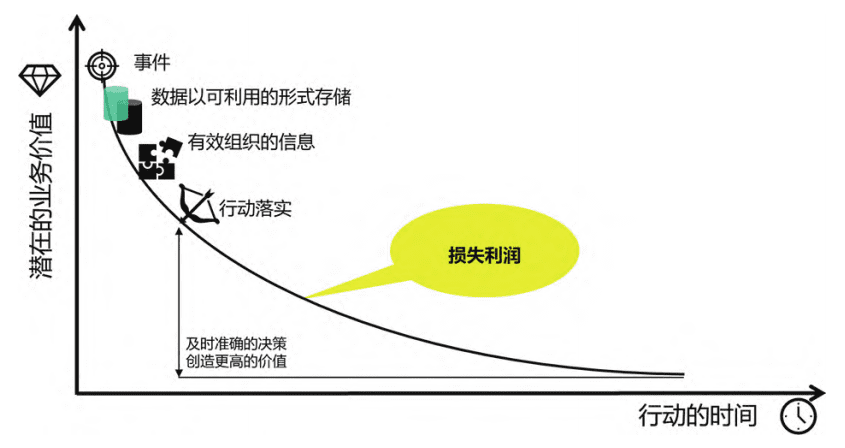
从数据落实到行动,这中间是一连串的“信息关联→聚合→分析→理解→决策”智力密集型过程。所以,数据在MOM系统中的组织形式和流动速度也会影响管理上的效益,况且从决策落实到最后的行动,尚有执行力的问题。我们认为,数据组织越完善、数据流动越迅速、越能够自动决策,MOM系统越是可以发挥它的效益,如图1。
可以回想,在制造运营管理还处在口头知识传递的年代,即使是纸和笔也可以成为有效的工具。
现如今,MOM工具早已伴随着数字化技术的进步演化到了更高级的形态,在建构与形塑企业组织的同时,也被企业组织建构与形塑。中国数字化转型网www.szhzxw.cn
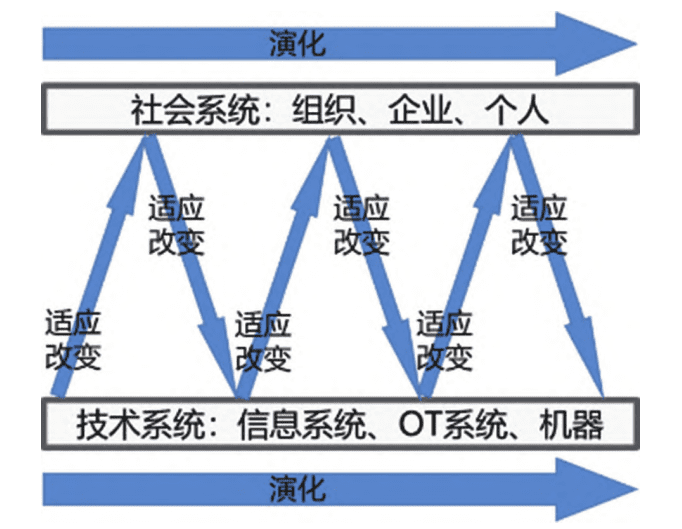
如果从社会物质性实践(sociomaterial practices)的角度看待组织的演化,通向更高MOM能力成熟度水平的阶梯,是组织文化、制度、程序、个人与技术系统互相形塑、从旧秩序建立新秩序、形成最佳配合关系的实践过程,如图2。
四、成熟与卓越之辨:追求“卓越”是“成熟”的标志
白皮书对MOM能力成熟度的定义和解释,也许跟我们惯常的认知有些出入——为什么在高水平的定义中看不到卓越(excellence)的影子?那些能力要素似乎跟我们熟悉的运营卓越(OperationalExcellence)没什么关联性?它跟我们的智能制造能力成熟度模型一点都不像!等等。笔者初次接触白皮书时,也带着同样的疑惑和不解。
原来,笔者一直混淆了成熟(maturity)和卓越(excellence)两个截然不同的概念。它们不仅在字典意义(meaning in dictionary)上不同,而且只要追问它们各自的历史,就可以看到它们的脉络意义(meaning in context)也不同。中国数字化转型网www.szhzxw.cn
成熟度模型可追溯到卡耐基梅隆大学软件工程研究所的CMM,用于软件项目管理过程的度量, “成熟度”一词的使用意味着,为了在项目管理中产生可重复的成功,能力必须随着时间的推移而增长。成熟暗示着有合适的工具、技术、程序甚至是文化的基础,能够保障成功的可重复性。成熟的组织会最大化的做对的事情,纠正做错的事情。
卓越模型可追溯到美国波多里奇国家质量奖(MBNQA)和欧洲品质管理基金会(EFQM)的卓越业务(Operational Business)模型。“卓越”意味着组织有能力营造连续成功的环境,这里的成功是由客户最佳利益的实现来衡量的。中国数字化转型网www.szhzxw.cn
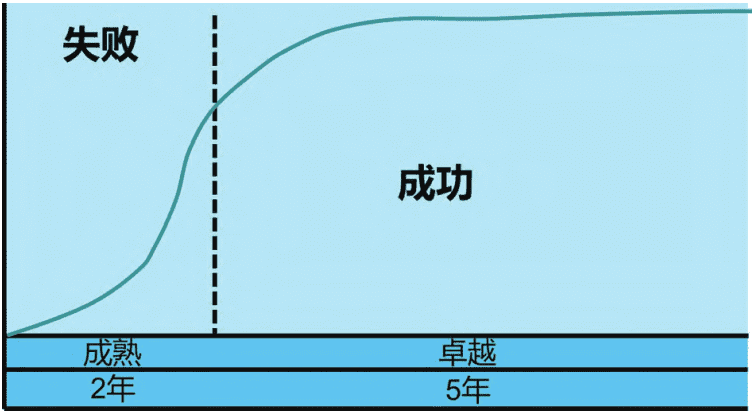
在“卓越”的含义中,成功的可持续性是重点,在“成熟”的含义中,成功的可重复性是重点。可以说,“成熟”度量组织的过程,“卓越”度量组织的产出。但同时它们又是相互关联的,成熟度越高,组织管理效率就越高,效果越好,因此组织的表现(performance)也将被提升,成熟有助于卓越的达成,而且必须成熟才能取得卓越。从成熟走向卓越的过程,成功逐渐多于失败,到达卓越后,组织就连续获得成功,如图3。
期待所有的项目都成功是不现实的,有些人认为唯一真正的失败是没有从失败中吸取到教训。如果能够及早发现失败,将资源重新分配给其他机会性更大的实践,那么失败也可以被视作另一种成功。

翻译:
Turning in history: From MES to MOM
MES’s entry into the field of vision in the industry is likely to begin with the release of 11 functional modules of manufacturing execution systems (MES) in 1992, when the domestic MES market was not a red Sea and was still in the stage of enlightenment. The competition then was not as fierce as it is now, but it had the bewilderment characteristic of the Enlightenment:
· There are huge differences between the industries in which MES is applied, and different MES products have different design concepts and development processes, so the boundary between MES and business systems and control systems is often difficult to clearly define;
·MES lacks a general and clear object scope, so in addition to the main concept of its own software products and software systems, it also contains some concepts and descriptions of the problems it can solve. However, due to the differences among different MES products facing specific problems, the concept of MES has certain fuzziness.中国数字化转型网www.szhzxw.cn
MES is a concept of software products and software systems, which belongs to the category of solutions. Which is the area of market competition of commercial entities, and it is difficult to reach a consensus. In order to promote mutual understanding between business domain experts and IT experts, the International Association of Automation (ISA) traced the roots of MESA work and turned to the clarification and normalization of the problem domain (management control activities), forming the widely accepted standard ISA95. ISA’s greatest contribution was to introduce the term Manufacturing Operations Management (MOM) and define a clear activity model and information flow for it.
Genesis: Why was a Capability Maturity Model for MOM developed
The standardization of MOM begins with MESA’s MES functional model, but it does not end there. ISA, together with MESA, is committed to the promotion of ISA95 standards. From the American national standard ANSI/ISA95 to the internationally influential ISO/IEC 62264, to China’s GB/T20720, This process can be summarized as an expansive effort of generalization and socialization of regional knowledge and technology driven by many factors, especially economic benefits.
The ISA95 standard makes MOM highly standardized and structured, which does improve the quality of communication between owners, integrators, and software vendors, and, as its name suggests, addresses system integration and information exchange issues. It only states at the “real” level what activities are performed by manufacturing operations management. What information is generated, and what events have occurred. But it does not suggest at the “should” level what we should do and what can be done to achieve good results.中国数字化转型网www.szhzxw.cn
In order to further expand the utility of the standard, MESA has drafted a white paper, number #53
In order to further expand the utility of the standard, MESA has drafted a white paper, number #53, entitled “MESA MOM Capability Maturity Model” (hereinafter referred to as the White paper), a Chinese translation of the MESA Manufacturing Operations Management Capability Maturity Model.
In the White paper, the maturity of manufacturing operations is defined as a measure of the mature, robust, and repeatable manufacturing operations an organization has in the face of unexpected and unusual events. Therefore, the ability to handle abnormal events in manufacturing operations without loss of Productivity is a measure of organizational maturity. This ability can be built on one or a few key people (individual heroism), or a well-trained team, relying on well-established procedures. The less dependent a business is on individual acts of heroism, the more sophisticated it is. The higher the level of maturity, the more efficient the organization, the fewer mistakes and missteps. And the fewer systemic problems in manufacturing operations.中国数字化转型网www.szhzxw.cn
This white paper clearly defines the characteristics of different capability levels, which provide a benchmark for evaluating the capability maturity of MOM, helping organizations to locate the current status of manufacturing operations and identify opportunities for improvement. In addition, the white paper provides a reference path to a high level of maturity for organizations.
The development of MOM Capability Maturity Model: structured capability level
MESA’s maturity model does not measure the maturity or complexity of physical manufacturing processes; it measures the strategies, procedures, training, and control of information that reflect the ability to effectively execute operations. The white paper believes that policies, procedures, training and tools are the elements of an enterprise organization to build operational capability. And the performance of the elements constitutes the characteristics of capability maturity.
Strategy: The top-level design of the organization, which contains the overall objectives and a series of procedures to ensure the implementation of the objectives. At higher maturity levels, policies are maintained in the form of written and formally controlled documents.
Procedure: A series of actions that are executed in a certain sequence to ensure that the policy is implemented in an acceptable manner. At higher maturity levels, programs are also maintained in written and formally controlled documentation, or implemented in tools.
Training: The basis for the implementation of organizational strategies and procedures. Personnel must be trained in the policies and procedures before they can act in accordance with the operational requirements of the policies and procedures. At a higher level of maturity, training should be formally held, training records should be formally retained. And training effects should be formally evaluated.
Tools: Technical means to assist, regulate, and accelerate the implementation of procedures. Includes a variety of familiar management information systems operating in the field of MOM activities. Such as MES, QMS, LIMS, WMS, Batch Execution System (BES), Computerized maintenance management system (CMMS), Electronic Batch Record System (eBRS), and so on. At a high level of maturity, the tools adopted by the organization are well-matched to the implementation of policies and procedures (which may or may not be mandatory), have a good acceptance of the workforce, and are used by people who are formally trained.中国数字化转型网www.szhzxw.cn
According to the organization’s performance in manufacturing operations management, its maturity is divided into six levels:
- Undefined – a practice that is not carried out because the organization considers it unnecessary or is not yet aware of it.中国数字化转型网www.szhzxw.cn
- Initial level – unwritten, no formal management, passive, temporary, uncontrolled practice activities, but success often relies on individual heroic efforts with little or no use of software tools, and without training, inconsistent use of methods.
- Management level — some practice activities are highly repeatable and can produce consistent results. Some practice activities are cultural, but the procedures are not rigorous. Similar tasks are carried out in different departments with different procedures and software tools are used to assist management. But limited by training, the consistency of results is not good.
- Definition level – Practice the culture of activities and form internal standards, different departments implement the same set of management systems and regulations, with limited training, the use of software tools to form conventions.中国数字化转型网www.szhzxw.cn
- Quantitative management level – Practice activity culture, strong repeatability, monitoring and management, forming a consensus among different departments for indicator assessment, so that benefits can be quantified management, software tools are used step by step, and personnel are strictly trained before taking the job.
- Optimization level — Continuously improve practical activities through technological evolution and innovation, summarize the causes of accumulated deviations and anomalies, change processes to improve performance, and take measures to evaluate whether the effects of process changes meet the objectives. Software tools are regularly upgraded according to the changed processes to ensure that they adapt to the latest processes and management procedures, and KPI is incorporated into the management system. Review and update regularly to adapt to new processes, collect KPI data for assessment.中国数字化转型网www.szhzxw.cn
The assessment of the capability maturity level of MOM is similar to the ISO9001 review. Which is a process of finding objective evidence and making a judgment.
The white paper also gives some advice and suggestions for gathering objective evidence:
Interview, use open-ended questions to elicit responses, see if what they tell you conforms to the prescribed process, and don’t worry about challenges and prying eyes. The key to maturity is whether employees really understand their job, so focus on the effectiveness of training.
You cannot rely solely on documents and records. Observe is an important part of objective evidence. Observe what they actually do and compare what they observe with the culture’s procedures. In fact, they are often willing to disclose hidden flaws that they deal with in their daily work.
Review: Review of documents and records, including written policies and procedures, focusing on whether documents are adequately controlled and accessible to those who need them.
Examine the actual operational records and collected data, select representative records and data. And focus on the important operational management activities, limited by the evaluation time and effort. And the scope of the organization.中国数字化转型网www.szhzxw.cn
To a higher level of MOM capability maturity
A high level of MOM capability maturity usually requires two improvements:. One is management improvement, and the other is technical transformation. Management improvement is reflected in clear roles and responsibilities, formal strategies and procedures, closed-loop reflection and revision, consistent communication and implementation, regular review and improvement, and so on. The transformation of Technology is reflected in a high degree of Task-Technology Fit (TTF), extensive Technology Acceptance (TA) and adoption, regular technology evaluation and update, superior information integration and interconnection, and so on.
The white paper further states that the use of technology is one of the biggest challenges for organizations to achieve and maintain a high level of maturity, but when used correctly, it can reduce the cost of maintaining a high level.中国数字化转型网www.szhzxw.cn
The use of software tools is essential if organizations want to implement policies and procedures in a consistent way into the actions of people. Effective use of tools makes it easier to implement policies and procedures. Effective tools encourage the right behavior and even enforce the right behavior.
In practice, MOM software tools have gradually formed a manufacturing execution System (MES), quality management system (QMS), advanced planning and scheduling system (APS), laboratory information management system (LIMS), and IntraPlant Logistics System as the main implementation models. However, its application benefits are not as expected, of course. There are the reasons for the application system itself, but also the reasons for how users view and use such systems.
The ISA95 Standardization Committee, in summarizing the last 40 years of MOM system implementation experience, described its value proposition this way:
The return on investment of the system comes from how the system enables the plant to reduce or eliminate the cascading effects and costs of adverse events. In other words, the benefits of the system depend largely on the ability to use system data to react quickly to adverse conditions and take action. This is basically consistent with MESA’s view of MOM maturity.中国数字化转型网www.szhzxw.cn
From data implementation to action, this is a series of “information association → aggregation → analysis → understanding → decision” intellectually intensive process. Therefore, the organization and speed of data flow in the MOM system also affect the effectiveness of management. And there are enforcement issues from the implementation of decisions to the final action. We believe that the better the data is organized, the faster the data flows. And the more automated decisions can be made, the better the benefits of MOM systems, as shown in Figure 1.
Figure 1 Value curve of data applied to action
Recall that in the age of oral knowledge transfer in manufacturing operations management. Even pen and paper can be effective tools.中国数字化转型网www.szhzxw.cn
Today, MOM tools have evolved into a more advanced form with the advancement of digital technology. And are constructed and shaped by enterprise organizations while constructing and shaping them.
If the evolution of an organization is viewed from the perspective of sociomaterial practices. The ladder leading to a higher level of MOM capability maturity is the practical process of shaping the organizational culture, institutions, procedures, individuals and technical systems, establishing a new order from the old order, and forming the best cooperative relationship, as shown in Figure 2.
Figure 2 illustrates the process of social materiality practice中国数字化转型网www.szhzxw.cn
The distinction between maturity and excellence: The pursuit of “excellence” is the sign of “maturity”
The white paper’s definition and explanation of MOM capability maturity may be somewhat different from what we are used to knowing – why can’t excellence be seen in the definition of high level? What elements of competence do not seem to correlate with the familiar OperationalExcellence? It doesn’t look anything like our Intelligent Manufacturing Capability Maturity Model! Let’s wait. When I first came into contact with the white paper, I had the same doubts and incomprehension.
It turns out that the author has been confusing maturity and excellence as two distinct concepts. They differ not only in their meaning in dictionary, but also in their meaning in context. If one asks about their respective histories.
The Maturity model dates back to the CMM at Carnegie Mellon University’s Software Engineering Institute for the measurement of software project management processes, and the use of the term “maturity” implies that in order to produce repeatable success in project management, capabilities must grow over time. Maturity implies having the right tools, techniques, procedures, and even a cultural foundation to ensure repeatability of success. Mature organizations maximize what they do right and correct what they do wrong.中国数字化转型网www.szhzxw.cn
The excellence model can be traced back to the Baldorich National Quality Award (MBNQA) in the United States and the Operational Business model of the European Foundation for Quality Management (EFQM).
“Excellence” implies an organization’s ability to foster an environment of continuous success. Where success is measured by the achievement of the customer’s best interests.
In the meaning of “excellence”, the sustainability of success is the focus. And in the meaning of “maturity”, the repeatability of success is the focus. It can be said that “maturity” measures an organization’s process, and “excellence” measures an organization’s output. But at the same time they are interrelated, the higher the maturity, the higher the efficiency of organizational management. The better the effect, so the performance of the organization will also be improved. Maturity is conducive to the achievement of excellence, and must be mature to achieve excellence. In the process from maturity to excellence, successes gradually outnumber failures. And when excellence is reached, the organization is successively successful, as shown in Figure 3.中国数字化转型网www.szhzxw.cn
Figure 3 illustrates the relationship between maturity and excellence
It is unrealistic to expect all projects to be successful, and some people believe that the only real failure is not learning from failure. Failure can be seen as another kind of success if it is identified early enough to reallocate resources to other practices with greater opportunity.
本文由数字化转型网(www.szhzxw.cn)转载而成,来源于《仪器仪表标准化与计量》2023年第3期,作者:岳磊 卢铁林;编辑/翻译:数字化转型网宁檬树。
免责声明: 本网站(https://www.szhzxw.cn/)内容主要来自原创、合作媒体供稿和第三方投稿,凡在本网站出现的信息,均仅供参考。本网站将尽力确保所提供信息的准确性及可靠性,但不保证有关资料的准确性及可靠性,读者在使用前请进一步核实,并对任何自主决定的行为负责。本网站对有关资料所引致的错误、不确或遗漏,概不负任何法律责任。
本网站刊载的所有内容(包括但不仅限文字、图片、LOGO、音频、视频、软件、程序等) 版权归原作者所有。任何单位或个人认为本网站中的内容可能涉嫌侵犯其知识产权或存在不实内容时,请及时通知本站,予以删除。