
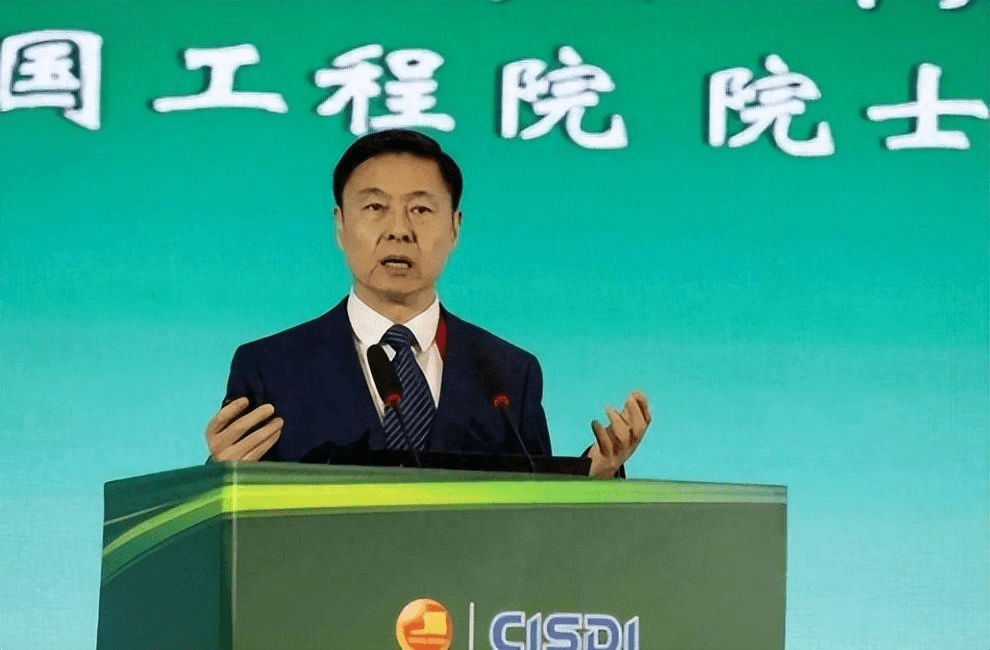
“钢铁作为重要的基础结构材料得到广泛应用,为我国经济社会特别是国防建设作出了突出的贡献,但是在双碳的背景之下,应该说我们面临着严峻的挑战。”10月25日,在第十四届中国钢铁年会全体大会上,有嘉宾强调了低碳工作对于钢铁工业的重要性和紧迫性,并分析了钢铁工业实现碳中和的主要路径以及相关的基础科学问题与关键技术。
一、从三个方面分析了钢铁工业低碳工作的重要性和紧迫性。
第一,钢铁是高载能、高能耗、高排放行业,2022年我国钢铁工业CO2排放量为18.23亿吨,占我国全社会CO2排放量的16%,位居制造业之首。碳中和背景下,我国钢铁工业面临巨大挑战。
第二,欧盟碳边境调节机制CBAM将于2023年10月1日开始试运行,过渡期至2025年12月31日,2026年1月1日正式起征,并在2034年之前全面实施。据相关部门的初步估算,如果按照现在这样的一个机制,我国钢铁产品大概一吨产品要征收1100元人民币的碳边境调节机制的关税。
第三,以汽车为代表的钢铁下游用户对钢铁制造过程的碳减排提出了具体且迫切的需求。
“钢铁产品的低碳工作实际上就在眼前,它不光影响到企业发展的问题,对很多企业来讲,它已经涉及到我们生存的问题。”毛新平强调道。 数字化转型网www.szhzxw.cn
二、分析了我国钢铁工业实现碳中和的三条主要路径。
路径一是基于高炉—转炉传统长流程的极致减碳。基于现有的高炉—转炉长流程,通过过程极致能效、富氢氧气高炉、转炉大废钢比、二氧化碳捕集利用等关键技术的研发与应用,预计可实现减碳20%~40%。
路径二是以电炉为核心的短流程冶炼。基于再生钢铁原料、氢基直还铁等多元低碳炉料,匹配200t以上大型电炉,实现短流程治炼,预计可实现减碳60%~95%。 数字化转型网www.szhzxw.cn
路径三是以氢基直接还原+熔炼炉(OBF)+转炉(BOF)的低碳技术路线。采用氢基直接还原(DRI)+熔炼炉(OBF)提供液态铁水,采用转炉(BOF)进行钢水治炼,预计可实现减碳70%~90%。
毛新平指出,这三条路径都有很多的基础科学问题和关键技术问题需要进一步研究和解决。为此,北京科技大学专门成立了碳中和研究院,设置了7个方向的研究团队,进行基础理论方面的探索和具体项目的研究。其中,氢冶金、电炉炼钢、再生钢铁原料高质化利用是三个亟待解决的关键科学问题。在低碳炼铁技术领域,要重点研究富氢碳循环氧气高炉、零重整富氢直接还原工艺、炉外重整氢基直接还原炼铁等关键技术;在转炉低碳冶炼技术领域,要重点研究转炉大废钢比冶炼技术、转炉CO2炼钢技术;在电炉炼钢工艺技术领域,要重点研究全流程CO2-Ar动态底吹高效控N技术、基于CaCl2-O2喷吹的钢液气化Cu技术、近零碳排电炉炼钢工艺技术;在近终形制造高性能钢铁材料领域,要重点推进基于薄板坯连铸连轧以及基于薄带铸轧的高性能汽车用钢研发。
“碳达峰、碳中和将会给我国经济社会带来系统、影响深远的社会变革,是一次深刻的产业革命、更是一次极具挑战的科技革命。实现钢铁工业碳中和,需要系统的基础理论和系列的重大技术创新,还需要海量的科技资源和资金投入,全行业、全社会的支持势在必行,全新的创新机制和模式是重要的前提。”毛新平表示,“希望大家能够积极参与,我们来共同构建一个围绕中国钢铁工业碳中和的国家战略科技平台的建设。” 数字化转型网www.szhzxw.cn

翻译:
Basic scientific research and key technological innovation should keep up
“Steel, as an important basic structural material, has been widely used and has made outstanding contributions to China’s economy and society, especially national defense construction. But in the context of dual-carbon, it should be said that we are facing severe challenges.” On October 25, at the plenary session of the 14th China Iron and Steel Annual Conference, guests stressed the importance and urgency of low-carbon work for the steel industry, and analyzed the main path for the steel industry to achieve carbon neutrality and related basic scientific issues and key technologies.
The importance and urgency of low-carbon work in iron and steel industry are analyzed from three aspects.
First, steel is a high-load, high-energy, high-emission industry, in 2022, China’s steel industry CO2 emissions of 1.823 billion tons, accounting for 16% of China’s entire society CO2 emissions, ranking first in the manufacturing industry. Under the background of carbon neutrality, China’s steel industry faces great challenges.
Second, the EU carbon Border regulation mechanism CBAM will start trial operation on October 1, 2023, with a transition period until December 31, 2025. And officially take effect on January 1, 2026, and be fully implemented before 2034. According to the preliminary estimates of relevant departments, if we follow the current mechanism. About 1,100 yuan of carbon border adjustment mechanism tariffs will be levied on a ton of steel products in China. 数字化转型网www.szhzxw.cn
Third, steel downstream users represented by automobiles have put forward specific and urgent demands for carbon emission reduction in the steel manufacturing process.
“The low-carbon work of steel products is actually in front of us. It not only affects the development of enterprises, for many enterprises, it has involved the problem of our survival.”
Three main paths for China’s steel industry to achieve carbon neutrality.
Path one is based on the extreme carbon reduction of the traditional long process of blast-converter. Based on the existing long process of blast-converter. Through the development and application of key technologies such as process ultimate energy efficiency, hydrogen and oxygen rich blast furnace, large scrap ratio of converter, carbon dioxide capture and utilization. It is expected to achieve a carbon reduction of 20% to 40%.
The second path is short process smelting with electric furnace as the core. Based on recycled steel raw materials, hydrogen-based direct iron and other multiple low-carbon charge, matching more than 200t large electric furnace to achieve short process refining, is expected to achieve carbon reduction of 60% to 95%.
Path 3 is a low-carbon technical route of hydrogen based direct reduction + melting furnace (OBF) + converter (BOF). The use of hydrogen based direct reduction (DRI)+ smelting furnace (OBF) to provide liquid molten iron. The use of converter (BOF) for smelting molten steel, is expected to achieve 70% to 90% carbon reduction. 数字化转型网www.szhzxw.cn
To this end, the University of Science and Technology Beijing has set up a carbon neutral research Institute and set up research teams in seven directions to explore basic theories and carry out specific project research.
Among them, hydrogen metallurgy, electric furnace steelmaking and high quality utilization of recycled steel raw materials are three key scientific problems to be solved urgently. In the field of low carbon iron making technology, the key technologies such as hydrogen-rich carbon cycle oxygen blast furnace, zero reforming hydrogen-rich direct reduction process. And hydrogen base direct reduction iron making by reforming outside the furnace should be studied. In the field of low carbon smelting technology of converter, the smelting technology of large scrap ratio of converter and CO2 steelmaking technology of converter should be studied.
In the field of electric furnace steelmaking technology. It is necessary to focus on the whole process of CO2-Ar dynamic bottom blowing efficient control N technology, liquid steel gasification Cu technology based on CaCl2-O2 injection, near-zero carbon emission electric furnace steelmaking technology. In the field of near-final manufacturing of high-performance steel materials. It is important to promote the development of high-performance automotive steel based on thin slab continuous casting and rolling and thin strip casting and rolling. 数字化转型网www.szhzxw.cn
“Carbon peak, carbon neutrality will bring systematic and far-reaching social changes to our economy and society. It is a profound industrial revolution, but also a very challenging scientific and technological revolution.” The realization of carbon neutrality in the steel industry requires systematic basic theories and a series of major technological innovations. As well as massive scientific and technological resources and capital investment. The support of the whole industry and the whole society is imperative. And a new innovation mechanism and model is an important premise.”
本文由数字化转型网(www.szhzxw.cn)转载而成,来源于中国治金报社;编辑/翻译:数字化转型网宁檬树。
免责声明: 本网站(https://www.szhzxw.cn/)内容主要来自原创、合作媒体供稿和第三方投稿,凡在本网站出现的信息,均仅供参考。本网站将尽力确保所提供信息的准确性及可靠性,但不保证有关资料的准确性及可靠性,读者在使用前请进一步核实,并对任何自主决定的行为负责。本网站对有关资料所引致的错误、不确或遗漏,概不负任何法律责任。
本网站刊载的所有内容(包括但不仅限文字、图片、LOGO、音频、视频、软件、程序等) 版权归原作者所有。任何单位或个人认为本网站中的内容可能涉嫌侵犯其知识产权或存在不实内容时,请及时通知本站,予以删除。