

采访者:葛伟炜,新零售商业评论执行主编
“营销是科学与艺术的结合,要取中间点,平衡好两者之间的关系。”
有人的地方,就有商品,有商品的地方,就有营销。
《诗经》的《周颂·有瞽》一章中有“萧管备举”的诗句,记录了西周时期,卖糖食的小贩以吹萧管的方式招徕生意。
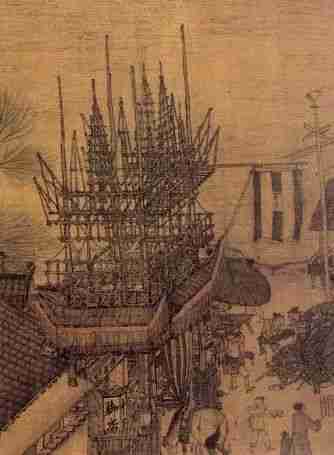
据统计,在北宋时期的名画《清明上河图》中,共有广告幌子10面,招牌23块,灯箱广告至少4个,大型广告装饰——彩楼欢门5座。数字化转型网www.szhzxw.cn
1650年,英国的《新闻周报》上刊登了一则悬赏寻马启示,是为第一则报纸广告。
世界上最早的植入式广告出现在1929年的美国卡通片《大力水手》中,植入的是大力水手波比的最爱——菠菜罐头。甚至连波比女朋友奥利弗的名字都与菠菜有关,据说烹饪菠菜时的最佳拍档正是橄榄油(Olive)。
再往后,在营销这个“花花世界”里,新方法、新工具层出不穷,听的、看的、体验互动的;报纸杂志、电视广播、电梯上、手机里……数字化转型网www.szhzxw.cn
2020年,基于全域营销理论,阿里巴巴提出了同城营销的业务模式,在人货匹配下,搭配地理位置及时间,运用技术手段,升级电子商务,同时带动消费的再次升级。
近日,新零售商业评论就同城营销,专访了阿里巴巴集团首席市场官董本洪,请他深入讲解营销领域的这一新模式,以及未来的营销趋势。
一、为什么会在疫情这个时间节点提出同城营销?
阿里CMO董本洪:对于同城营销而言,疫情确实起到了推波助澜的作用。
从某种程度上看,疫情迫使大家逐渐适应并享受起在线上购物、配送到家的生活模式。
在疫情期间,人们日常的柴米油盐酱醋茶、果蔬生鲜等可以通过天猫超市、大润发等送到家,与此同时,通过饿了么这类本地生活App,又可以解决消费者对于送餐、送药的需求。
超市与本地生活的结合,可以理解为电商的一次升级;而从消费者的角度,则是消费的再次升级。
举个例子,在过去简单的线上线下一体化的时代,消费者在某个品牌的天猫旗舰店购买一件商品,可能需要两三天时间等待从北京发货到西安。数字化转型网www.szhzxw.cn
而现在运用本地化的技术工具,货品已经配置到当地了,西安的消费者无需等待,通过同城服务可能半小时就能收到这件商品。
这就是运用技术手段,增强了消费体验的时效性和本地化。
二、从字面来理解,同城营销是基于地理位置的一种营销方式吧?
阿里CMO董本洪:是的,同城营销是以消费者所在地为核心,进行区域化、个性化的营销。讲得专业一些,它是以地理位置以及时间为考量,实现跨媒体触点的立体式触达。
对于消费者而言,他们体验到的是更加个性化的商品推荐、即时需求的满足,以及更快的配送服务。
我们提出的同城营销,根据场景的不同,可以分为同城到家和同城到店。
三、能举个例子吗?
阿里CMO董本洪:先说一个同城到家的例子吧。数字化转型网www.szhzxw.cn
良品铺子是一家总部设在武汉的零食零售企业,在全国有2000多家门店,其中在深圳的门店约150家。
这150多家门店能够覆盖约420万顾客,再加上良品的天猫旗舰店所能触达的280万消费者,总共是700万,这距离深圳1300万人口仍有很大差距。对良品而言,摆在面前的挑战是,如何最大化门店的线下服务和履约能力?如何触达更多消费者?
为此,良品增加了三个端口的合作:第一,在支付宝端上线了品牌小程序;第二,在手淘上开启了轻店;第三,在饿了么上开了自己的店铺。
通过这三端的加持,尤其是通过饿了么的本地生活服务,良品在深圳覆盖到了1200万消费者。
我们都知道,零食属于冲动消费、高频购买的商品品类。在上述不同触点的帮助下,良品能够在对的时间点——例如消费者下班回家路上,或者晚上追剧的时候,通过不同端提醒消费者,刺激购买。
最终,通过支付宝、手淘和饿了么这三端的联动,消费者购买良品的频次从一季5次增加到了8次。
与此同时,这样的营销设计,还为良品铺子提供了千人千货的商品适配能力,客单价也因此得到了显著提升。
四、从良品铺子的这个案例来看,本地生活在其中扮演了很重要的角色。
阿里CMO董本洪:确实是这样。同城营销就是在线上、线下一体化的前提下,加上了本地生活的服务功能,从而能够根据地理围栏或生活圈来确定适合当地消费者偏好的商品,并且不同端能够进行不同的商品适配,从而满足不同消费场景的需求。数字化转型网www.szhzxw.cn
尤其是对于良品铺子这样的餐饮零食企业,包括酒水饮料行业,本地生活的作用尤为关键。
因为对消费者而言,吃、喝是最急迫的需求,所以在恰当的时候,给消费者推送合适的商品信息,通常是最有效的,转化率也很高。
五、除了您介绍的这三端,未来还会出现新的端口吗?
阿里CMO董本洪:其实不需要无限多地增加端,这中间还是一个覆盖优化的问题。能够有效触达足够多的消费者就可以了,增加太多的端反而是浪费资源,并且也会对消费者造成一定的困扰。所以,对我们而言是要努力把握好这个度。数字化转型网www.szhzxw.cn
从消费者的角度来看,什么才是恰到好处的推荐?他在饿了么上下单买了一大堆串串当夜宵,这时候页面会弹出一个窗口,问:要不要来一打冰啤酒。如果消费者觉得这个提醒挺好的,即便不想喝啤酒,也可以点进去看看,那这就是个好的推荐。
六、由此看来,支付宝、手淘、饿了么这三端是实现同城营销的关键?
阿里CMO董本洪:同城要实现高效,就必须有非常高密度的覆盖,才能把周围3~5公里的消费者服务好。所以,我们创新性地进行了多端联动,也就是良品铺子案例里提到的这三端。
总结一下,必须具备几个条件才能实现同城营销。
首先,要有支付宝、手淘,饿了么这样的超级App,才能形成多端联动,在对的时间点,向对的人进行对的触达。
其次,商家的线下零售店必须具备数字化能力。消费者走进线下门店,购物付款,离店后还能够在线上各端继续购买,这背后就是通过数字化的手段,打通了线上线下。就像盒马,门店里有的商品,都可以通过盒马的App买到。
第三,要有高效的履约能力,即小时达、同城达、前店后仓的服务及物流保障。虽然,对于不同商品品类所要求的履约能力会不一样,有的要求半小时或1小时送达,有的对于时效性则没有那么高的要求,但宗旨都是为消费者提供更好的购物体验。
再进一步,是要做到商品的本地化。由于对消费者有了更好的了解,商家就可以根据不同生活圈的消费者的需求,定制化地配置商品,南方北方会不一样,甚至每个社区也不一样。
我们要真正服务好消费者,就必须通过本地化的方式,划分的网格不论大小只要合适就行。否则,如果是一碗水端平,那消费升级也就免谈了。数字化转型网www.szhzxw.cn
七、您之前还提到了同城到店,能否解释一下?
阿里CMO董本洪:到家的确是一个爆发性的需求,但我们相信,人不可能永远闷在家里不出去,所以到店模式仍然是零售中很重要的一个部分。
同城到店的意义在于,基于生活圈的地理位置,通过一定的营销手段,把消费者吸引到线下门店去消费。
八、感觉上,同城到家已经能覆盖到消费者的大部分需求了,为什么还要有同城到店呢?
阿里CMO董本洪:还是回到刚才讨论过的问题,我们不能一碗水端平。对于重复性购买的快消品,例如柴米油盐酱醋茶,消费者已经知道了它的味道,也有自己中意的品牌,那采用同城到家是可以的。
但是,对于注重体验(比如触摸、闻味),或者需要专业人士进行讲解,也就是体验型或高度参与的商品,线下店永远都有存在的价值。数字化转型网www.szhzxw.cn
这也是为什么电商发展到今天,占整个零售市场的份额仍未过半的原因——品类购买的决策模式不一样。
做营销,永远是把消费者放在第一位。这就要求我们去深度分析消费行为,并对趋势进行判断,哪些商品是消费者想要到店购买的,哪些可以通过电商解决,哪些必须半小时送到家,哪些可以等上三天再收货……
有些商品确实不能实现本地化,比如海淘,本来就是要等上一段时间的。所以不是所有品类都适合本地化。
但从目前的现状来看,本地生活所涉及的商品品类正在不断扩大,从送餐,到送菜、送花、送药、送猫狗粮,这意味着本地生活服务正在被重新定义。
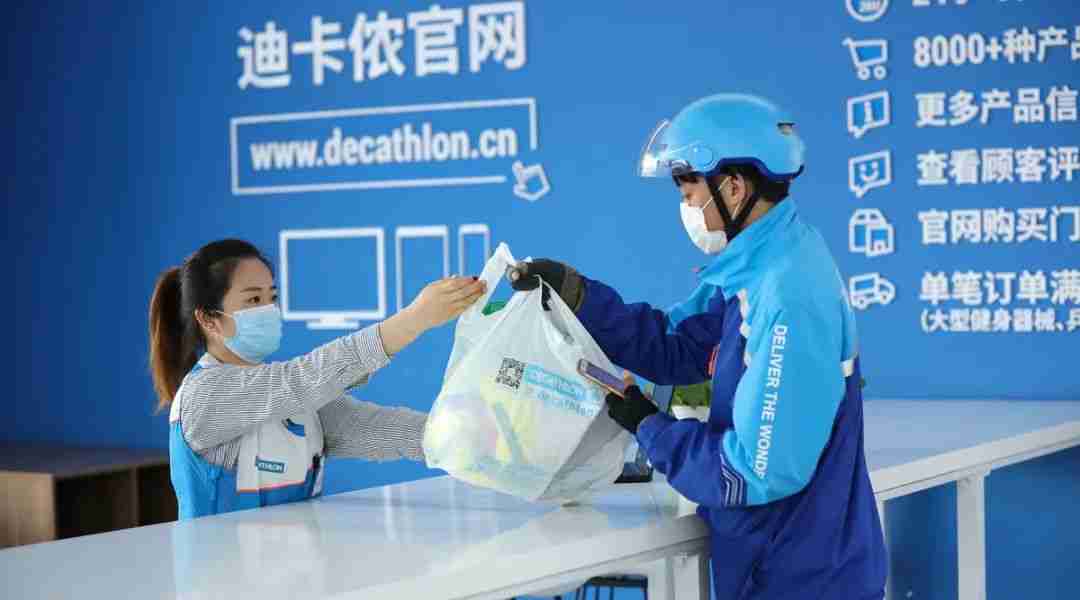
九、前段时间传出,饿了么与一些书店,甚至是迪卡侬这样的运动用品企业合作,这是否预示着某种营销趋势正在发生?
阿里CMO董本洪:很多人会质疑,消费者对于一本书、一件运动衣的需求真的是必须30分钟送达吗?现实中肯定有比较极端的情况发生。
或许可以从另一个角度来思考这件事。
比如服装,我们每个人都希望自己看起来美美的,所以这其中的核心需求,是这件衣服或这条裙子合不合适,穿上后美不美。
从这个角度延伸到本地生活服务的话,是不是能够同时送三五套衣服或鞋子给消费者试穿呢?试过后,喜欢的留下,不喜欢的让快递拿走。这意味着本地生活还有巨大的想象空间。
无论是送餐、送药还是送衣服,都是一种消费升级。运用数字化,将人、货、场、时四个维度进行高效匹配,消费者越购买越开心,越体验越开心,也就不可能再回过头选择过去的购买方式了。
十、您一直在说的消费升级,究竟该如何来定义?
阿里CMO董本洪:简单来说,就是消费者更加了解什么商品适合自己,并且能够更高效地获得适合自己的商品,两者加在一起就是消费升级。
结合前面我讲的同城营销,它实现的就是消费升级,因为无论是从时效性、便利性还是本地化角度,它都能够让消费者更满意,而消费者满意了就会多消费。这也是我们认为同城营销将成为新风口的原因。
现在不止是年轻人,一些上了年纪的爷爷奶奶都会觉得去超市把米、面、油背回家是很傻的,过去他们不觉得傻,因为背了几十年,但现在他们知道不用背了,这些东西都可以有人送到家里。
十一、对于商家而言,应该如何设计同城营销的策略呢?
阿里CMO董本洪:我觉得一切还是要回到营销的需求,先明确目的。
还是以良品铺子的例子来分析。在深圳市场,良品做营销的目的是要拉新客。于是就有了一整套基于不同端上不同消费者的营销动作,例如在饿了么,通过数据分析筛选出有零食偏好的消费者,然后根据一次三餐、夜宵、下午茶不同的消费场景,来设计适合不同消费者的权益。
总体的思考路径是根据业务目的,推导出营销目的,然后进行同城营销的设计。数字化转型网www.szhzxw.cn
十二、2016年底,阿里提出了全域营销理论。如今提出的同城营销,与全域营销之间是怎样的关系?
阿里CMO董本洪:全域营销是一种营销方法论,在它的支撑下,我们发展出了同城营销这个业务模式,就好像是在大树上结出了一颗果实。
全域营销要解决的,是通过技术手段,让消费者(无论来自线上还是线下)的行为可以分析、可被追溯,且能够互动。
而同城营销则是在此基础上,使得商家能够在同城这个地理维度上更高效地触达消费者。
举个例子。对一家超市来说,周边3~5公里范围内的消费者都是它服务的对象。这家超市要举办小龙虾节,该通过什么方式高效地告知周边的消费者呢?
挨家挨户发传单,这方法太慢又不经济;在央视或者报纸上打广告,覆盖的人群范围太广,颗粒度太粗,效果也不会好。
最有效的方法,还是在线上,比如支付宝、淘宝、饿了么这样的端口,将小龙虾节的信息推送给周边消费者,也就是说通过线上做地理围栏、网格分割,通知线下的目标人群。线上线下一体化进行客户关系的管理和维护,这就是全域营销。
总结一下,对于消费者而言,同城营销就是到家或到店的不同消费场景,而对于品牌商家则是一个长在全域营销架构下的业务模式。
十三、在您看来,营销的最终目的是什么?
阿里CMO董本洪:营销最根本的目的是要占据消费者的心理份额(mindshare),然后让消费者动动脚走到线下门店,或是动起手指在线上购买商品。
现在很多商家都会追求流量,但从营销的角度来看,流量是手段而不是目的。
举个极端的例子,我开了一个商城,如果一定要把人引流进来,可以把商城周围的路都封了,只剩下对着商城大门的一条路,人们就只能走进商城,可未必会买东西。这是流量,却是无效流量。最好的流量是消费者动了心以后,心甘情愿地来买。
过去,大家通常认为创意是营销中很重要的部分,现在随着技术的发展,数据在营销中所发挥的作用越来越大了。但我依然觉得营销是科学(数据)与艺术(创意)的结合,要取中间点,平衡好两者之间的关系。
十四、从全域营销到同城营销,好像阿里巴巴在营销领域的创新从未停止过。
阿里CMO董本洪:我想这一切都源自阿里巴巴对商业的想象力。就像当初做盒马鲜生,很多人会觉得莫名其妙,一个做电商的公司为什么要去线下开店呢?但我们做了,其实就是想看看,用互联网的技术赋能线下,是不是能比传统做的更好。数字化转型网www.szhzxw.cn
我们做出的基本商业假设,是网络世界的工具方法和经验应该能够支持到线下,然后就去做了试验,成功了就开始复制,于是有了淘鲜达、新零售,现在又有了同城营销。
商业是由那些具有想象力的人开创的,而想象力正来自对于市场的深刻洞察与思考。

翻译:
Interviewer: Ge Weiwei, executive editor of New Retail Business Review
“Marketing is a combination of science and art. It’s about finding the middle point and balancing the two.”
Where there are people, there are goods, and where there are goods, there is marketing.
In the chapter of ZhouSong · Yougu in the Book of Songs, a poem titled “Xiao Guan Bei Ju” was written, which recorded that sugar vendors in the Western Zhou Dynasty played Xiao guan to drum up business.
According to statistics, in the Northern Song Dynasty’s famous painting “Along the River during the Qingming Festival”, a total of 10 advertising front, 23 signs, light box advertising at least 4, large advertising decoration – color house Huanmen 5.
In 1650, News Week published a reward for finding a horse, which was the first newspaper advertisement.
The first product placement in the world was in the 1929 American cartoon Popeye, featuring Popeye Popeye’s favorite canned spinach. Even Poppy’s girlfriend Oliver’s name is linked to spinach, which is said to be best cooked with Olive oil.
Later, in the marketing of this “colorful world”, new methods, new tools emerge in endlessly, listen to, see, experience interactive; Newspapers and magazines, TV broadcasts, elevators, cell phones…
In 2020, based on the theory of omni-regional marketing, Alibaba put forward the business model of city marketing. Under the matching of people and goods, it matches geographical location and time, uses technology to upgrade e-commerce and drive consumption to upgrade again.
Recently, New Retail Business Review interviewed Dong Benhong, chief marketing officer of Alibaba Group, for an in-depth look at this new model in marketing and the future of marketing trends.
New retail business review: Why is the city marketing proposed at this time of the epidemic?
Dong Benhong: For cross-city marketing, the epidemic has really helped.
To some extent, the pandemic has forced people to adapt to and enjoy online shopping and home delivery.
During the epidemic period, People’s Daily necessities such as firewood, rice, oil, salt, sauce, vinegar, tea and fresh fruits and vegetables can be delivered to their homes through Tmall supermarket and RT-Mart. Meanwhile, local life apps such as Ele. me can also meet consumers’ needs for food and medicine delivery.
The combination of supermarket and local life can be understood as an upgrade of e-commerce; But from the consumer’s point of view, it is consumption upgrade again.
For example, in the old days of simple online-to-offline integration, a consumer buying an item on a brand’s Tmall flagship store might have to wait two or three days for it to be shipped from Beijing to Xi ‘an.
Now, with the use of localized technology tools, the goods have been distributed to the local area. Consumers in Xi ‘an do not need to wait, and may receive the goods within half an hour through the city service.
This is the use of technology to enhance the efficiency and localization of the consumption experience.
New Retail Business Review: Literally, cross-city marketing is a kind of marketing based on location, right?
Dong Benhong: Yes, intra-city marketing takes the location of consumers as the core and carries out regionalized and personalized marketing. To speak some professional, it is based on geographical location and time for consideration, to achieve the three-dimensional contact across media.
For consumers, they experience more personalized product recommendations, instant demand satisfaction, and faster delivery services.
The city marketing we propose can be divided into city home marketing and city store marketing according to different scenes.
New Retail Business Review: Can you give an example?
Dong Benhong: Let’s talk about a homecoming example.
Liangpin Shop is a Wuhan-based snack food retailer with more than 2,000 stores across the country, including about 150 in Shenzhen.
The 150-plus stores could cover about 4.2 million customers, plus the 2.8 million that Ryopin’s Tmall flagship store can reach, for a total of 7 million — still a far cry from Shenzhen’s population of 13 million. For Liang Pin, the challenge is how to maximise offline service and performance in stores. How to reach more consumers?
To this end, good Pin increased three ports of cooperation: first, in the Alipay terminal online brand small program; Second, opened a light shop on hand Taobao; Third, I opened my own store on Ele. me.
Through these three ends, especially through Ele. me’s local lifestyle services, Good Pin reaches 12 million consumers in Shenzhen.
As we all know, snacks belong to the category of impulse consumption and frequent purchases. With the help of these different contacts, Ryohin can alert consumers at the right time — for example, when they are on their way home from work, or when they are watching TV shows in the evening.
Finally, through the linkage of Alipay, Taobao and Ele. me, the frequency of consumers buying good products increased from 5 times a season to 8 times.
At the same time, such marketing design, but also for the good shop to provide thousands of goods to match the ability, the customer price has been significantly improved.
New Retail Business Review: In the case of Good Goods Shop, local life plays an important role.
Dong Benhong: That’s true. City marketing is the integration of online and offline, coupled with the service function of local life, so as to determine the goods suitable for local consumers’ preferences according to geo-fencing or living circle, and different end can carry out different goods adaptation, so as to meet the needs of different consumption scenarios.
Especially for Liangpin Shop such as food and snack enterprises, including drinks and beverage industry, the role of local life is particularly critical.
For consumers, eating and drinking are the most urgent needs, so pushing the right product information to consumers at the right time is usually the most effective, and the conversion rate is very high.
New Retail Business Review: In addition to the three ports you introduced, will there be new ports in the future?
Dong Benhong: In fact, there is no need to increase the number of terminals indefinitely, which is still a problem of coverage optimization. It is enough to reach enough consumers effectively. Adding too many terminals is a waste of resources and will cause some troubles to consumers. So, for us, it’s about trying to get that right.
From the consumer’s point of view, what is the right recommendation? When he orders a bunch of skewers for a late-night snack on Ele. me, a pop-up asks if you’d like a dozen cold beers. If the consumer thinks it’s a good reminder that they can order the beer even if they don’t want to drink it, then it’s a good recommendation.
New retail business review: From this point of view, Alipay, hand Amoy, ele. me these three end is the key to achieve the city marketing?
Dong Benhong: In order to achieve efficiency in the same city, we must have very high density coverage, in order to serve the consumers around 3~5 kilometers well. So, we innovatively did a multi-end linkage, which is the three ends in the Good Shop case.
To sum up, several conditions must be met in order to achieve cross-city marketing.
First of all, it is necessary to have super apps such as Alipay, Handamoy and Ele. me, so as to form a multi-end linkage and reach the right person at the right time.
Second, retailers’ offline retail stores must have digital capabilities. Consumers walk into offline stores, pay for shopping, and continue to buy online after leaving the store. Behind this is to connect online and offline through digital means. Just like Hema, everything in the store can be bought through Hema’s App.
Third, it is necessary to have the ability to perform the contract efficiently, that is, the service and logistics support of hourly delivery, intra-city delivery, front store and back warehouse. Although different product categories require different performance capabilities, some require half an hour or one hour delivery, while others have less high requirements for timeliness, the purpose is to provide consumers with better shopping experience.
Further, it is necessary to achieve the localization of goods. With a better understanding of consumers, businesses can customize their products according to the needs of consumers in different circles of life, which varies from north to south, and even from community to community.
If we want to truly serve our customers, we must do it in a localized way, regardless of the size of the grid as long as it is appropriate. Otherwise, if it is a bowl of water, the consumption upgrade is not to talk about.
Comment on New Retail Business: You also mentioned the store in the same city. Could you explain?
Mr. Dong: Going home is an explosive demand, but we believe that people can’t stay home forever, so the in-store model is still a very important part of retail.
The significance of going to the store in the same city lies in attracting consumers to the offline stores for consumption through certain marketing means based on the geographical location of the living circle.
New retail business review: In the sense, home in the same city can already cover most of the needs of consumers, why do we need to have a store in the same city?
Dong Benhong: To go back to what we have just discussed, we can’t play fair. For fast-moving consumer goods that are repeatedly purchased, such as firewood, rice, oil, salt, sauce, vinegar and tea, consumers already know its taste and have their favorite brand, so it is OK to use the same city to get home.
But there will always be value in offline stores for products that focus on experience (touch, smell) or that require a professional to explain, that is, experiential or highly engaged.
This is also the reason why e-commerce still accounts for less than half of the total retail market — the decision-making mode of category purchase is different.
Do marketing, always put consumers in the first place. This requires us to deeply analyze consumption behavior and judge trends, which products consumers want to buy in the store, which can be solved through e-commerce, which must be delivered to home in half an hour, which can wait for three days before receiving…
Some products cannot be localized, such as overseas shopping, which is meant to wait for a while. So not all categories are suitable for localization.
But from the current situation, the goods involved in local living are expanding from food delivery to food delivery, flowers delivery, medicine delivery, cat and dog food delivery, which means that local living services are being redefined.
New Retail Business Comment: Some time ago, it was reported that Ele. me cooperated with some bookstores and even sports goods companies like Decathlon. Does this indicate that some kind of marketing trend is happening?
Dong Benhong: Many people will question whether a customer’s demand for a book or a sportswear really needs to be delivered in 30 minutes. There are definitely extreme cases in reality.
Maybe there’s another way to think about it.
For example, clothing, we all want to look good, so the core need is whether the dress or the dress fits, whether it looks good in it.
From this point of view to extend to the local life service, can not send three or five sets of clothes or shoes for consumers to try on at the same time? After the trial, like to leave, don’t like the Courier to take away. That means there’s a lot of room for imagination in local life.
Whether it’s delivering food, medicine or clothes, it’s a consumer upgrade. By using digitalization, the four dimensions of people, goods, site and time are effectively matched. The more consumers buy, the happier they are and the happier they experience. It is impossible to go back and choose the past way of purchase.
New Retail Business Review: How to define the consumption upgrade you have been talking about?
Dong Benhong: To put it simply, consumers know better what products are suitable for them, and they can get them more efficiently. The combination of the two is consumption upgrading.
Combined with the city marketing I talked about earlier, it is to achieve consumption upgrading, because whether from the perspective of timeliness, convenience or localization, it can make consumers more satisfied, and consumers will be satisfied with more consumption. That’s why we think cross-town marketing is going to be the new frontier.
Now not only young people, some elderly grandparents will think it is silly to go to the supermarket to carry home rice, noodles, oil, they didn’t feel silly in the past, because they have carried it for decades, but now they know that they don’t need to carry it, these things can be delivered to their home.
New Retail Business Review: For merchants, how to design the strategy of city marketing?
Dong Benhong: I think it all comes back to the needs of marketing, and the purpose is clear first.
Again, take the example of a good shop to analyze. In the Shenzhen market, the purpose of good product marketing is to attract new customers. Therefore, there is a whole set of marketing actions based on different consumers on different platforms. For example, Ele. me screens out consumers with snack preference through data analysis, and then designs the rights and interests of different consumers according to different consumption scenarios of three meals, midnight snack and afternoon tea.
The overall thinking path is to deduce the marketing purpose according to the business purpose, and then carry out the design of the city marketing.
New Retail Business Review: At the end of 2016, Ali put forward the global marketing theory. What is the relationship between city marketing and global marketing as proposed today?
Dong Benhong: Global marketing is a marketing methodology. We developed the business model of city marketing on the back of it. It is like growing a fruit on a big tree.
Global marketing is about technology that enables consumers’ behaviour, whether online or offline, to be analysed, traceable and interactive.
On this basis, city marketing enables businesses to reach consumers more efficiently in the geographical dimension of the same city.
Let me give you an example. For a supermarket, consumers within a radius of 3 to 5 kilometers are the target of its service. The supermarket is going to hold a crawfish festival. How can we effectively inform the surrounding consumers?
Sending leaflets door-to-door is too slow and uneconomical; In CCTV or newspaper advertising, the coverage of the crowd is too wide, the granularity is too coarse, the effect will not be good.
The most effective way is still online, such as Alipay, Taobao, Ele. me and other ports, to push the information of the crayfish Festival to the surrounding consumers, that is to say, through online geo-fencing and grid segmentation, to notify the offline target population. Integrated online and offline customer relationship management and maintenance, this is the global marketing.
To sum up, for consumers, city marketing is the different consumption scenes at home or in the store, while for brand merchants, it is a business model based on the global marketing framework.
New Retail Business Review: In your opinion, what is the ultimate goal of marketing?
Dong Benhong: The most fundamental purpose of marketing is to capture consumers’ mindshare, and then make consumers move their feet to offline stores, or move their fingers to buy goods online.
Now many businesses will pursue traffic, but from a marketing perspective, traffic is a means rather than an end.
As an extreme example, I opened a mall, if you must put people in the drainage, you can put the mall around the road are sealed, only a road to the mall door, people can only walk into the mall, may not necessarily buy things. This is traffic, but it’s invalid traffic. The best flow is that consumers move the heart, willingly to buy.
In the past, it was often thought that creativity was an important part of marketing, but now with the development of technology, data is playing an increasingly important role in marketing. But I still think that marketing is a combination of science (data) and art (creativity). There is a middle point, a good balance between the two.
New Retail Business Review: From regional marketing to city marketing, it seems that Alibaba’s innovation in the field of marketing has never stopped.
Dong: I think it all comes from Alibaba’s imagination of business. Just like the original Hema Xiansheng, many people will find it baffling, why would an e-commerce company want to open a shop offline? But we did it because we wanted to see if we could use the technology of the Internet to enable offline work better than traditional work.
The basic business assumption we made was that the tools, methods and experiences of the online world should be able to be supported offline, and then we experimented. When we succeeded, we began to replicate. So there was Tao Xianda, new retail, and now there is city marketing.
Business is created by people who have imagination, and imagination comes from deep insight and thinking about the market.
本文由数字化转型网(www.szhzxw.cn)转载而成,来源:新零售商业评论;编辑/翻译:数字化转型网宁檬树。
免责声明: 本网站(https://www.szhzxw.cn/)内容主要来自原创、合作媒体供稿和第三方投稿,凡在本网站出现的信息,均仅供参考。本网站将尽力确保所提供信息的准确性及可靠性,但不保证有关资料的准确性及可靠性,读者在使用前请进一步核实,并对任何自主决定的行为负责。本网站对有关资料所引致的错误、不确或遗漏,概不负任何法律责任。
本网站刊载的所有内容(包括但不仅限文字、图片、LOGO、音频、视频、软件、程序等) 版权归原作者所有。任何单位或个人认为本网站中的内容可能涉嫌侵犯其知识产权或存在不实内容时,请及时通知本站,予以删除。