虽然完成仍需要「几周时间」,但产品已经邀请测试了。
我们可能正在见证科技领域前所未有的变革。
北京时间2月7日凌晨,谷歌CEO桑达尔·皮查伊(Sundar Pichai)在人们的预料之外突然发布了谷歌的下一代对话AI系统Bard。
自ChatGPT大火之后,最近科技领域各家大厂在AI领域均有一系列动作,人们也格外期待龙头老大谷歌的应对。正如之前内部传来的消息,谷歌新产品名为Bard,为公司内部「code red」优先级项目,对标的正是OpenAI风头正劲的ChatGPT,宣布时间也比原定的2月8日再次提前。
可见,语言模型落地的竞争已经进入了白热化,谷歌不打算把优势拱手让给微软。
「Bard是由LaMDA提供支持的全新实验性对话谷歌AI服务,寻求将世界知识的广度与谷歌大型语言模型的力量、智慧和创造力相结合。它利用来自网络的信息提供最新、高质量的回复,」皮查伊表示。「现在已开始部分公开测试,我们将在未来几周内更广泛地提供它。」
这里也补充一句,在谷歌发布 Bard 之后,微软也随即宣布将于 2 月 7 日举办重大发布会。关于要发布什么内容该公司并没有太多预告,但很可能是关于传闻中的 ChatGPT 与 Bing 的整合,以及与 OpenAI 更广泛的合作。

看来,真的燃起来了!!!
LaMDA支持的对话AI服务Bard
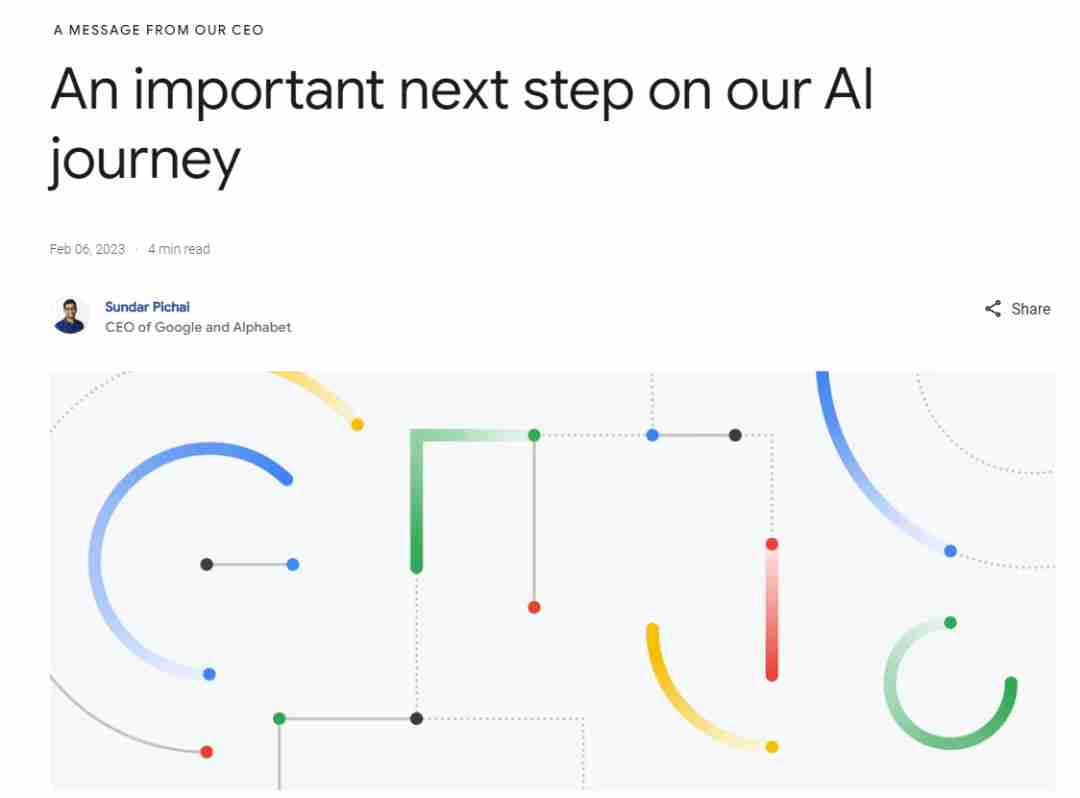
据谷歌CEO 皮查伊的公开信表示,他们一直在研究由 LaMDA 提供支持的对话式 AI 服务Bard, 于今天开放测试,然后在未来几周内发布。
这一次,桑达尔·皮查伊亲自下场发布Bard并邀请测试,表明了谷歌对此项目的重视。
回到背后的技术LaMda,机器之心在2022年初介绍过相关研究论文。当时的LaMDA 模型参数多达 137B 个参数,展示了接近人类水平的对话质量。
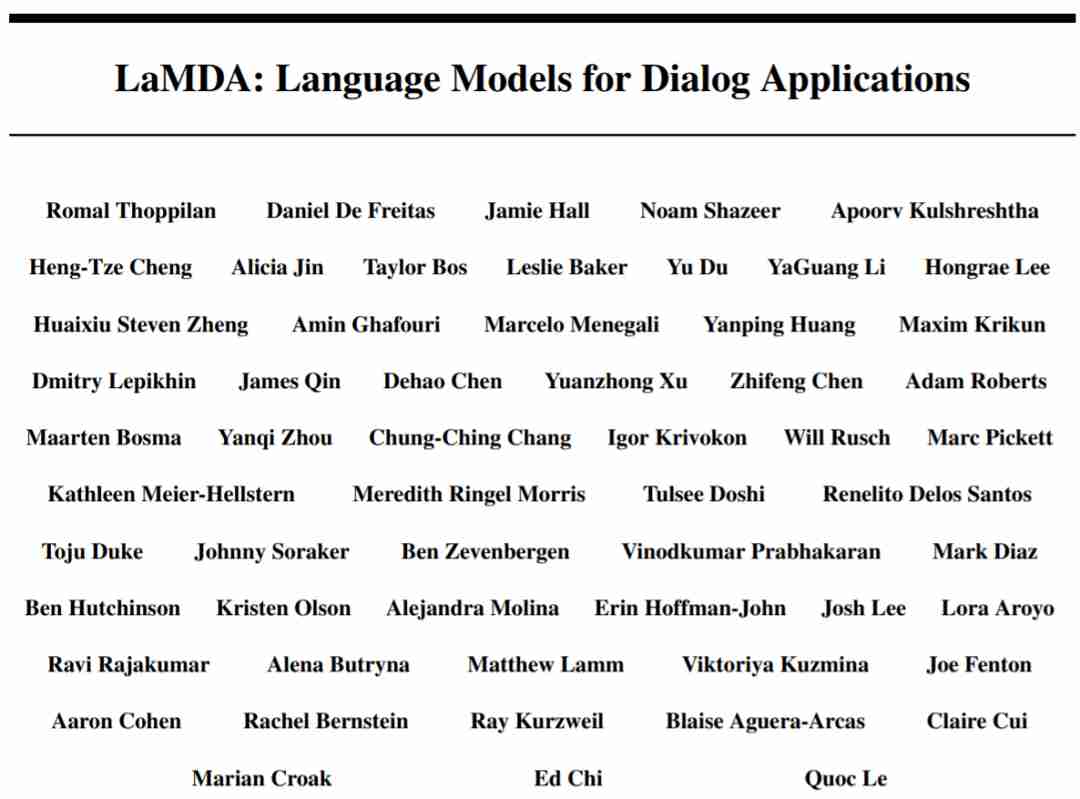
而今Bard最初版本将与LaMDA 轻量级模型一起发布,从而需要更小的算力。
谷歌也表示,这一轮测试旨在继续学习从而提高 Bard 的质量和速度。
接下来让我们看下Sundar Pichai公开信全文:
人工智能是我们今天正在研究的最深刻技术。无论是帮助医生及早发现疾病,还是让人们能够以自然语言获取信息,人工智能都正在帮助人们、企业和社区释放他们的潜力。AI开辟了新的机会,能够显著改善数十亿人的生活。这也是六年前我们围绕 AI 重新定位公司的原因。我们的愿景是组织世界信息并使人人都可以访问和使用,而AI是实现这一使命的最重要方式。
从那时起,我们继续全面投资 AI,Google AI 和 DeepMind 推动了最先进技术的发展。如今,最大的 AI 计算规模每六个月翻一番 ,远远超过摩尔定律。与此同时,先进的生成式 AI 和大型语言模型正在激发全世界人们的想象力。事实上,我们的 Transformer 研究项目和我们 2017 年的领域论文,以及我们在扩散模型方面的重要进展,是当前许多生成式 AI 应用程序的基础。
一、Bard
两年前,我们推出了下一代语言和对话技术——LaMDA。两年来我们一直在研究一项由 LaMDA 提供支持的实验性对话式 AI 服务,我们称之为 「Bard」。今天,我们又向前迈进了一步,将其开放给一些测试人员,并在未来几周内将其更广泛地提供给公众。
Bard致力于将广泛的世界知识与大型语言模型的强大功能和创造力结合起来,它利用来自网络的信息为输入问题提供最新、高质量的回答。
Bard掌握广泛的现实知识,能够激发人们的好奇心。例如,Bard可以帮你向 9 岁的孩子解释 NASA 的詹姆斯·韦伯太空望远镜的新发现,或者为您提供关于当前足球界最佳前锋的信息。
最初我们最初将与我们的 LaMDA 轻量级模型版本一起发布。这个小得多的模型需要更少的计算能力,使我们能够扩展到更多的用户,从而获得更多的反馈。我们会将外部反馈与我们自己的内部测试相结合,以确保 Bard 的回应在质量、安全性和接地性方面达到高标准在真实世界的信息中。我们很高兴这一阶段的测试可以帮助我们继续学习和提高 Bard 的质量和速度。
二、将 AI 的优势带入谷歌日常产品
我们在使用 AI 为数十亿人改进搜索方面有着悠久的历史。BERT 是我们最早的 Transformer 模型之一,它在理解人类语言的复杂性方面具有革命性意义。两年前,我们推出了 MUM,它比 BERT 强大 1000 倍,对信息的理解更上一层楼,多语言,可以挑选视频中的关键时刻并提供关键信息,包括危机支持,更多语言。
现在,我们正在以最新的人工智能技术—如LaMDA、PaLM、Imagen和MusicLM—作为基础,创造全新的信息接触方式,从语言、图像到视频和音频。我们正在努力将这些最新的人工智能进展引入我们的产品,而搜索是一个开始。
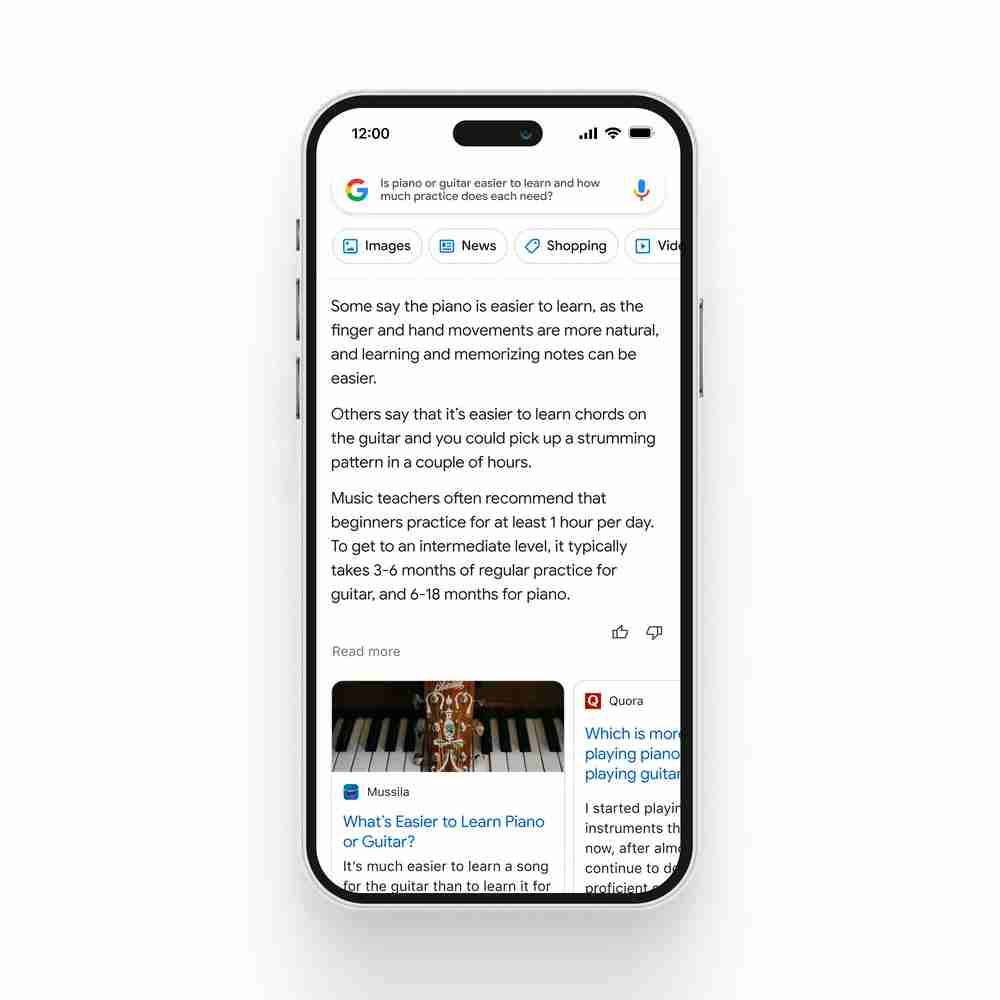
最令人兴奋的机会之一是人工智能如何加深我们对信息的理解,并更高效地将其转化为有用的知识——这让人们更容易找到他们正在寻找的核心内容并完成任务。当人们想到谷歌时,他们通常会想到向我们寻求快速的事实性答案,比如「一架钢琴有多少个键?」但是,人们也越来越多地转向谷歌寻求更深入的见解和理解—比如「钢琴还是吉他更容易学习?每种乐器需要多少练习?」 了解这样的话题可能需要花费很多精力来弄清楚你真正需要知道的东西,人们往往希望探索各种不同的意见或观点。
在这些时候,人工智能可以起到帮助作用,对于没有一个正确答案的问题,人工智能可以合成洞察。很快,你就会在搜索中看到由人工智能驱动的功能,其将复杂的信息和多种观点提炼成易于消化的格式,以便你快速了解全局,并从网络上学到更多东西——无论是寻求额外的观点,如既弹钢琴又弹吉他的人的博客,还是深入了解相关主题,如作为初学者入门的步骤。这些新的人工智能功能将很快开始在谷歌搜索上推出。
三、帮助开发人员利用 AI 进行创新
下个月,我们将开始接纳个人开发者、创作者和企业,这样他们就可以尝试我们的语言生成API,最初由LaMDA提供支持,随后会有一系列的模型。
接下来,我们计划创建一套工具和API,使其他人能够轻松地用人工智能建立更多的创新应用。拥有必要的计算能力来构建可靠和值得信赖的人工智能系统对初创企业来说也是至关重要的,我们很高兴通过我们与Cohere通过谷歌云合作来帮助实现这些。
四、胆大、负责
我们以胆大和负责任的方式,将植根于这些模型中的经验带来全世界,这一点至关重要。这就是我们致力于开发负责任AI的原因所在:2018 年,谷歌是首批发布一系列 AI 原则的公司之一。我们将继续为自己的研究人员提供培训和资源,与政府和外部机构合作制定标准和最佳实践,并与社区和专家一道实现安全和有用的AI。
无论是应用AI以从根本上改造我们自己的产品,还是让其他人使用这些强大的工具,我们将继续大胆地进行创新并在方法探索上秉持负责任的态度。而这仅仅是个开始,在接下来的几周和几个月里,所有这些领域都将迎来更多新东西。
翻译:
It’s still “a few weeks away” from completion, but the product has been invited for testing.
We may be witnessing an unprecedented change in technology.
Google CEO Sundar Pichai unexpectedly unveiled Bard, Google’s next-generation conversational AI system, in the early hours of February 7, Beijing time.
Since the ChatGPT fire, major tech companies have made a series of moves in the AI field recently, and it is highly anticipated that Google will respond. As previously reported, Bard, Google’s “code red” priority, is based on OpenAI’s hot ChatGPT, and was announced earlier than the original date of February 8.
Visible, the language model landing competition has entered the white heat. Google does not intend to hand the advantage to Microsoft.
“Bard is a new, experimental conversational Google AI service powered by LaMDA that seeks to combine the breadth of the world’s knowledge with the power, wisdom and creativity of Google’s large language models. It leverage information from the web to deliver up-to-date, high-quality responses,” said Mr Pichai. “It is now in partial public testing and we will make it more widely available in the coming weeks.”
It should also be added that Microsoft announced a major event on February 7th, shortly after Google announced Bard. The company hasn’t given much of a preview of what’s coming, but it’s likely to be about ChatGPT’s rumored integration with Bing and a broader partnership with OpenAI.
It seems, really lit up!!
Lamda-supported conversational AI service Bard
According to CEO Pichai’s letter, Google has been working on Bard, a conversational AI service powered by LaMDA, which will be available for beta testing today before being released in the next few weeks.
This time, Sundar Pichai himself launched the Bard and invited testing, which shows how serious Google is about the project.
Going back to the technology behind it, LaMda, a research paper presented by Heart of the Machine in early 2022. At the time, the LaMDA model had 137B parameters, demonstrating near-human-level conversation quality.
Now the original Bard will ship with LaMDA lightweight models that require less computing power.
Google also said that this round of testing was designed to continue learning to improve the quality and speed of the Bard.
Here’s the full text of Sundar Pichai’s letter:
Artificial intelligence is the most profound technology we are working on today. Whether it’s helping doctors detect diseases early or giving people access to information in natural language, AI is helping people, businesses and communities unlock their potential. AI opens up new opportunities that could dramatically improve the lives of billions of people. That’s why we repositioned the company around AI six years ago. AI is the most important way to achieve our vision of organizing the world’s information and making it accessible and usable by everyone.
Since then, we have continued to invest in AI across the board, with Google AI and DeepMind driving the development of the most advanced technologies. Today, the scale of maximum AI computing is doubling every six months, far exceeding Moore’s Law. At the same time, advanced generative AI and large-scale language models are capturing the imagination of people around the world. In fact, our Transformer research project and our 2017 domain paper. Along with our significant advances in the diffusion model, are the basis for many current generative AI applications.
Bard
Two years ago, we launched LaMDA, the next generation of language and conversation technology. For two years we’ve been working on an experimental conversational AI service supported by LaMDA that we call Bard. Today, we’re taking another step forward by opening it up to some testers and making it more widely available to the public in the coming weeks.
Committed to combining extensive world knowledge with the power and creativity of large-scale language models. Bard uses information from the Web to provide up-to-date, high-quality answers to input questions.
With a wide range of practical knowledge, Bard was able to inspire people’s curiosity. For example, Bard can help you explain new discoveries from NASA’s James Webb Space Telescope to your nine-year-old, or provide you with information about the current best strikers in soccer.
Initially we will initially ship with our LaMDA lightweight model version. This much smaller model requires less computing power, allowing us to scale to more users and thus get more feedback. We combine external feedback with our own internal testing to ensure that Bard’s responses meet high standards of quality, security and grounding in real world information. We are pleased that this stage of testing will help us continue to learn and improve the quality and speed of the Bard.
Bring AI’s strengths to Google’s everyday products
We have a long history of using AI to improve search for billions of people. BERT is one of our first Transformer models and is revolutionary in understanding the complexities of human language. Two years ago, we launched MUM, which is 1,000 times more powerful than BERT, has a better understanding of information, is multi-lingual, can pick key moments in videos and provide key information, including crisis support, more languages.
Now, we’re building on the latest AI technologies — like LaMDA, PaLM, Imagen, and MusicLM — to create new ways to access information, from language and images to video and audio. We’re working hard to bring these latest AI advances to our products, and search is a start.
Learning about a topic like this can take a lot of effort to figure out what you really need to know, and people often want to explore a variety of different opinions or perspectives.
One of the most exciting opportunities is how AI deepens our understanding of information and turns it into useful knowledge more efficiently – making it easier for people to find the core of what they’re looking for and get things done. When people think of Google, they usually think of asking us for quick factual answers. Such as “How many keys are there in a piano?” But people are also increasingly turning to Google for deeper insights and understanding –. “Is piano or guitar easier to learn? How much practice does each instrument take?” Learning about a topic like this can take a lot of effort to figure out what you really need to know. And people often want to explore a variety of different opinions or perspectives.
In these times, AI can help, synthesizing insights into questions for which there is no one right answer. Soon, you’ll see AI-powered features in search that dissect complex information and multiple perspectives into an easy-to-digest format so you can quickly see the big picture and learn more from the web — whether it’s looking for additional perspectives. Such as blogs by people who play both piano and guitar, or digging into related topics. Such as steps to get started as a beginner. These new AI features will soon begin rolling out on Google search.
When looking for insight, the AI features in search can disaggregate information and help you see the big picture.
Help developers innovate with AI
Next month, we’ll start taking in individual developers, creators, and enterprises so they can try out our language generation API, initially supported by LaMDA, followed by a series of models.
Next, we plan to create a set of tools and apis that will make it easy for others to build more innovative applications with AI. Having the necessary computing power to build reliable and trustworthy AI systems is also critical for start-ups. And we are pleased to help make this possible through our partnership with Cohere via Google Cloud.
Bold, responsible
It is vital that we bring the lessons embedded in these models to the world in a bold and responsible way. That’s why we’re working on responsible AI:. In 2018, Google was one of the first companies to release a set of AI principles. We will continue to provide training and resources for our own researchers, work with governments and outside agencies to develop standards and best practices, and work with communities and experts to achieve safe and useful AI.
Whether applying AI to fundamentally transform our own products or enabling others to use these powerful tools. We will continue to be bold in our innovation and responsible in our approach exploration. And this is just the beginning, there will be more new stuff in all of these areas in the coming weeks and months.
本文由数字化转型网(www.szhzxw.cn)转载而成,来源:机器之心;编辑/翻译:数字化转型网宁檬树。

免责声明: 本网站(https://www.szhzxw.cn/)内容主要来自原创、合作媒体供稿和第三方投稿,凡在本网站出现的信息,均仅供参考。本网站将尽力确保所提供信息的准确性及可靠性,但不保证有关资料的准确性及可靠性,读者在使用前请进一步核实,并对任何自主决定的行为负责。本网站对有关资料所引致的错误、不确或遗漏,概不负任何法律责任。
本网站刊载的所有内容(包括但不仅限文字、图片、LOGO、音频、视频、软件、程序等) 版权归原作者所有。任何单位或个人认为本网站中的内容可能涉嫌侵犯其知识产权或存在不实内容时,请及时通知本站,予以删除。