智能制造发展历程
21世纪以来,信息技术飞速发展,尤其是互联网技术与制造技术的融合,制造业呈现数字化、智能化趋势,定制化、分散化生产方式开始兴起,使得二十世纪八十年代产生的智能制造的概念逐步得以实现。
1、智造的发展史
智能制造的发展史可以追溯到上世纪六十年代,当时科学家开始研究计算机辅助设计和制造 (CAD/CAM) 技术。随着计算机技术的不断发展,智能制造在 80 年代逐渐兴起。而后互联网的普及,物联网技术的出现和大数据分析技术的发展,智能制造得到了进一步的推广和应用。
2、智造三个阶段
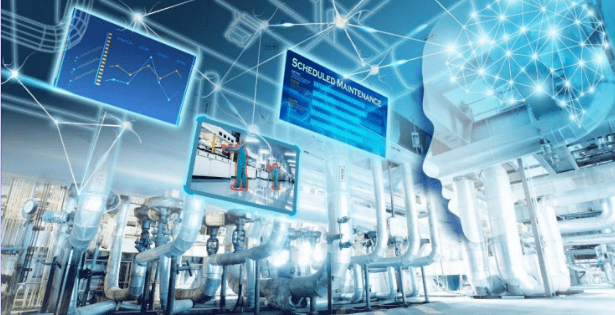
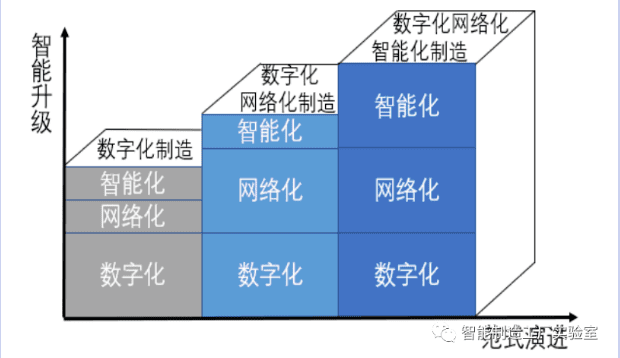
智能制造是一个不断演进发展的大概念,可归纳为三个基本范式:数字化制造、数字化网络化制造、数字化网络化智能化制造——新一代智能制造,这也是智能制造发展的三个阶段。
3、数控机床诞生
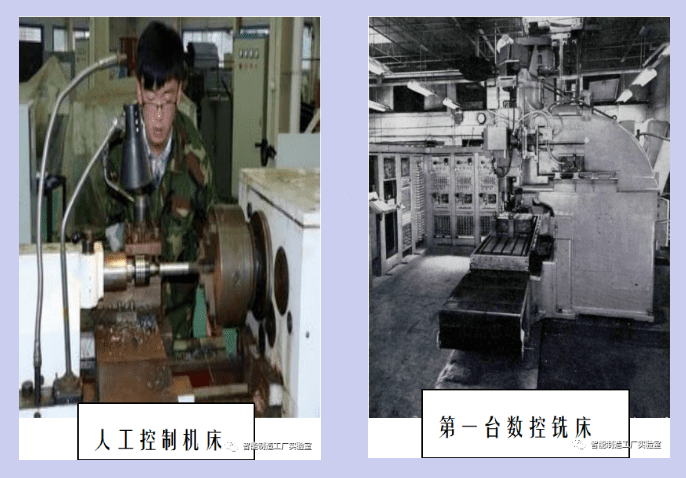
20世纪50年代,数控(Numerical Control,NC)机床在美国第一次出现,大幅度提高工作效率并完成了从人工控制向自动化的过渡;自动编程工具(Automatically Programmed Tools,APT)诞生,简化了数字化生产的流程;数字化转型网szhzxw.cn
4、柔性制造出现
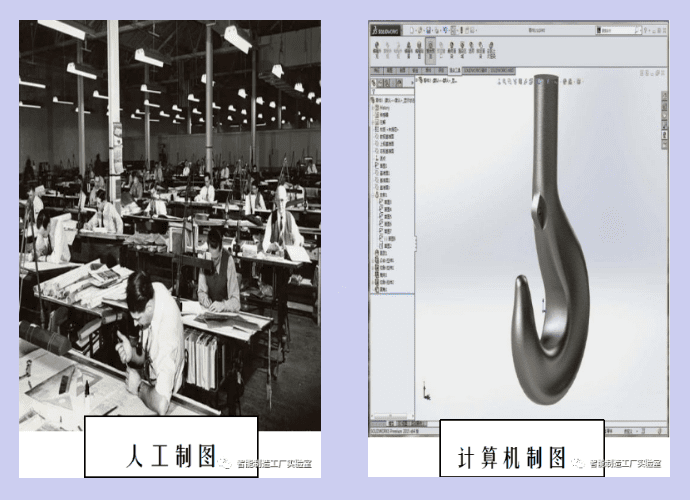
60年代,计算机辅助设计/制造(Computer Aided Design/Manufacturing,CAD/CAM)软件出现,柔性制造系统(Flexible Manufacturing System,FMS)的诞生改变了传统制造流程形式,大大提升了硬件设备的生产能力。
5、软件技术融合
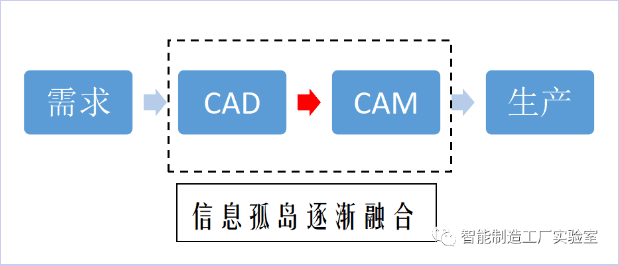
70年代,CAD和CAM技术的融合,可以集成到同一个软件里,机床即可根据制造程序进行生产,使得信息交互变得更加规范。数字化转型网szhzxw.cn
6、数字化的发展
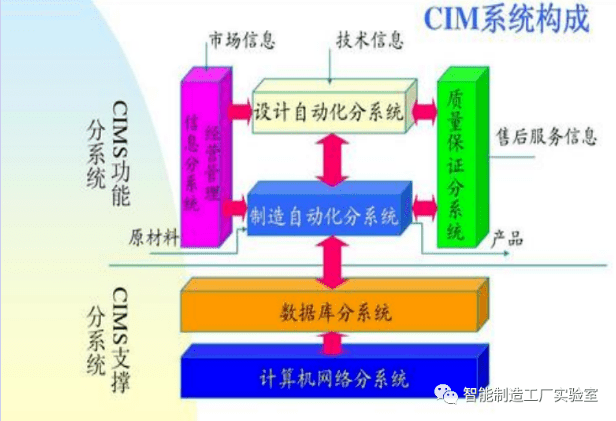
80年代,计算机集成制造系统(Computer Integrated Manufacturing System,CIMS)通过计算机硬软件,使得各种技术之间,各类数据之间有了更高级的数字化融合,制造过程中设计、制造、管理等各阶段相互协同,为制造技术的发展奠定了基础。90年代中期,互联网得以普及应用,“互联网+”概念兴起。制造业与互联网的初步融合,协调效率不高,网络化水平的提高亟待解决。
7、工业4.0时代
当今,我们正处于第四次工业革命,也称为工业4.0,特征是自动化程度高以及使用智能机器和智能工厂。通过从工厂车间收集更多数据并将其与其他企业运营数据相结合,智能工厂可实现信息透明和更好的决策。工业4.0正在彻底改变公司制造、改进和分销产品的方式。工业4.0的核心内容是智能制造,其背景下的智能制造,是以信息化、自动化和智能化三化合一的渐进过程,其中生产过程的合理化与标准化是前提。
8、5G技术加持
通过人与智能机器的合作共事,部分取代甚至扩大、延伸人类专家在制造过程中的脑力劳动;它把制造自动化的概念更新,扩展到柔性化、智能化和高度集成化。随着5G技术的深入应用和“工业4.0”的逐步发展,近年来兴起的“黑灯工厂”逐渐席卷全国,即一种不依赖太多工人的新型智能工厂。黑灯工厂不需要太多灯光,基本上所有的产生任务都是由自动化机器或其他一些不依靠人操作的高科技设备完成的。由于全程几乎不需要人为进行操作,黑灯工厂可以进行一些危险品的生产,从而更好地保障工人的人身安全。黑灯工厂的出现还可以有效减少企业在劳动力方面的开支,能在降低企业运作成本的同时提升生产功效。
9、智造赋能未来
现代智能制造通过智能工厂、智能物流、智能设备等多种技术手段,实现了制造业的自动化、智能化和数字化。智能制造不仅提高了生产效率和产品质量,还带来了许多新的商业机会和经济效益。
10、智造发展趋势
制造业是实体经济的基础,高端制造是经济高质量发展的重要支撑。立足新发展阶段,继续保持战略定力,加快发展智能制造,着力制造业创新能力、供给能力、支撑能力和应用水平,一定能推动智能制造业转型升级,为经济高质量发展注入强大动能。总的来说,智能制造是制造业的未来发展趋势,对于提高制造业的竞争力具有重要意义。V
11、智造人才培养
为响应“中国制造2025”制造强国发展规划对智能制造人才的迫切需求,上海第二工业大学耗资打造了智能制造工厂实验室,以智能产品(智能共享单车)为主要生产示范对象,综合应用数字化、网络化、智能化等新技术,建立面向智能制造的生产示范工厂,构建了涵盖产品研发设计、仿真、调试、生产制造、仓储物流、运维服务全过程的工厂智能化体系。而今,基于校园共享单车产品,在校领导和老师的鼓励与支持下,校园单车志愿服务队运营组同学共同努力,实现了校园单车校内正常运营,满足在校师生用车需求,充分利用校园单车资产资源,达到了“产用”的任务目标。数字化转型网szhzxw.cn
翻译:
Intelligent manufacturing development history
Since the 21st century, the rapid development of information technology. Especially the integration of Internet technology and manufacturing technology. The manufacturing industry has shown a trend of digitalization and intelligence. And customized and decentralized production methods have begun to rise, making the concept of intelligent manufacturing produced in the 1980s gradually realized.
1. History of intelligent manufacturing
The history of intelligent manufacturing can be traced back to the 1960s. When scientists began to study computer aided design and manufacturing (CAD/CAM) technology. With the continuous development of computer technology, intelligent manufacturing gradually rose in the 1980s. With the popularization of the Internet, the emergence of the Internet of Things technology and the development of big data analysis technology, intelligent manufacturing has been further promoted and applied.
2. Three stages of intelligent creation
Intelligent manufacturing is a big concept of continuous evolution and development, which can be summarized into three basic paradigms: digital manufacturing, digital networked manufacturing, digital networked intelligent manufacturing – a new generation of intelligent manufacturing, which is also the three stages of the development of intelligent manufacturing.数字化转型网szhzxw.cn
3. The birth of CNC machine tools
In the 1950s, Numerical Control (NC) machine tools first appeared in the United States, greatly improving work efficiency and completing the transition from manual control to automation; Automatic Programmed Tools (APT) are born to simplify the digital production process;
4. Flexible manufacturing appears
In the 1960s, Computer Aided Design/Manufacturing (CAD/CAM) software appeared, Flexible Manufacturing System (Flexible Manufacturing System), The birth of FMS has changed the traditional manufacturing process form and greatly improved the production capacity of hardware equipment.
5. Integration of software technology
In the 1970s, the integration of CAD and CAM technology could be integrated into the same software. And the machine tool could be produced according to the manufacturing procedure, making the information interaction more standardized.数字化转型网szhzxw.cn
6. Digital development
In the 1980s, Computer Integrated Manufacturing System (CIMS), through computer hardware and software, enabled a more advanced digital integration between various technologies and various types of data. In the manufacturing process, design, manufacturing, management and other stages cooperated with each other. It has laid the foundation for the development of manufacturing technology. In the mid-1990s, the Internet was popularized and the concept of “Internet +” emerged. The initial integration of manufacturing industry and the Internet, coordination efficiency is not high. And the improvement of the network level needs to be solved.数字化转型网szhzxw.cn
7. Industry 4.0 era
Today, we are in the midst of the fourth Industrial Revolution, also known as Industry 4.0, which is characterized by a high degree of automation and the use of smart machines and smart factories. By collecting more data from the factory floor and combining it with other business operations data, smart factories enable information transparency and better decision-making. Industry 4.0 is revolutionizing the way companies make, improve, and distribute their products. The core content of Industry 4.0 is intelligent manufacturing, and the intelligent manufacturing under its background is a gradual process of informatization, automation and intelligence, in which the rationalization and standardization of the production process is the premise.数字化转型网szhzxw.cn
8. 5G technology support
Through the cooperation between people and intelligent machines, some of them replace or even expand and extend the mental labor of human experts in the manufacturing process; It updates the concept of manufacturing automation and extends it to flexibility, intelligence and high integration. With the in-depth application of 5G technology and the gradual development of “Industry 4.0”, the rise of “black light factory” in recent years has gradually swept the country, that is, a new type of smart factory that does not rely on too many workers.
Black light factories do not require much light, and basically all production tasks are done by automated machines or some other high-tech equipment that does not rely on human operation. Since there is almost no need for human operation in the whole process, the black light factory can produce some dangerous goods, so as to better protect the personal safety of workers. The emergence of the black light factory can also effectively reduce the cost of labor in the enterprise, which can reduce the operating cost of the enterprise and improve the production efficiency.数字化转型网szhzxw.cn
9. Wisdom to empower the future
Modern intelligent manufacturing realizes the automation, intelligence and digitalization of the manufacturing industry through a variety of technical means such as intelligent factories, intelligent logistics, and intelligent equipment. Intelligent manufacturing not only improves production efficiency and product quality, but also brings many new business opportunities and economic benefits.
10. Intelligent development trend
Manufacturing is the foundation of the real economy, and high-end manufacturing is an important support for high-quality economic development. Based on the new development stage, continue to maintain strategic focus, accelerate the development of intelligent manufacturing, and focus on the innovation capacity, supply capacity, support capacity and application level of the manufacturing industry, which will certainly promote the transformation and upgrading of the intelligent manufacturing industry, and inject strong momentum for high-quality economic development. In general, intelligent manufacturing is the future development trend of the manufacturing industry, which is of great significance for improving the competitiveness of the manufacturing industry.
11. Intelligent talent training
In response to the urgent need for intelligent manufacturing talents in the “Made in China 2025” manufacturing power development plan, Shanghai Second University of Technology has spent money to build an intelligent manufacturing factory laboratory, taking intelligent products (intelligent shared bicycles) as the main production demonstration object, comprehensively applying new technologies such as digitalization, networking and intelligence, and establishing a production demonstration factory for intelligent manufacturing. 数字化转型网szhzxw.cn
The factory intelligent system covering the whole process of product development and design, simulation, debugging, production and manufacturing, warehousing and logistics, operation and maintenance services has been built. Today, based on campus shared bicycle products, with the encouragement and support of school leaders and teachers, the campus bicycle volunteer service team operation group students work together to achieve the normal operation of campus bicycles, meet the needs of school teachers and students, make full use of campus bicycle asset resources, and achieve the task goal of “production and use”.数字化转型网szhzxw.cn
本文由数字化转型网(www.szhzxw.cn)转载而成,来源于智能制造工厂实验室;编辑/翻译:数字化转型网宁檬树。

免责声明: 本网站(https://www.szhzxw.cn/)内容主要来自原创、合作媒体供稿和第三方投稿,凡在本网站出现的信息,均仅供参考。本网站将尽力确保所提供信息的准确性及可靠性,但不保证有关资料的准确性及可靠性,读者在使用前请进一步核实,并对任何自主决定的行为负责。本网站对有关资料所引致的错误、不确或遗漏,概不负任何法律责任。
本网站刊载的所有内容(包括但不仅限文字、图片、LOGO、音频、视频、软件、程序等) 版权归原作者所有。任何单位或个人认为本网站中的内容可能涉嫌侵犯其知识产权或存在不实内容时,请及时通知本站,予以删除。