一位搞寺院管理软件的人士在社交平台上说,真心喜欢和寺院里的人打交道——只要把活干好,回款的问题不用担心。客户不仅会主动付款,甚至特殊情况还会提前结款,“创下十多年来无坏账的记录”。
少林寺方丈释永信在Meta总部谈人工智能的照片,最近在网上疯传。
据说这也是疫情之后,Meta首次邀请社会名人到公司总部举办活动,当天恰逢佛教重要节日“观音诞”。Meta公司显然低估了方丈的影响力,不大的礼堂挤满了人,甚至过道都站满了希望接受佛教思想洗礼的信众。
方丈很时髦,谈的话题叫“禅宗遇到AI”。少林寺是禅宗文化的祖庭,而人工智能又是当下最火热的话题,两者跨越千年,结合到一起,看起来不搭,却起到了意想不到的效果。
方丈演讲的内容不算高深,但都是当下人们最感兴趣的方向:人工智能具有强大的数据处理和分析能力,并且经由程序和算法可能会表现出类似于人类的感知,但是人工智能并不能具备我们禅宗所讲的觉悟的心性。人类面对此人工智能应该保持头脑清醒,应该如禅宗所倡导的那样向内寻求,得到超越解脱的本觉智慧。
说直白一点,就是AI没有意识,人类不要焦虑,要向内心寻求答案。
人们的固有印象中,和尚都是与青灯古佛为伴,暮鼓晨钟,与科技和数字化挨不上边。但实际上,有些寺庙里的和尚开始上网的时间比很多人想象得要早,对新事物的接受程度也远比我们想象得更高。而在浙江、江苏和广东等经济发达的省份,香火旺盛的寺庙也早已跟上了时代浪潮,开始了数字化的旅程。
一
其实,这已经不是释永信第一次到访美国高科技企业。2014年,他就带着一众高僧,去了美国西海岸,拜访的是两家如日中天的科技企业,一家是谷歌,另一家就是苹果。
方丈先去山景城的谷歌总部,玩得很嗨皮,还试戴了谷歌的智能眼镜。六名武僧上台表演了少林功夫,不过背景音乐却是电影《加勒比海盗》中的配乐《他是一个海盗》,这种入乡随俗的中西混搭效果很好。谷歌还说要通过学习少林禅武文化,促进谷歌企业文化的提升。
第二站去了库比蒂诺的苹果总部,库克非常热情,亲自接待,与方丈谈笑风生。期间,库克还问方丈:“您是怎么看待苹果的?”方丈回答:“苹果公司为人类创造了不少精神财富,是我们学习的榜样。”其实,当年普遍认为,苹果公司创始人乔布斯就深受禅宗文化的影响,他的办公室里专门有打坐的蒲团,每天坚持禅修,苹果的产品也被认为受到了禅宗思想的影响。
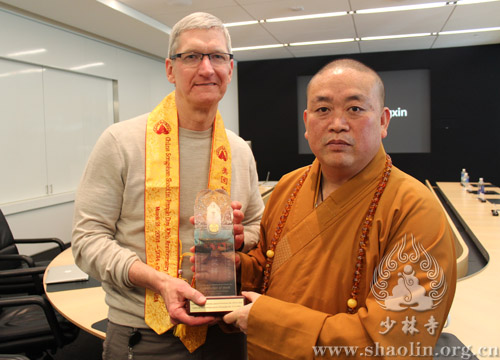
释永信也是这么评价的,“谷歌的氛围很动感很生活很快乐,就像少林功夫,而苹果公司从建筑到装修都很简洁很宁静,苹果的产品设计在简洁中充满想象力,便捷又好用,这有点像少林禅。”
大师不愧是大师,不仅把对方夸了一通,也顺带传播了一下自身的禅宗文化。
其实,少林寺使用科技产品和信息化建设的时间比大多数人想象得都要早。1996年,国内连接互联网也不过两年时间,大部分人都不知道Internet为何物,少林寺就注册了郑州少林寺网络工程有限公司,并申请了域名。
2001年,少林寺的网站正式上线,里面很多介绍少林文化的东西。虽然总体简单了一些,而且过去20多年只进行了两次改版,但这种嗅觉很多公司都比不了。当年不说别的,大师如果去倒卖域名,估计后面就没有蔡文胜什么事了。
当然,少林寺有这种先见之明不是开了天眼,也不是佛祖托梦,而是少林文化很早作为中国传统文化的一部分,频繁到全球各地去演出和交流,所以能比绝大多数人更早看到国外的互联网风潮。
库克当年还问释永信,少林寺有没有WiFi。事实上,少林寺的办公区都有WiFi,但在僧人休息区,没有WiFi,晚上10点前要睡觉,早上5点起床。当然也不能看电视和玩游戏,用方丈的话说,“游戏会让人上瘾,电视剧会把人锁住。”
少林寺内部也很早就用上了各种电子设备。上世纪90年代初,河南开通一批模拟手机,少林寺的僧人是最早一批使用者。2006年的一次媒体访问中,少林寺武僧总教练就说,在少林寺,18岁以上的僧人们大都拥有自己的手机,且手机型号也都是最新、最流行的,彩屏、摄像头一应俱全。
每年两会,都有记者去关心释永信用了什么电子产品。一开始是笔记本电脑,后来平板电脑兴起,有记者又跑去问释永信是否使用了iPad,释永信一开始还否认,但架不住再三追问,他才苦笑着说:“不能只让你们用新科技,不让我们用吧?当年我用手机你们也奇怪,我不用你们记者怎么能找到我?”
大和尚说得好像是这么个道理。
这些年,随着各种商业化活动,对少林寺的质疑也不少,但少林寺一直不避讳这些科技和数字化对佛教寺院的改造,而是将其当成一种弘扬佛法的媒介。早在2005年,TCL给少林寺捐赠了24台电脑,价值15万元。释永信当年就表态,要将少林寺打造成中国第一家“数字化寺院”。
但后来一直比较少看到少林寺数字化的进展,直到2021年,《少林文化大数据平台建设方案》通过了评审。《少林文化大数据平台》建设了“四库、一平台、四中心、多保障”的体系,打造少林“数据资产开发与利用、禅宗文化传承与传播、少林知识研究与发展、少林寺务管理与决策”四大支撑能力。
释永信也透露,少林寺一直以来都积极拥抱科技,利用数字化技术来传承和推广佛教文化,包括少林寺开发了一款“少林云”的应用程序,可以通过VR技术,身临其境地体验少林寺的文化和历史。
二
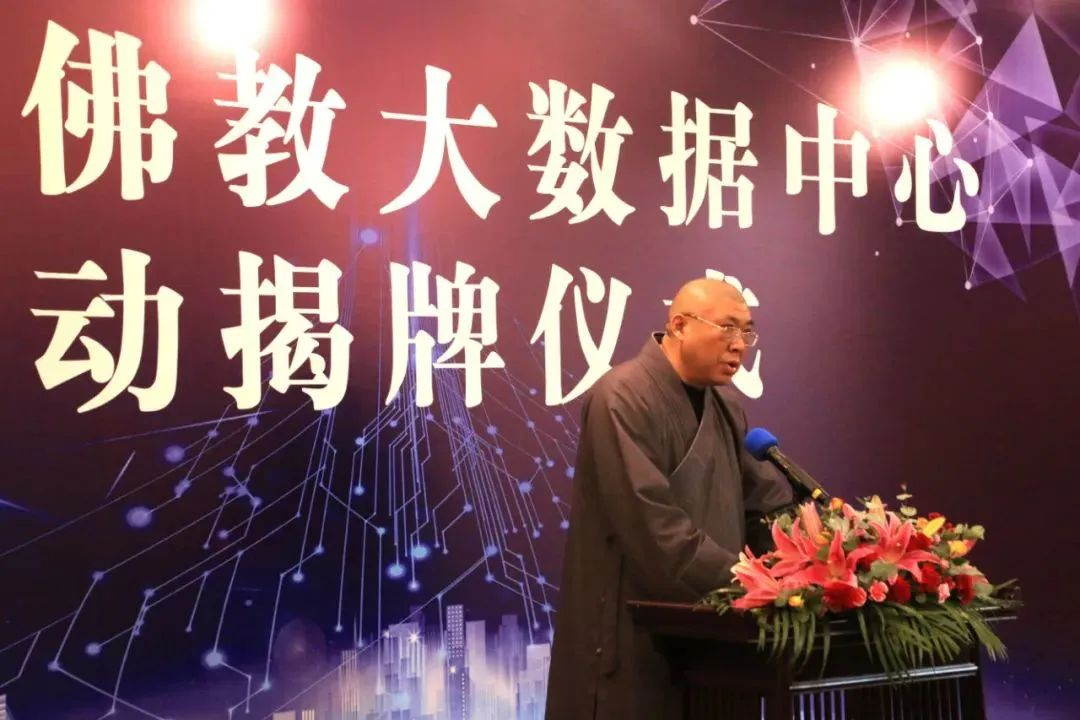
2022年7月,浙江杭州的灵隐寺举行了“智慧寺院”的上线仪式。灵隐寺的高僧介绍“智慧寺院应用场景”的照片一夜之间火爆全网。从背景图可以看到,这其实是一块非常常见的信息化展示大屏,包括审批统计、游客统计、日接待量、疫情管控、车辆管理、安全预警等。

但当一位身着素衣的僧人站在台上讲述这一切时,又多了几分魔幻和新鲜感。大师傅看起来也是相当专业,一张口全是专业化术语,比如“要坚持一屏覆盖,突出系统整体性”,“要以系统集成理念打破数据孤岛,实现数据穿透、回流”,“要注重信息安全”,“要推动既有系统和开发系统的相互关联”。
这些都是当前各行各业数字化建设中存在的痛点,但大师早已了然于胸。
灵隐寺的这张图让圈内做大数据和信息化大屏的公司彻底疯狂,网上到处是这些公司的宣传文案,路数非常统一:连寺庙都开始数字化了,你还有什么理由躺平,还不赶紧跟上数字化的潮流?
其实,灵隐寺的数字化建设已经非常系统,不仅成立了数字化赋能中心,成立了“杭州灵隐寺智慧寺院建设专班”,还打造了“一屏、一中心、四件事、六大管理平台”的一体化综合服务平台,建设了寺院事务管理系统、信众预约系统等。
灵隐寺在2021年的总结报告中,明确写着全年组织8家数字化解决方案提供机构进行交流座谈30余场次,甚至还编写了《灵隐寺数字赋能实施草案》和《灵隐寺数字化改革规划报告》。
更夸张的是,2019年初,灵隐寺就通过了ISO9001质量体系认证,引入现代化的管理思维和方法,成为国内首个通过该体系认证的佛教寺院。
隔壁江苏在寺院信息化方面也进展比较快。早在2006年,江苏无锡的开原寺就已经开始着手建设信息化管理系统。比如将财务管理分成了寺院功德收据、支出报销凭证和现金日记明细等8个项目模块,将收支信息输入对应项目模块,系统自动生成总账、会计报表,避免人为干预,实现精确管理。
开原寺的数字化建设已经成了江苏佛教系统的一张名片,无锡的佛教信息化大数据中心就放在了开原寺,包含了几大技术平台:云寺务管理平台、教职人员管理系统、大数据分析与展示系统、寺院周界防范系统、寺院云视频平台等。
除了江浙,位于京西凤凰岭的龙泉寺过去也一直被科技光环笼罩。甚至在一些故事桥段的加持下,更是披上了神秘色彩。比如张小龙曾经在这里寻找灵感创办了微信,比如中科院博导在此出家,甚至由于很多清北毕业的人跑去出家或者当居士,被外界冠以“清华北大分校”的名号,给人一种超然世外、卧虎藏龙的感觉。
但这些很多都没有根据。不过,确实因为地处北京,对科技和新的传播方式持开放态度,所以龙泉寺的氛围和很多寺庙有所不同。比如龙泉寺的图书馆,开通了Kindle电子书借阅,支持苹果和安卓系统的手机和平板电脑,2011年这里的和尚就开始用iPad诵经。
到访过龙泉寺的人会发现,这里经常排放着招募影视人才、配音人才、全套微电影制作人才的告示。这里的贤二机器人早年也小有名气。
龙泉寺内部有个信息技术组,当然里面有不少是义工,并非全职在做。这个技术组最早做的是一个客堂管理系统。龙泉寺因为香火旺盛,来往游客和居士众多,光客房就700多间,以前都是用EXCEL表格登记,办理手续非常麻烦。所以当时北工大毕业还做了几年程序员的贤信法师做了客堂管理系统。
龙泉寺的和尚早年也因为经常外出参加IT行业大会引起了很大关注。不过,这些年比较少能听到龙泉寺在科技领域或者数字化方面的消息。
三
国家宗教事务局最近的一次统计显示,内地共有约3.3万所佛教寺庙,光浙江一省就有4000多座。一些香火旺盛的寺庙,对数字化有比较强烈的客观需求。
一家做了寺院数字化解决方案的企业在产品页罗列了寺院存在的痛点:比如参加活动需要排队等待;法会牌位需要手写,操作繁琐;祈福灯火烛油存在安全隐患;认捐功德无法及时反馈证书;纸质档案难以保存等。
寺庙的数字化建设,大多分了几块,除了大家熟悉的系统门户、信众(会员)管理系统、人力资源管理系统和财务管理系统,还有供奉管理系统和法事管理系统等具有宗教特色的系统。
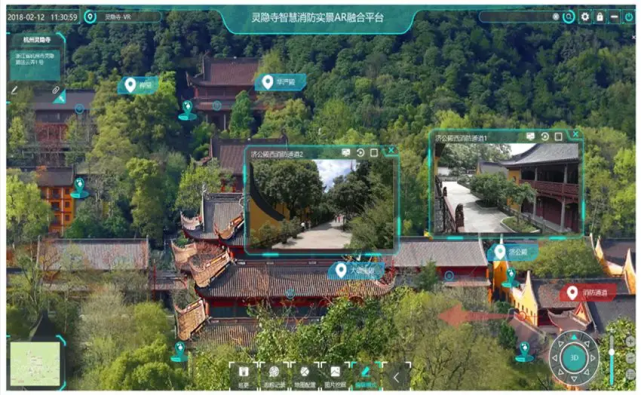
另外,很多寺庙是木质建筑,防火也是一个刚需。无锡市佛教大数据中心建设了“火灾探测报警及灭火系统、视频监控系统、信息可视化平台”三位一体的智慧消防平台,采用最新的2K高清摄像头,不仅可以统计人流、车流,也可以采用火灾探测有效保护面积算法和性能化防火设计方法,利用消防物联网技术、线型探测器多参数融合技术,提高了建筑火灾特早期预警能力和整体安全防护水平。
数字孪生和元宇宙这些年也被频繁提及,这些功能更多用于游客导览以及文物的保护。比如南京的大报恩寺有一座3D立体佛,由光纤和8000多个水晶珠子组成,前面放了一尊铜质的玄奘坐像,两尊佛像隔空凝神对视,虚拟和现实之间,历史和科技之间在同一时空呈现。
灵隐寺从2015年开始,通过3D技术对石像进行三维扫描,实现石像的数字化,方便考古和线上展览展示。少林大数据技术研究院也在2018年制作了一个三维少林寺,成功将元宇宙的概念应用到了少林寺中。
当然,除了这些常规的数字化建设,还有一些看起来比较赛博朋克的东西。
比如智能牌位,佛像旁边都会有香客供奉的牌位,这些牌位以前都是现场手写,现在可以装上LED屏,不用直接到寺院,可以写上自己的心愿,在线上就能完成支付,从哪天供奉到哪天,灯就会一直亮着。先进一些的,可以通过远程监控,看到自己供奉的牌位,如果亲临现场,系统识别之后,牌位上的LED灯会闪烁,便于辨认。
智能祈福灯。通过软硬结合的方式,信众可以远程点亮祈福灯,还能照片回传。人不用到现场,心意到了就行。
电子功德箱。除了跟实体功德箱一样的功能,可以直接捐现金之外,现在手机支付已经非常发达,越来越少人带现金出门,虔诚的香客要捐款也是个麻烦事,智能功德箱可以直接扫码支付,甚至可以和寺庙内的大屏实时同步,谁捐了多少,一目了然。
还有些地处偏远的寺庙,直接开发一个小程序,里面可以供养佛像,包括了十几个佛像和菩萨,只要动动手指,就能捐上十元到百元不等的功德,然后获得一张电子证书。
这一切操作都能让“敲电子木鱼,拜赛博佛祖”成为现实。
一位搞寺院管理软件的人士在社交平台上说,真心喜欢和寺院里的人打交道——只要把活干好,回款的问题不用担心。客户不仅会主动付款,甚至特殊情况还会提前结款,“创下十多年来无坏账的记录”。
这句话让多少搞数字化的人破防了。现在搞数字化建设,甲方提一堆个性化需求,堆人力辛辛苦苦干了几个月,最后发现迟迟回不了款。像寺庙这种甲方,打着灯笼都难找。一位行业人士告诉数智前线,寺院客户确实不用担心回款问题,甚至还有包括银行在内的金融机构乐意为其垫款,毕竟这是个能看到效益的买卖。
最近两年,寺院数字化在明显加速。比如疫情期间,视频会议厂商好视通还给少林寺捐赠了两套会议设备,方便少林寺与众多分支机构和外部沟通。虽然这些设备捐给寺庙,往往很难拿到媒体上去传播,但也算是做点公益,积点功德。
一位做寺庙数字化软件的人士告诉数智前线,疫情使得很多游客无法到寺庙烧香拜佛,人流量少了很多,寺庙也开始寻找出路。不过据他介绍,南方的寺庙对数字化接受程度高,香客也较愿意在线上参与,而且南方本身兴建了很多新的寺院,有这种需求,但北方的接受程度低。
从目前的情况来看,采用了数字化系统的寺庙,以江苏、浙江、广东以及北京上海的寺庙为主,这些寺庙本身名气大、信众多,香火旺盛,正所谓经济基础决定上层建筑,自然有这个实力去支撑各种信息化系统的建设,也有这种强烈的需求。
很多寺院本身也不排斥数字化系统。当年开原寺的方丈就说,这是佛教思想、从林仪轨的内在要求。“佛教思想包含着奋勉精进、猛进不已的进取精神,弘扬世间佛法、人间佛教的融合思想提倡入世觉悟、变中求进的发展理念。”
正如龙泉寺早年信息技术组的微博上,写着这样一行字:“穿越技术人生、探索终极价值。”

翻译:
Temple digitization, a racetrack without bad debts
A person engaged in temple management software said on the social platform that he really likes to deal with people in the temple – as long as the work is done well, there is no need to worry about the problem of payment. Not only will customers take the initiative to pay, but even in special cases, they will pay in advance, “setting a record of no bad debt for more than a decade.”
Photos of Shi Yongxin, the abbot of Shaolin Temple, talking about artificial intelligence at Meta’s headquarters recently went viral online.
It is said that this is also the first time after the epidemic, Meta invited social celebrities to the company’s headquarters to hold activities, which coincided with the important Buddhist festival “Guanyin Birthday”. Meta obviously underestimated the abbot’s influence. The small auditorium was packed, and even the aisles were filled with worshippers hoping to be baptized with Buddhist ideas.
The abbot is very fashionable, and the topic is called “Zen meets AI”. Shaolin Temple is the ancestral temple of Zen culture, and artificial intelligence is the hottest topic at the moment, the two span thousands of years, combined together, it seems not match, but played an unexpected effect.
The content of the Abbot’s speech is not profound, but it is the direction that people are most interested in at the moment: artificial intelligence has strong data processing and analysis capabilities, and through programs and algorithms may show human-like perception, but artificial intelligence does not have the consciousness of our Zen Buddhism. Human beings should keep their heads clear in the face of this artificial intelligence, and should seek inward, as advocated by Zen Buddhism, to obtain the innate wisdom beyond liberation.
To put it bluntly, AI has no consciousness, and humans should not worry, but seek answers from the heart.
People have an inherent impression that monks are companions of the ancient Buddha, the evening drum and the morning bell, and technology and digitalization are not close. But in fact, the monks in some monasteries started surfing the Internet earlier than many people think, and are far more receptive to new things than we think. In economically developed provinces such as Zhejiang, Jiangsu and Guangdong, temples with strong incense have already caught up with The Times and begun their journey of digitization.
One.
In fact, this is not Shi Yongxin’s first visit to the United States high-tech enterprises. In 2014, he took a group of senior monks to the West Coast of the United States to visit two flourishing technology companies, one is Google, the other is Apple.
The abbot first went to Google’s headquarters in Mountain View, where he had a good time and tried on Google’s smart glasses. Six monks took to the stage to perform Shaolin kung fu, but the soundtrack of “He’s a Pirate” from the movie “Pirates of the Caribbean” played in the background, a blend of Chinese and Western culture that worked well. Google also said it would promote Google’s corporate culture by learning Shaolin Zen martial arts culture.
The second stop went to Apple headquarters in Cupertino, where Cook was very warm, personally receiving him and laughing with the abbot. At one point, Cook asked the abbot, “What do you think of Apple?” The abbot replied, “Apple has created a lot of spiritual wealth for mankind, and it is an example for us to learn from.” In fact, it was widely believed that Apple founder Steve Jobs was deeply influenced by Zen culture. He had a meditation futon in his office and insisted on meditation every day. Apple products were also believed to be influenced by Zen ideas.
Shi Yongxin is also so evaluation, “Google’s atmosphere is very dynamic and very happy life, just like Shaolin Kung Fu, while Apple’s construction and decoration are very simple and quiet, Apple’s product design is full of imagination in simplicity, convenient and easy to use, which is a bit like Shaolin Zen.”
The master is worthy of being a master, not only complimented the other side, but also spread his own Zen culture. 数字化转型网(www.szhzxw.cn)
In fact, the Shaolin Temple has been using technology and information construction earlier than most people think. In 1996, the domestic Internet connection is only two years, most people do not know what the Internet is, Shaolin Temple registered Zhengzhou Shaolin Temple network Engineering Co., LTD., and applied for a domain name.
In 2001, the Shaolin Temple website was officially launched, which contains many things about Shaolin culture. Although it is generally simpler, and it has only been revised twice in the past 20 years, this sense of smell is not comparable to many companies. Then say nothing else, if the master to resell the domain name, it is estimated that there is no CAI Wensheng behind.
Of course, Shaolin Temple has this foresight is not to open the eye of heaven, nor is it Buddha’s dream, but Shaolin culture has long been a part of traditional Chinese culture, frequent performances and exchanges around the world, so it can see the foreign Internet trend earlier than most people.
Cook also asked Shi Yongxin if the Shaolin Temple had WiFi. In fact, the office area of the Shaolin Temple has WiFi, but in the monks’ rest area, there is no WiFi, you have to go to bed before 10 p.m. and get up at 5 a.m. And no TV or games. In the abbot’s words, “games can be addictive, and TV dramas can lock you in.” 数字化转型网(www.szhzxw.cn)
Electronic devices were also used in Shaolin Temple early on. In the early 1990s, a number of simulated mobile phones were launched in Henan, and monks from the Shaolin Temple were among the first users. In a media interview in 2006, the head coach of Shaolin monks said that in Shaolin Temple, most monks over 18 years old have their own mobile phones, and mobile phone models are the latest and most popular, color screens, cameras are available.
Two sessions each year, there are reporters to care about Shi Yongxin used what electronic products. At first, it was a laptop computer, and then the rise of tablet computers, a reporter went to ask Shi Yongxin whether he used the iPad, Shi Yongxin also denied at the beginning, but could not resist repeated questioning, he smiled and said: “Can’t just let you use new technology, do not let us use it?” When I used a mobile phone, you were also strange, I do not need your reporters how can find me?”
The great monk seems to say so.
Over the years, with various commercialization activities, there have been a lot of doubts about the Shaolin Temple, but the Shaolin Temple has not been shy about the transformation of these technologies and digitalization of Buddhist temples, but as a medium to promote Buddhism. As early as 2005, TCL donated 24 computers worth 150,000 yuan to Shaolin Temple. Shi Yongxin vowed to build the Shaolin Temple into China’s first “digital temple.”
However, there has been relatively little progress in the digitization of Shaolin Temple until 2021, when the “Shaolin Culture Big Data Platform Construction Plan” passed the review. The “Shaolin Culture Big Data Platform” has built a system of “four repositories, one platform, four centers, and multiple guarantees”, and has created four supporting capabilities of “data asset development and utilization, Zen culture inheritance and dissemination, Shaolin knowledge research and development, and Shaolin temple management and decision-making”. 数字化转型网(www.szhzxw.cn)
Shi Yongxin also revealed that the Shaolin Temple has been actively embracing technology and using digital technology to inherit and promote Buddhist culture, including the development of a “Shaolin Cloud” app, which can experience the culture and history of the Shaolin Temple through VR technology.
Two.
In July 2022, Lingyin Temple in Hangzhou, Zhejiang Province, held a ceremony to launch the “Wisdom Temple”. The photo of the senior monk of Lingyin Temple introducing the “wisdom temple application scene” became popular all over the Internet overnight. As can be seen from the background picture, this is actually a very common information display screen, including approval statistics, tourist statistics, daily reception, epidemic control, vehicle management, safety warning and so on.
But when a monk in plain clothes stands on a stage and tells it all, there is something more magical and new. Master also looks quite professional, a mouth is full of professional terms, such as “to adhere to a screen coverage, highlight the integrity of the system”, “to break the data island with the concept of system integration, to achieve data penetration and reflux”, “to pay attention to information security”, “to promote the existing system and the development of the system interconnection.”
These are the current pain points in the digital construction of all walks of life, but the master has already known. 数字化转型网(www.szhzxw.cn)
This picture of Lingyin Temple makes the circle to do big data and information screen companies completely crazy, the Internet is full of these companies’ propaganda copy, the way is very unified: even the temple has begun to digitize, what reason do you have to lie flat, but also not quickly keep up with the trend of digital?
In fact, the digital construction of Lingyin Temple has been very systematic, not only the establishment of a digital empowerment center, the establishment of the “Hangzhou Lingyin Temple wisdom temple construction class”, but also to create a “screen, one center, four things, six management platform” integrated comprehensive service platform, the construction of temple affairs management system, believers reservation system.
In the 2021 summary report, Lingyin Temple clearly wrote that it organized 8 digital solution providers for more than 30 exchanges and discussions throughout the year, and even compiled the “Lingyin Temple Digital Empowerment Implementation Draft” and “Lingyin Temple Digital Reform Planning Report”.
More exaggerated is that in early 2019, Lingyin Temple passed the ISO9001 quality system certification, introduced modern management thinking and methods, and became the first Buddhist temple in China to pass the system certification. 数字化转型网(www.szhzxw.cn)
Jiangsu, next door, is also making rapid progress in temple informatization. As early as 2006, the Kaiyuan Temple in Wuxi, Jiangsu Province, has begun to build an information management system. For example, the financial management is divided into eight project modules such as temple merit receipts, expenditure reimbursement vouchers and cash diary details, and the revenue and expenditure information is entered into the corresponding project module, and the system automatically generates the general ledger and accounting statements to avoid human intervention and achieve accurate management.
The digital construction of Kaiyuan Temple has become a business card of the Buddhist system in Jiangsu, and the Buddhist information big data center in Wuxi is located in Kaiyuan Temple, which includes several major technology platforms: cloud temple affairs management platform, teaching personnel management system, big data analysis and display system, temple perimeter prevention system, temple cloud video platform, etc.
In addition to Jiangsu and Zhejiang, Longquan Temple, located on the Phoenix Mountain in the west of Beijing, has also been shrouded in technological glory in the past. Even with the blessing of some story passages, it is covered with mysterious colors. For example, Zhang Xiaolong once found inspiration here to create wechat, such as the Chinese Academy of Sciences doctoral guide in this monk, and even because many people graduated from the north of Qing Dynasty ran to become monks or when lay, was dubbed “Tsinghua University campus” by the outside world, giving people a sense of detachment, crouching tiger Hidden dragon. 数字化转型网(www.szhzxw.cn)
But many of these are unfounded. It does, however, have a different atmosphere than many temples because of its location in Beijing and its openness to technology and new forms of communication. The library at Longquan Temple, for example, offers Kindle e-book lending and supports Apple and Android phones and tablets, and monks began chanting on ipads in 2011.
People who have visited Longquan Temple will find that there are often notices to recruit film and television talents, dubbing talents, and a full set of micro film production talents. The Kenji robot here was also famous in its early days.
Longquan Temple has an internal information technology team, of course, many of them are volunteers, not full-time. The earliest work of this technical group is a guest hall management system. Longquan Temple because of the strong incense, many tourists and lay people, just more than 700 rooms, used to use EXCEL forms to register, handling procedures are very troublesome. So Xianxin Master, who graduated from Beijing University of Technology and worked as a programmer for several years, did a guest hall management system. 数字化转型网(www.szhzxw.cn)
In the early years, the monks of Longquan Temple also attracted great attention because they often went out to attend IT industry conferences. However, in recent years, it is relatively rare to hear about Longquan Temple in the field of science and technology or digital news.
Three.
According to a recent count by the State Administration for Religious Affairs, there are about 33,000 Buddhist temples on the mainland, with more than 4,000 in Zhejiang province alone. Some temples with strong incense have a strong objective need for digitalization.
A company that makes digital solutions for temples lists the pain points of temples on its product page: waiting in line for activities, for example; The tablets of the Fa Association need to be written by hand, and the operation is complicated; The candle oil of prayer lamp has security risks. The pledge of merit can not be timely feedback certificate; Paper files are difficult to save.
The digital construction of the temple is mostly divided into several parts, in addition to the familiar system portal, believers (members) management system, human resource management system and financial management system, as well as worship management system and ritual management system with religious characteristics. 数字化转型网(www.szhzxw.cn)
In addition, many temples are wooden buildings, and fire prevention is also a requirement. Wuxi Buddhist Big Data Center has built a three-in-one intelligent fire fighting platform of “fire detection, alarm and fire extinguishing system, video surveillance system, and information visualization platform”. The latest 2K high-definition camera can not only count the flow of people and traffic, but also adopt the effective protection area algorithm of fire detection and performance-based fire protection design method. The fire-fighting Internet of Things technology and multi-parameter fusion technology of linear detector are used to improve the special early warning ability of building fire and the overall safety protection level.
Digital twins and meta-universes have also been mentioned frequently in recent years, and these functions are more used for tourist guidance and the protection of cultural relics. For example, Nanjing’s Da Bao En Temple has a 3D three-dimensional Buddha, composed of optical fiber and more than 8,000 crystal beads, placed in front of a bronze statue of Xuanzang, the two Buddha statues across the space staring at each other, between the virtual and reality, history and technology in the same time and space.
Since 2015, Lingyin Temple has carried out three-dimensional scanning of stone statues through 3D technology to realize the digitization of stone statues, which is convenient for archaeology and online exhibition. The Shaolin Institute of Big Data Technology also produced a three-dimensional Shaolin temple in 2018, successfully applying the concept of the meta-universe to the Shaolin Temple.
Of course, in addition to these regular digital constructions, there are some things that look more cyberpunk. 数字化转型网(www.szhzxw.cn)
For example, smart tablets, Buddha statues will have worshippers next to the tablets, these tablets used to be handwritten on the spot, now you can install the LED screen, do not go directly to the temple, you can write your own wishes, online payment can be completed, from which day to which day, the light will always be on. Some advanced, you can through remote monitoring, see their own consecrated tablet, if you visit the scene, after the system identification, the LED light on the tablet will flash, easy to identify.
Intelligent blessing light. Through the combination of soft and hard, believers can remotely light the blessing lamp and send back photos. You don’t have to be there, you just have to be there.
Electronic merit box. In addition to the same function as the physical merit box, you can directly donate cash, now mobile phone payment has been very developed, fewer and fewer people go out with cash, devout pilgrims to donate is also a trouble, intelligent merit box can be directly scanned code payment, and even can be synchronized with the large screen in the temple in real time, who donated how much, at a glance. 数字化转型网(www.szhzxw.cn)
Some remote temples directly develop a small program, which can provide Buddha statues, including more than a dozen Buddha statues and Bodhisattvas, as long as you move your fingers, you can donate 10 yuan to 100 yuan of merit, and then get an electronic certificate.
All of these operations can make “knock electronic wooden fish, worship the CyberBuddha” a reality.
A person engaged in temple management software said on the social platform that he really likes to deal with people in the temple – as long as the work is done well, there is no need to worry about the problem of payment. Not only will customers take the initiative to pay, but even in special cases, they will pay in advance, “setting a record of no bad debt for more than a decade.”
This sentence makes many digital people break the defense. Now engaged in digital construction, Party A put forward a pile of personalized needs, pile of manpower worked hard for several months, and finally found that the money was delayed. It’s hard to find a temple with a lantern. An industry person told the number intelligence front, temple customers do not have to worry about the problem of payment, and even financial institutions, including banks, are willing to advance their money, after all, this is a business that can see benefits. 数字化转型网(www.szhzxw.cn)
In the last two years, the digitization of monasteries has accelerated significantly. For example, during the epidemic, video conferencing manufacturer Good Vision also donated two sets of conference equipment to Shaolin Temple to facilitate communication with many branches and external. Although these devices are donated to temples, it is often difficult to get the media to spread it, but it is also to do some public welfare and accumulate merit.
A person who does temple digital software told the digital intelligence front that the epidemic has made it impossible for many tourists to burn incense and worship Buddha in the temple, and the flow of people is much less, and the temple has begun to look for a way out. However, according to him, temples in the South have a high degree of digital acceptance and visitors are more willing to participate online, and there is a demand in the South, where many new monasteries have been built, but less acceptance in the north. 数字化转型网(www.szhzxw.cn)
From the current situation, the use of digital systems of temples, mainly in Jiangsu, Zhejiang, Guangdong and Beijing and Shanghai temples, these temples themselves famous, numerous, prosperous incense, is the so-called economic base determines the superstructure, naturally have the strength to support the construction of various information systems, but also have this strong demand.
Many monasteries themselves are not averse to digital systems. At that time, the abbot of Kaiyuan Temple said that this was the inherent requirement of Buddhist thought and forest Yi. “Buddhist thought contains the enterprising spirit of striving hard and advancing unceasingly, carrying forward the fusion thought of worldly Buddhism and human Buddhism, advocating the development concept of consciousness of entering the world and seeking progress in the process of change.”
As the early years of Longquan Temple information technology group Weibo, written such a line: “Through technology life, explore the ultimate value.”
本文由数字化转型网(www.szhzxw.cn)转载而成,来源于数智前线;编辑/翻译:数字化转型网宁檬树。
免责声明: 本网站(https://www.szhzxw.cn/)内容主要来自原创、合作媒体供稿和第三方投稿,凡在本网站出现的信息,均仅供参考。本网站将尽力确保所提供信息的准确性及可靠性,但不保证有关资料的准确性及可靠性,读者在使用前请进一步核实,并对任何自主决定的行为负责。本网站对有关资料所引致的错误、不确或遗漏,概不负任何法律责任。
本网站刊载的所有内容(包括但不仅限文字、图片、LOGO、音频、视频、软件、程序等) 版权归原作者所有。任何单位或个人认为本网站中的内容可能涉嫌侵犯其知识产权或存在不实内容时,请及时通知本站,予以删除。