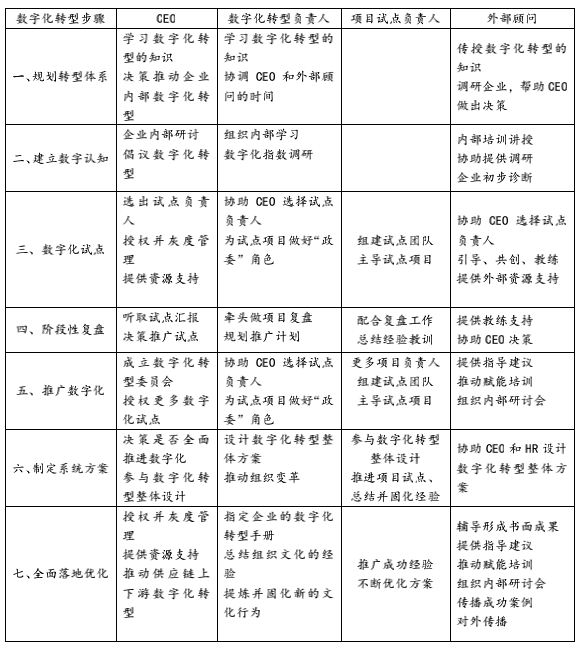
一、数智化转型的底层逻辑是业务和管理的重构与创新。
具体来说,数智化转型是通过数据智能工具、平台,发挥数据的价值来赋能企业的场景经营和管理运营。它能够提升工作效率,节约人力成本,推动企业整体数智化转型的加速,有效提升企业的核心竞争力,为打造“百年东岭”打下坚实基础。
在数字化时代,通过云计算等技术,可以实时且弹性地增加算力,大幅提高数字化生产效率。此外,数字化时代还实现了真正的柔性生产,通过供给方和需求方在网络实时连接下的即时互动,生产能够实现高度的规模协同,与上下游生态进行畅通的对接,从而有效地降低库存和减少浪费,大幅度提升协同效率和生产效率,同时降低能耗,实现绿色生产。
数字化转型的底层逻辑涉及多个方面,其中包括技术、组织文化、业务流程等。以下是数字化转型的一些底层逻辑: 数字化转型网(www.szhzxw.cn)
数据为中心:数字化转型的核心是将数据作为关键资产来管理、分析和利用。组织需要建立健壮的数据基础设施,确保数据的质量、可靠性和安全性。通过数据驱动的决策,组织能够更好地了解市场、客户和业务运营。
技术基础设施升级:引入新的技术基础设施,如云计算、大数据分析、人工智能和物联网,以支持组织的数字化需求。这包括更新硬件、软件和网络基础设施,以提高灵活性、可伸缩性和安全性。
业务流程的重新设计:数字化转型通常涉及重新设计和优化业务流程,以适应数字技术的引入。这可能包括自动化、集成和简化流程,以提高效率、降低成本并加速业务交付。
创新与敏捷文化:数字化转型需要组织建立一种创新文化,鼓励员工提出新的想法和解决方案。采用敏捷开发方法可以帮助组织更快速地响应市场变化,迅速推出新产品和服务。
客户体验优化:将客户体验置于优先位置,利用数字技术改善客户互动、个性化服务和用户界面。通过了解客户需求并提供更好的体验,组织可以增强客户忠诚度并创造更多商业机会。
组织文化的转变:数字化转型需要组织内部的文化变革,包括领导层的支持、培训员工以适应新技术和工作方式,以及促进协作和沟通的文化。 数字化转型网(www.szhzxw.cn)
安全与合规:在数字化转型中,安全性和合规性至关重要。组织需要采取措施确保数据隐私,防范网络安全威胁,并确保数字化过程符合法规和行业标准。
这些逻辑相互交织,共同构成了数字化转型的基础。成功的数字化转型通常需要全面的战略规划、跨职能团队的合作和组织层面的承诺。
二、数字化转型对哪些企业更加实用呢?
数字化转型并非适用于所有企业,但通常适合于那些希望提高效率、增强创新能力、拓展市场份额以及提升客户体验的企业。以下是一些适合开展数字化转型的企业特征:
复杂业务流程: 企业业务流程繁多、复杂,可能涉及多个部门和系统,数字化转型可以帮助简化和优化这些流程,提高效率。 数字化转型网(www.szhzxw.cn)
数据驱动业务:企业具有大量的数据,并且意识到数据对业务决策的重要性。数字化转型可以帮助企业更好地管理、分析和利用这些数据。
客户关注:企业将客户体验置于重要位置,并希望通过数字化手段提供个性化、实时的服务。数字化转型可以改善客户互动、提升客户满意度。
创新导向:企业注重创新,愿意采用新技术和方法以推动业务发展。数字化转型提供了创新的平台,可以帮助企业推出新产品和服务。
市场竞争激烈: 如果企业所处的市场变化快速,竞争激烈,数字化转型可以帮助企业更快速地适应市场变化,保持竞争力。
敏捷文化: 企业具有开放、灵活的文化,支持快速决策和实验。数字化转型需要企业能够适应变化,并在不断学习中前进。 数字化转型网(www.szhzxw.cn)
领导层支持: 高层领导层对数字化转型有强烈的支持,并能够为该过程提供必要的资源和战略方向。
行业趋势: 如果所处行业已经开始数字化转型,并且数字技术已经成为业界标准,企业可能会感到更有压力和动力进行数字化改革。
需要注意的是,数字化转型是一个复杂的过程,对组织产生广泛的影响。在决定进行数字化转型之前,企业应该进行充分的战略规划,评估其现有状态、资源状况和愿景,确保数字化转型与企业整体战略一致。

翻译:
The underlying logic of digital transformation
The underlying logic of digital intelligent transformation is the restructuring and innovation of business and management.
Specifically, the transformation of digital intelligence is to empower the enterprise’s scenario operation and management operation by using data intelligence tools and platforms to exert the value of data. It can improve work efficiency, save labor costs, promote the acceleration of the overall digital intelligent transformation of the enterprise, effectively enhance the core competitiveness of the enterprise, and lay a solid foundation for building a “hundred years of Dongling”.
In the digital era, through technologies such as cloud computing, computing power can be increased in real time and flexibly, and digital production efficiency can be greatly improved. In addition, the digital era also realizes the real flexible production, through the real-time interaction between the supply side and the demand side under the real-time connection of the network, the production can achieve a high degree of scale coordination, and the upstream and downstream ecology for smooth docking, so as to effectively reduce inventory and reduce waste, greatly improve the collaborative efficiency and production efficiency, while reducing energy consumption, to achieve green production.
The underlying logic of digital transformation involves many aspects, including technology, organizational culture, business processes, and so on. Here are some of the underlying logic of digital transformation:
Data-centric: At the heart of digital transformation is managing, analyzing, and leveraging data as a key asset. Organizations need to build a robust data infrastructure that ensures data quality, reliability, and security. Through data-driven decision making, organizations gain a better understanding of their markets, customers, and business operations. 数字化转型网(www.szhzxw.cn)
Technology infrastructure Upgrade: The introduction of new technology infrastructure, such as cloud computing, big data analytics, artificial intelligence, and the Internet of Things, to support the digitalization needs of organizations. This includes updating hardware, software, and network infrastructure to improve flexibility, scalability, and security.
Business process redesign: Digital transformation often involves redesigning and optimizing business processes to accommodate the introduction of digital technologies. This may include automating, integrating and streamlining processes to increase efficiency, reduce costs and accelerate business delivery.
Innovation and Agile culture: Digital transformation requires organizations to build a culture of innovation that encourages employees to come up with new ideas and solutions. Adopting agile development methods can help organizations respond more quickly to market changes and introduce new products and services quickly.
Customer experience optimization: Prioritizing customer experience and leveraging digital technologies to improve customer engagement, personalization, and user interfaces. By understanding customer needs and providing a better experience, organizations can increase customer loyalty and create more business opportunities. 数字化转型网(www.szhzxw.cn)
A shift in organizational culture: Digital transformation requires cultural change within an organization, including leadership support, training employees to adapt to new technologies and ways of working, and a culture that fosters collaboration and communication.
Security and Compliance: In digital transformation, security and compliance are critical. Organizations need to take steps to ensure data privacy, protect against cybersecurity threats, and ensure that digitization processes comply with regulations and industry standards.
These logics are intertwined and together form the basis of digital transformation. Successful digital transformation often requires comprehensive strategic planning, cross-functional team collaboration, and commitment at the organizational level.
Second, for which enterprises is digital transformation more practical?
Digital transformation is not for every business, but it is often for those looking to increase efficiency, enhance innovation, expand market share, and enhance the customer experience. Here are some of the best corporate characteristics for digital transformation:
Complex business processes: Enterprise business processes are numerous and complex and may involve multiple departments and systems, and digital transformation can help simplify and optimize these processes to improve efficiency.
Data-driven business: Enterprises have large amounts of data and realize the importance of data to business decisions. Digital transformation can help organizations better manage, analyze, and leverage this data.
Customer focus: Businesses prioritize customer experience and want to deliver personalized, real-time services through digital means. Digital transformation improves customer engagement and customer satisfaction. 数字化转型网(www.szhzxw.cn)
Innovation-oriented: Enterprises focus on innovation and are willing to adopt new technologies and methods to drive business development. Digital transformation provides a platform for innovation that can help companies launch new products and services.
Competitive market: If the market is changing rapidly and the competition is fierce, digital transformation can help enterprises adapt to market changes more quickly and stay competitive.
Agile culture: The company has an open, flexible culture that supports rapid decision making and experimentation. Digital transformation requires businesses to be able to adapt to change and move forward in constant learning.
Leadership support: Senior leadership has a strong commitment to digital transformation and is able to provide the necessary resources and strategic direction to the process.
Industry Trends: If the industry has already started digital transformation and digital technology has become the industry standard, companies may feel more pressure and motivation to make digital changes. 数字化转型网(www.szhzxw.cn)
It is important to note that digital transformation is a complex process with broad implications for organizations. Before deciding to undertake a digital transformation, companies should conduct sufficient strategic planning to assess their current state, resources, and vision to ensure that the digital transformation is aligned with the overall corporate strategy.
本文由数字化转型网(www.szhzxw.cn)转载而成,来源于独数易智;编辑/翻译:数字化转型网宁檬树。
免责声明: 本网站(https://www.szhzxw.cn/)内容主要来自原创、合作媒体供稿和第三方投稿,凡在本网站出现的信息,均仅供参考。本网站将尽力确保所提供信息的准确性及可靠性,但不保证有关资料的准确性及可靠性,读者在使用前请进一步核实,并对任何自主决定的行为负责。本网站对有关资料所引致的错误、不确或遗漏,概不负任何法律责任。
本网站刊载的所有内容(包括但不仅限文字、图片、LOGO、音频、视频、软件、程序等) 版权归原作者所有。任何单位或个人认为本网站中的内容可能涉嫌侵犯其知识产权或存在不实内容时,请及时通知本站,予以删除。