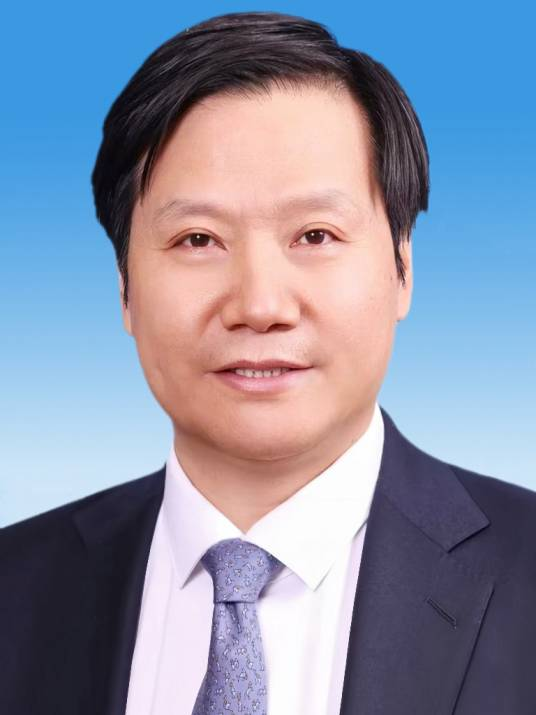
2024年全国两会期间,全国人大代表,小米集团创始人、董事长兼CEO雷军带来《关于加快建设制造业绿色低碳供应链的建议》。雷军认为,绿色发展是高质量发展的底色,新质生产力本身就是绿色生产力,必须加快发展绿色转型,助力“碳达峰”“碳中和”。“我国制造业在实现‘双碳’目标中担负着重要责任,同时也面临着供应链全链路贯通困境、国内行业碳数据库缺失以及供应链低碳转型压力等问题。”为此,他建议加速推动供应链绿色低碳化转型,提升我国商品在国际市场上的“绿色”竞争力。
“建立产品碳足迹管理体系有助于统一碳足迹核算标准,指导企业加强碳排放管理。”雷军建议,加快建立制造业碳足迹背景数据库,推动国际衔接与互认,并逐步建立中国深度参与、主导的全球碳足迹管理体系。
绿色低碳管理是一项贯穿整条产业链的系统工程。经过调查研究,雷军发现当前制造业供应链的低碳变革,仍存在链路信息不透明、信息壁垒以及绿色低碳化融合不足问题,这些问题不仅影响供应链的协同效率,也制约供应链绿色低碳转型步伐。
针对当前情况,他建议制定相应配套政策,鼓励和支持企业优化或升级供应链系统,推动5G、大数据、人工智能、云计算等新一代信息技术集成应用,实现研发、生产、流通、服务、消费等全流程业务信息贯通的同时,加强全流程绿色低碳指标及减碳措施融入,提高供应链智能化绿色化决策能力。建立绿色数字化供应链系统评价及示范推广机制,树立行业标杆,激励企业打造以绿色低碳为核心理念的数字化供应链。数字化转型网www.szhzxw.cn
“绿色电力生产过程中二氧化碳排放量接近于零或等于零,提升绿电的使用比例,更有利于环境保护和可持续发展。”雷军认为,目前在提高绿色电力使用比例的过程中也出现相应的困难与挑战,如绿电成本高、跨区域交易困难等现实问题。
为有效应对这些问题,雷军建议,建立健全全国跨区域绿电交易机制,畅通交易渠道。在此基础上,引导链主企业探索建立绿色电力“新集采”模式,即链主企业整合供应链内企业的绿电需求,统一绿色电力采购渠道,形成集体议价优势,激发供应链企业使用绿电的积极性,推动供应链绿色转型。
英文翻译:
During the two sessions of the National People’s Congress in 2024, Lei Jun, founder, chairman and CEO of Xiaomi Group, brought “Suggestions on Accelerating the Construction of a green and low-carbon supply chain in Manufacturing”.
Lei Jun believes that green development is the background of high-quality development, new quality productivity itself is green productivity, we must speed up the development of green transformation, to help “carbon peak” and “carbon neutrality”. “China’s manufacturing industry has an important responsibility in realizing the goal of ‘dual carbon’, but also faces problems such as the dilemma of the full link of the supply chain, the lack of carbon database in the domestic industry and the pressure of low-carbon transformation of the supply chain.” To this end, he suggested accelerating the green and low-carbon transformation of the supply chain to enhance the “green” competitiveness of China’s goods in the international market.
“Establishing a product carbon footprint management system will help unify carbon footprint accounting standards and guide enterprises to strengthen carbon emission management.” Lei Jun proposed to speed up the establishment of manufacturing carbon footprint background database, promote international cohesion and mutual recognition, and gradually establish a global carbon footprint management system with China’s deep participation and leadership.
Green and low-carbon management is a systematic project that runs through the whole industrial chain. After investigation and research, Lei Jun found that in the current low-carbon reform of the manufacturing supply chain, there are still problems such as opaque link information, information barriers and insufficient green and low-carbon integration, which not only affect the collaborative efficiency of the supply chain, but also restrict the pace of green and low-carbon transformation of the supply chain.
In view of the current situation, he suggested the formulation of corresponding supporting policies to encourage and support enterprises to optimize or upgrade the supply chain system, promote the integrated application of 5G, big data, artificial intelligence, cloud computing and other new generation of information technology, to realize the integration of research and development, production, circulation, service, consumption and other business information, while strengthening the integration of green and low-carbon indicators and carbon reduction measures in the whole process. Improve the intelligent green decision-making ability of supply chain. Establish a green digital supply chain system evaluation and demonstration promotion mechanism, establish industry benchmarks, and encourage enterprises to build a digital supply chain with green and low-carbon as the core concept.
“Carbon dioxide emissions in the production of green electricity are close to zero or equal to zero, and increasing the proportion of green electricity use is more conducive to environmental protection and sustainable development.” Lei Jun believes that at present, in the process of increasing the proportion of green electricity use, there are corresponding difficulties and challenges, such as the high cost of green electricity, cross-regional transaction difficulties and other practical problems.
In order to effectively deal with these problems, Lei Jun suggested that the establishment of a sound national cross-regional green electricity trading mechanism, smooth trading channels. On this basis, the chain master enterprises are guided to explore the establishment of a “new collection” mode of green power, that is, the chain master enterprises integrate the green power demand of enterprises in the supply chain, unify the green power procurement channels, form a collective bargaining advantage, stimulate the enthusiasm of supply chain enterprises to use green electricity, and promote the green transformation of the supply chain.
本文由数字化转型网(www.szhzxw.cn)转载而成,来源于中华全国工商业联合会;编辑/翻译:数字化转型网方方。

免责声明: 本网站(https://www.szhzxw.cn/)内容主要来自原创、合作媒体供稿和第三方投稿,凡在本网站出现的信息,均仅供参考。本网站将尽力确保所提供信息的准确性及可靠性,但不保证有关资料的准确性及可靠性,读者在使用前请进一步核实,并对任何自主决定的行为负责。本网站对有关资料所引致的错误、不确或遗漏,概不负任何法律责任。
本网站刊载的所有内容(包括但不仅限文字、图片、LOGO、音频、视频、软件、程序等) 版权归原作者所有。任何单位或个人认为本网站中的内容可能涉嫌侵犯其知识产权或存在不实内容时,请及时通知本站,予以删除。