
2023年以来,中企又一轮出海蔚然成风。据商务部数据,2023年非金融对外投资企业数和总金额分别同比增长23.1%和11.4%。尽管中国企业走向世界早已不是新闻,但这一轮中企出海浪潮展现出更多新特征。记者把目光聚焦在离中国生产“大本营”最近的越南和离美国市场最近的墨西哥,对话那里的出海人。他们以自身的经历告诉记者,在这个全球产业链重塑的过程中,中国固然面对重重挑战,但也正是在这个“大出海”的时代,中国才有可能产生真正意义上的“世界级企业”。
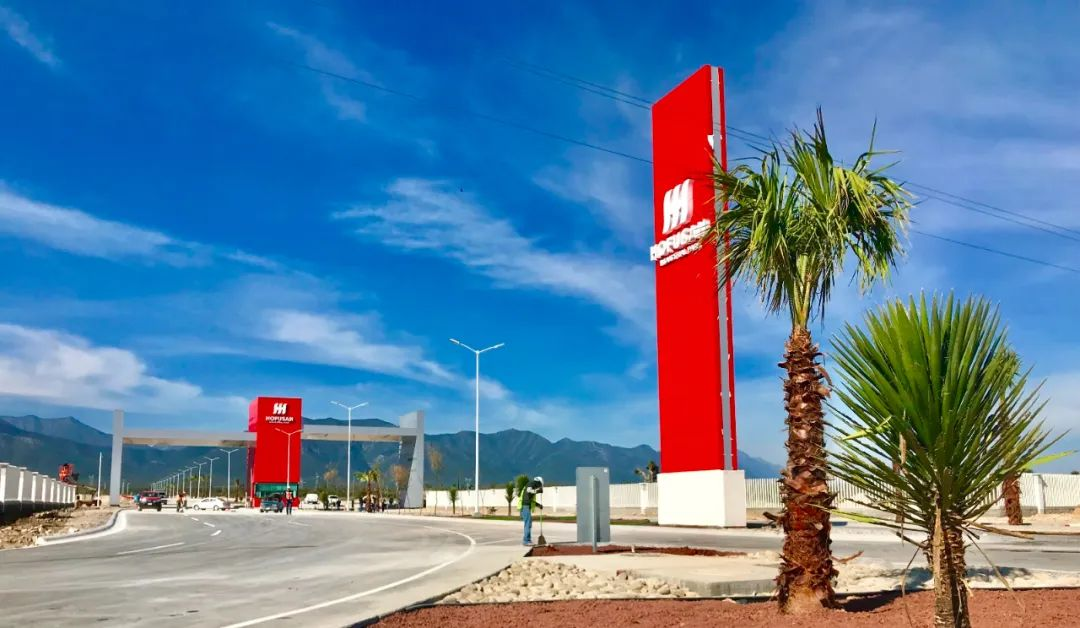
一、“第二张馅饼”,中企“墨路狂飙”
“这里的中国人变多了!”——在墨西哥北方第一大工业城市蒙特雷,这或许是当地人这两年来最大的感受。无论是在当地的公园或街区,还是在跨国航班上,总能看见几张中国人的面孔。
近年来,墨西哥正成为中企出海的新“淘金地”。美国、中国和墨西哥之间的“三角关系”,形成了墨西哥商界近年来的流行词“近岸外包”。许多中国制造业企业把生产线搬到了蒙特雷等墨西哥北部城市。
坐落在蒙特雷的北美华富山工业园,正是这一盛况的见证者。工业园董事长胡海告诉记者,目前仅在这家工业园的中企已达四十余家,主要集中在汽车零部件、家电家具,以及装备加工等制造业行业。“差不多八成的中企,都是在2020年以后进入墨西哥,其生产的商品大部分面向美国市场出口。”
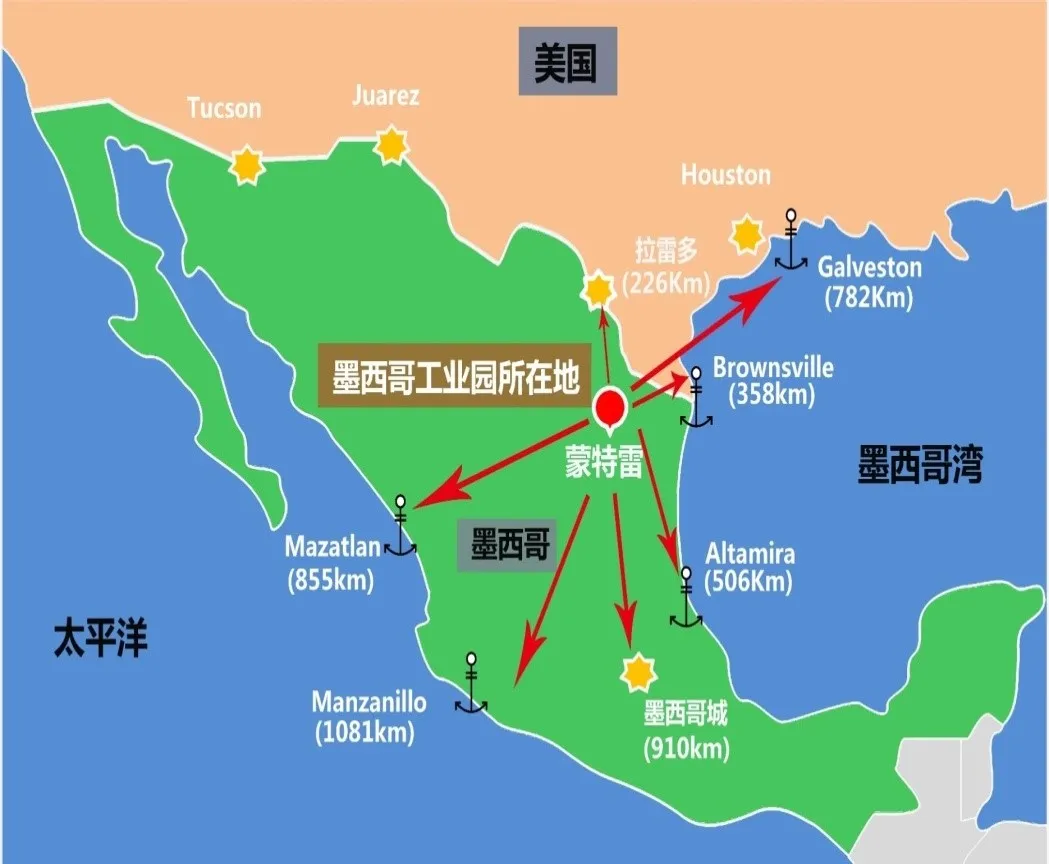
“天上掉馅饼”——胡海这样形容墨西哥制造业近年来的崛起,“如果说1994年生效的《北美自由贸易协定》是从天上掉给墨西哥的第一张馅饼,那‘近岸外包’就是第二张馅饼。” 对于中企来说,在墨西哥设厂最大的意义在于产品可被视为百分百的墨西哥制造,进而在中美贸易摩擦中避开美国对中国商品设置的关税和非关税壁垒。根据2020年更新的《美国-墨西哥-加拿大协定》,诸多门类的产品从墨西哥出口美国、加拿大可享受较低关税甚至零关税,比如,如果一辆汽车75%的部件在墨西哥生产,那么它就可以以零关税出口美国。
值得一提的是,相比于其他许多发展中国家,墨西哥本身的工业基础较好:早在上世纪20年代,美国汽车企业福特就来到墨西哥建厂。在1994年《北美自由贸易协定》生效后,许多其他国家的企业也把一部分产业链转移到墨西哥。 数字化转型网(www.szhzxw.cn)
不过,一名熟悉墨西哥制造业的中国企业人告诉记者,尽管墨西哥当下有了“天时”和“地利”,但中企在当地设厂仍面临许多挑战。“除了运费优势和关税优势,墨西哥在其他生产成本方面,相比中国几乎没有任何优势。”他认为,在人工和管理效率、供应链差异、原材料成本等方面,墨西哥都很难同中国匹敌。尤其是,一些中企难以在短期内找到能在价格和质量上满足其需求的墨西哥本土供应商。
墨西哥政府部门数据显示,根据不同制造业部门和技能水平,墨西哥制造业工人的月工资通常在400至1000美元之间。而在中国,这一数据约为620至930美元。在越南则为250至500美元。“墨西哥独特的用工环境意味着企业不能把在中国运行的管理模式照搬到墨西哥。”胡海这样告诉记者。
二、出海,中企正出现三个新特点
如果说中企出海墨西哥是为了靠近美国市场这个“岸”,那出海越南则很大程度上是因为靠近中国这个“世界工厂”的大本营。尽管中企进军越南并非是新鲜事,但最近几年,赴越的中企与以往相比有了明显的不同。
张纬杰是一名越南市场咨询顾问,最近两年,他在一线接触了大量出海越南的中企。在他看来,与10年前或15年前相比,中企出海越南呈现出三个新特点:一是出海的制造业企业从服装箱包等低附加值行业,向光伏3C(计算、通信、消费类电子品)等中端制造业升级,且最初只是在越南做最下游组装,但近几年更多上游供应链也转移到越南;二是中国连锁线下消费品牌的出海,如海底捞、蜜雪冰城等当代中国连锁餐饮品牌,近年来在越南实现了相当成功的落地;三是以TikTok为代表的中国科技和互联网大厂的海外扩张。 数字化转型网(www.szhzxw.cn)
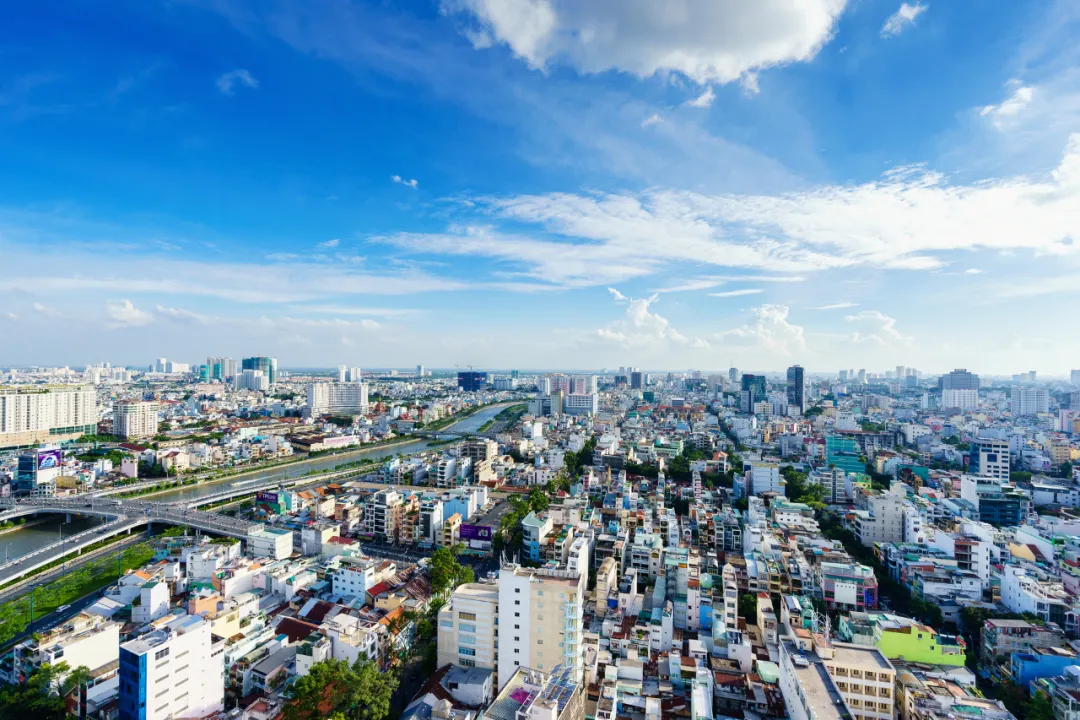
“上一波中企出海东南亚国家,基本是出于耳熟能详的劳动力成本逻辑,并以劳动密集型企业为主,而这一波出海中企的技术含量和附加值都有不小的提升。”张纬杰对 表示,此外,这一轮出海越南的中企在品牌影响力上也远超此前。“从过去工业园里不知名的代工企业,到走上前台、人人都知道的‘中国品牌’,这在感观上是一种很大的变化。” 数字化转型网(www.szhzxw.cn)
郭文昌是安盛起重机&钢结构有限公司的副总经理,他所在的企业正是张纬杰所说的中端制造业。2020年,这家长期向越南出口起重机设备的企业正式在河内买地设厂,并于2022年在当地投产。
“我们的销售对象主要是一些企业车间,因此对客户的‘依附性’比较强。最近几年,由于美国对华加征关税等原因,中国不少做出口的工厂来到越南,我们这样的供应商因此也在当地设厂。”郭文昌告诉记者,“我们在越南生产的总体费用,比从国内发货到这里还要高。但客户出于稳定供应链、保障售后服务等需求,要求我们必须在越南有工厂,否则将无法向我们下单。” 数字化转型网(www.szhzxw.cn)
随着把生产环节转移到越南和墨西哥的中企越来越多,这些国家能否取代中国成为下一个“世界工厂”的讨论一直没有停歇。很多人更担心,在全球产业链重塑的过程中,会不会出现“教会徒弟、饿死师傅”的情况?对于这个问题,所有接受记者采访的中国出海人的答案几乎都是:很难。
“以我和一些公司接触时了解的情况来看,很多中企在越南的生产成本实际上并不比在中国低,有的甚至还要高一些。”张纬杰告诉记者,虽然从明面上看,越南的劳动力价格较低,但一家企业的生产成本需要综合考虑到生产效率、物流与清关成本、规模效应等许多因素,在这些方面,越南对比中国都不具有优势。尤其是对企业非常重要的技术人才和基建水平的欠缺,更不是企业层面就能解决的问题。
值得注意的是,大部分中企和其他国家的企业进入越南时,并不会向本土企业进行技术转让。“一是越南终究市场体量有限,没有底气像当年的中国一样和外资商量‘技术换市场’。二是就算转让了技术,当地的人才密度也是个大问题,很多时候,有了技术也学不会、做不来。”他介绍说。墨西哥的情况也十分类似。据胡海介绍,相比上世纪八九十年代的中国,墨西哥政府寻求技术转让的意识和意愿并不强烈。只要中企能在当地设厂解决就业,缴纳税收,创造面向美国的出口,墨西哥政府就持欢迎的态度。
此外,不同于特斯拉或苹果进入中国培育起一大批中国本土的供应商,很少有越南本土供应商因中企的进入而崛起。郭文昌告诉记者,近年来大量出口型中企转移到越南后,也会有把部分供应商“本土化”的需求。但越南市场的体量和规模决定了其在短期内很难孵化出能和中企匹敌的本土供应商,无论技术水平、生产质量抑或价格,都难以满足出海中企的需求。 数字化转型网(www.szhzxw.cn)
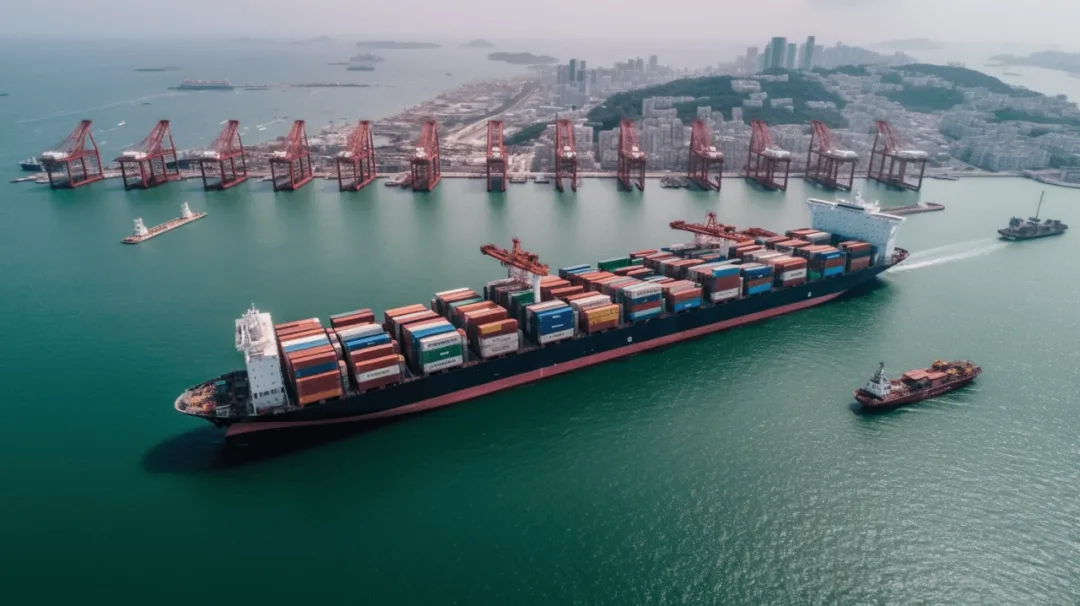
三、“连接器国家”兴起?
在张纬杰看来,真正让越南成为这一波中企出海目的地的核心原因其实只有一个,那就是地缘政治的影响:在美国一些政客寻求与中国“脱钩”的政治大气候下,美欧许多原本下单给中国境内企业的需求,转移到了一些“连接器国家”或“中间国家”,而中企也因规避美国关税的原因把一部分交付转移到了这些地方,这造就了这些国家的兴起。 数字化转型网(www.szhzxw.cn)
在他看来,越南等国家今天扮演的角色,有些像当年的香港地区,只是在1978年前,中国与西方的存量联系很少,一个香港足够充当“连接器”。今天中国与西方的经济联系已经高度盘根错节,所谓“脱钩”,其实会造就一群“中间国家”,东南亚、拉美、中东都有可能扮演这一角色。
当然,地缘政治的红利也往往伴随着危险:如果有一天美国从政策上关掉这些“连接器”,这些国家的制造业发展前景将面临极大的不确定性。这一风险并非不可能发生,就在今年5月,美国宣布将结束对越南、柬埔寨、马来西亚和泰国的光伏组件进口关税豁免,并发起新的“双反”调查。
“我上周刚见了一个从深圳来越南考察的工厂负责人,他们去年年底开始在越南租厂房生产,但现在很犹豫要不要在这里买地建厂做长期投资。”郭文昌告诉记者,“他们来越南的原因是因为美国的关税,但老板认为,五年后,国际局势可能还有很大变化。无论是美国取消对中国加征的关税,又或是对越南加税,留在越南都不再有意义。” 数字化转型网(www.szhzxw.cn)
但对中国来说,需要思考和面对的命题或许还要更为复杂:从欧美日等国的历史来看,当一个国家的制造业和宏观经济发展到一定水平,产业链外迁似乎是一个必然的过程。在张纬杰看来,这在短期内固然会对中国国内的就业、宏观经济增长等产生一定影响,而换个角度来看,也正是在这样“大出海”的时代,中国才有可能产生一批真正的跨国巨头企业,正如日本产生丰田、松下那样世界型企业一样。未来,有能力在海外交付的中企,有望迎来一波逆势增长。
“在我看来,即使没有美国关税‘助推’,中企最终还是要走向产能全球布局这条道路。生产最终要靠近市场,这是一条经济规律。”胡海也持类似观点。“在未来,‘中国制造’应该会逐步变成‘中国总部,全球交付’,即核心技术的研发和关键零部件的生产还在中国境内,其他的生产环节转移到交付更加方便的国家与地区。” 数字化转型网(www.szhzxw.cn)
张纬杰形容道:“未来,让我们一起迎来中国从‘大GDP时代’向‘大GNP时代’的转变。”

翻译:
Chinese companies set out to reshape global supply chains
Since 2023, another round of Chinese enterprises has become a common trend. According to the Ministry of Commerce, the number and total amount of non-financial overseas investment in 2023 increased by 23.1% and 11.4%, respectively. Although Chinese enterprises to the world is no longer news, but this round of Chinese enterprises to go to the sea wave to show more new characteristics. The reporter focused on Vietnam, which is closest to the “base camp” of Chinese production, and Mexico, which is closest to the US market, and talked to the emigrants there. They told reporters with their own experience that in the process of reshaping the global industrial chain, China is facing numerous challenges, but it is also in this era of “big sea” that China is likely to produce a true sense of “world-class enterprises”.
Figure/North American Huafushan Industrial Park website
First, the “second pie”, Chinese enterprises “Mo Lu Furious”
“There are more Chinese here!” In Monterrey, the largest industrial city in northern Mexico, this is perhaps the biggest feeling locals have had in two years. Whether in a local park or neighborhood, or on a cross-country flight, there are always several Chinese faces to be seen.
In recent years, Mexico is becoming a new “gold rush” for Chinese enterprises to go to sea. The “triangular relationship” between the United States, China and Mexico has led to the “nearshore outsourcing” buzzword in Mexican business in recent years. Many Chinese manufacturing companies have moved production to northern Mexican cities such as Monterrey.
The North American Huafu Mountain Industrial Park, located in Monterey, is a witness to this spectacle. Hu Hai, chairman of the industrial park, told reporters that at present, there are more than 40 Chinese enterprises in this industrial park, mainly concentrated in auto parts, home appliances and furniture, as well as equipment processing and other manufacturing industries. “Almost 80 percent of Chinese companies will enter Mexico after 2020, and most of their products will be exported to the U.S. market.”
Figure/North American Huafushan Industrial Park website
“Pie from the sky” – Hu Hai describes the rise of Mexican manufacturing in recent years, “if the North American Free Trade Agreement, which came into force in 1994, fell from the sky to Mexico’s first pie, then ‘nearshore outsourcing’ is the second pie.” For Chinese companies, the biggest significance of setting up a factory in Mexico is that the products can be regarded as 100 percent made in Mexico, and thus avoid the tariff and non-tariff barriers set by the United States on Chinese goods in the Sino-US trade friction. Under the 2020 update of the United States-Mexico-Canada Agreement, many categories of products exported from Mexico to the United States can enjoy low or zero tariffs, for example, if 75 percent of a car’s parts are produced in Mexico, it can be exported to the United States at zero tariffs.
It is worth mentioning that Mexico itself has a better industrial base than many other developing countries: as early as the 1920s, the US car company Ford came to Mexico to set up factories. After the North American Free Trade Agreement came into effect in 1994, companies from many other countries also moved part of their industrial chains to Mexico.
However, a Chinese company familiar with Mexico’s manufacturing industry told reporters that although Mexico has the “right time” and “geographical”, Chinese companies still face many challenges in setting up factories there. “Apart from freight and tariff advantages, Mexico has almost no advantage over China in terms of other production costs.” In terms of labor and management efficiency, supply chain differences, raw material costs and so on, Mexico will struggle to match China, he said. In particular, some Chinese companies are struggling to find local Mexican suppliers that can meet their needs in terms of price and quality in the short term. 数字化转型网(www.szhzxw.cn)
Mexican manufacturing workers typically earn between $400 and $1,000 a month, depending on the manufacturing sector and skill level, according to government data. In China, the figure is about $620 to $930. In Vietnam, it’s $250 to $500. “Mexico’s unique labor environment means that companies can’t just copy the management model they operate in China.” Hu Hai told reporters.
Second, going to sea, Chinese enterprises are emerging three new characteristics
If Chinese enterprises go to Mexico to get close to the “shore” of the US market, the reason for going to Vietnam is to a large extent because it is close to China, the base camp of the “world factory”. While Chinese companies’ forays into Vietnam are not new, there has been a marked difference in recent years.
Zhang Weijie is a Vietnamese market consultant. In the past two years, he has been in contact with a large number of Chinese enterprises that have gone overseas to Vietnam. In his view, compared with 10 years ago or 15 years ago, Chinese enterprises going to Vietnam presents three new characteristics: First, the manufacturing enterprises going to sea from low-value-added industries such as clothing and bags to the PV 3C (computing, communications, consumer electronics) and other mid-end manufacturing upgrading, and initially only in Vietnam to do the most downstream assembly, but in recent years more upstream supply chains have also transferred to Vietnam; The second is the Chinese chain offline consumer brands, such as Haidilao, Misue Ice City and other contemporary Chinese chain restaurant brands, in recent years in Vietnam to achieve quite successful landing; The third is the overseas expansion of Chinese technology and Internet giants represented by TikTok. 数字化转型网(www.szhzxw.cn)
“The previous wave of Chinese companies going overseas to Southeast Asian countries was basically based on the familiar logic of labor costs and labor-intensive enterprises, while this wave of Chinese companies going overseas has greatly improved their technological content and added value.” Zhang Weijie said that in addition, this round of Chinese enterprises going to Vietnam in the brand influence is also far more than before. “It’s a big change in perception from the unknown contract manufacturers in the industrial park to the ‘Chinese brands’ that come to the fore and everyone knows.”
Guo Wenchang, deputy general manager of AXA Cranes & Steel Structures, works in what Mr Zhang calls mid-range manufacturing. In 2020, the company, which has long exported crane equipment to Vietnam, officially bought land in Hanoi to set up a factory and put it into production locally in 2022.
“Our sales objects are mainly some enterprise workshops, so the” dependency “of customers is relatively strong. In recent years, due to the tariffs imposed by the United States on China and other reasons, many Chinese export factories have come to Vietnam, so suppliers like us have also set up factories there.” Guo Wen-chang told reporters, “The overall cost of our production in Vietnam is higher than that of shipping from China to here.” “But customers need to stabilize the supply chain and guarantee after-sales service, so we must have a factory in Vietnam, otherwise they will not be able to place orders with us.”
With an increasing number of Chinese companies shifting production to Vietnam and Mexico, there has been an ongoing debate about whether these countries can replace China as the next “factory of the world.” Many people are more worried that in the process of reshaping the global industrial chain, will there be a situation of “teaching apprentices and starving teachers”? To this question, the answer of almost every Chinese expatriate interviewed by reporters is: very difficult.
“As far as I know from my contacts with some companies, the production costs of many Chinese companies in Vietnam are actually not lower than in China, and some are even higher.” Zhang Weijie told reporters that although from the obvious point of view, Vietnam’s labor price is low, but an enterprise’s production cost needs to take into account production efficiency, logistics and customs clearance costs, scale effect and many other factors, in these aspects, Vietnam does not have an advantage compared with China. In particular, the lack of technical talents and infrastructure levels that are very important to enterprises is not a problem that can be solved at the enterprise level.
It is worth noting that most Chinese companies and companies from other countries do not transfer technology to local companies when they enter Vietnam. “First, Vietnam’s final market volume is limited, and there is no confidence to discuss ‘technology for market’ with foreign capital like China did at that time.” Second, even if the technology is transferred, the density of local talents is also a big problem, and in many cases, they cannot learn and do things with the technology.” “He introduced. The story is similar in Mexico. According to Hu Hai, compared with China in the 1980s and 1990s, the Mexican government’s awareness and willingness to seek technology transfer is not strong. As long as Chinese companies can create jobs, pay taxes and create exports to the United States, the Mexican government welcomes them.
In addition, unlike Tesla or Apple’s entry into China to cultivate a large number of local Chinese suppliers, few local Vietnamese suppliers have risen because of the entry of Chinese enterprises. Guo Wenchang told reporters that after a large number of export-oriented Chinese enterprises have transferred to Vietnam in recent years, there will also be a need to “localize” some suppliers. However, the size and scale of the Vietnamese market determines that it is difficult to incubate local suppliers that can match Chinese enterprises in the short term, regardless of the technical level, production quality or price, it is difficult to meet the needs of overseas Chinese enterprises. 数字化转型网(www.szhzxw.cn)
Third, the rise of “connector countries”?
In Zhang Weijie’s view, the core reason that really makes Vietnam the destination of this wave of Chinese enterprises is actually only one, that is, the impact of geopolitics: Under the political climate in which some politicians in the United States seek to “decoupage” from China, many of the demands originally placed by companies in the United States and Europe have been transferred to some “connector countries” or “intermediate countries”, and Chinese companies have also transferred part of their deliveries to these places for reasons of avoiding US tariffs, which has created the rise of these countries.
In his view, the role of Vietnam and other countries today is somewhat like that of Hong Kong, only before 1978, China and the West had few stock connections, and a Hong Kong was enough to act as a “connector.” Today, China’s economic ties with the West have become highly intertwined, and the so-called “decoupling” will in fact create a group of “intermediate countries”, Southeast Asia, Latin America, the Middle East may play this role. 数字化转型网(www.szhzxw.cn)
Of course, the geopolitical dividend is often accompanied by danger: if one day the United States closes these “connectors” from the policy, the development prospects of the manufacturing industry in these countries will face great uncertainty. This risk is not impossible to happen, just in May this year, the United States announced that it will end the import tariff exemption of photovoltaic modules from Vietnam, Cambodia, Malaysia and Thailand, and launched a new “double reverse” investigation.
“I just met the head of a factory from Shenzhen who visited Vietnam last week. They started renting a factory in Vietnam at the end of last year, but now they are hesitant to buy land here to build a factory for long-term investment.” “The reason they came to Vietnam is because of the US tariffs, but the boss believes that in five years, the international situation may still change a lot,” Guo told reporters. Whether the US lifts tariffs on China or raises taxes on Vietnam, it no longer makes sense to stay in Vietnam.”
However, for China, the proposition that needs to be considered and faced may be more complex: from the history of Europe, the United States, Japan and other countries, when a country’s manufacturing and macroeconomic development to a certain level, the relocation of the industrial chain seems to be an inevitable process. In Zhang Weijie’s view, this will certainly have a certain impact on China’s domestic employment and macroeconomic growth in the short term, and from another point of view, it is also in such a “big sea” era, China is likely to produce a group of real multinational giant enterprises, just as Japan produced Toyota, Panasonic, such as world enterprises. In the future, Chinese enterprises with the ability to deliver overseas are expected to usher in a wave of contrarian growth.
“In my opinion, even if there is no US tariff ‘boost’, Chinese enterprises will eventually go to the road of global layout of production capacity.” It is an economic law that production should ultimately be close to the market.” Hu Hai takes a similar view. “In the future, ‘Made in China’ should gradually become ‘China headquarters, global delivery’, that is, the research and development of core technologies and the production of key components are still in China, and other production links are transferred to countries and regions with more convenient delivery.”
Zhang Weijie described: “In the future, let us usher in the transformation of China from the ‘big GDP era’ to the ‘big GNP era’.” 数字化转型网(www.szhzxw.cn)
本文由数字化转型网(www.szhzxw.cn)转载而成,来源于环球时报;编辑/翻译:数字化转型网宁檬树。
免责声明: 本网站(https://www.szhzxw.cn/)内容主要来自原创、合作媒体供稿和第三方投稿,凡在本网站出现的信息,均仅供参考。本网站将尽力确保所提供信息的准确性及可靠性,但不保证有关资料的准确性及可靠性,读者在使用前请进一步核实,并对任何自主决定的行为负责。本网站对有关资料所引致的错误、不确或遗漏,概不负任何法律责任。
本网站刊载的所有内容(包括但不仅限文字、图片、LOGO、音频、视频、软件、程序等) 版权归原作者所有。任何单位或个人认为本网站中的内容可能涉嫌侵犯其知识产权或存在不实内容时,请及时通知本站,予以删除。